
For most small to medium patios with a power outlet nearby, an electric infrared patio heater is the smarter everyday choice: lower safety risk, instant-on warmth, easy controls, and no fuel to manage. But if you have a larger uncovered space, no convenient outlet, or you need serious heat in cold and windy conditions, a propane heater delivers more raw BTUs and total portability that electricity simply can't match. The right answer depends on your specific setup, and this guide will walk you through every factor that matters.
Electric Patio Heater vs Propane: Costs, Heat, and Safety

Caleb Vale
28 May 2026
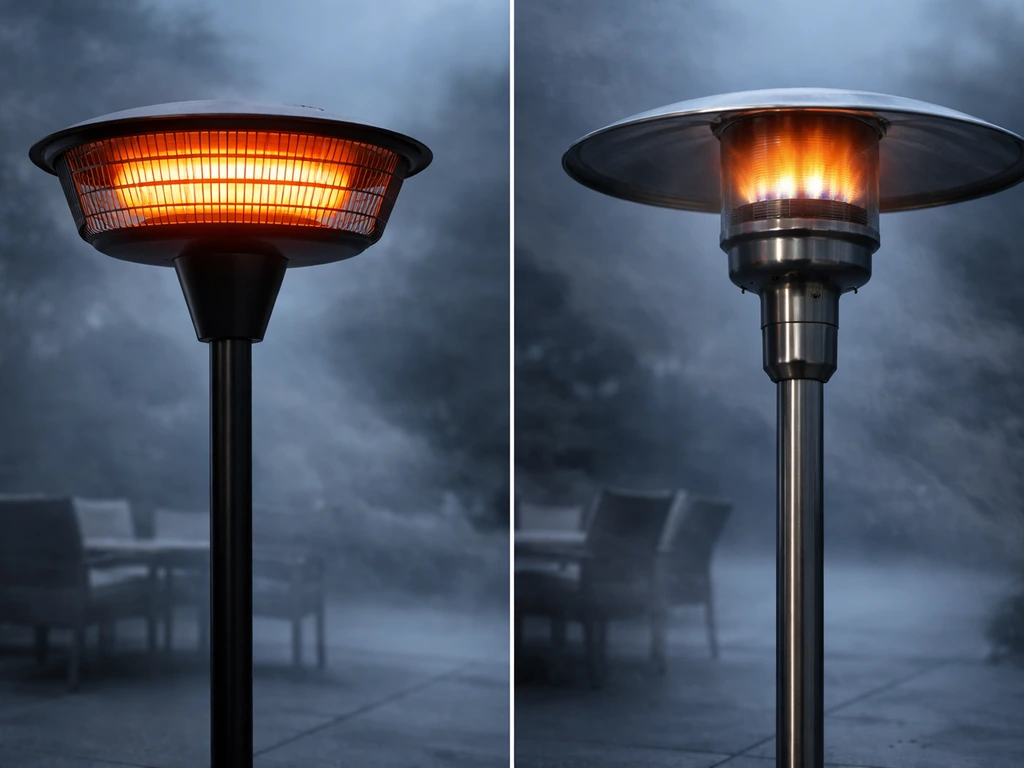
How electric and propane patio heaters actually work
Propane patio heaters burn liquefied petroleum gas (LPG) through a burner head. The classic mushroom-style design directs flame against a perforated metal screen and uses a reflector dome to push heat outward and downward rather than losing it straight up. The combustion produces both heat and byproducts including water vapor and carbon monoxide, which is the core reason these heaters are rated for outdoor use only. The heat they produce is a mix of radiant warmth (from the glowing emitter screen) and convective heat (warm air rising from the combustion zone).
Electric patio heaters work one of two ways. Basic resistance models pass electrical current through a resistive element, and that element gets hot. Infrared electric heaters take it a step further: they use an electrically heated emitter that radiates energy in the infrared spectrum, which travels through the air without warming it and gets absorbed directly by surfaces and people. Infratech explains infrared heater wavelength behavior and notes that automotive and industrial infrared systems can have a peak spectral output around 1.3 microns. This is why an electric infrared heater feels warm the moment you stand in front of it even on a cold night. The air temperature barely changes, but you feel warm because the radiation is being absorbed by your body directly.
When people search for "infrared vs propane patio heater," they're usually comparing electric IR wall-mount or pedestal units against propane mushroom heaters. Understanding the difference helps you choose the right type for comfort, coverage, and safety in your outdoor space infrared vs propane patio heater. It's worth noting that propane heaters also produce some infrared radiation from their emitter screens, so the word infrared doesn't automatically mean electric. In practice though, dedicated electric infrared heaters (quartz tube, carbon fiber, or halogen element designs) are far more efficient at directing that radiant energy precisely where you want it.
Heat output, coverage, and how fast you actually feel warm
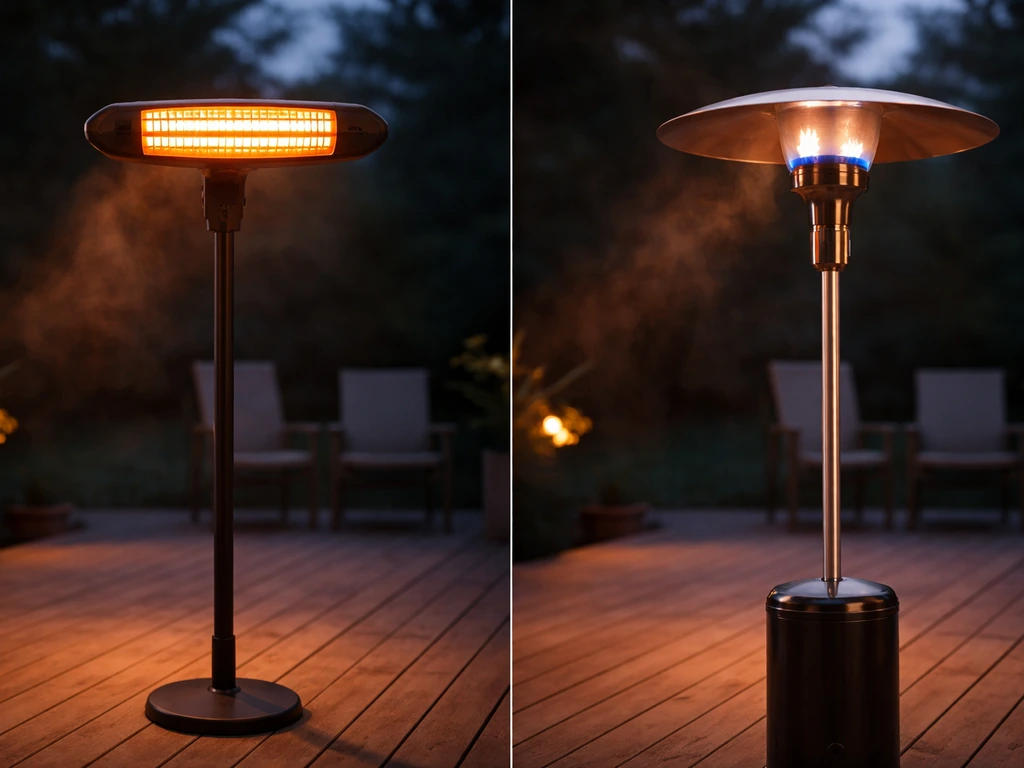
Propane wins on raw output. A standard mushroom-style patio heater runs at 40,000–48,000 BTU, and larger portable radiant models like the Mr. Heater MH35LP push 35,000 BTU and are marketed to heat up to 875 square feet. That's serious heat. Electric units are constrained by household circuits: a typical 1,500-watt electric heater outputs roughly 5,100 BTU. Even a strong commercial electric IR unit tops out around 6,800–7,500 BTU on a 20-amp circuit. Electric IR units like the Dr. Infrared DR-238 are marketed up to 1,000 square feet, but that figure assumes calm conditions and proximity to the heater. In real outdoor use with any breeze, cut those coverage numbers significantly for both types.
Where electric infrared genuinely wins is time-to-warmth. Because infrared radiation travels through air without resistance and is absorbed on contact by whatever it hits, you feel the warmth within seconds of switching the heater on. Propane heaters need 30–90 seconds to build up heat and often longer in cold temperatures when the regulator and fuel line are cold. For a quick evening on the patio, that difference is noticeable. For an all-night outdoor event, it matters less.
Wind is the great equalizer outdoors. Convective heat from any heater, propane or electric, gets blown away. This is where electric infrared has a real advantage: because it heats objects rather than air, a moderate breeze does much less damage to your comfort. A propane mushroom heater in a 10–15 mph wind loses a substantial amount of its effective coverage because so much of the warm air is simply carried away. Electric infrared mounted overhead or aimed at seated guests holds up considerably better in those conditions.
What it actually costs to run each type
Let's put real numbers to this. As of mid-2026, average U.S. residential electricity rates are around $0.16–$0.18 per kilowatt-hour. Running a 1,500-watt electric heater costs roughly $0.24–$0.27 per hour. A larger 3,000-watt commercial electric IR unit runs about $0.48–$0.54 per hour. For propane, a standard 20-lb tank holds about 4.7 gallons and costs $25–$35 to fill. A 40,000 BTU mushroom heater burns through roughly one full tank in 8–10 hours, putting the fuel cost at $2.50–$4.40 per hour depending on your local propane price.
On a pure operating-cost basis, electricity is significantly cheaper per hour for equivalent comfort in a small-to-medium space. The catch is that propane delivers far more BTUs per hour, so if you need to heat a large open area, you'd need multiple electric heaters to match one propane unit, and your cost math changes. For a covered 10x12 patio with two or three people seated nearby, a single 1,500W electric IR unit is both cheaper and sufficient. For an open 500-square-foot deck in 35°F weather, you'll likely want propane.
| Factor | Electric (1,500W) | Propane (40,000 BTU) |
|---|---|---|
| Hourly operating cost | ~$0.24–$0.27 | ~$2.50–$4.40 |
| Heat output | ~5,100 BTU | 40,000 BTU |
| Realistic coverage (calm) | 100–200 sq ft | 300–500 sq ft |
| Realistic coverage (windy) | 80–150 sq ft (IR holds up better) | 150–300 sq ft |
| Time to feel warm | Seconds (IR) | 30–90 seconds |
| Fuel/energy refill cost | ~$0 (grid) | $25–$35 per tank |
| Run time per refill/session | Unlimited (grid) | 8–10 hrs per 20-lb tank |
Startup, controls, and everyday convenience
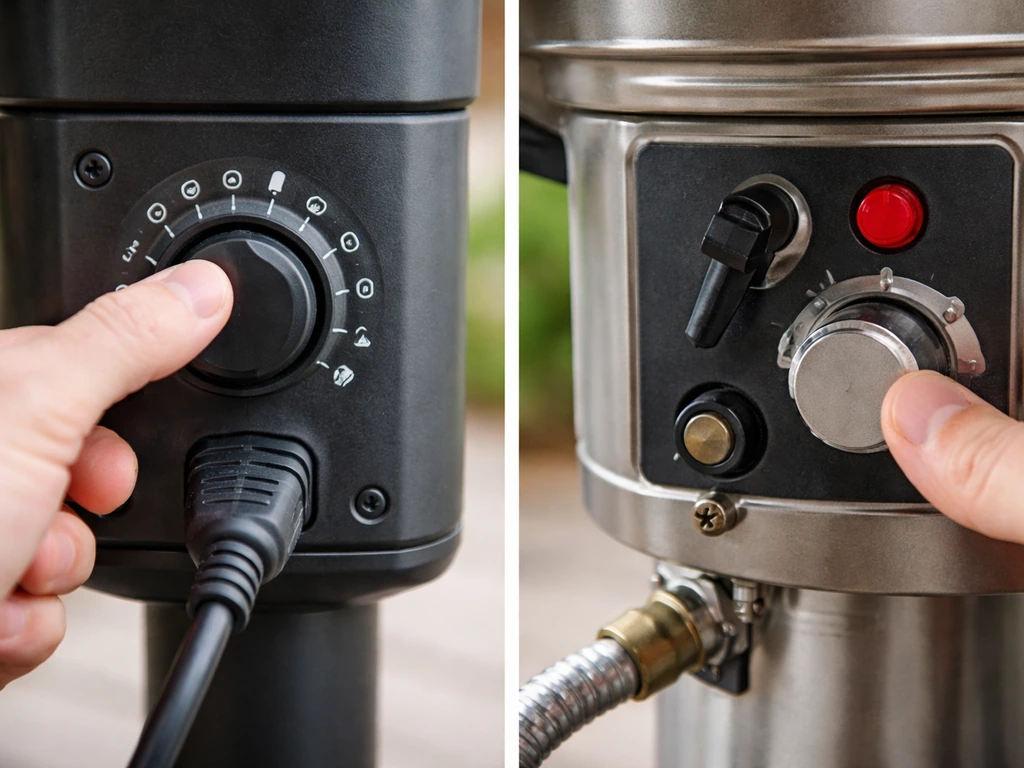
Electric heaters are simply more convenient for everyday use. You plug them in, press a button, and they're on. Many consumer models include multi-level heat settings, 8-hour timers, oscillation, and remote controls, features that let you manage comfort without getting up from your seat. Thermostat control is common on mid-range and up electric units, so the heater cycles on and off to maintain a set temperature rather than running full blast continuously.
Propane heaters involve a manual ignition sequence: open the valve, push and hold the ignition button, wait for the pilot to catch, then slowly open to full flame. In cold weather this process can take a few tries. There's no thermostat on most residential propane patio heaters, and remote controls are rare outside of commercial-grade gas systems. You also need to monitor your tank level and either swap it out or haul it to a refill station, which is a minor but real inconvenience if you use the heater frequently.
Portability is where propane has a clear advantage. A freestanding propane mushroom heater on wheels goes anywhere on your patio, moves to the backyard for a party, or travels to a tailgate. Electric heaters are either tethered to an outlet (wall-mount, tabletop, or pedestal with a cord) or require a generator for true portability. If you need flexibility in where you place your heat source, propane wins.
Installation and setup: what you need before you buy
Electric heater setup is usually plug-and-play for freestanding models. Most residential electric patio heaters run on a standard 120V/15-amp circuit, though higher-output units (2,000W+) may require a dedicated 20-amp circuit or a 240V connection. Before buying, check what's available on your patio. A wall-mount electric IR heater will need to be wired or plugged in at ceiling or wall height, which might mean a short install job if there's no outlet already in the right spot. Nothing complicated, but factor it in.
Propane heaters need no electrical connection at all, which is their biggest installation advantage. You connect a standard 20-lb tank (or a larger 100-lb tank with an adapter for extended run time), and the heater is ready. There are no venting requirements for outdoor use because the outdoors itself is the ventilation. The one installation consideration is stability: mushroom heaters are tall and top-heavy, so on a windy or sloped patio you'll want to weight the base or choose a low-profile design. For a covered outdoor area like a pergola, verify clearance heights before installing any patio heater overhead.
For businesses, the calculus is different. A restaurant patio running six propane heaters every night is buying and hauling fuel constantly. Many commercial operators eventually switch to hardwired electric infrared systems precisely because the per-hour operating cost is lower and there's no supply chain to manage. The upfront cost of hardwired electric IR is higher due to electrical work, but the long-term savings are real.
Safety: the honest comparison
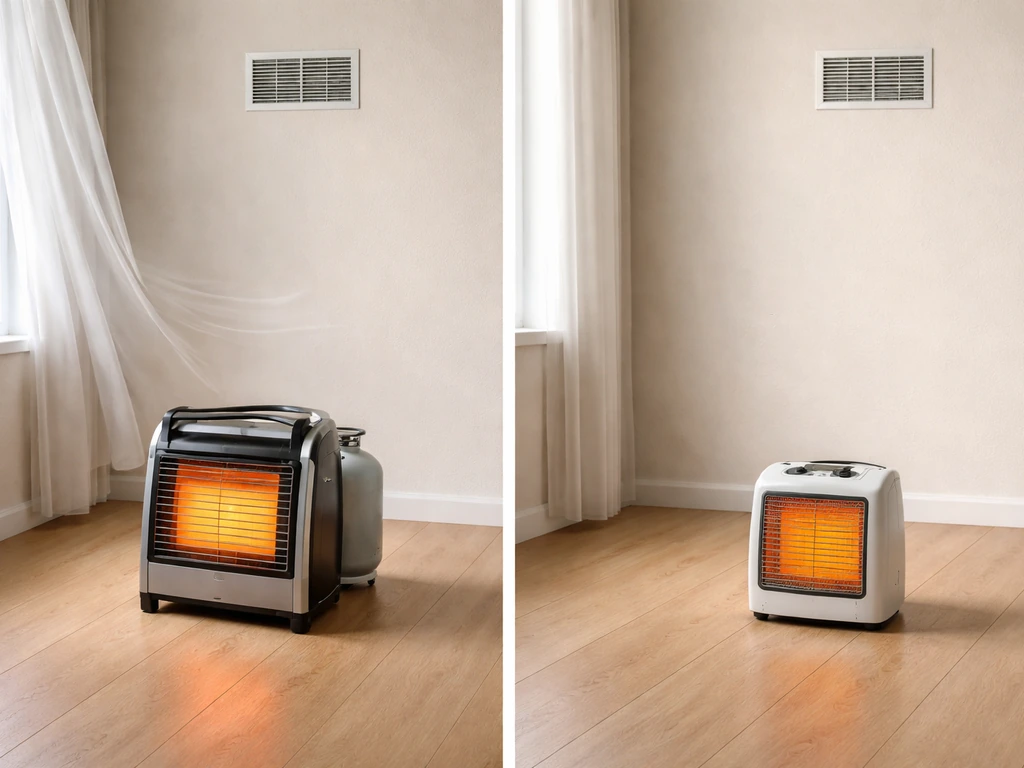
Carbon monoxide is the most serious safety difference between these two heater types. Propane combustion produces CO as a byproduct, and the CPSC has documented deaths from portable fuel-burning heaters used in enclosed or semi-enclosed spaces. Even outdoor-rated propane heaters can build up dangerous CO levels quickly in a covered or partially enclosed patio, screened-in porch, or garage. NC Agriculture notes that propane heaters specified for outdoor use can cause a more rapid build-up of carbon monoxide than one rated for indoor use, reinforcing that combustion products are the main CO exposure risk pathway propane heaters can cause a more rapid build-up of carbon monoxide than indoor-rated units. The Seattle Fire Department and the UAF Cooperative Extension both explicitly warn that proper ventilation is essential when using propane heaters near any structure. If your "patio" has three walls and a roof, be very cautious with propane.
Electric heaters produce zero combustion byproducts. There is no CO risk from an electric resistance or infrared heater. This makes them the only reasonable choice for enclosed or semi-enclosed outdoor spaces. The safety risks with electric heaters are electrical in nature: overloaded circuits, damaged cords, and tip-over incidents. Most quality electric patio heaters include automatic tip-over shutoff (a legally required feature on UL-listed units), and an 8-hour timer prevents the heater from running all night unattended.
Propane heaters carry fire and explosion risk in addition to CO. The tanks themselves are pressurized, and a faulty regulator, damaged hose, or leak near an ignition source is genuinely dangerous. Always inspect hoses and connections before each use, keep the area around the heater clear of furniture cushions and umbrellas, and follow the manufacturer's clearance minimums (typically 2–3 feet on the sides and 3 feet overhead for a standard mushroom heater). Wind can also blow out the pilot flame on a propane heater without triggering the shutoff, allowing unburned gas to escape briefly before the safety valve closes. Modern heaters include ODS (Oxygen Depletion Sensor) and pilot shutoff systems, but check that any unit you buy has these features documented.
- Propane: always use outdoors or in fully open areas; never in enclosed patios, screened porches, or garages
- Electric: use UL-listed units only; confirm the circuit amperage matches the heater's draw before plugging in
- Both types: maintain minimum clearances from combustibles (fabric, wood, umbrellas, plants)
- Propane: inspect hose and regulator connections at the start of each season; replace if cracked or brittle
- Electric wall-mount: have a licensed electrician install any hardwired 240V unit
- Propane: store tanks upright outdoors, away from heat sources; never store indoors or in a garage
Which one should you actually buy
Here's the direct recommendation based on the scenarios I see most often. If you have a small-to-medium covered or semi-enclosed patio, a nearby outdoor outlet, and you want easy, cost-effective heat for two to six people: get an electric infrared heater. The instant warmth, low operating cost, zero CO risk, and remote-control convenience make it the clear winner for this setup. A 1,500W unit in the $80–$150 range is plenty for most residential situations, and a 3,000W commercial IR unit handles a larger covered deck for under $300.
If you have a large open or uncovered patio, no convenient outdoor outlet, or you need heat in genuinely cold conditions (below 25°F with wind), go propane. The higher BTU output and total portability justify the higher operating cost and added maintenance. A 40,000 BTU mushroom heater in the $150–$300 range will heat a large open gathering space in a way that no single residential electric unit can match.
For restaurant and bar patios where heaters run multiple hours every night: the long-term math almost always favors hardwired electric infrared, despite the higher upfront installation cost. Commercial-grade electric IR systems from brands like Infratech are built for exactly this use case, and the savings on propane over a full season are substantial.
| Your situation | Best choice | Why |
|---|---|---|
| Small covered patio, outlet nearby | Electric infrared | Low cost, safe, instant warmth, easy controls |
| Large open deck, no outlet | Propane | Higher BTU output, fully portable, no wiring needed |
| Semi-enclosed patio or screened porch | Electric infrared only | Zero CO risk; propane is unsafe in this setting |
| Cold climate, below 25°F regular use | Propane (or high-wattage electric IR) | Propane handles extreme cold more reliably |
| Restaurant or bar patio, nightly use | Hardwired electric IR | Lower operating cost over time, no fuel logistics |
| Tailgating, camping, mobile use | Propane | No power source needed, fully portable |
| Budget-constrained, low-frequency use | Electric (plug-in) | Lower upfront cost, cheapest hourly running cost |
One last thing: if you're drawn to the open-flame aesthetic and warmth of a propane setup but want something beyond a standard mushroom heater, it's worth comparing propane heaters against fire tables and fire pits, which serve a different but overlapping role. fire tables and fire pits, which serve a different but overlapping role patio fire table alternatives. If you're deciding between a fire pit and a patio heater, you'll want to compare heat output, smoke or fuel management, and how well each option works in wind fire tables and fire pits. And if you're comparing propane against a gas line instead of a tank, the infrared vs gas patio heater comparison covers that ground in detail. The core tradeoff between electric and propane stays consistent across all these formats: convenience and safety tip toward electric, raw output and portability tip toward propane. Pellet patio heaters typically fall under electric or pellet-fuel heating comparisons, so it helps to understand how propane mushroom heaters differ in BTUs, coverage, and safety pellet patio heater vs propane.
FAQ
Do I need special outlets or weatherproofing for an electric patio heater?
Most electric patio heaters are rated for outdoor wet locations only if the housing, cord, and plug are marked accordingly (for example, “wet location” and an appropriate IP rating). If your outlet is not GFCI-protected and weatherproof, use an outdoor-rated, GFCI-protected connection, or you may increase shock risk even with a UL-listed heater.
Can I use a propane patio heater under a roof or pergola?
A propane heater is still unsafe in enclosed or semi-enclosed spaces, even if the unit is “outdoor rated.” CO can rise faster than you expect under roofs, pergolas, wind-blocked corners, and screened porches. If you cannot maintain open airflow on all sides, electric is the safer choice.
What happens if I plug in more than one electric patio heater at a time?
Yes, but plan around circuit limits. If you run multiple electric heaters, their combined wattage must stay within the breaker and outlet rating (and ideally you should avoid running near the maximum continuously). Using one 2,000W+ unit on a shared circuit can trip breakers, while propane keeps heat output independent of household wiring.
Will electric infrared heat make the air warmer, or just feel warmer?
Electric IR can feel much warmer at lower temperatures because it heats people and surfaces directly, but it does not raise the ambient air temperature. If your goal is to make a room-like area comfortable when people are not directly in the beam, propane (more BTUs) or multiple electric units aimed at guests may be more effective.
How do I estimate how much propane I will need for an evening?
For propane, you typically want a tank size and burner capacity that match your event duration, because “tank swaps” are the main disruption. Many people underestimate how quickly 40,000 BTU output drains a standard 20-lb tank, especially in wind or colder nights, so consider a larger tank or a second tank before you start.
Are all infrared patio heaters safe compared to propane?
Not always, and you should not assume “infrared” means electric. Some propane mushroom heaters emit infrared from their burner screens, but they still produce combustion byproducts and require outdoor ventilation. Confirm whether the model is electrically heated IR or a gas-fired infrared emitter before choosing based on CO concerns.
How much does wind reduce electric infrared heating compared to propane?
Electric heaters can reduce comfort loss in wind, but mounting height and aiming still matter. Overhead-mounted units can work well for seated areas, while low-mounted units may lose radiant coverage as people shift. If the breeze is strong, consider multiple smaller heaters aimed at the seating zone rather than one unit.
What are the most important propane checks before lighting it?
With propane, inspect the hose, regulator, and connections for cracks, stiffness, or bubbles before each use. If you smell gas, do not ignite, shut off the valve, and troubleshoot away from ignition sources. If the pilot repeatedly struggles to catch in cold weather, warming the regulator and checking the assembly is often necessary.
How should I think about coverage area when heater placement is imperfect?
Yes. Both types have different “coverage” patterns, and coverage claims often assume calm conditions and close proximity. A practical approach is to map your seating positions, then choose an output level that reaches the people directly, because walls and umbrellas can block radiant heat.
What electrical safety mistakes happen most often with outdoor electric heaters?
Most electric safety systems are designed to prevent common mishaps, such as tip-over shutoff, but they do not eliminate the need for safe cord management. Keep cords off walkways, use the correct gauge for outdoor use, and avoid running power through doors or under rugs, since that can cause damage and tripping.
Next Articles
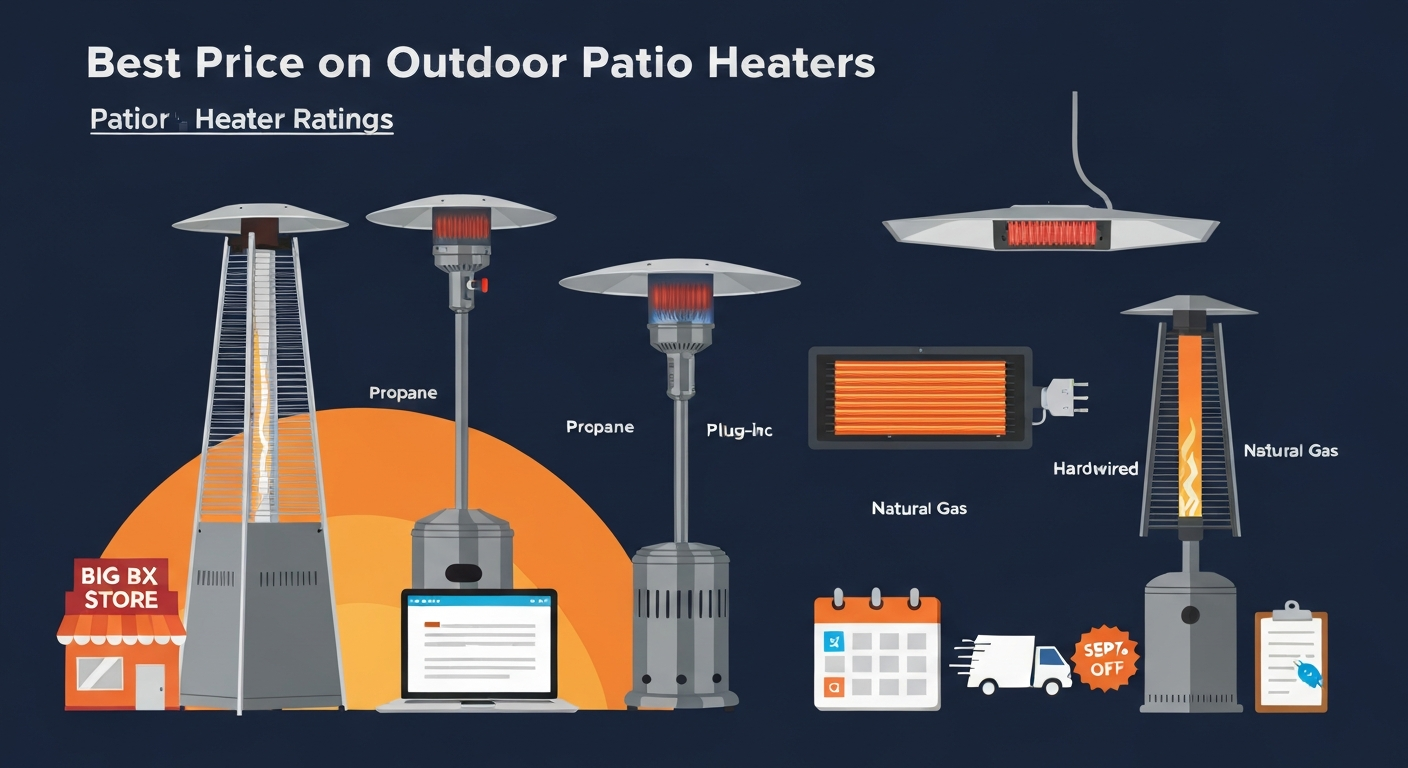
Best Price on Outdoor Patio Heaters: Compare Costs & Deals
Score the best price on outdoor patio heaters, price ranges, top picks, deal tactics, total-cost & safety checklist.
Where Can I Rent Patio Heaters Near Me Today
Find where to rent patio heaters near you today, choose the right fuel type, compare costs, and book safely.
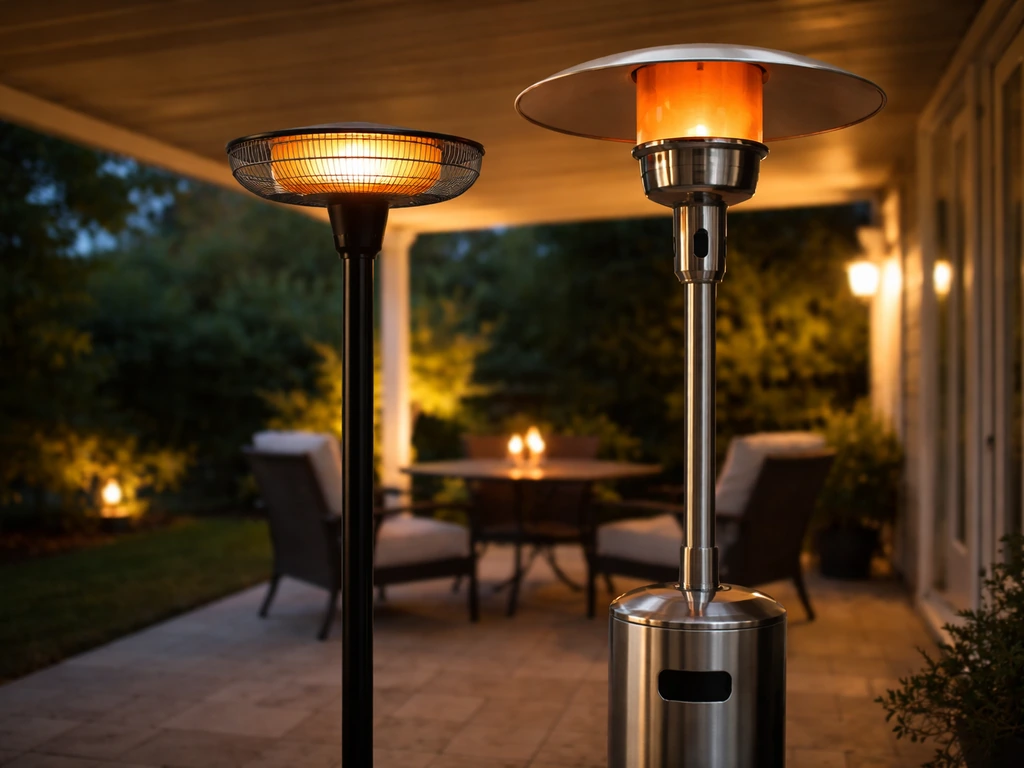
Where to Buy a Patio Heater: Best Places and Types
Where to buy a patio heater now, plus electric vs gas vs propane tips, safety checks, and size/BTU buying checklist.