
You can rent patio heaters from local party and event rental companies, outdoor living dealers, some hardware store rental programs (like Home Depot Tool Rental), and specialty HVAC or patio equipment suppliers. For most people, a quick Google search for "patio heater rental near me" or "outdoor heater rental [your city]" will surface the fastest options. If you need a unit this week, call local event rental companies first, they almost always carry propane mushroom-style heaters and can often deliver same-day or next-day.
Where Can I Rent Patio Heaters Near Me Today

Caleb Vale
29 Jun 2026
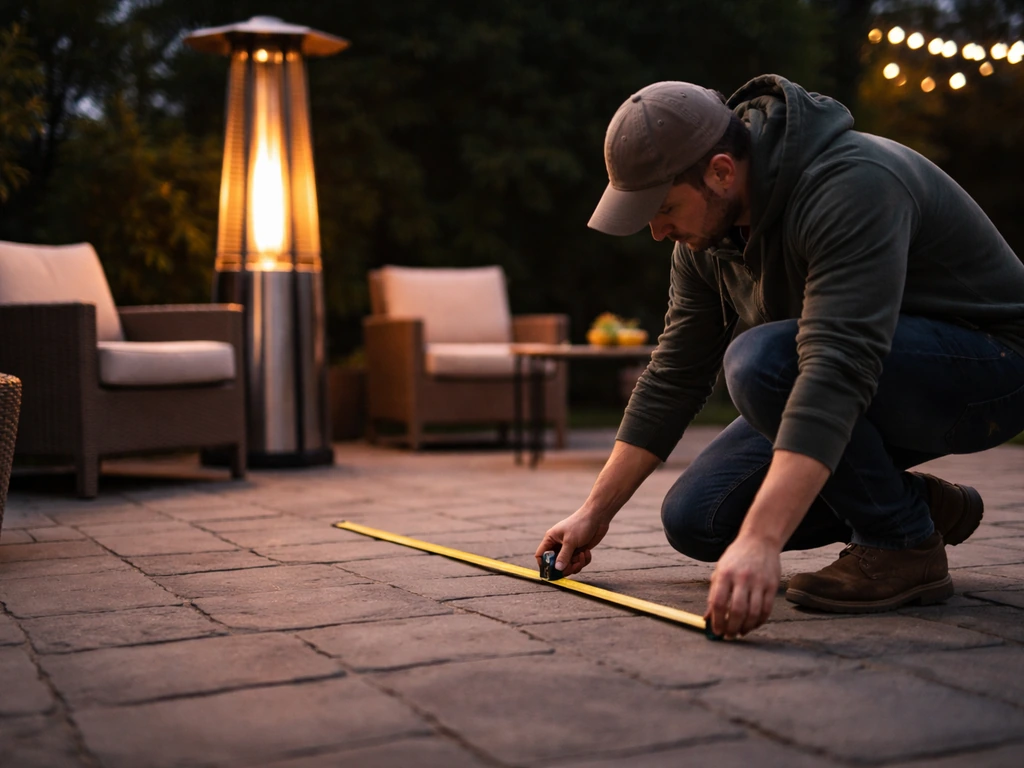
Pick the right heater type before you call anyone
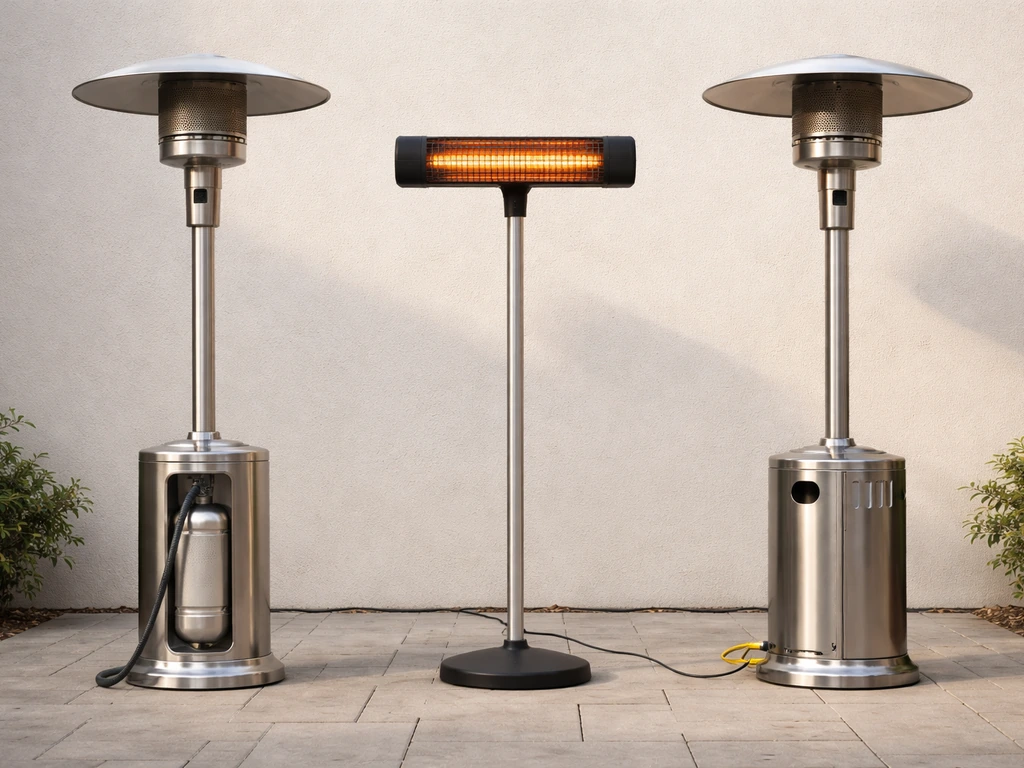
Rental companies don't carry every heater type, so knowing what you actually need saves you a lot of back-and-forth. Here's how the main types break down for rentals:
| Heater Type | Best For Rentals? | Typical BTU/Wattage | Fuel/Power Needed | Common Rental Use Case |
|---|---|---|---|---|
| Propane (freestanding mushroom) | Yes — most widely available | 40,000–48,000 BTU | 20 lb propane tank (often included) | Outdoor events, patios, weddings, restaurants |
| Electric (infrared tower or wall-mount) | Available from specialty rentals | 1,500–5,000W (5,100–17,000 BTU equiv.) | 120V or 240V outlet with GFCI | Covered patios, enclosed spaces, markets |
| Natural gas (pipe-connected) | Rare — mostly via HVAC contractors | 30,000–100,000 BTU | Existing gas line required | Long-term commercial/restaurant installs |
| Infrared (electric or gas) | Growing availability | 1,500–6,000W or 30,000–50,000 BTU | Electric outlet or propane/natural gas | Targeted directional heat, low wind areas |
| Pellet | Almost never rented | N/A | Wood pellets | Not practical for short-term rental |
For most one-off events or short-term patio needs, propane freestanding heaters are your default choice, they're portable, fuel-included in most rental packages, and require no electrical hookup. Electric infrared units are a strong second option if you have a covered patio with a nearby 120V GFCI outlet, and they produce zero combustion emissions, which matters in semi-enclosed setups. Natural gas heaters are rarely available as short-term rentals because they require a permanent gas line connection; if you need one for a longer commercial installation, you're more likely talking to an HVAC or plumbing contractor. Pellet heaters don't appear in the rental market in any meaningful way, skip that option entirely.
Where to actually rent patio heaters
There are five main places to look, and which one works best depends on your timeline, event size, and heater type.
Party and event rental companies
This is the number-one source for most people. Companies like PSSL Event Rentals, local AV/tent rental outfits, or regional event supply businesses stock propane mushroom heaters in bulk specifically for outdoor events. They handle delivery, pickup, and often include the propane tank in the daily rate. Expect to pay roughly $40–$80 per heater per day, with multi-day discounts common. Search "party rental" or "event rental" in your city, then ask specifically about outdoor or patio heaters.
Hardware and home improvement store rental programs
Home Depot operates a Tool and Equipment Rental program at many of its store locations, and some branches carry outdoor heaters, especially in cooler climates during fall and winter. Sunbelt Rentals and United Rentals (which have locations across the U.S.) occasionally stock outdoor heating equipment for contractors and commercial jobs. Availability varies significantly by region and season, so call ahead before driving over. If you want a quick way to compare options and pricing, start by checking where to buy fire sense patio heaters from local stores and reliable online sellers.
Outdoor living and patio furniture dealers
Some patio specialty retailers offer loaner or short-term rental programs, particularly if you're an existing customer or considering a purchase. This is less common but worth asking about, especially for higher-end infrared or electric models you might want to test before buying. If you're on the fence between renting and buying (more on that below), this path can double as a product demo.
HVAC and plumbing contractors
If you specifically need a natural gas patio heater for a restaurant, food truck setup, or commercial patio that already has a gas line, HVAC and plumbing contractors are the right call. They won't typically advertise "heater rental" but many will install a temporary unit as part of a service contract. Expect higher costs and longer lead times since installation is involved.
Online rental marketplaces
Platforms like Sharegrid, Fat Llama, and even local Facebook Marketplace listings sometimes feature patio heater rentals from small businesses or individuals. These are best for budget-conscious renters in major metro areas. Vet the equipment condition carefully, ask for photos and confirm whether the propane tank is included and recently inspected.
How to find rentals near you fast
Start with these specific Google searches and tweak them to your situation:
- "patio heater rental near me" — broadest, best for discovery
- "outdoor heater rental [your city or zip code]" — narrows to local suppliers
- "event heater rental [city]" — targets party rental companies specifically
- "propane heater rental [city]" — if you know propane is what you need
- "outdoor heating equipment rental" — catches HVAC and commercial suppliers
When you find a potential vendor, filter quickly by asking three things on your first call: Do they have the quantity you need available on your date? Does delivery and pickup come with the rental? And is fuel (propane) or a power connection required on your end? Those three questions will eliminate most mismatches before you go further.
Rental vs. buying: which actually makes more sense for you
If you need heat for one event or a handful of weekends a year, renting almost always wins on cost. If you're running a restaurant patio or using a heater 20+ times a season, buying pays off fast. To make the process easier, compare the best place to buy patio heaters based on your heater type, fuel source, and budget before you decide between rental and purchase. Here's how the numbers tend to shake out:
| Factor | Renting | Buying |
|---|---|---|
| Upfront cost | $0 (deposit only, typically $50–$200 refundable) | $150–$800+ depending on type and quality |
| Per-use cost (1–2 days) | $40–$120/day including fuel and delivery | Amortized over life of unit — very low per use at high frequency |
| Fuel/power | Often included in rental package | Your ongoing cost — propane ~$20–$30/refill |
| Maintenance | Vendor's responsibility | Yours — cleaning, igniter replacement, cover storage |
| Storage | Not your problem | Need covered, dry space year-round |
| Flexibility | Rent different types for different events | Locked into one model and fuel type |
| Break-even point (approx.) | Renting wins under ~8–10 uses/year | Buying wins over ~10–12 uses/year |
For homeowners throwing a handful of dinner parties or a single wedding, renting a couple of propane mushroom heaters is the easy call. For a restaurant or bar adding patio seating for the season, buying will almost always be cheaper by the second month of operation. If you're in between, checking out the best prices on outdoor patio heaters before committing to a rental contract can be worth 15 minutes of research, you might find a mid-range unit that pays for itself after just a few weekends. Comparing options early can help you find the best price on outdoor patio heaters for your exact setup and timeline.
Delivery, setup, and fuel or power logistics
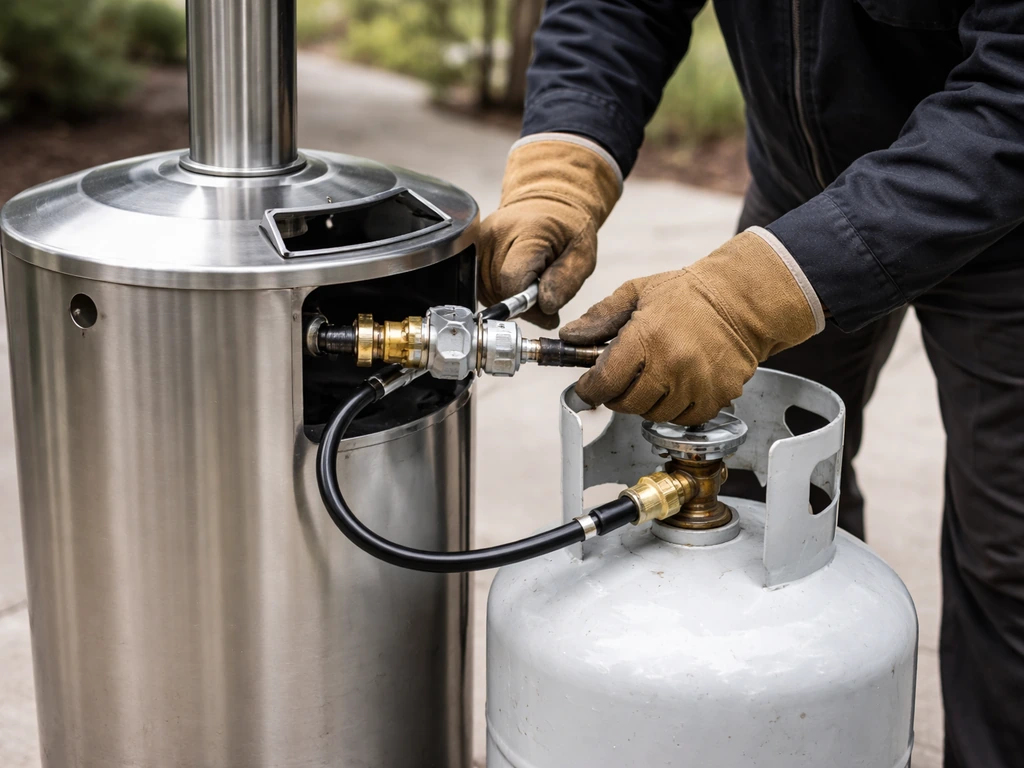
Most propane rental heaters arrive pre-assembled and only need the tank attached and the igniter tested. That said, there are real logistics to sort out before the rental shows up.
Propane heater logistics
Standard 20 lb propane tanks power most rental mushroom heaters for roughly 8–10 hours at full output. If your event runs longer or you're running multiple units, ask whether the rental company provides extra tanks or a tank swap service. Confirm who is responsible for propane: some vendors include one full tank per heater in the rate, others charge separately. You'll want to know the regulator hose connection type ahead of time, most use a standard Type 1 (ACME) connection, but always verify.
Electric heater logistics
Electric rental heaters typically draw 1,500–5,000 watts, so check your outlet capacity before the unit arrives. Most 120V circuits run on 15A or 20A breakers, a 1,500W unit draws about 12.5A, which is fine on a 15A circuit, but a 5,000W unit needs a dedicated 240V circuit. Critically, any outdoor electric heater should be plugged into a GFCI-protected outlet. If you're running an extension cord, use one rated for outdoor/wet locations, GFCI protection is specifically required for cord-and-plug equipment used in damp or wet outdoor environments, per electrical safety guidelines.
Delivery and removal
Confirm the delivery window in writing and make sure someone is on-site to receive and sign off on the equipment condition. Take photos of the unit on arrival, scratches or pre-existing damage noted up front protect your deposit. Removal is usually scheduled at the end of your rental window; confirm whether that's a fixed pickup or an on-request call.
Safety rules you need to follow with rented heaters
Rental heaters are usually well-maintained, but you're still responsible for safe operation during your rental period. blank" rel="noopener noreferrer">The NFPA's Outdoor Heater Safety guidance and CPSC carbon monoxide resources both flag the same core risks: combustion byproducts in enclosed spaces, tip-over hazards, and inadequate clearances from flammable materials.
Clearances and placement
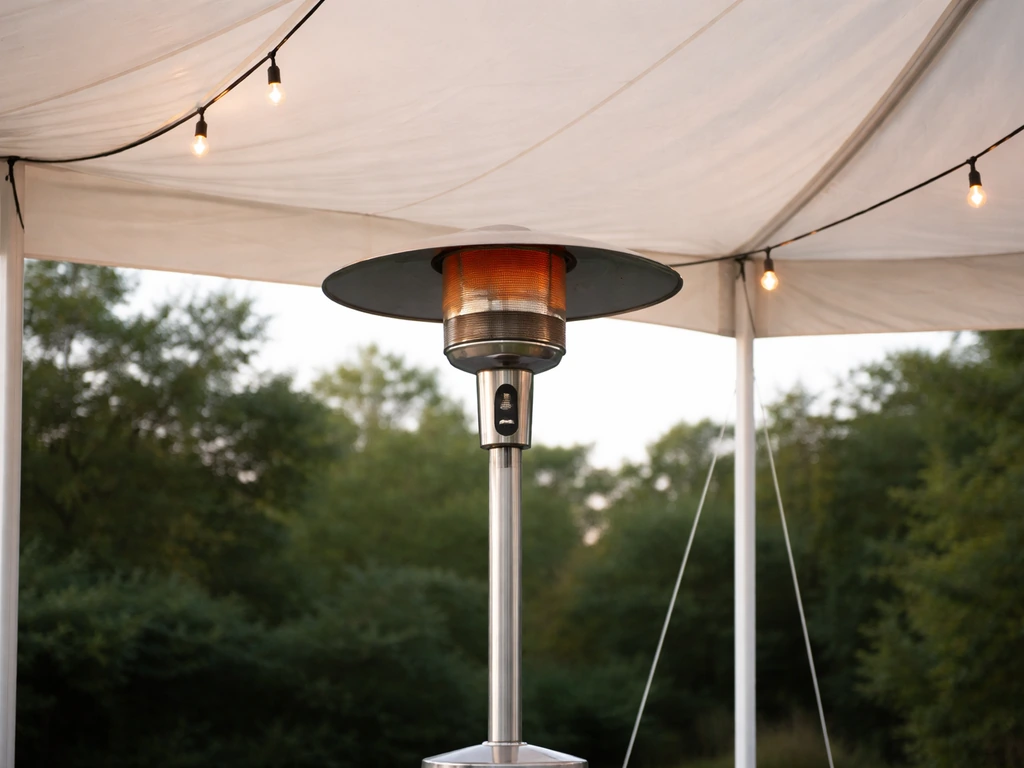
Most freestanding propane heaters require a minimum of 24–36 inches of clearance from any overhead obstruction (tents, pergola roofs, string lights, umbrellas) and similar clearance from side walls or furniture. Check the specific model's manual, the rental vendor should provide this. On uneven or soft ground (grass, gravel, sand), use a flat base board under the heater to prevent tipping. Never place a freestanding heater near a doorway, walkway, or high-traffic area where it can be bumped.
Ventilation and CO risk
Propane and natural gas heaters produce carbon monoxide. The CPSC is explicit: portable combustion heaters should never be used inside an enclosed or semi-enclosed space without adequate ventilation. Under a fully open tent is generally acceptable; inside a screened porch or garage is not. If your event involves a tent with low clearance or side walls, shift to electric infrared rentals instead. CO poisoning can occur without any warning symptoms until it's a medical emergency.
Weather considerations
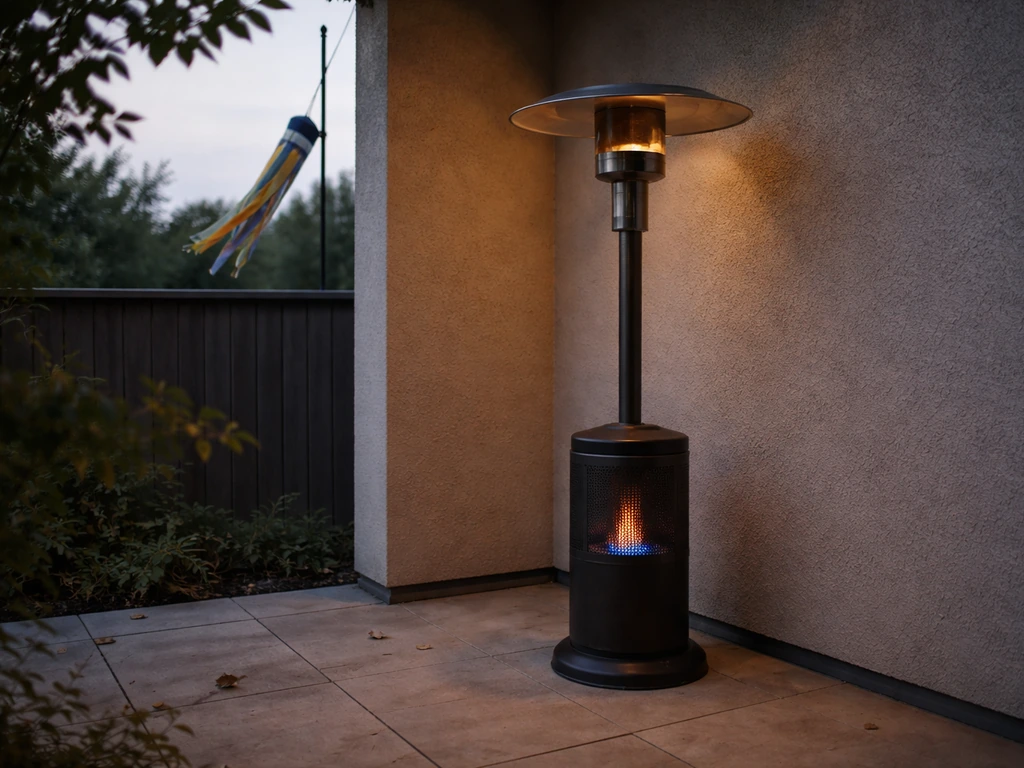
Most propane mushroom heaters are rated for outdoor use but not high winds. Above 15–20 mph wind, the pilot may not hold and heat output drops sharply. Operate electric heaters only in dry conditions unless the unit is specifically rated for wet/rain environments, check the IP rating (IP44 or higher is suitable for rain exposure). If severe weather is forecast during your rental window, plan for early pickup or secured storage.
Stability and tip-over safety
Freestanding tall-pole heaters are top-heavy by design. Fill the base with water or sand if the unit has a ballast reservoir, and keep children and pets away from the perimeter. Some rental units include anti-tip safety switches that cut off gas flow if the heater is knocked over, ask whether the model you're renting has one, because not all do.
Questions to ask before you book
Run through this checklist before committing to any rental. A vendor that can't answer these questions clearly is a vendor worth skipping.
- What is the BTU output (for gas/propane) or wattage (for electric), and what square footage of outdoor space will one unit realistically heat?
- Does the rental include the propane tank, regulator hose, and all necessary connections — or are those extra?
- For electric units: what outlet type and amperage is required, and is GFCI protection built in or do I need to provide it?
- Does the heater have adjustable heat settings or a thermostat, or is it single-output only?
- Is the unit rated for wet/rain conditions, and what wind speed range can it operate in reliably?
- What are the exact clearance requirements from overhead and side surfaces for the specific model being rented?
- Does the heater have an auto tip-over shutoff, and has the unit been recently serviced and tested?
- What is the full cost breakdown: daily rate, delivery fee, pickup fee, fuel charge, deposit amount, and deposit refund process?
- What is the cancellation and refund policy if weather cancels the event or the heater fails on-site?
- If the heater malfunctions during my event, what is the vendor's response time and replacement process?
Getting clear answers to all ten of these before you hand over a deposit separates a smooth rental experience from a stressful one. If you're still weighing whether to rent or just buy a unit outright, looking into where to buy patio heaters or what the best place to buy patio heaters is for your budget and heater type can give you enough context to make the call confidently.
FAQ
Does the rental price include the propane tank, or do I have to buy it separately?
Many rentals are either “propane included” (a tank is included for the rental term) or “fuel separate” (you buy propane locally). Before paying, ask whether they provide a fresh inspected tank at delivery, whether they swap empty tanks during your rental window, and what the exact exchange policy is if you run out early.
How do I know if my patio outlets can handle an electric patio heater rental?
If you plan to use an electric patio heater at an event, bring the heater’s wattage and power needs to your first call with the vendor. Ask for the exact plug type, whether it requires a 240V outlet, and whether they allow extension cords. If extension cords are allowed, they should specify outdoor-rated, properly sized cord and that GFCI protection is used.
Can I rent a patio heater for a covered patio or screened porch?
Electric infrared heaters can be safer for semi-enclosed areas, but you still need space and airflow. Ask the vendor whether the unit is rated for covered or partially screened patios, what the minimum clearance is from walls or overhead, and whether there are any restrictions during rain or high humidity based on the unit’s weather rating.
What setup will I need to do on arrival for a propane mushroom patio heater?
For propane units, ask about the regulator and hose setup, and confirm whether the heater is delivered “ready to fire” (tank attached and igniter tested) or if you must do any assembly at the site. Also ask whether they provide a spare regulator/hose or basic replacement parts if something doesn’t connect properly.
What should I confirm about delivery and pickup timing and access?
Rental companies typically include delivery and pickup in their standard terms, but it may depend on distance, time window, and whether the item must be removed from a gated area. Ask for the exact delivery window, whether a parking or access fee applies, and what happens if no one is available to sign for or inspect the heater on arrival.
How much clearance do I need from a tent, pergola, or overhead cover for the heater I’m renting?
Don’t rely on general rules for clearance. Ask for the model number and the manufacturer’s minimum clearance specs, then measure from the heater to overhead materials (tent tops, pergolas, string lights) and to side obstructions. If your setup includes umbrellas or leaning furniture, request guidance on safe placement for that specific layout.
If my event is partially enclosed, how do I choose between propane and electric rentals?
The safest decision tool is to match fuel type to enclosure level and ventilation. If your event is inside a tent with low sidewalls, ask whether they have electric infrared alternatives for that exact environment, and whether propane should be avoided for your tent configuration. If you can’t get a clear recommendation, skip that vendor.
How do I protect myself if the heater shows up damaged or missing parts?
Yes, some rentals can be inspected at arrival, but you should still document condition immediately. Take wide and close photos of the heater and tank area, note any dents or missing parts in writing, and confirm your deposit return terms. If damage is discovered later, many vendors will ask whether it was documented at delivery.
What happens if weather changes mid-event, wind picks up, or I need early pickup?
Common exclusions include “no operation if wind exceeds a threshold,” and “no indoor use,” but vendors vary on enforcement. Ask specifically: what wind speed is the unit rated for in their rental guidelines, whether they have a secured-storage process for storms, and whether early pickup triggers any extra fees.
I need a natural gas patio heater, can I rent one like propane, or do I need an installer?
For natural gas, availability is usually tied to a planned installation, so many contractors will set up the temporary heating as part of a service rather than a traditional rental. Ask whether they can provide a heater sized for your patio, what the permitting or hookup requirements are, and whether they offer a temporary connection that can be removed after service ends.
Next Articles
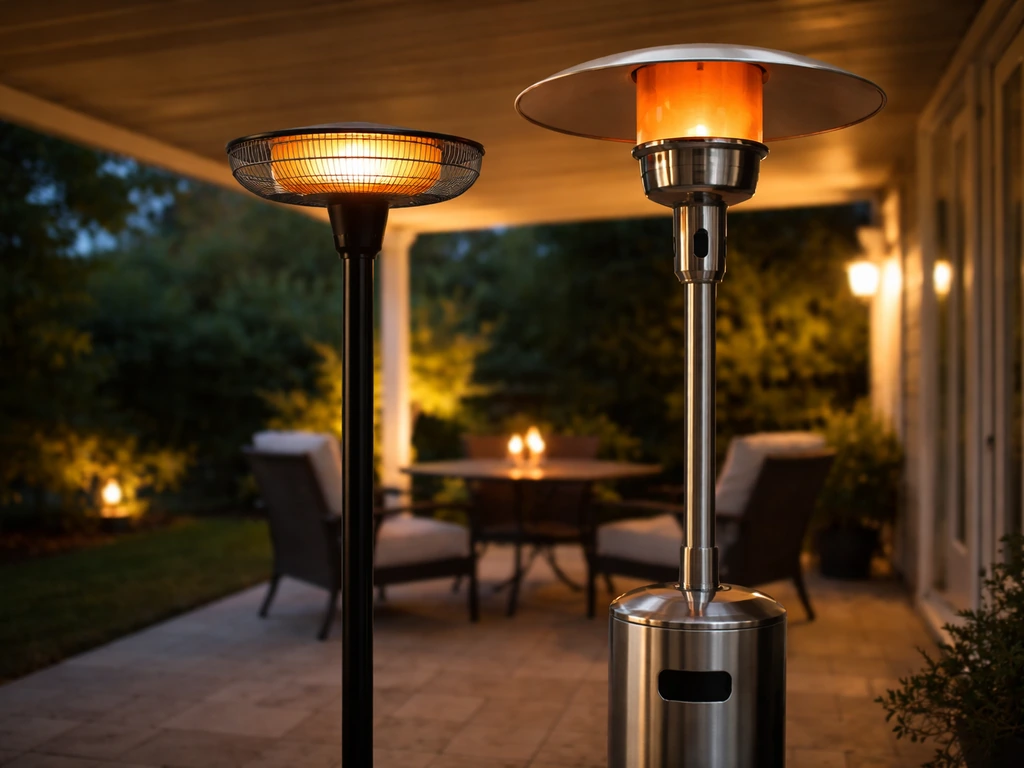
Where to Buy a Patio Heater: Best Places and Types
Where to buy a patio heater now, plus electric vs gas vs propane tips, safety checks, and size/BTU buying checklist.
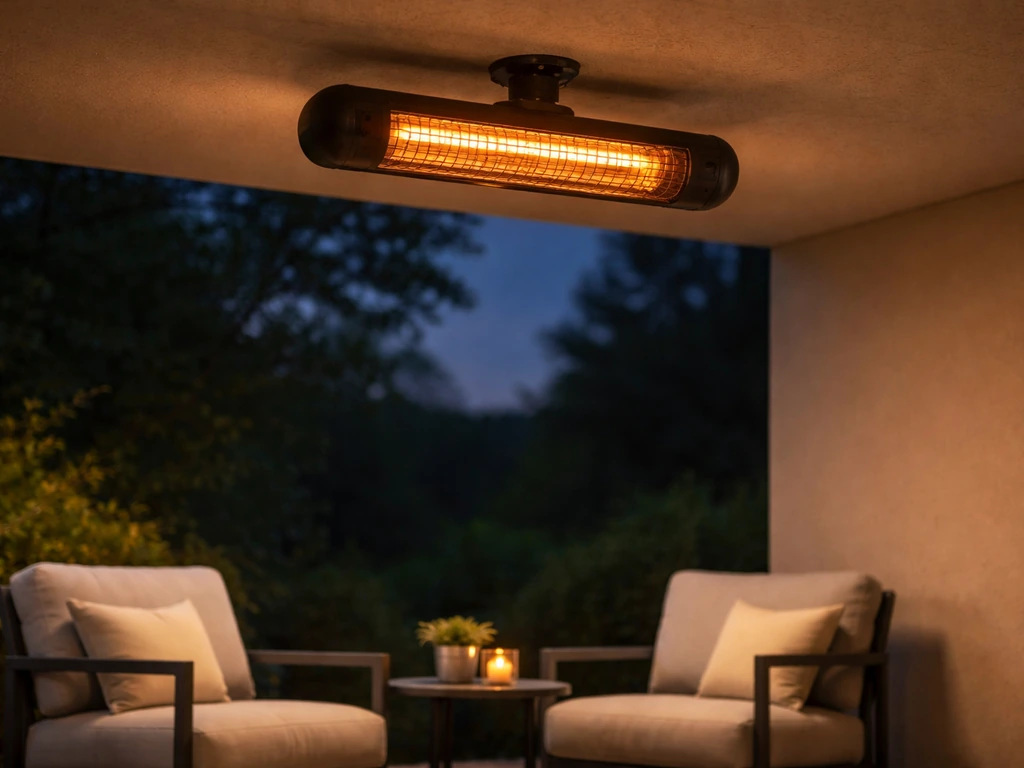
Best Ceiling Heaters for Outdoor Patio: Buy Guide & Picks
Compare propane, electric, gas and IR ceiling patio heaters with picks, specs, installation steps and safety checklist.
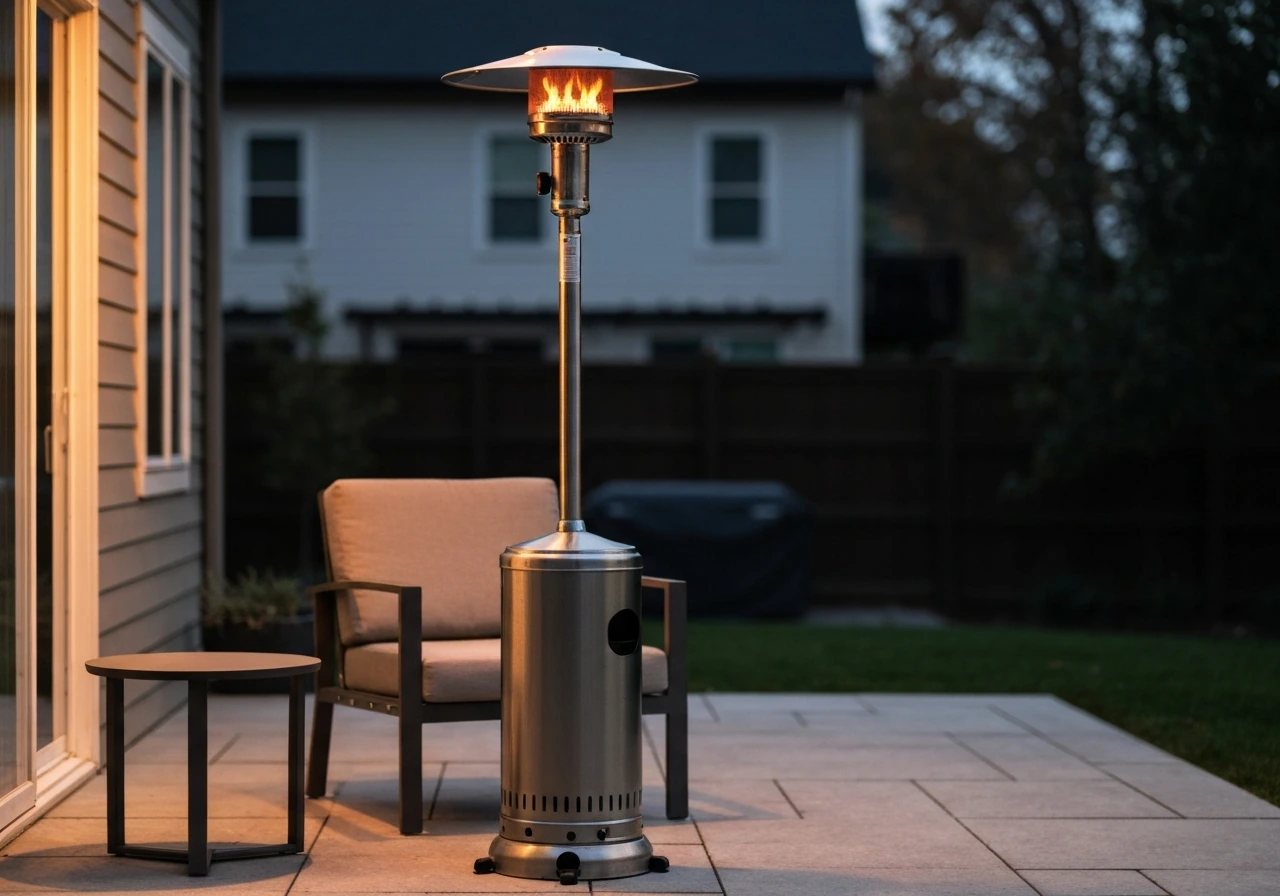
Best Outdoor Heater for Patio: Types, Costs, and Picks
Compare propane, electric, natural gas, infrared, and pellet patio heaters with costs, coverage, and best-pick tips.