
For most homeowners, a propane tower heater in the 40,000–46,000 BTU range is the best outdoor patio heater you can buy. It delivers serious heat, works on any open or semi-covered patio without any installation, and costs less upfront than a natural gas setup.
Best Outdoor Heater for Patio: Types, Costs, and Picks

Caleb Vale
17 May 2026
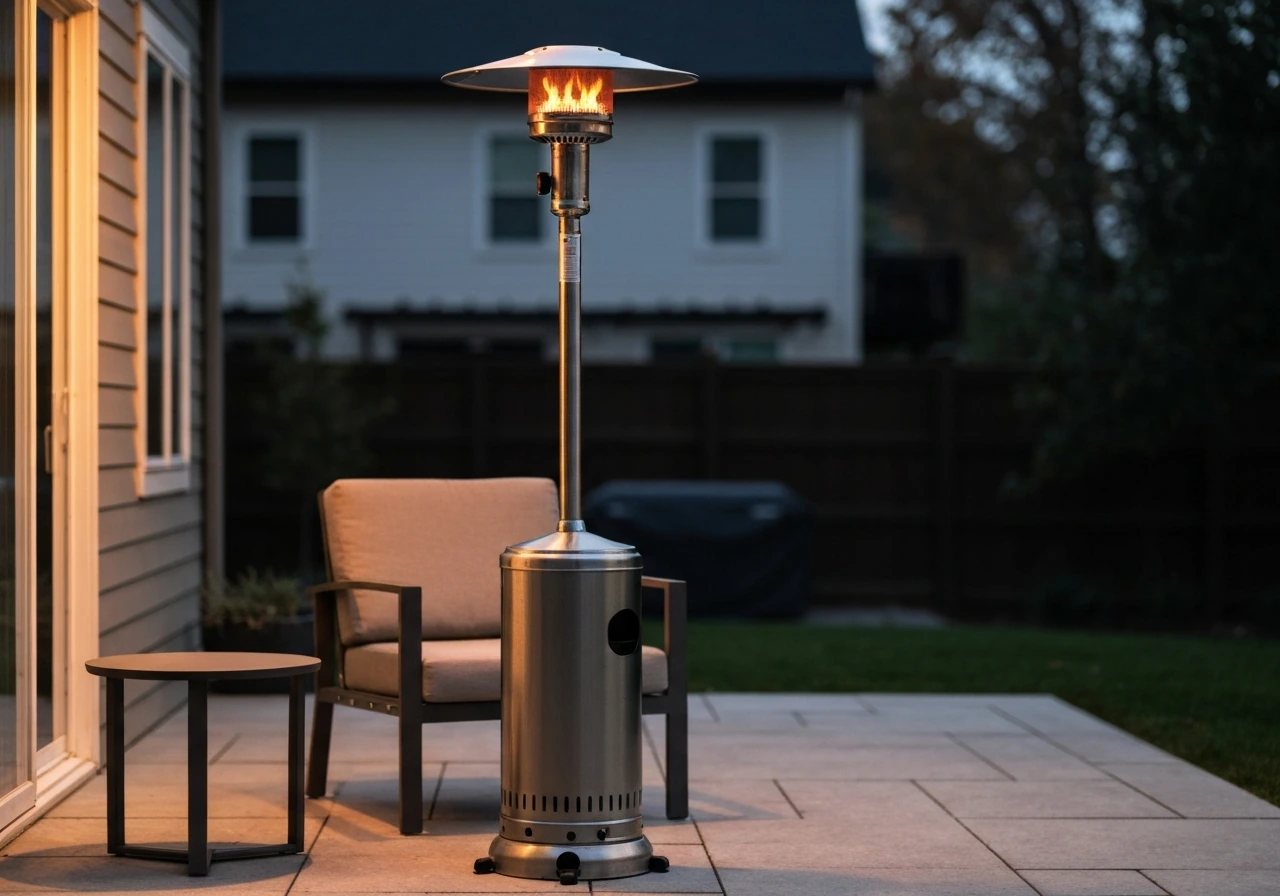
The AZ Patio Heaters 46,000 BTU propane tower is the specific model most people should start with: it covers a typical patio well, runs about 10–12 hours on a standard 20 lb tank, and gives you the flexibility to move it wherever you need it. That said, if your patio is covered, breezy, or you want zero-hassle operation, an electric infrared heater is a genuinely better fit.
The right answer depends on your space, and this guide will get you there fast.
Match the heater to your patio size and wind exposure first
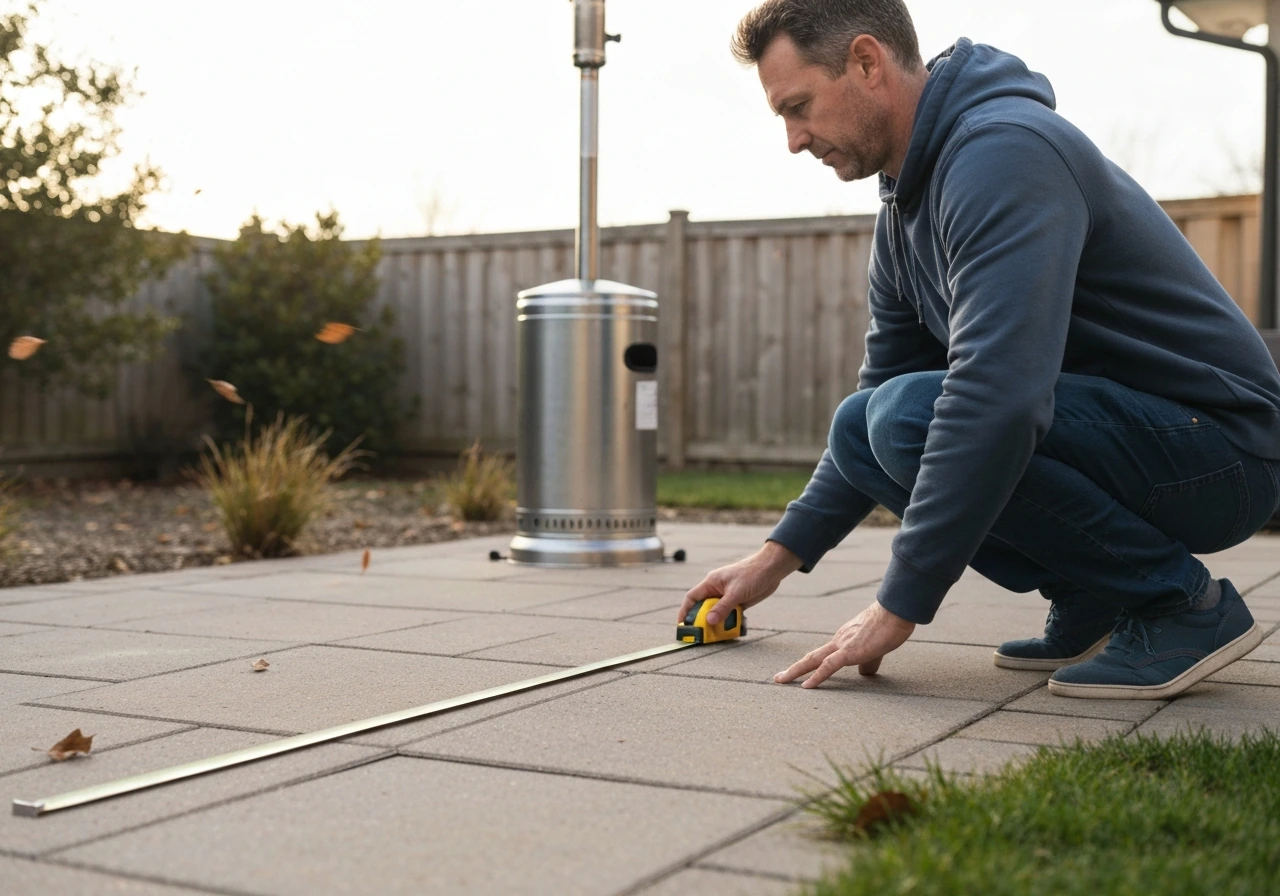
Before you look at a single product, take three quick measurements: your patio's square footage, whether it's open or covered, and how windy it gets. These three factors determine your heater type before anything else.
On square footage: a practical rule of thumb is one heater per 100–200 sq ft depending on BTU output and your climate. A 46,000 BTU propane tower comfortably handles a 150–200 sq ft open patio in mild-to-moderate weather. In a cold or consistently breezy climate, shrink that coverage estimate or plan on two heaters. Wind is the biggest efficiency killer outdoors. Research from heater sizing guidelines consistently recommends adding a windbreak (a fence, privacy screen, or wall) to stop direct wind from stripping heat away before it reaches people. If you can't add a windbreak, budget for about 1.5x more heating capacity than the square footage math alone suggests.
Ceiling height matters too, especially if you have a covered patio. A ceiling-mounted infrared heater at 8–10 ft delivers more consistent coverage across a seated area than a freestanding tower placed in one corner. If your covered patio has a ceiling, you have the option of fixed ceiling heaters, which free up floor space and direct radiant heat exactly where people sit. For small covered patios specifically, that setup is often the most efficient use of wattage. Open patios without any overhead structure are better served by portable propane towers or wall-mounted infrared panels.
| Patio Setup | Recommended Heater Type | Rough BTU/Watt Target |
|---|---|---|
| Open, 100–200 sq ft, mild climate | Propane tower | 40,000–46,000 BTU |
| Open, 200+ sq ft or windy | Multiple propane towers or natural gas fixed | 46,000+ BTU per zone |
| Covered, low-to-moderate wind | Electric infrared (ceiling or wall mount) | 1,500–4,000W |
| Covered, small patio under 150 sq ft | Electric infrared panel or ceiling heater | 900–1,500W |
| Open, very windy | Radiant infrared (electric or gas), with windbreak | Highest BTU/watt available |
Propane vs electric vs natural gas vs infrared vs pellet: real-world tradeoffs
Each heater type has a real use case where it wins. Here's an honest breakdown of what you actually get with each one.
Propane
Propane towers are the default choice for a reason. They put out serious heat (up to 46,000 BTU on mainstream models, with some reaching 66,000 BTU), require no installation, and are completely portable. You can move them to follow your guests, store them in winter, or take them to a different property. The tradeoff is fuel logistics: you're refilling or swapping 20 lb tanks, which costs roughly $20–25 per fill and lasts 10–12 hours at full output.
Operating cost runs around $0. 80 per hour or more depending on local propane prices. [Propane also ignites and delivers warmth within about 30 seconds](https://www. balioutdoors.
com/blogs/outdoor-heating/propane-vs-electric-patio-heater), which is fast but not as instant as radiant infrared. Best for: most open patios, people who want portability, and anyone not ready to commit to a fixed installation.
Electric infrared
Electric infrared heaters warm people and objects directly rather than heating the surrounding air. That distinction matters enormously outdoors: convection-based heat rises and disperses in the breeze, while radiant infrared travels in a line of sight to whoever is sitting in front of it. Wind doesn't steal the warmth the same way. Infrared also feels essentially instant when turned on because you're not waiting for the air to warm up.
A decent electric infrared model in the 1,500W range can cover up to 1,000 sq ft in claimed coverage (though real-world coverage in cold weather is smaller), and some units run at multiple watt levels (900/1,200/1,500W) so you can dial in comfort. The catch: you need a power outlet nearby, and for high-wattage fixed units, possibly a dedicated circuit. Best for: covered patios, breezy spaces, small patios where a ceiling or wall mount makes sense.
Natural gas
Natural gas heaters are the set-it-and-forget-it option for permanent installations. They connect directly to your home's gas line, so there's no tank to refill and no running out of fuel mid-party. Output is comparable to propane (up to 46,000+ BTU on most residential models), and operating costs are generally lower per BTU than propane in most markets.
The significant downside is installation: you need a gas line run to the patio, a licensed plumber or gas fitter to connect it, and the heater itself becomes a fixed fixture. That's an investment of several hundred dollars in installation alone before you buy the unit. Best for: homeowners who entertain frequently, want a permanent solution, and are willing to invest upfront for lower long-term operating costs.
Gas-fired infrared (radiant gas)
Some of the best commercial and high-end residential heaters combine gas fuel (propane or natural gas) with radiant infrared heat delivery, like the Bromic Tungsten and Platinum series. These wall- or ceiling-mounted units heat people rather than air, resist wind better than standard mushroom-style propane towers, and put out serious BTUs in a sleek, directional format. They're a step up in both cost and installation complexity, but if you're heating a restaurant patio or a high-use outdoor space, they're worth the investment. Best for: commercial spaces, large covered patios, and homeowners who want the best combination of heat output and wind resistance.
Pellet heaters
Pellet patio heaters are a niche product. They burn wood pellets and produce a campfire ambiance that some buyers love, but they come with real practical downsides: they require plenty of ventilation, need regular ash cleanup, and have combustible clearance requirements (roughly 3 feet from nearby surfaces). They're not a practical primary heat source for most patios. Best for: people who prioritize atmosphere over efficiency and have an open, well-ventilated space.
| Type | Heat Output | Wind Resistance | Operating Cost | Installation | Portability |
|---|---|---|---|---|---|
| Propane tower | High (40,000–66,000 BTU) | Moderate | ~$0.80+/hr | None | Fully portable |
| Electric infrared | Moderate (900–4,000W) | High (radiant) | Low-moderate | Outlet/circuit needed | Portable to fixed |
| Natural gas | High (40,000+ BTU) | Moderate | Low (per BTU) | Gas line required | Fixed |
| Gas infrared (radiant) | High (directional) | High (radiant) | Moderate | Gas line + mounting | Fixed |
| Pellet | Moderate | Low | Low (fuel cost) | Ventilation needed | Semi-portable |
What warmth actually feels like outdoors: coverage, heat style, and comfort
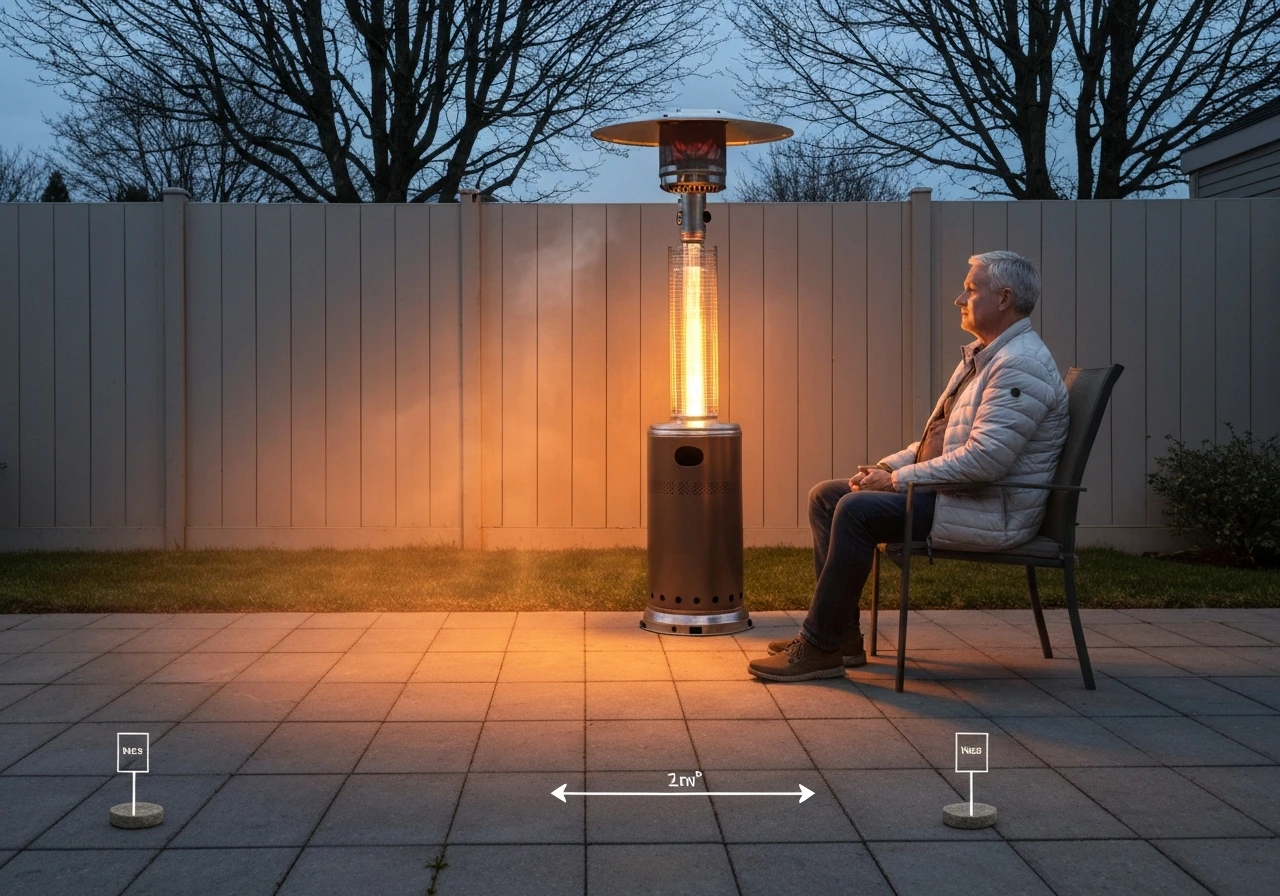
Coverage claims on the box are almost always optimistic. A 46,000 BTU propane tower might claim 300 sq ft of coverage, but in a cool, breezy evening, you'll feel it most within 6–10 feet of the unit. That's not a flaw in the product, it's just how outdoor heating works. Air heat disperses. Radiant infrared doesn't have the same problem: it warms whatever is in its line of sight regardless of air movement, which is why seated areas positioned 6–10 ft from an infrared heater feel consistently warm even when the air temperature is dropping.
Propane towers produce a mushroom of warm air rising from the top element. They work best in calm conditions when that warm air can drift down and around the patio. On windy nights, a significant portion of that heat blows away before anyone feels it. Electric infrared panels mounted overhead or at an angle direct radiant energy straight at the people below, the way sunlight warms you even on a cold day. This is why covered patio setups benefit so much from ceiling-mounted or wall-angled infrared units: the heat goes exactly where you want it.
For large open patios with multiple seating zones, a single heater is rarely enough. Think in zones: position one heater per 150–200 sq ft seating area and angle or place each one to minimize wind interference. If your patio has a dedicated dining zone and a lounge zone, those are two separate heating zones, each needs its own heater or panel.
Safety, setup, and installation: what you need to know before you fire it up
Outdoor heaters are safe when set up correctly, and genuinely dangerous when they're not. Here's what actually matters.
Propane heater safety
Place portable propane heaters out of foot traffic paths and at least 5 feet from building exits and combustible materials (walls, furniture, awnings). Most quality propane towers include a tip-over switch that shuts off gas flow if the unit tilts more than about 15 degrees from vertical, check that this feature is present before you buy. Never use a portable gas heater in a fully enclosed space. Partially covered patios with good airflow are fine; a sealed sunroom is not. The ANSI Z83.26/CSA 2.37 safety standard is the benchmark for gas-fired outdoor infrared patio heaters, so look for products that reference compliance with that standard.
Electric infrared heater safety
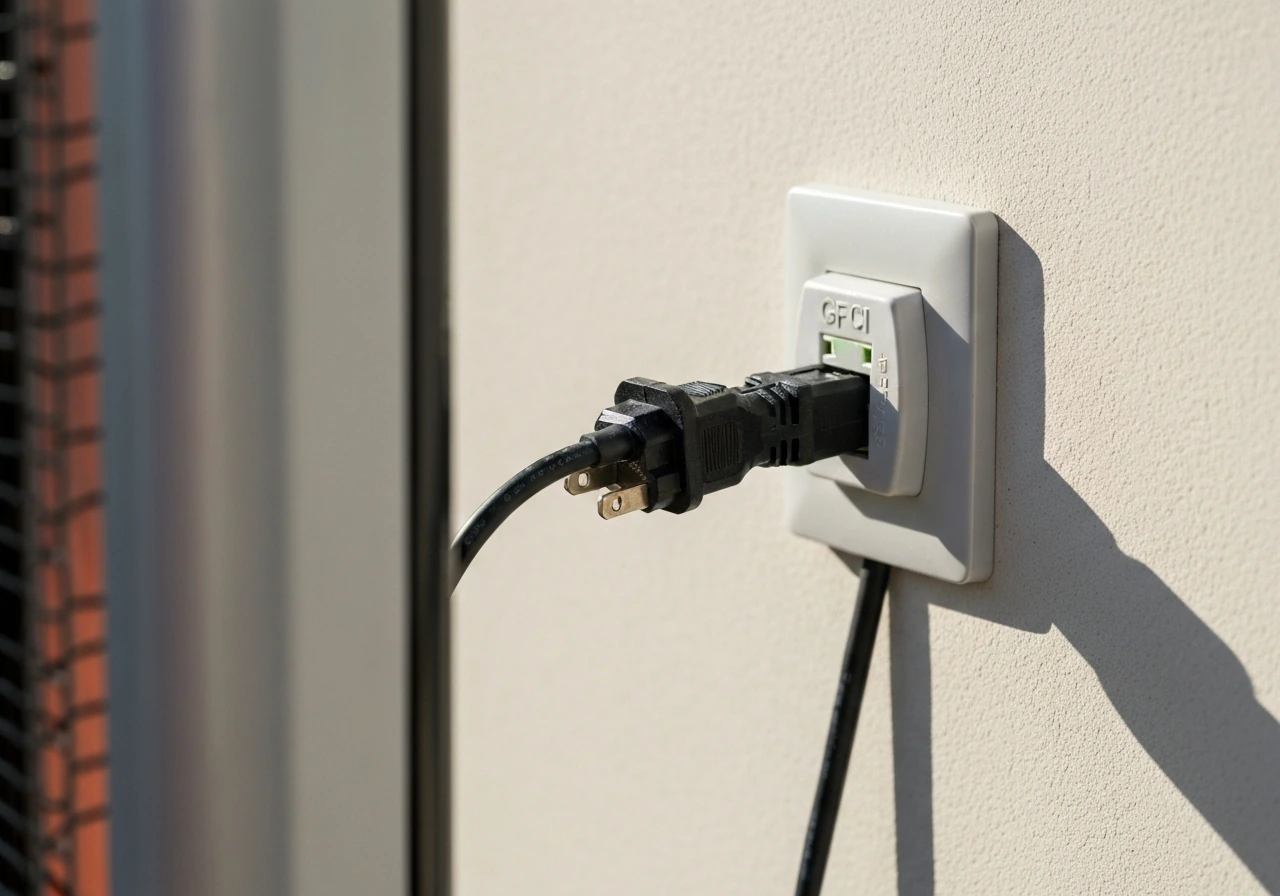
Electric infrared heaters must be plugged into a GFCI-protected outlet, this is a code requirement in most jurisdictions and a genuine safety necessity since these heaters operate near outdoor moisture. For ceiling or wall-mounted electric models, follow the manufacturer's minimum clearance specs carefully: there's typically a larger required clearance directly in front of the heating element than on the sides. If you're hardwiring a high-wattage unit (anything above 1,500W), you'll likely need a dedicated 240V circuit installed by a licensed electrician.
Natural gas and fixed gas infrared installation
Natural gas heaters require a licensed plumber or gas technician for the line connection, this isn't a DIY job in most places, and skipping it can void your homeowner's insurance. Budget for the installation cost separately from the unit price. Once installed, maintenance is minimal: annual inspection of the burner, igniter, and connections is sufficient for most residential setups.
Pellet heater ventilation
Pellet heaters require open ventilation at all times during use. Keep combustibles at least 3 feet away (roughly 0.9 m per most manufacturer specs). Don't use them under a low covered ceiling or in any semi-enclosed area without serious airflow. Ash cleanup after every use is non-negotiable.
How to compare specs and read reviews without getting misled
Patio heater marketing overpromises on coverage. A spec sheet that says '200 sq ft coverage' is measured under ideal indoor-style conditions, cut that number by 30–50% for a real open patio, and more if it's windy. When comparing BTU or wattage between models, use it as a relative indicator, not an absolute coverage guarantee. Higher BTU in the same heater type means more heat output, which matters, but placement and wind conditions will do more to determine how warm your guests feel than an extra 3,000 BTU.
When reading reviews, filter for reviewers who describe their specific setup: patio size, climate, whether it's covered or open. A 5-star review from someone in Phoenix and a 2-star from someone in Chicago might both be accurate, they're just using the same heater in completely different conditions. Look for patterns in negative reviews: consistent complaints about igniter reliability, tip-over switch misfires, or rust within one season are legitimate red flags. Occasional complaints about heat not covering a huge area are often user error, not product failure.
Key specs to compare when shortlisting models:
- BTU (for gas/propane) or wattage (for electric): higher is more heat output, but match it to your space size
- Thermostat vs on/off control: thermostat-controlled models let you set a repeatable comfort level rather than constantly adjusting manually
- Remote control availability: genuinely useful for ceiling-mounted or fixed heaters you can't easily reach
- Tip-over shutoff (propane/gas models): non-negotiable safety feature
- GFCI requirement noted in specs (electric models): confirms outdoor-rated design
- Material and weather resistance rating: look for stainless steel or powder-coated aluminum over chrome-plated steel for longevity
- Fuel runtime per tank (propane): calculate cost per session, not just per hour
- Compliance with ANSI Z83.26/CSA 2.37 (gas infrared models): confirms the unit meets the baseline outdoor safety standard
Best picks by situation
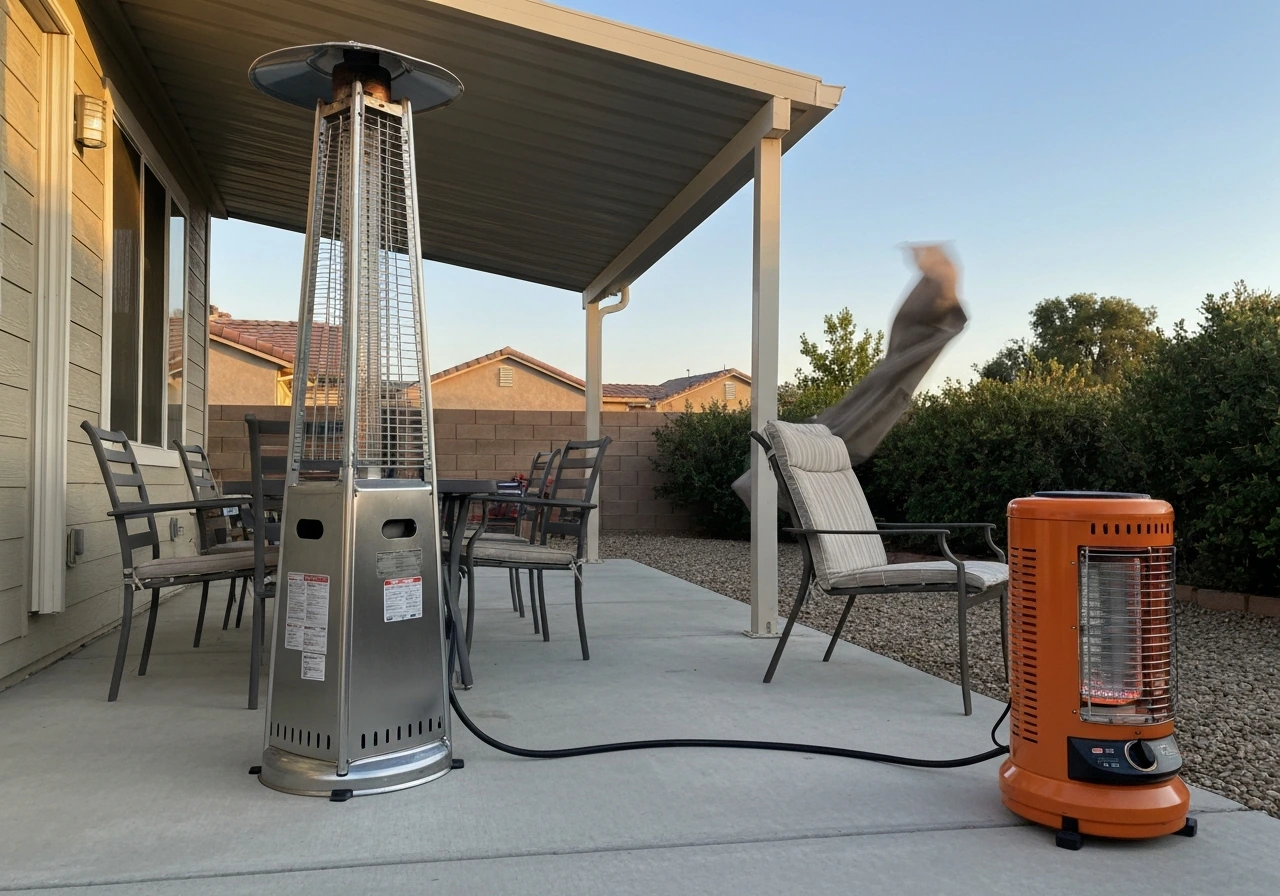
Rather than one-size-fits-all, here's where each type wins outright so you can match your situation directly to a recommendation.
| Situation | Best Heater Type | Why |
|---|---|---|
| Most open patios, first-time buyer | Propane tower (~46,000 BTU) | No install, portable, strong output, good value |
| Covered patio, moderate size | Electric infrared (ceiling or wall mount) | Radiant heat, wind-resistant, no fuel logistics |
| Small covered patio under 150 sq ft | Compact electric infrared panel | Right-sized output, low running cost, easy mount |
| Windy open patio | Radiant gas infrared (wall/ceiling mounted) | Directional radiant heat resists wind best |
| Frequent entertainer, permanent setup | Natural gas tower or gas infrared | No refills, lowest per-BTU cost long-term |
| Budget-conscious buyer | Entry-level propane tower (~40,000 BTU) | Low upfront cost, widely available, no install |
| Maximum heat output | High-BTU propane or natural gas (60,000+ BTU) | Highest raw output for large or cold spaces |
| Ambiance priority | Pellet heater | Campfire feel, but lower practical efficiency |
If you're still on the fence between a propane tower and an electric infrared model, ask yourself one question: do you have a covered ceiling above your patio? If you also want the best outdoor heater for covered patio performance, compare an electric infrared model against propane before you decide. If yes, go infrared. If no, go propane. That single factor will point you to the right product more reliably than any other spec comparison. From there, look at the specific coverage and features covered here, check reviews from buyers with setups similar to yours, and you'll have a confident choice in under an hour.
FAQ
Is a propane tower still worth it for a covered patio if it’s windy?
If your patio is covered but you still get wind gusts, propane towers often feel weaker because they mainly heat the air and rely on warm air drifting down. In that case, prioritize an infrared unit (ceiling or wall-angled) and position it so people are in the line of sight, typically with the heater centered over the seating zone rather than pushed into a corner.
What’s the best wattage setting for an electric infrared patio heater?
For electric infrared heaters, you usually do not want to start with the maximum claimed wattage. Choose a lower watt setting if the heater will be close to seating (about 6 to 10 feet), then step up power only if you still feel cool at night. This reduces tripped breakers risk and extends how flexibly you can use the unit during longer gatherings.
Can I install an electric infrared patio heater without an outlet or electrical work?
No, you generally should not. Electric infrared heaters typically need a nearby outlet, and high-wattage units often require a dedicated 240V circuit, while propane and natural gas setups are designed around gas delivery and different safety rules. If you want no cords, propane towers or ceiling-mounted infrared units with proper power supply are usually the more practical paths.
How do I heat a patio with a dining area and a separate lounge area?
Create “heat zones.” If you have multiple seating areas, use separate heaters per zone instead of one large unit far away. As a rule of thumb, place heaters to minimize wind disruption between the heater and the people (angled placement or moving the unit closer can matter more than adding BTU).
How many propane tanks will I need for typical evening use?
For propane, treat tank swap logistics as part of your budget. A standard 20 lb tank gives roughly 10 to 12 hours at full output on mainstream models, so you may need a spare tank if you host late. Also consider regulator and hose compatibility for the tank type your unit uses before buying multiple tanks.
Why do my patio heater’s coverage claims not match what I feel on my patio?
Don’t rely on “coverage” numbers alone. A quick check is whether the heater will be within a comfortable line of sight (for infrared) or within several feet of people (for propane). If you cannot add wind protection, plan for more capacity than the box claim, and expect a noticeable drop beyond the 6 to 10 foot comfort zone described for many common setups.
Can I use a propane patio heater in a screened-in or mostly enclosed area?
Yes, but with a key caveat: you should never use a portable propane heater in a fully enclosed space. If the patio is partially covered with airflow on multiple sides, it can be acceptable, but sealed sunrooms or “mostly enclosed” spaces are where risk increases sharply. When in doubt, choose an electric infrared or a properly rated sealed/outdoor-only setup.
What safety features should I verify before buying a propane tower heater?
Look for a tip-over shutoff that cuts gas flow when the unit tilts about 15 degrees from vertical, and confirm it’s included on the exact model you’re buying. Then place the heater away from doors and foot traffic so accidental bumps are less likely.
How much clearance do I need for ceiling-mounted electric infrared heaters?
If your heater will be mounted overhead or on a wall, use the manufacturer’s minimum clearance specs as the controlling rule, not generic advice. Many units require more space in front of the element than on the sides, and clearance requirements can change depending on whether it’s ceiling, wall, or angled mounting.
How can I tell whether a bad review is a product problem or my setup?
If you notice frequent igniter failures, repeated tip-over switch trips, or rapid rusting, treat those as genuine product or usage mismatch signals. First, verify placement and stability, then check for operating conditions like salt air, high humidity, or water exposure that can accelerate corrosion on lower-cost outdoor units.
What improves outdoor heater performance more, higher BTU or adding a windbreak?
Often, yes. If you can add a windbreak, it can outperform switching to a higher-BTU model because wind is a major efficiency killer outdoors. Even a privacy screen or partial wall can reduce heat stripping, making the same heater feel noticeably stronger.
Next Articles
Best Heater for Outside Patio: Choose Propane, Electric, Gas
Compare propane, electric, natural gas, infrared and pellet patio heaters by BTUs, coverage, wind, setup cost and safety
Best Outdoor Heater for Covered Patio: Electric and Gas Picks
Electric vs gas patio heaters for covered porches: picks, sizing tips, safety, and cost comparisons to choose fast.
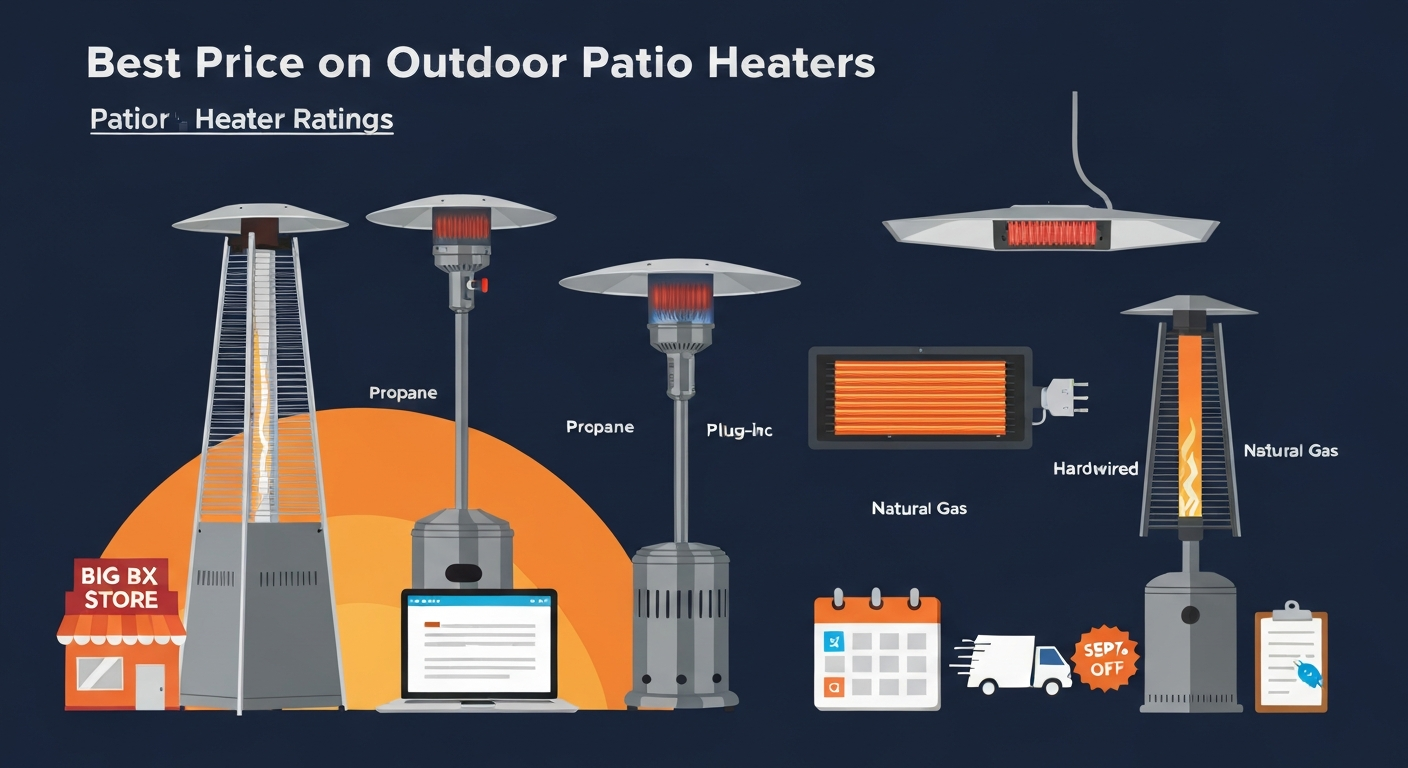
Best Price on Outdoor Patio Heaters: Compare Costs & Deals
Score the best price on outdoor patio heaters, price ranges, top picks, deal tactics, total-cost & safety checklist.