
You can buy a patio heater today at Home Depot, Lowe's, Walmart, Wayfair, Amazon, and Costco, both online and in physical stores. Each of these carries multiple heater types (electric, propane, natural gas, infrared, and pellet), but the right channel depends heavily on which type you need, how fast you need it, and whether you want professional installation help. If you just need a plug-in electric or propane tower heater by the weekend, a big-box store is your fastest path. If you're buying a natural gas or permanently mounted unit, a specialty HVAC or outdoor living dealer is often worth the extra step. If you’re wondering where can I rent patio heaters, it’s also a good idea to check local outdoor living dealers and event rental companies, since availability changes by season and location buy a natural gas or permanently mounted unit.
Where to Buy a Patio Heater: Best Places and Types

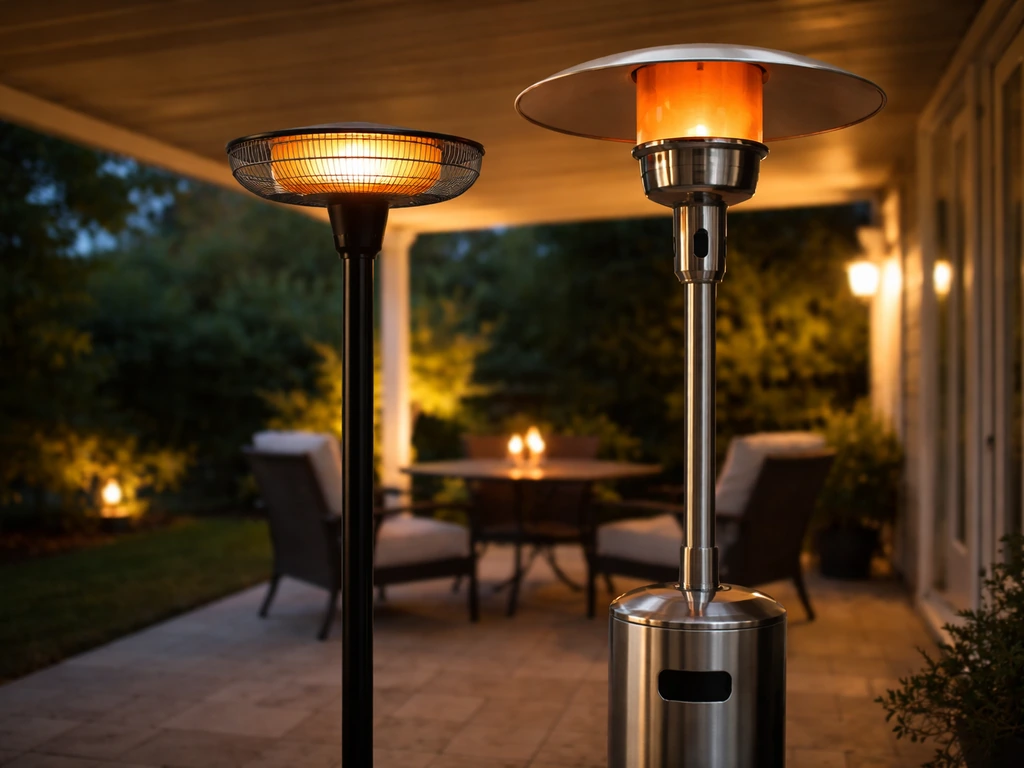
Best places to buy a patio heater today
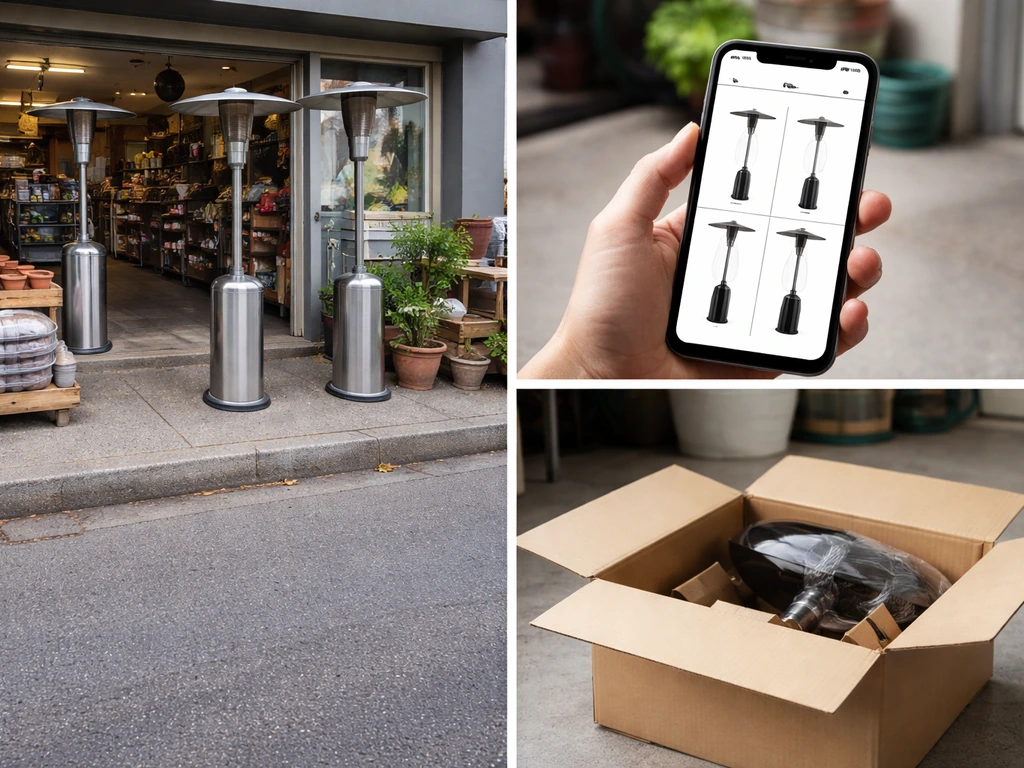
For most buyers, the shopping comes down to five main channels. Here's how they stack up in practice:
| Retailer | Best For | Heater Types Carried | Pickup/Delivery |
|---|---|---|---|
| Home Depot (in-store + online) | Widest in-store selection, natural gas models | Electric, propane, natural gas, infrared | Same-day pickup or delivery |
| Lowe's (in-store + online) | Electric infrared + gas heaters, seasonal deals | Electric, propane, natural gas, infrared | Same-day pickup or delivery |
| Walmart (in-store + online) | Budget propane and natural gas models | Propane, natural gas, electric, infrared | Store pickup or 2-day shipping |
| Wayfair (online only) | Freestanding electric, tabletop infrared, style variety | Electric, infrared, propane | Shipping only (2–7 days) |
| Amazon (online only) | Fast delivery, huge selection, strong reviews | All types including pellet | Prime 1–2 day delivery |
| Costco (in-store + online) | High-BTU propane, bundled value packs | Propane, electric | Seasonal in-store; online year-round |
| Specialty/HVAC dealers (local) | Natural gas, permanent installs, professional sizing | Natural gas, propane, infrared | Varies; often includes installation |
Home Depot and Lowe's are the strongest all-around options if you want to see a heater in person before buying, both carry electric infrared heaters, natural gas patio heaters, and propane units. Walmart is solid for budget-focused propane and natural gas heaters online, with dedicated category pages for both fuel types. Wayfair is worth checking if you care about aesthetics and want a wider range of freestanding or tabletop electric infrared styles. Amazon wins on selection depth and review volume, which matters a lot when comparing lesser-known brands. For permanently installed natural gas systems, skip all of these and go straight to a local HVAC or outdoor living specialist who can size the unit and arrange a licensed gas line connection.
Where to buy electric patio heaters (and what to check)
Electric patio heaters are the easiest category to buy from virtually any of the retailers above. blank" rel="noopener noreferrer">Home Depot and Lowe's both carry electric infrared heaters in-store and online. Wayfair has one of the better selections of freestanding and tabletop electric infrared units if you want something that looks good on a deck or patio rather than a utilitarian tower. Wayfair’s patio-heater category navigation includes electric options, including freestanding or tabletop infrared-electric heater listings blank" rel="noopener noreferrer">freestanding or tabletop electric infrared units. Amazon is ideal if you want to compare a dozen models side by side using verified customer reviews.
Before you click 'add to cart' on any electric heater, confirm these specifics:
- Voltage: Most residential electric heaters run on standard 120V outlets. Larger wall-mount or ceiling-mount infrared units often require a 240V dedicated circuit—check the spec sheet before ordering, not after delivery.
- Wattage and coverage: A 1,500W unit covers roughly 150–200 sq ft in a sheltered space. A 2,000W+ unit is better for open or breezy patios.
- IP rating: For outdoor use, look for at least IP44 (splash-resistant). IP65 or higher is better if the heater will be exposed to rain.
- Mounting type: Wall-mount and ceiling-mount units need proper brackets and may need an electrician. Freestanding units just plug in.
- Infrared vs. fan-forced: Infrared electric heaters heat people and objects directly (no wind disruption). Fan-forced models heat air faster but lose warmth quickly outdoors—infrared is almost always better for open patios.
If you're specifically looking for a particular brand in the electric category, like Fire Sense, it's worth checking brand-specific availability, since not every retailer stocks every brand's full lineup. If you are comparing Fire Sense specifically, use the Fire Sense availability tips in the next section to narrow down where to buy.
Where to buy propane and natural gas patio heaters (and installation realities)
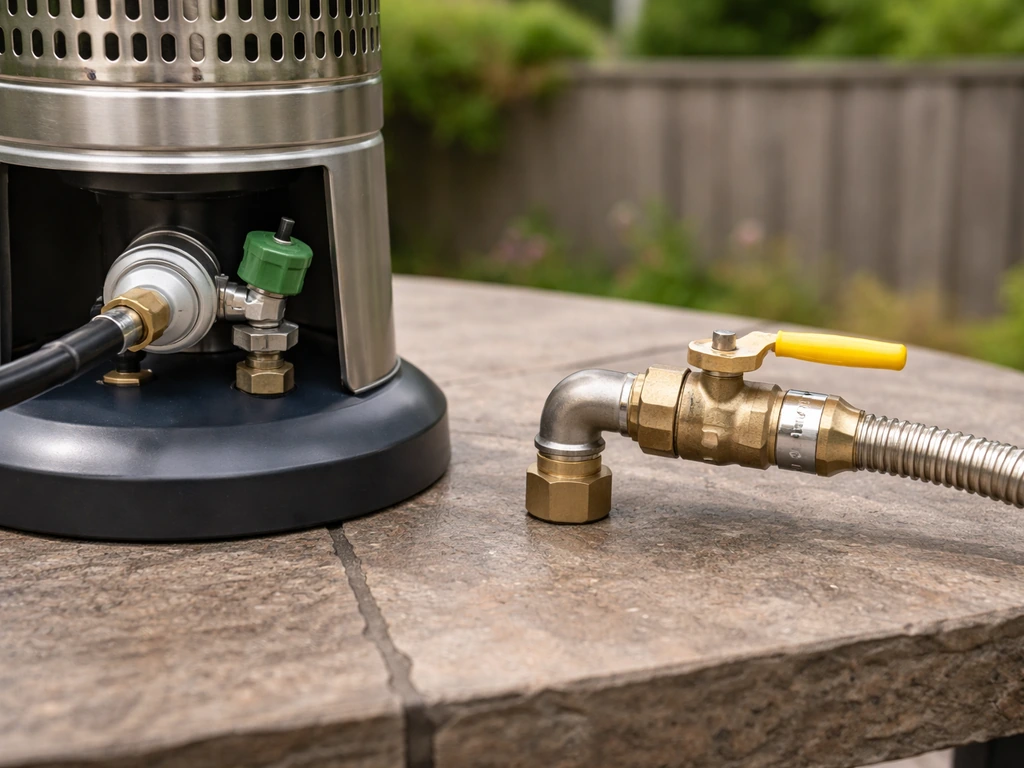
Propane heaters are the easiest fuel-type to buy and set up. Home Depot, Lowe's, Walmart, Costco, and Amazon all stock propane tower heaters and tabletop propane models. Most include the regulator and hose for standard 20lb tanks. What they often don't include: the tank itself. Factor that in, a filled 20lb propane tank runs about $25–$35, and most standard propane tower heaters burn through one in 8–10 hours at full output (around 40,000–48,000 BTU). If you're buying a propane heater that lists a higher BTU rating (some commercial models hit 60,000+ BTU), double-check that the included regulator supports that output, or you'll get reduced performance.
Natural gas patio heaters are a different story. You can find them on Walmart's website, Home Depot's online catalog, and from specialty outdoor living dealers, but buying one without thinking through installation first is one of the most common (and costly) mistakes buyers make. Natural gas heaters require a permanent gas line connection, which means a licensed plumber or gas technician needs to run a line to your patio. If you don't already have an exterior gas stub-out, budget $300–$800+ for that work alone before the heater is even turned on. The heater itself might cost $400–$1,500 depending on BTU output and build quality. Local HVAC and outdoor living specialty dealers often bundle the equipment and installation, which can be a better deal and eliminates the guesswork.
- Propane: Buy from any major retailer; ships easily; portable; best for renters or patios without gas lines.
- Natural gas: Best purchased through a local dealer or specialty store that also offers installation; confirm you have (or can add) an exterior gas connection.
- Always verify the regulator, hose length, and connection type are included or separately available at the point of purchase.
- Check local code requirements—some jurisdictions require permits for permanent gas appliances outdoors.
- For both fuel types, confirm the model is rated for outdoor use and has tip-over safety shutoff (mandatory for free-standing units).
Choosing the right type for your patio setup and climate
The single biggest buying mistake is choosing a heater type that doesn't match your patio's physical setup. Here's a practical breakdown:
| Heater Type | Best Patio Setup | Climate Fit | Key Limitation |
|---|---|---|---|
| Electric infrared | Covered patios, pergolas, screened porches | Mild to moderate cold; sheltered spaces | Needs outlet; higher-wattage units need 240V |
| Propane tower | Open patios, decks, poolside; portable use | Works in most climates; struggles in heavy wind | Ongoing fuel cost; tank storage needed |
| Natural gas (freestanding/mounted) | Permanent outdoor kitchens, large patios | Cold climates where high-BTU output matters | Requires gas line; permanent installation |
| Infrared (gas-powered) | Covered patios, restaurants, commercial outdoor spaces | Cold climates; excellent in wind | Professional installation usually needed |
| Pellet patio heater | Patios where ambiance matters; casual entertaining | Mild climates; best in calm conditions | Requires pellet fuel; more maintenance; slower heat-up |
If you're in a colder climate (below 30°F regularly in the season you're heating), a propane or natural gas unit with 40,000+ BTU is the practical choice, electric units struggle to keep up in hard cold. If your patio is covered or semi-enclosed, infrared electric heaters punch well above their wattage because the heat doesn't escape as quickly. Windy patios kill the performance of any open-flame or fan-based heater; wall-mount or overhead infrared units hold up much better because they radiate heat downward rather than trying to warm the air.
How to compare models before you buy (coverage, heat output, controls, safety)
Once you've picked a type and a retailer, comparing specific models comes down to four practical factors. Don't skip this step, heaters within the same price band can vary dramatically in real-world performance.
Heat output and coverage area
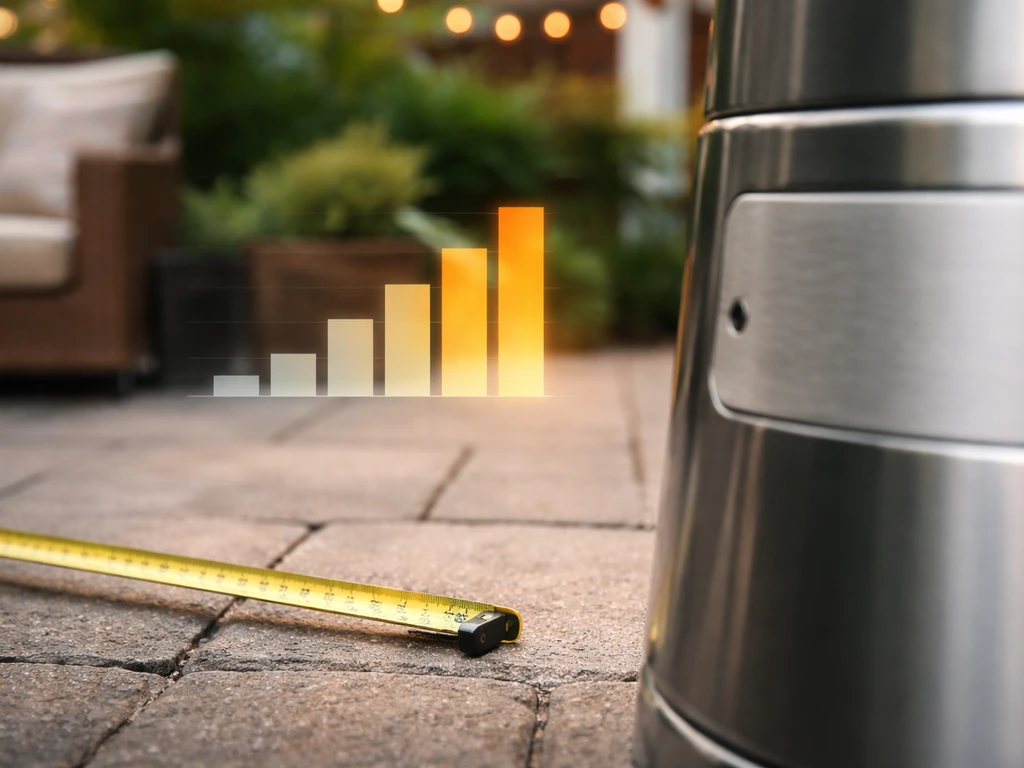
BTU (for gas/propane) and wattage (for electric) are the primary output specs. As a rule of thumb, you need roughly 1,000 BTU per 10 sq ft of outdoor space in moderate conditions, more in cold or windy climates. A standard 40,000 BTU propane tower covers about 10–12 feet in diameter. A 1,500W electric infrared covers roughly 150 sq ft in a sheltered space. Manufacturers sometimes overstate coverage, so if a product listing claims dramatically higher coverage than these benchmarks suggest, treat it skeptically until you find corroborating reviews.
Controls and convenience features
Remote controls, adjustable heat settings (not just on/off), and built-in timers are worth paying for on electric units because you'll actually use them. For gas heaters, variable BTU control (usually a dial) is the key feature, some budget models run at only one heat level, which wastes fuel when conditions change. Smart home integration (Wi-Fi or app control) exists on some electric infrared models; useful for mounted units you can't easily reach.
Build quality and weather resistance
Look for stainless steel or powder-coated aluminum construction on the heating head and housing for anything that will live outdoors. Cheap painted steel rusts fast in humid or coastal climates. For gas burners, a stainless steel burner and emitter head matter more than the pole or base material. Glass tube infrared emitters (common on electric models) are efficient but fragile, check whether replacement tubes are available and affordable before you commit to a brand.
Safety certifications
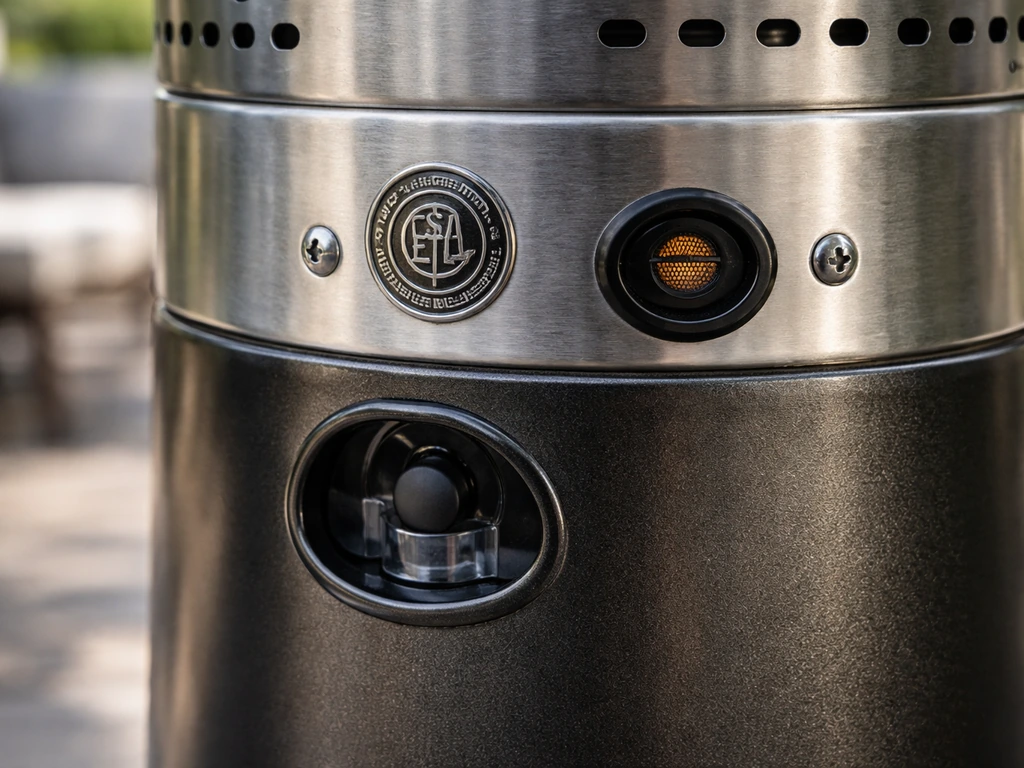
Any heater you buy should carry CSA or ETL listing (for North American safety standards). For gas heaters, look for ODS (oxygen depletion sensor) and tip-over shutoff. For electric outdoor units, confirm the IP rating matches your exposure level. These aren't nice-to-haves, they're how you know the unit has been independently tested for the environment you're putting it in.
Reviews, ratings, and real-customer feedback, how to use them
Reviews are genuinely useful for patio heaters, but you have to read them the right way. A 4.2-star average on 800 reviews tells you more than a 4.8-star average on 30. Look specifically for reviews that mention your use case: open patio vs. covered, cold climate vs. mild, propane tank efficiency, how long the heater lasted after the first season. Sort by 'most recent' and 'critical' reviews, recent reviews catch quality control changes, and critical reviews surface recurring failure points that the overall average hides.
Amazon is the best platform for review volume and filtering. Home Depot and Lowe's product pages often have fewer reviews but tend to attract buyers who actually installed and used the product rather than returning it. Wayfair reviews are useful for design and build quality feedback. Across all platforms, pay attention to how the seller or manufacturer responds to complaints, it signals whether warranty support is real or just fine print.
One more thing: check the return policy before you buy, especially for larger gas heaters or anything requiring installation. Some retailers (including some Wayfair and Amazon third-party sellers) charge restocking fees on large outdoor appliances or won't accept returns on opened propane equipment. Home Depot and Lowe's tend to have more straightforward return windows for in-store pickup items. If you're uncertain about fit or output, buying in-store gives you a cleaner fallback.
Quick safety and setup checklist before ordering
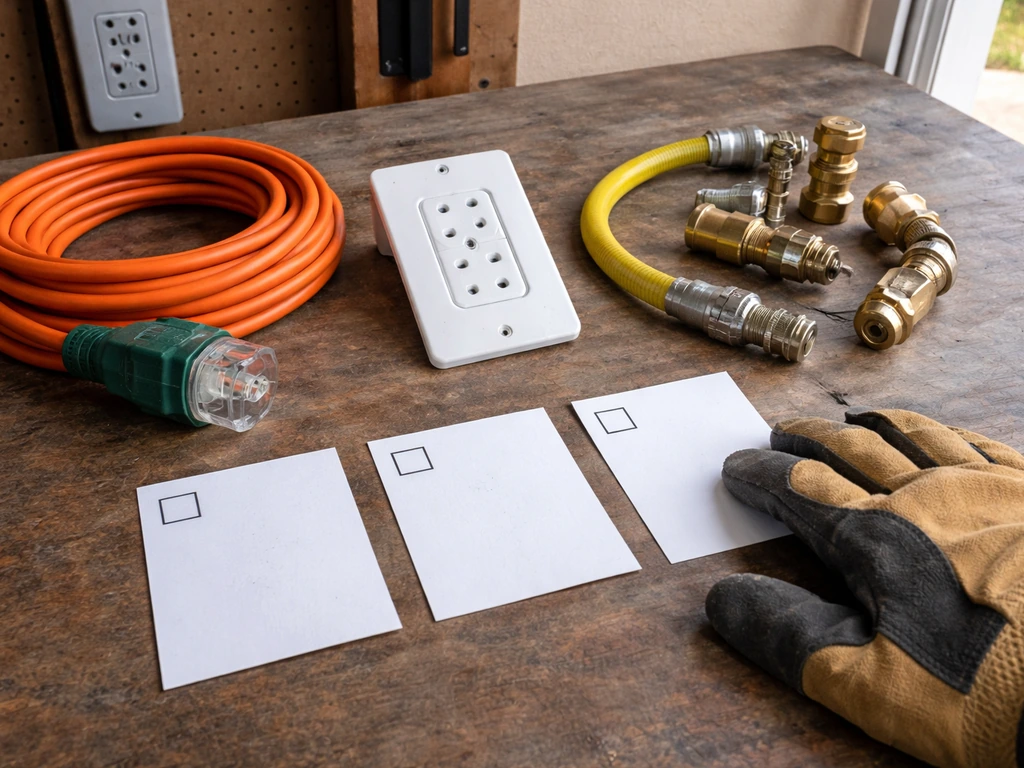
Run through this before you finalize any purchase, it takes five minutes and saves real headaches:
- Confirm your power source: Do you have a 120V outdoor outlet (for standard electric) or 240V circuit (for high-wattage infrared)? For gas heaters, is there an existing gas stub-out or will you need to add one?
- Measure your patio area and overhead clearance: Most freestanding propane heaters need at least 3 feet of clearance from any overhead structure. Wall-mount and ceiling-mount units have their own clearance requirements—check the spec sheet.
- Check local codes and HOA rules: Some municipalities require permits for permanent gas appliances outdoors. Some HOAs restrict propane tank storage.
- Verify what's included in the box: Regulator and hose for propane? Mounting hardware for wall-mount electric? Assembly tools? Don't assume.
- Confirm CSA, ETL, or UL listing appears on the product—not just in marketing copy but on the label itself.
- Check that tip-over shutoff is present on any freestanding gas or propane unit—non-negotiable for safety.
- Read the return and warranty policy before purchasing, especially for natural gas models or any heater requiring professional installation.
- Never use a propane or natural gas patio heater indoors or in a garage—they produce carbon monoxide. Outdoor-only ratings mean exactly that.
- If buying a natural gas unit online, have a licensed technician lined up for installation before the heater arrives—don't let it sit uninstalled waiting for a contractor.
If you're still narrowing down which specific retailer is closest to you or has the best current pricing, it's worth comparing prices across a few channels, deals on patio heaters shift seasonally, and the same model can vary by $50–$150 between retailers. For shoppers focused on getting the best price specifically, doing a quick cross-check between Home Depot, Walmart, and Amazon on your shortlisted models is usually enough to find the best current deal without spending hours comparison shopping.
FAQ
Can I buy a patio heater and use it immediately (same day) without installation?
Yes, but only for certain heater types. Plug-in electric heaters are usually safe to use on outdoor-rated extension cords, but verify the cord gauge and the heater’s stated amperage, and never use a smaller indoor cord outdoors. Propane heaters need an appropriate regulator and a 20lb tank connection, and natural gas heaters require a permitted line, so you should not “convert” one fuel type to another.
What should I confirm before installing a natural gas patio heater?
For natural gas, you should plan for more than just the heater purchase. If your patio has an exterior gas stub-out, installation may be straightforward, but if not, the line run and any permitting can change the timeline by weeks. Ask the seller or HVAC partner what parts are included, whether the gas technician is licensed for outdoor connections, and whether they handle pressure testing.
Do propane patio heaters include the propane tank and correct parts to start up?
Most propane heaters do not include the propane tank, even when they include a regulator and hose. Confirm exactly what’s in the box and whether the listing specifies a compatible tank size (commonly 20lb). If you buy a higher-BTU model, double-check the regulator’s rated output, since a mismatched regulator can reduce performance.
How do I interpret BTU and coverage numbers if my patio is windy or not fully enclosed?
No. Coverage claims often assume sheltered conditions. If your patio is open to wind, semi-enclosed with airflow, or you heat during colder months, use the benchmarks in the listing as a starting point and rely on reviews that mention your setup. A heater that “covers” more on paper may feel underpowered if it is trying to heat a large volume of moving air.
What safety certifications should I look for depending on the heater fuel type?
Look for the safety and weather rating that matches where the heater will live. For electric outdoor models, confirm the IP rating and whether the controller and wiring compartment are protected from water spray. For gas units, check for safety features such as tip-over shutoff and an oxygen depletion sensor, especially if you will use the heater in a semi-enclosed area.
Is a “variable heat” dial actually worth it on gas patio heaters?
It can be confusing because some heaters use “variable” controls but still operate efficiently only in a narrow range. For propane and natural gas models, prioritize true adjustable output (a dial or multiple regulated levels) if you plan to run it for long evenings. If the model is single-output, you may spend more on fuel because it cannot match changing conditions.
How can I ensure I can buy a patio heater in time for a specific event date?
You can, but timing matters. Many retailers reduce stock after the season and restock for peak weather, so inventory changes fast. If you need a heater by a specific date, check availability for both delivery and store pickup, and verify whether the listing is for an in-stock unit versus an item that ships from a different warehouse later.
What mounting and clearance details should I check for wall-mounted or overhead heaters?
Typically, clearance and mounting requirements are stricter for wall or overhead units than for freestanding towers. Before buying, measure your patio for height and distance from ceilings, railings, and any overhead coverings. Also confirm whether mounting hardware is included, and whether the unit is designed to be installed by a qualified person.
How do I estimate ongoing costs for propane versus electric patio heaters?
A good approach is to buy based on “real runtime” and total cost, not just purchase price. For propane, estimate fuel burn (hours at full output) and consider how often you will run it at lower settings if available. For electric, compare watts to your expected run time and check that your power setup can safely handle the heater’s draw.
What return-policy traps should I watch for when buying a patio heater?
Check return terms for opened propane equipment and anything requiring installation. Some sellers offer returns only if the item is unused or unassembled, and third-party sellers may apply restocking fees on large outdoor appliances. If you are unsure about fit, output, or compatibility with your space, in-store pickup can reduce friction and speed up resolution.
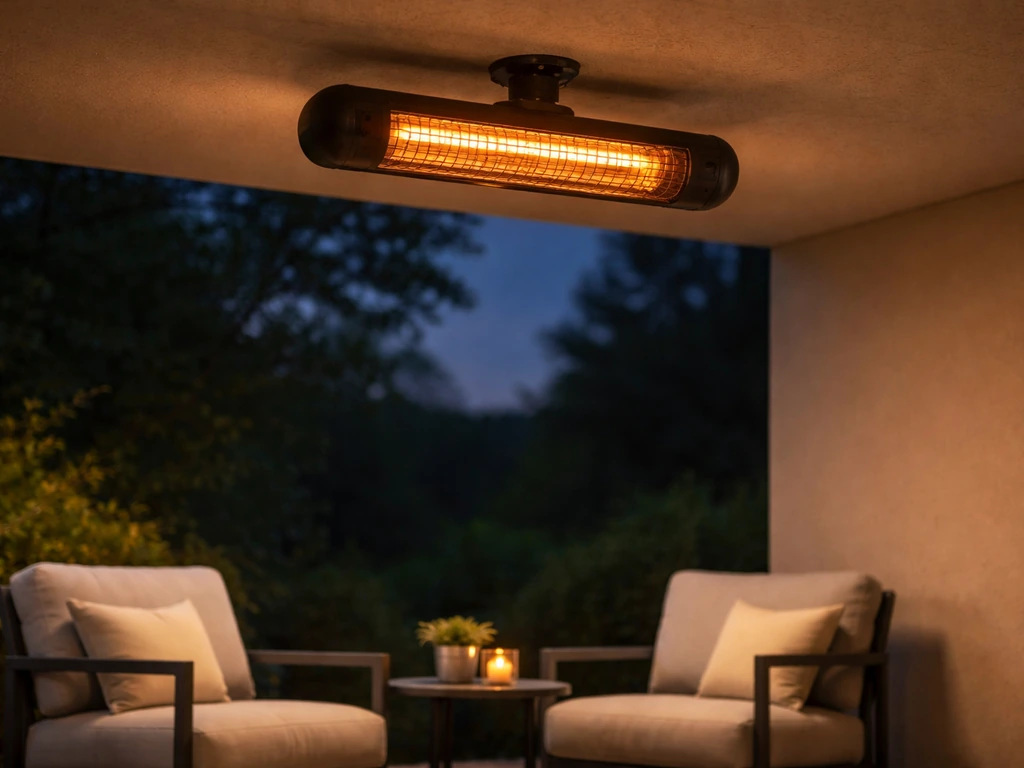
Compare propane, electric, gas and IR ceiling patio heaters with picks, specs, installation steps and safety checklist.
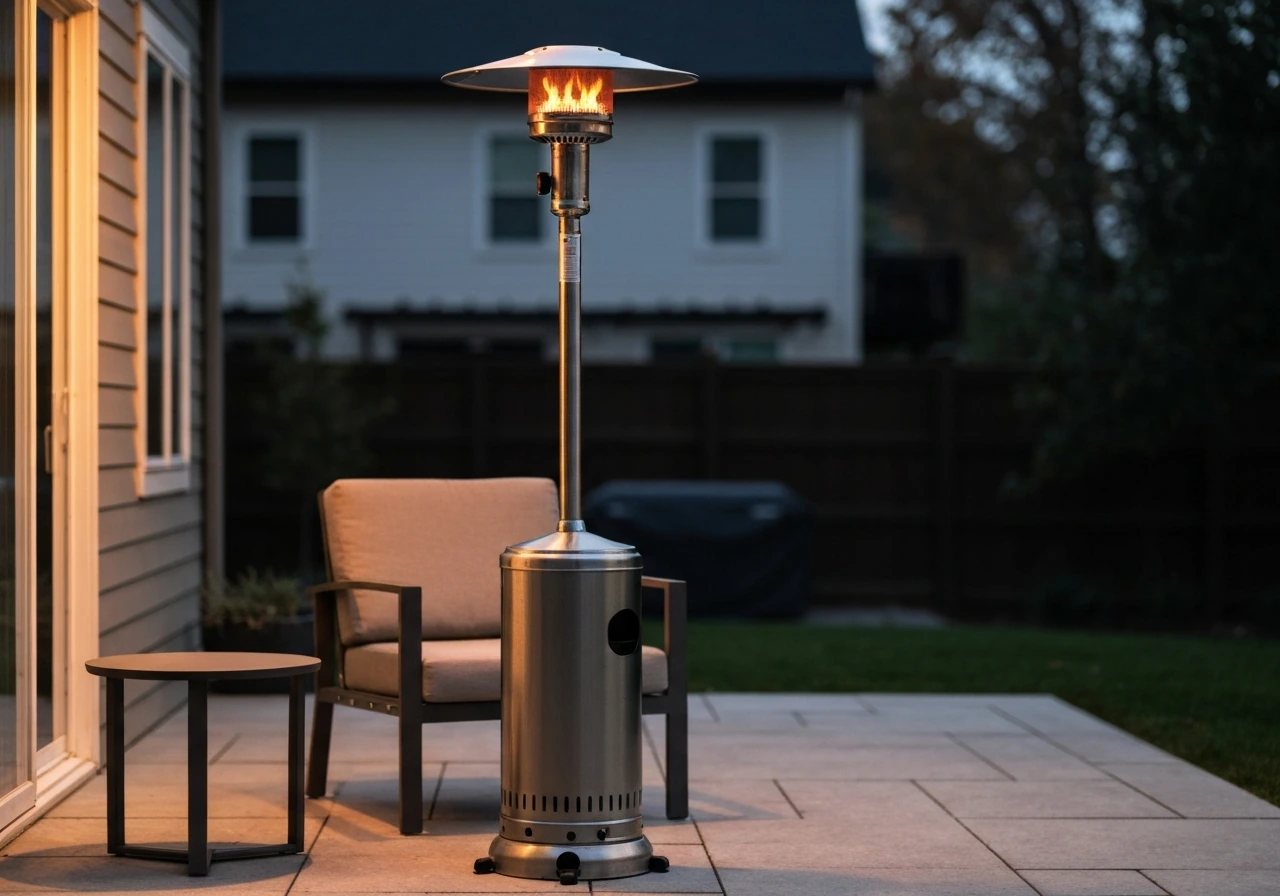
Compare propane, electric, natural gas, infrared, and pellet patio heaters with costs, coverage, and best-pick tips.
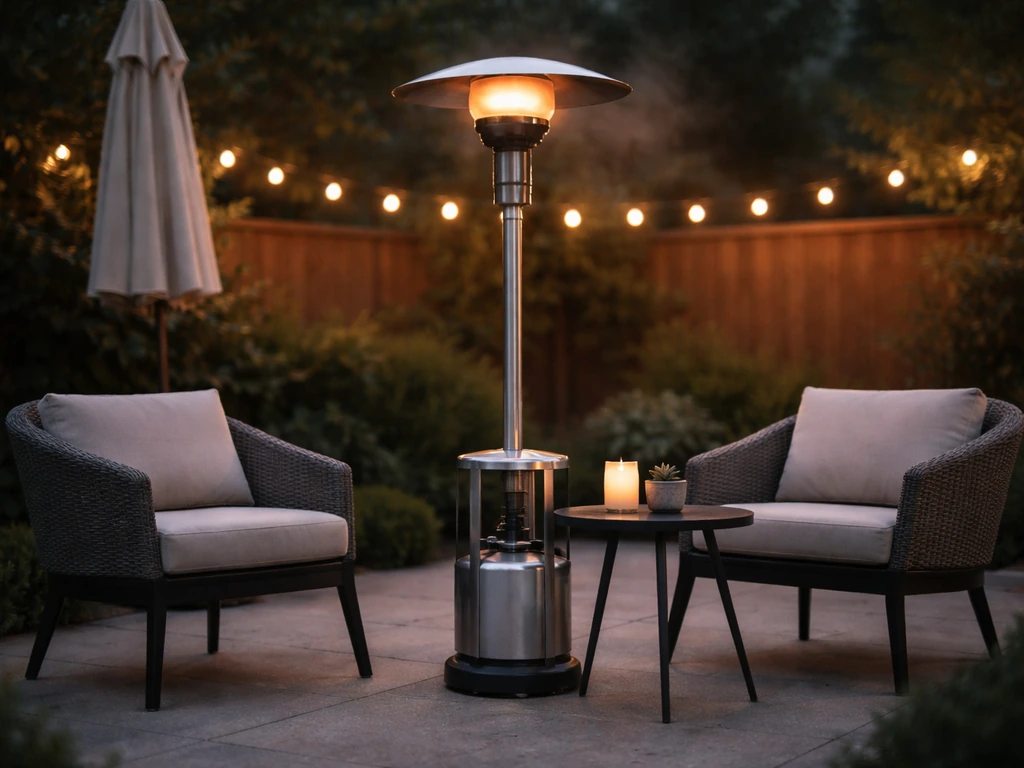
Compare propane, electric, natural gas, infrared and pellet patio heaters by BTUs, coverage, wind, setup cost and safety