
If you want the single best all-around patio heater right now, a propane mushroom-style heater like the AZ Patio Heaters HiL-SS-MUSH or a wall-mounted infrared electric like the Bromic Tungsten Smart-Heat Electric will cover most patios well, run safely, and last for years. Which one is right for you comes down to three things: whether you have access to an outdoor outlet or a gas line, how large your covered area is, and how much wind you're dealing with. The rest of this guide walks you through every step to land on the right pick.
Wirecutter Best Patio Heater Guide: Picks by Type

Caleb Vale
9 Jun 2026
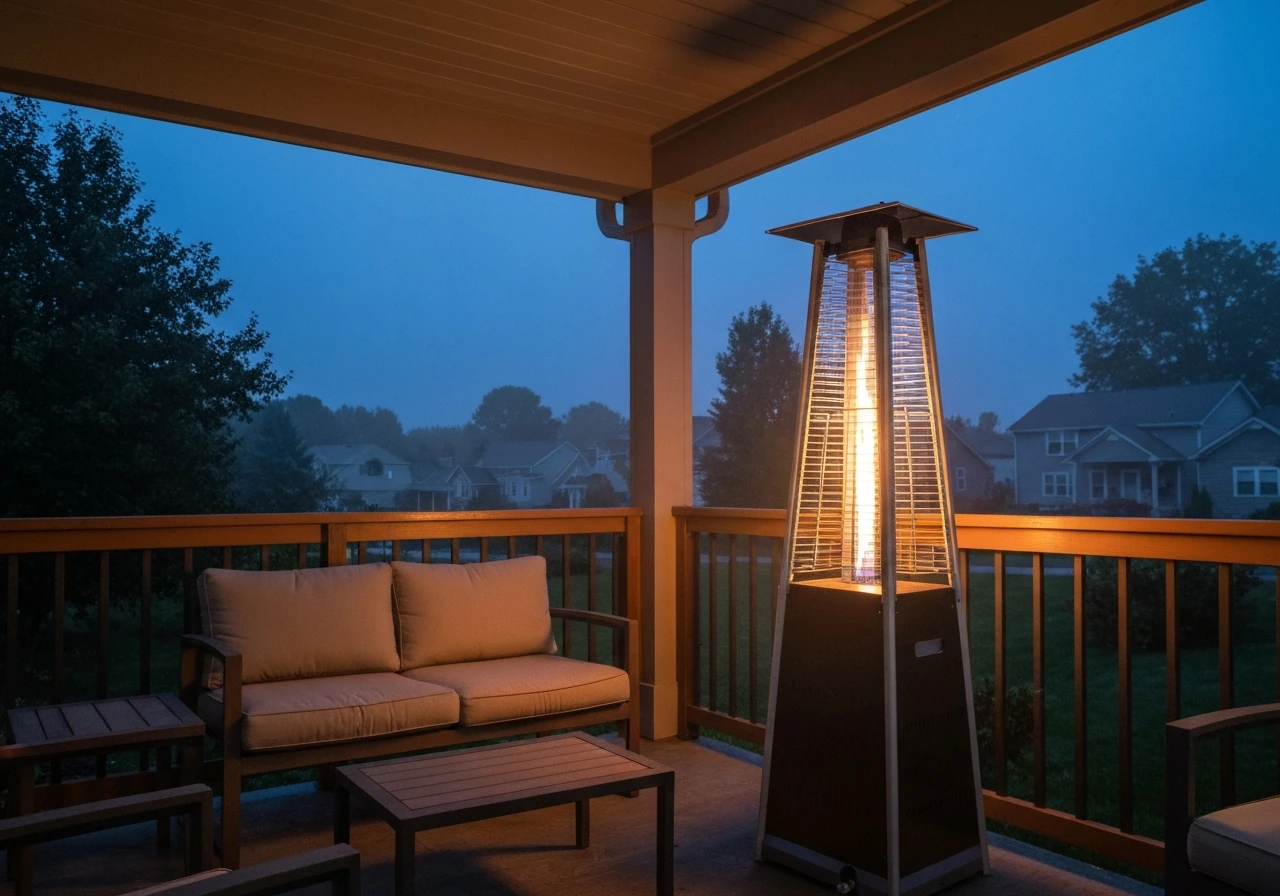
Define the best heater for your patio (quick decision checklist)
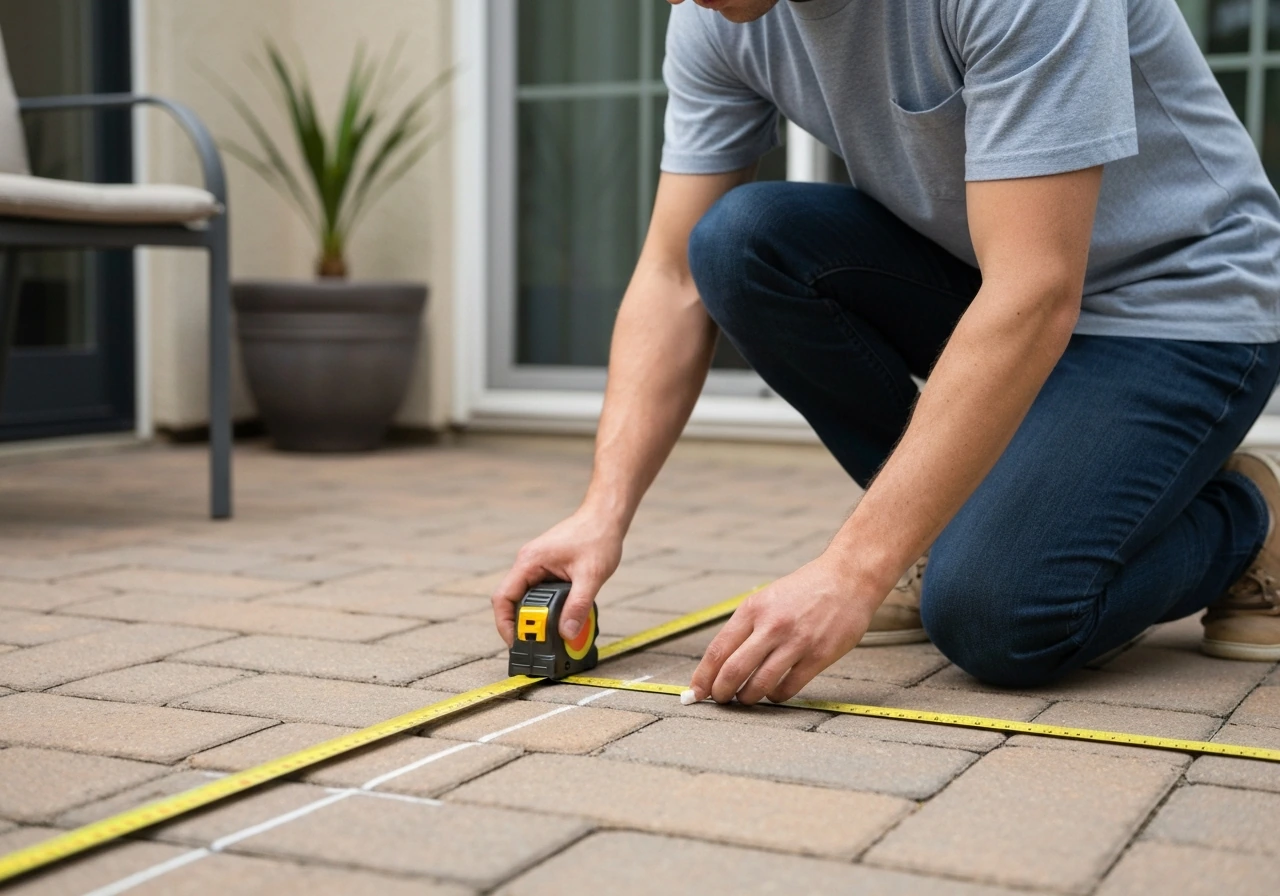
Before you buy anything, run through these questions. They eliminate 80% of the wrong options before you ever look at a product page.
- How big is your outdoor space? Measure the square footage of the area you actually want to heat, not your entire yard. A 150 sq ft covered patio is a very different problem than an open 400 sq ft deck.
- Is your patio covered or open? Covered patios hold heat far more efficiently. Open patios lose heat to the sky and wind, which means you need more BTUs or a directional infrared heater aimed low.
- Do you have a natural gas line near the patio? If yes, a plumbed natural gas heater becomes a serious contender. If not, the cost of running a line usually pushes you toward propane or electric.
- Do you have a 240V outdoor outlet available, or only 120V? High-output infrared electric heaters (2,000W–6,000W) often need 240V. Lower-output tabletop units work on 120V.
- How windy is your location? Freestanding propane mushroom heaters perform poorly in sustained wind. Infrared and natural gas heaters with directional mounting handle wind better.
- Do you need portability? Propane freestanding and tabletop units move easily. Mounted electric and natural gas heaters are fixed.
- What is your budget? Factor in the heater purchase price, fuel or electricity costs, and any installation (gas line, mounting hardware, electrical work).
- Who will use it? Households with small children or pets have different safety priorities than a commercial patio bar.
If you answer yes to 'covered patio + natural gas nearby + larger space,' go straight to natural gas or infrared wall-mount. If you answer 'open patio + no gas line + portable,' propane is your lane. If you answer 'small covered area + easy outlet access + safety-first,' electric infrared wins. Everything else falls in between and is covered in the sections below.
Match heater type to your actual situation
Each heater type has a real niche. The mistake most buyers make is picking a type they've seen at a restaurant patio without thinking about whether that setup matches their home. Here's an honest breakdown.
Propane freestanding heaters
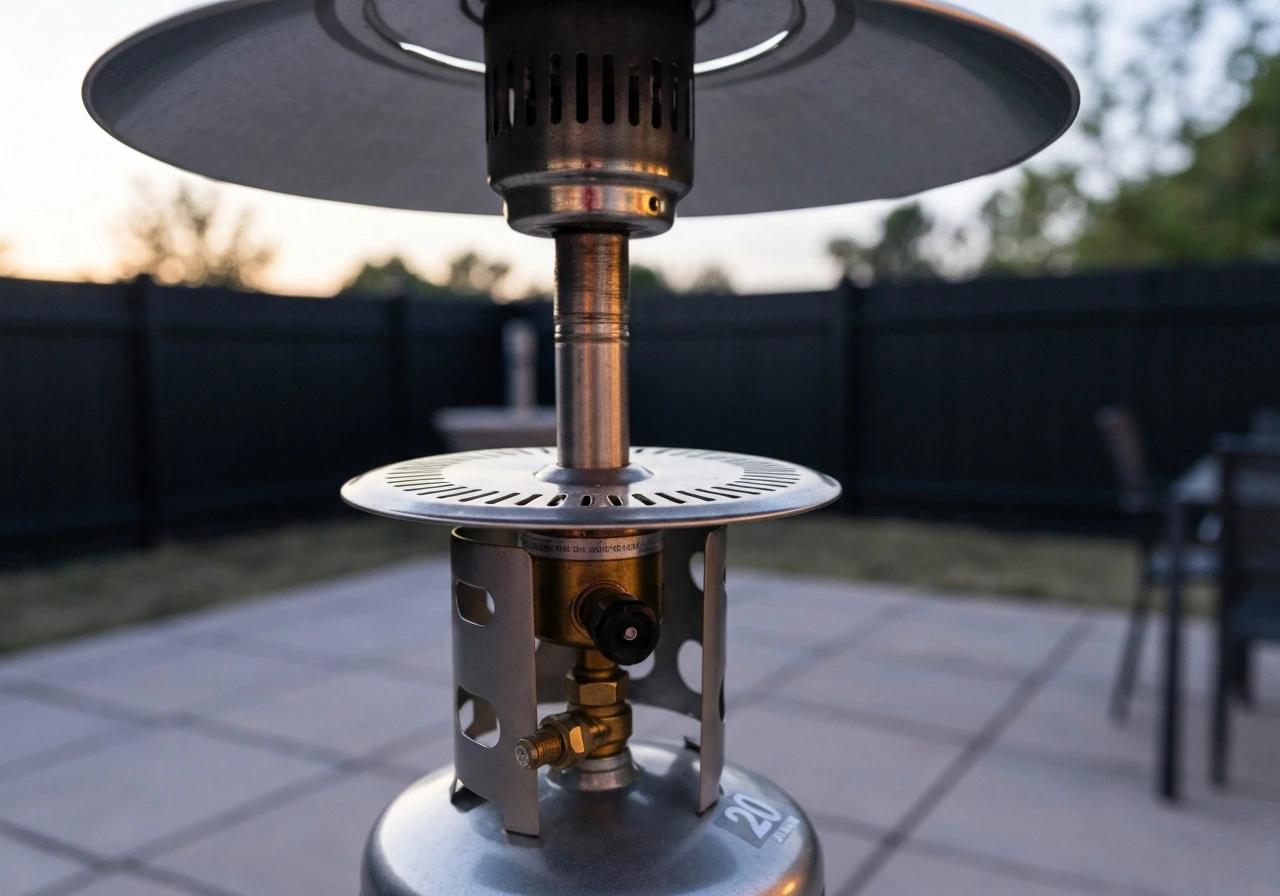
These are the classic mushroom-top or pyramid-style heaters that run off a 20 lb propane tank. Heat output is typically 40,000–48,000 BTU. They radiate heat in a 360-degree pattern and can warm a rough circle of about 15–20 feet in diameter in calm conditions. The big advantage is portability and zero installation cost.
The downsides are real: a 20 lb tank lasts roughly 8–10 hours at full power, wind kills their performance, and they're genuinely not ideal for windy open decks. Safe use means keeping them away from exits, foot-traffic paths, and anything flammable, and never moving them while lit. Propane. com notes that relocating a burning propane outdoor heater can be unsafe, so position the unit before you ignite it [never moving them while lit](https://propane.
com/safety/patio-heater-safety/). The propane. com safety guidance is clear that relocating a burning propane heater is a safety hazard, so position them before you ignite.
Electric infrared heaters (wall/ceiling mounted)
Mounted electric infrared heaters like the Bromic Tungsten Smart-Heat Electric are the cleanest, most controllable option for a covered patio. They heat directionally, meaning the warmth goes where you point them, not in a diffuse cloud. Lowe's buying guidance correctly notes that electric heaters are generally considered the safest outdoor heating option, largely because there's no open flame, no combustion, and no fuel storage. Output ranges from 1,000W to 6,000W depending on the unit. The Bromic Tungsten line uses adjustable mounting brackets that let you fine-tune heat distribution, which is genuinely useful. The main constraint is power: a 4,000W unit on 240V needs a dedicated outdoor-rated circuit, which may require an electrician if you don't already have one.
Natural gas heaters
If you already have natural gas service and an outdoor gas stub-out, a plumbed natural gas heater is the most convenient long-term option. You never buy fuel, never swap tanks, and outputs can reach 40,000–50,000 BTU for freestanding models. The catch, as Popular Mechanics' testing notes, is that gas heaters must be positioned near the gas line, so placement flexibility is limited. Installation must comply with NFPA 58 for LPG (if using liquid propane) or local gas codes, and most jurisdictions require a licensed plumber or gas fitter to run a new outdoor gas line. Budget $300–$800 for line installation if you're starting from scratch.
Infrared radiant heaters (gas and electric)
Infrared heaters work differently from convective heaters: they heat objects and people directly, not the air. This makes them dramatically more effective in open or breezy spaces because wind can't carry the warmth away. Infratech's SL-Series installation documentation points out that radiant floor surfaces actually re-radiate heat back upward, compounding the warming effect in covered spaces. For open patios or pergolas, this is the category to prioritize. The Infratech SL-Series is a ceiling/wall-mount electric model that performs well in wet outdoor environments. Gas-fired infrared patio heaters exist too, but the electric versions are easier to install and control.
Pellet heaters
Pellet patio heaters are a niche but growing option, especially for people who want ambiance alongside heat. They burn compressed wood pellets and produce a real visible flame, which many people love aesthetically. Heat output is generally lower than propane or natural gas (typically 10,000–25,000 BTU), and they require regular pellet refills and ash cleanup. They're best suited for smaller covered patios where ambiance matters and you don't need to push through cold weather below about 30°F. They're not a practical choice for commercial use or large open spaces.
| Heater Type | Best For | Typical BTU/Wattage | Portability | Installation Cost | Wind Performance |
|---|---|---|---|---|---|
| Propane freestanding | Open/semi-open patios, renters, portability | 40,000–48,000 BTU | High | None | Poor |
| Electric infrared (mounted) | Covered patios, safety-first setups | 1,000W–6,000W | None | Low–Medium | Excellent |
| Natural gas (freestanding/mounted) | Permanent installs with gas access | 40,000–50,000 BTU | None | Medium–High | Good |
| Infrared radiant (electric/gas) | Open/windy areas, directional heating | 1,500W–4,000W+ | Low | Medium | Excellent |
| Pellet | Aesthetic/ambiance, small covered patios | 10,000–25,000 BTU | Medium | None–Low | Poor–Fair |
Coverage, warmth, and performance: what actually matters
The rule of thumb most often cited by patio heating retailers, including Wayfair's buying guidance, is 20 BTU per square foot for outdoor spaces. So a 200 sq ft patio needs roughly 4,000 BTU minimum, and that's in mild conditions. In practice, for open patios in climates that drop below 40°F, or anywhere with wind, multiply that estimate by 1.5 to 2x. A covered patio retains heat far better, so the 20 BTU/sq ft guideline is more realistic there. For electric infrared, a general conversion is that 1,000W delivers roughly 3,400 BTU, so a 4,000W unit produces about 13,600 BTU of directed radiant heat.
Heat spread pattern matters as much as raw BTU. A 46,000 BTU propane mushroom heater spreads that heat in all directions, so much of it goes straight up and out. A 2,000W directional infrared panel puts all its energy into your seating area. In real-world terms, a 2,000W mounted infrared unit can feel warmer to the people sitting under it than a 40,000 BTU freestanding propane heater 10 feet away. Don't just compare BTU numbers across types.
Speed of heat matters if you want to step outside and feel warm immediately. Infrared heaters heat almost instantly because they radiate directly. Propane convective heaters take 2–3 minutes to reach full output. Pellet heaters take the longest to reach temperature.
- For wind-exposed patios: prioritize directional infrared over any convective heater
- For large open areas: stack multiple propane units or use high-output gas infrared panels
- For covered pergolas and gazebos: ceiling-mounted electric infrared is the most efficient choice
- For restaurants or commercial patios: natural gas plumbed systems or commercial-grade propane units rated for continuous use
- For on-demand warmth: infrared electric wins on response time
Installation and setup realities
This is where a lot of buyers get surprised. What looks like a simple purchase turns into a half-day project or a call to a contractor. Go in knowing what each type actually requires.
Propane freestanding
Essentially zero installation. You unbox it, thread in the tank, and light it. The only real consideration is placement: keep it 6 feet away from structures and combustibles and well clear of exits and foot-traffic paths (the NPS fire safety guidance for outdoor events requires at least 5–6 feet of clearance). Don't place them on uneven surfaces where tip-over risk is high.
Electric infrared (wall/ceiling mounted)
You need a suitable mounting surface (covered patio ceiling, pergola beam, or exterior wall), a weatherproof outdoor-rated electrical circuit at the appropriate voltage, and the right bracket hardware. Bromic's installation manual for the Tungsten Smart-Heat Electric specifies clearance distances to combustibles that must be respected, and notes the heater can be affected by physical knocking or tipping, so mounting must be solid. If you're running a new 240V outdoor circuit, plan on hiring an electrician. Budget $150–$400 for that work depending on your panel location and run distance. For 120V tabletop units, it's just a weatherproof outdoor outlet.
Natural gas
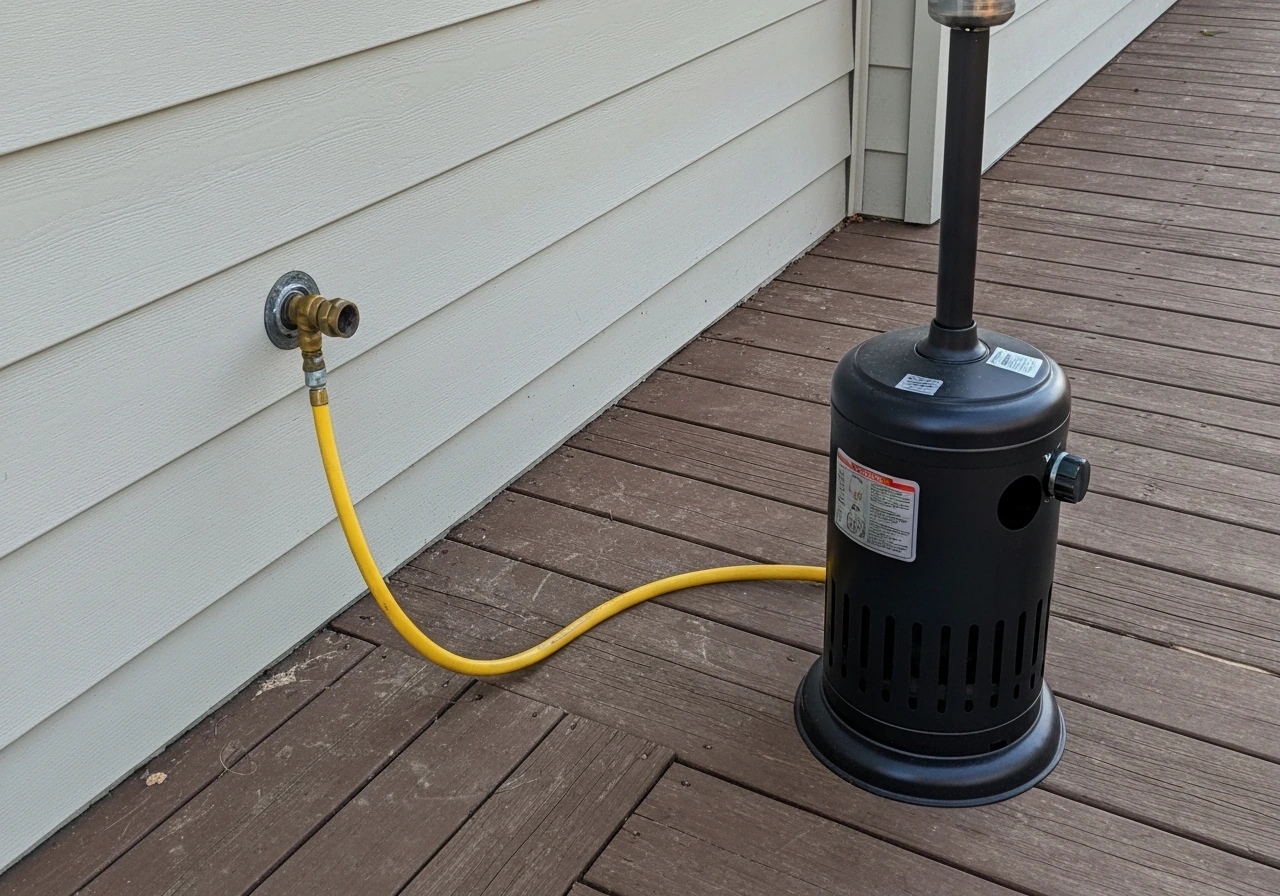
As Popular Mechanics notes in their testing, gas heaters are placement-constrained by the gas line location. If you're connecting to an existing outdoor stub-out, it's a straightforward flex-line connection. If you're running a new outdoor gas line, you're looking at a licensed gas contractor, permits in most jurisdictions, and $400–$1,200 depending on run length. Compliance with NFPA 58 for LPG or local natural gas codes is not optional. Don't DIY this unless you're a licensed professional.
Ceiling-mounted infrared (electric, e.g., Infratech SL-Series)
Infratech's SL-Series installation manual recommends mounting on ceilings at appropriate heights (radiant heaters mounted under 12 feet high have specific positioning requirements). The manual also notes that heaters should ideally be mounted so they heat from the cold side of a space inward, which maximizes perceived warmth. For outdoor use, they should be installed under a protective roof or weather cover. The installation is straightforward with basic electrical skills if the circuit is already in place.
Safety and maintenance essentials
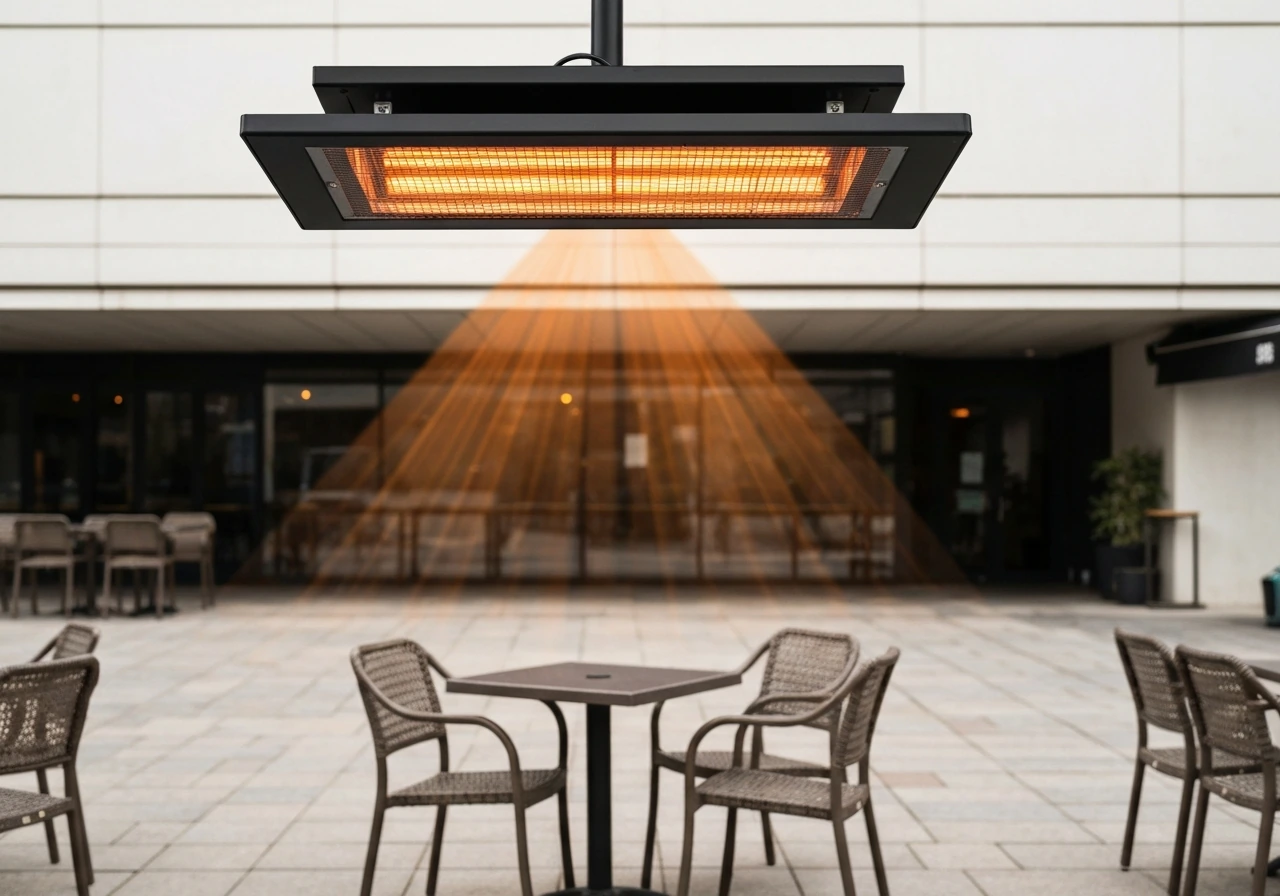
Patio heaters are genuinely safe when used correctly, but they cause real accidents when placement or maintenance is neglected. The USFA has a specific publication on propane patio heater hazards, and the NFPA ties outdoor heater guidance to NFPA 1 fire code requirements. Here's what actually matters day-to-day.
Clearances and placement
Maintain at least 5–6 feet of clearance between any patio heater and combustible structures, fabric, or furniture. The NPS fire safety standards for outdoor events require a minimum of 5 feet for patio heaters and at least 6 feet for portable outdoor heaters in general. Wall-mounted electric units like the Bromic Tungsten have specific clearance-to-combustibles requirements in their installation manual that must be followed exactly. Don't push a freestanding propane heater under a low umbrella or into a corner.
Tip-over protection
Any quality freestanding propane heater built in the last decade includes an auto-shutoff valve that triggers if the unit tips over. Verify this feature before buying any freestanding model. Beyond the hardware, keep propane heaters away from high-traffic paths and anchor them on stable, level surfaces. Propane.com's safety guidance makes a point of emphasizing that moving a propane heater while it's operating is dangerous, so if you need to reposition it, always shut it off first.
Electrical safety
For electric heaters, outdoor-rated wiring and GFCI-protected outlets are non-negotiable. Never use indoor extension cords with outdoor electric heaters. The NPS outdoor event safety guidelines specifically address the requirement for outdoor-rated electric cabling, and Bromic's installation documentation reinforces this. If your existing outdoor outlet isn't GFCI-protected, that's a $20–$40 fix before you plug anything in.
Seasonal care and storage
- Store propane tanks upright in a well-ventilated outdoor location, never indoors or in an enclosed garage
- Cover freestanding heaters with a weatherproof cover when not in use to protect burners from moisture and spider webs (which can block gas orifices)
- At the start of each season, inspect gas lines and connections for leaks using soapy water before lighting
- For electric infrared heaters, inspect the reflector and element for corrosion or damage annually, especially in coastal environments
- Wipe down reflectors on infrared units seasonally to maintain heat output efficiency
- For pellet heaters, empty and clean the ash tray after every few uses and check the feed mechanism seasonally
Top picks by category
These are the picks I'd send a friend to today, based on a combination of performance testing data, real customer feedback patterns, and the practical installation realities covered above. If you want the best buy patio heater, focus on your fuel or outlet setup first, then pick the type that matches your coverage needs. I'm not recommending budget junk or aspirational commercial gear most homeowners don't need. If you want the best patio heater for the money overall, prioritize the option that matches your setup while delivering enough heat coverage for your space.
Best overall propane freestanding: AZ Patio Heaters HiL-SS-MUSH (Hammered Silver)
This is the benchmark for freestanding propane. It puts out 46,000 BTU, has a reliable auto-shutoff on tip-over, a sturdy weighted base, and a stainless steel emitter that holds up well outdoors. It's widely available, covers roughly a 15-foot diameter circle in calm conditions, and costs $130–$175. The wheel base makes repositioning easy when it's off. For open patios under 200 sq ft with no gas line and no permanent mounting options, this is the starting point.
Best electric infrared wall/ceiling mount: Bromic Tungsten Smart-Heat Electric
The Bromic Tungsten Smart-Heat Electric is the most polished wall-mount electric option available for covered patios. Available in 2000W, 4000W, and 6000W versions, it uses adjustable mounting brackets for directional heat control, integrates with smart home systems, and is built to IP55 weather resistance standards. The 4000W 240V version covers roughly 130 sq ft of seated area effectively. It's not cheap ($500–$900 depending on wattage), but the build quality, controllability, and safety profile justify the premium for a permanent covered patio setup. Plan for professional electrical installation if you're running a new 240V circuit.
Best natural gas freestanding: Napoleon PATIOFLAME Patio Heater
For patios with an existing outdoor gas stub-out, the Napoleon Patio Heater delivers 38,000–40,000 BTU of consistent heat without any fuel management. The build quality is notably better than most entry-level propane mushroom heaters, and the fixed connection eliminates tank-swap interruptions. It requires a certified gas fitting for the initial connection and is placement-locked to within a reasonable distance of your gas outlet, but if that constraint works with your layout, it's a significantly more convenient long-term setup than propane.
Best ceiling-mount infrared for open/breezy patios: Infratech SL-Series
The Infratech SL-Series is the go-to for covered outdoor spaces where you want reliable, directional radiant heat that performs in wind. Available in single and dual element configurations from 1,500W to 4,000W, it's designed specifically for outdoor and semi-outdoor environments. The installation guidance is unusually thorough (ceiling height requirements, directional placement for maximum warmth, weather protection specs), which reflects real engineering intent rather than marketing. It's a commercial-caliber unit at a residential-accessible price of $250–$500 depending on wattage.
Best tabletop/portable electric: Hiland Electric Patio Heater (tabletop, 1500W)
For small balconies, tabletop dining setups, or anyone who just needs spot heat for one or two people, a 1500W tabletop infrared unit running on a standard 120V outlet is the simplest answer. The Hiland tabletop models are durable, tip-resistant by design, and produce noticeable warmth in a 5–8 foot radius. They're not a substitute for a full patio heater but are excellent as supplemental heat or for small apartment balconies.
Best pellet option: EcoSmart Fire Mix 850
If ambiance is part of the brief and your patio is covered and smaller (under 150 sq ft), the EcoSmart Fire Mix 850 offers a genuine fire feature with reasonable heat output. It burns bioethanol or pellets depending on the model variant, produces a real flame, and doesn't need gas or electrical connections. Heat output won't beat propane or infrared, but for mild climates above 40°F where the goal is atmosphere plus some warmth, it's a considered choice.
How to buy today: sizing, budget, and fit verification
Use this as your final checklist before you purchase. Use the decision steps in this guide to narrow down the right heater type, fuel or power source, and coverage for your patio. It takes about 15 minutes and prevents returns.
- Measure your patio. Get the actual square footage of the zone you want to heat. Multiply by 20 for a minimum BTU estimate, then multiply by 1.5 if the space is open or windy.
- Check your fuel/power situation. Walk outside and identify your nearest outdoor electrical outlet (and its voltage), whether you have an outdoor gas stub-out, and how far it is from your intended heater placement.
- Assess your mounting options. For wall or ceiling mount heaters, identify what surface you'd mount to and whether it can support 15–30 lbs. Check ceiling height relative to the manufacturer's recommended mounting height.
- Verify clearances before placing. Mark out 5–6 feet around your intended placement spot and make sure there are no combustibles, umbrellas, low ceilings, or exits in that radius.
- Set a realistic total budget. Include the heater price plus fuel startup costs (first propane tank, or electrical circuit installation), plus a weatherproof cover if it's a propane or pellet unit.
- Cross-check the model you want against in-stock availability. Lead times for commercial-grade infrared heaters can run 2–4 weeks. If you need heat this week, stick to propane or a 120V tabletop electric that ships immediately.
- Read the installation manual before you buy, not after. Most manufacturers post PDFs online. A 10-minute scan tells you exactly what you need for installation, what clearances are required, and whether you need a professional.
Budget context matters too. If you're working with under $150, a propane mushroom heater or a 1500W tabletop electric are your realistic options, and both work well within their limits. The $300–$600 range opens up quality wall-mount electric infrared. Above $600, you're looking at commercial-grade infrared panels or premium natural gas units that will genuinely outlast everything else.
For more on how to stretch a tighter budget without sacrificing safety or performance, the best budget patio heater guide goes deeper on value-tier picks. If you are shopping on a tight budget, focus on value-tier heaters that balance BTU output with wind resistance and safe placement best budget patio heater.
And if you're still working through which type suits your patio before committing to a specific model, the how to choose an outdoor patio heater guide covers the decision framework in more depth. Use the checklist approach in this guide to figure out what to look for when buying a patio heater, starting with fuel type, heat output, and setup requirements best budget patio heater guide.
The short path: covered patio plus outlet equals Bromic Tungsten or Infratech SL. Open patio plus no installation budget equals propane freestanding. Permanent outdoor gas access equals natural gas plumbed unit. Small space plus ambiance goal equals pellet or tabletop electric. Once you know your situation, the right pick becomes obvious.
FAQ
What patio heater type works best if my patio is exposed to wind?
For open patios, assume most heat loss comes from wind and thermal escape, so pick directional electric infrared or a radiant gas model, not a mushroom propane heater. If you go propane anyway, plan for closer seating and accept shorter effective burn periods at higher settings.
How should I estimate heater coverage without relying on BTU alone?
You can often judge “real coverage” better by seating distance than by advertised BTU. For infrared, measure how far the heater is from your seating and ensure the beam reaches the group, for example many 2,000W units feel strongest within roughly the first 6 to 10 feet. For propane mushrooms, BTU marketing assumes calm conditions, so reduce expectations in breezes.
Which patio heaters heat up fastest when I step outside?
If you want quick warm-up, prioritize electric infrared. Propane generally takes minutes to reach steady output, and tabletop or pellet units also warm up slower than radiant panels. If you host short visits, the faster response of infrared often matters more than maximum BTU.
Is the 1,000W to BTU conversion enough to choose the right electric infrared heater?
Don’t convert wattage to BTU as your only sizing method. Watt-to-BTU math approximates energy, but infrared is directional and the effective warm area depends on mounting height, angle, and whether you’re warming people or the air. Use wattage plus a placement test, for example aim the heater so the beam hits seated shoulders, not just the floor.
What electrical checks should I do before plugging in a patio infrared heater?
Outdoor electric heaters require outdoor-rated wiring and weather protection, plus GFCI protection for safety. If your existing outlet is not GFCI, replace the receptacle or use a compliant GFCI device for the outdoor circuit, and avoid indoor extension cords entirely.
What should I do if I have only a 120V outlet, not 240V?
If you have an outlet on a covered patio but not a suitable outdoor 240V circuit, the cleanest option is usually a 120V tabletop infrared heater for spot warmth, or a propane heater for whole-area coverage. Installing a new 240V outdoor circuit can make the wall-mount options viable, but it changes the budget and timeline.
When does a plumbed natural gas heater stop being the most convenient choice?
Natural gas convenience depends on how close the heater can be to the existing gas stub-out. If the location would force awkward routing or you cannot meet placement requirements near the connection, propane may outperform in practicality even if gas is “best long-term” on paper.
Can I use a propane mushroom heater on a small patio with lots of foot traffic?
Freestanding propane heaters can be hard to place if your deck has tight egress paths or you routinely move furniture. If you cannot maintain clearance from doors, walkways, and combustibles, a wall or ceiling-mounted electric heater is usually the safer fit.
Is it okay to reposition a propane patio heater while it’s running?
Never move a propane heater while it is operating, the safest workflow is shut off, let it cool, then reposition. If you need flexibility day to day, choose a model designed for repositioning when off, and keep the area stable and level to reduce tip-over risk.
How strict are clearance rules for electric wall-mounted infrared heaters?
Genuine safety depends on clearance to combustibles, and those requirements can differ by model and mounting method. If you mount infrared overhead, also follow the manufacturer guidance for mounting height and protective roof or cover so rain and debris do not compromise performance.
Should I choose a single-element or dual-element infrared heater for year-round use?
Consider a dual-element infrared model if you want better control across a range of outdoor temperatures, for example lower output for mild evenings and higher output when it drops. A single-element unit can be fine, but you may end up running high power more often than you expect.
Are pellet patio heaters a good main heat source in colder or windy weather?
Pellet heaters can be tempting for ambiance, but they are typically less effective in windy areas and they require maintenance, pellet refills, and ash handling. If your priority is consistent heating below freezing temperatures, pellet or small bioethanol units usually do not replace propane or radiant electric.
What weather-rating details should I look for on outdoor electric patio heaters?
If you use a freestanding electric or infrared heater, confirm the unit is rated for the outdoor environment you have, for example wet or damp locations. IP55-type weather resistance helps, but you still need to avoid exposure where water pools around electrical components.
Next Articles
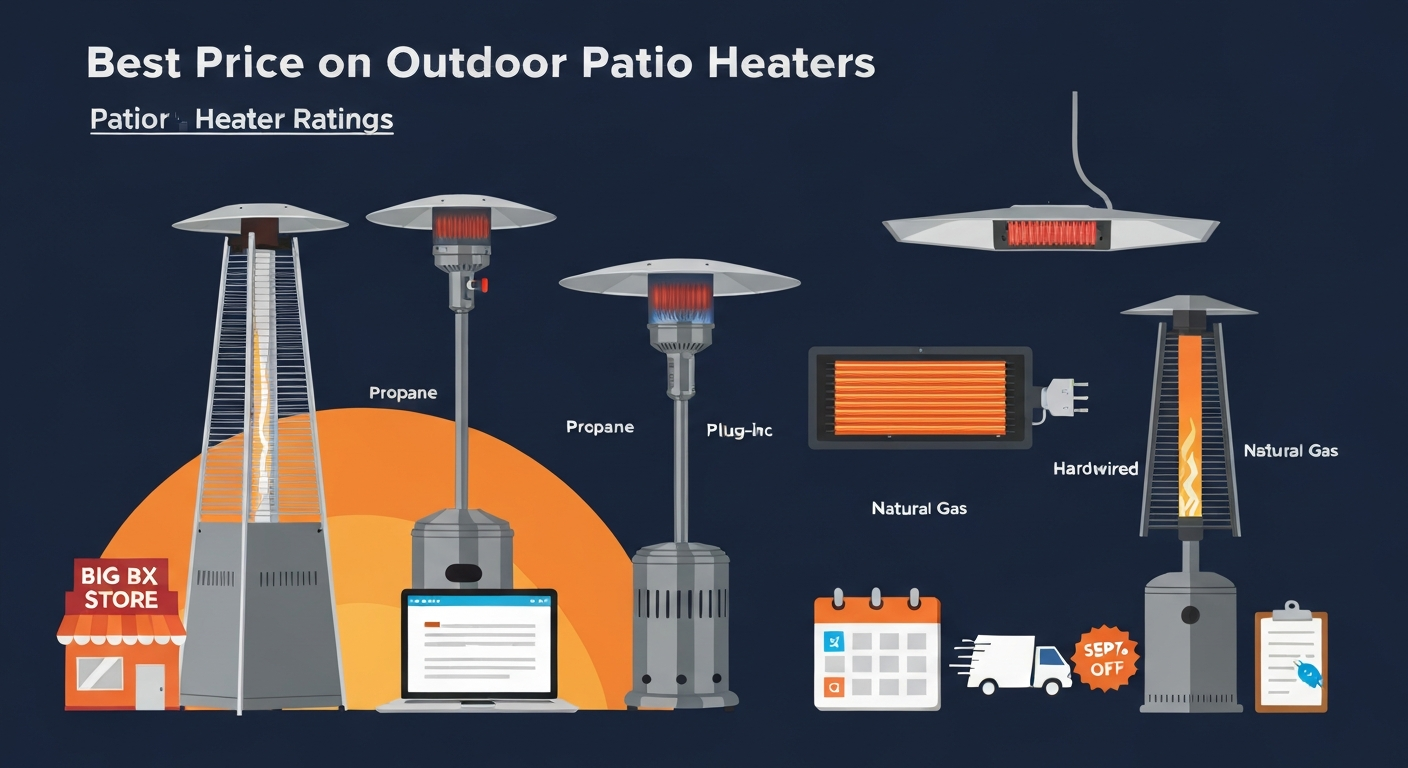
Best Price on Outdoor Patio Heaters: Compare Costs & Deals
Score the best price on outdoor patio heaters, price ranges, top picks, deal tactics, total-cost & safety checklist.
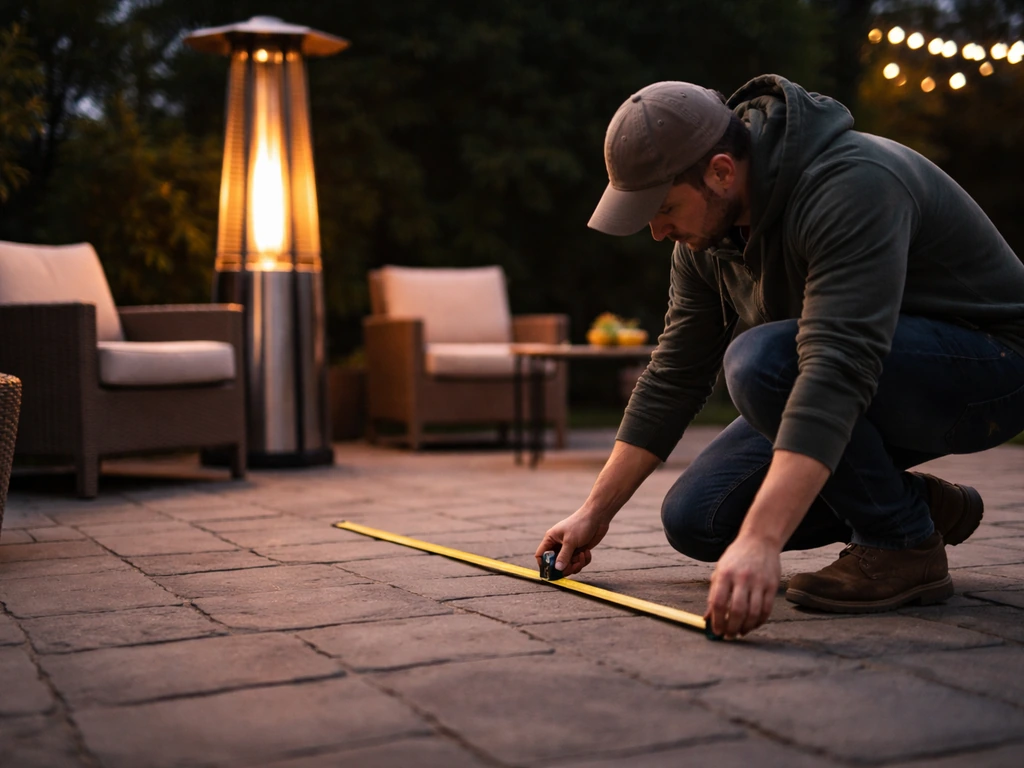
Where Can I Rent Patio Heaters Near Me Today
Find where to rent patio heaters near you today, choose the right fuel type, compare costs, and book safely.
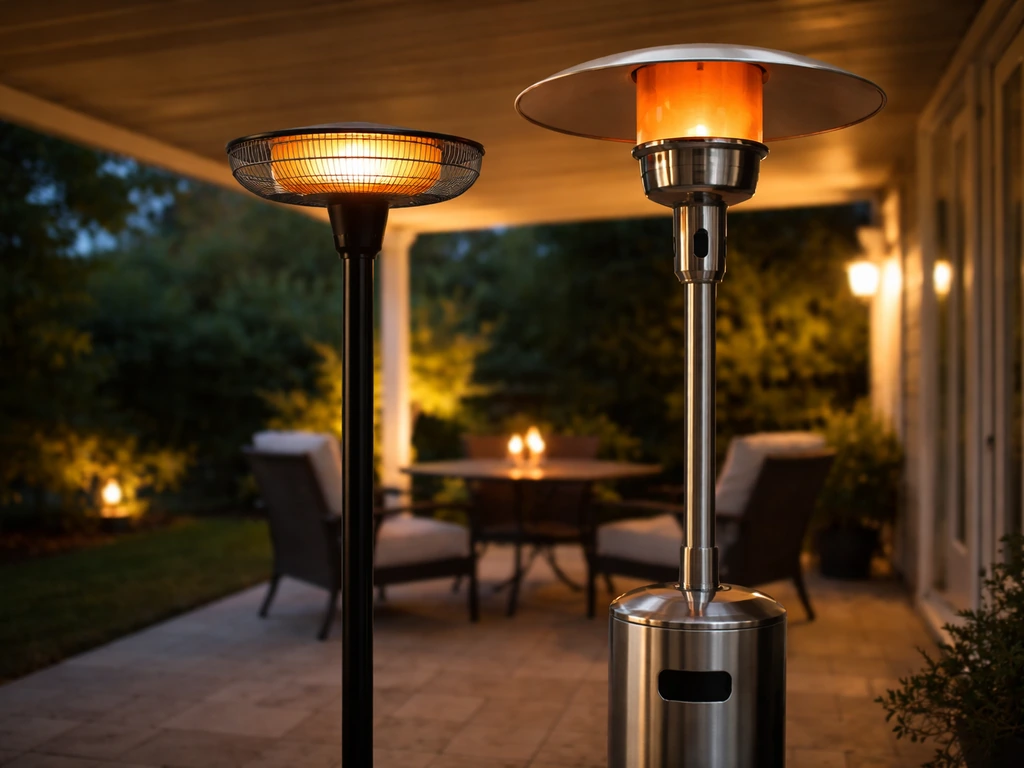
Where to Buy a Patio Heater: Best Places and Types
Where to buy a patio heater now, plus electric vs gas vs propane tips, safety checks, and size/BTU buying checklist.