
You can heat a backyard patio reliably without spending more than $200. The best budget patio heaters are freestanding 46,000 BTU propane towers in the $130–$250 range, 1,500 W plug-in infrared panels under $150, and tabletop propane units under $100. Each type covers a specific need, and knowing which one matches your space, fuel access, and usage pattern is the difference between a heater you use every weekend and one that collects dust in the garage.
Best Budget Patio Heater Buying Guide & Top Affordable Picks

Caleb Vale
14 Jul 2026
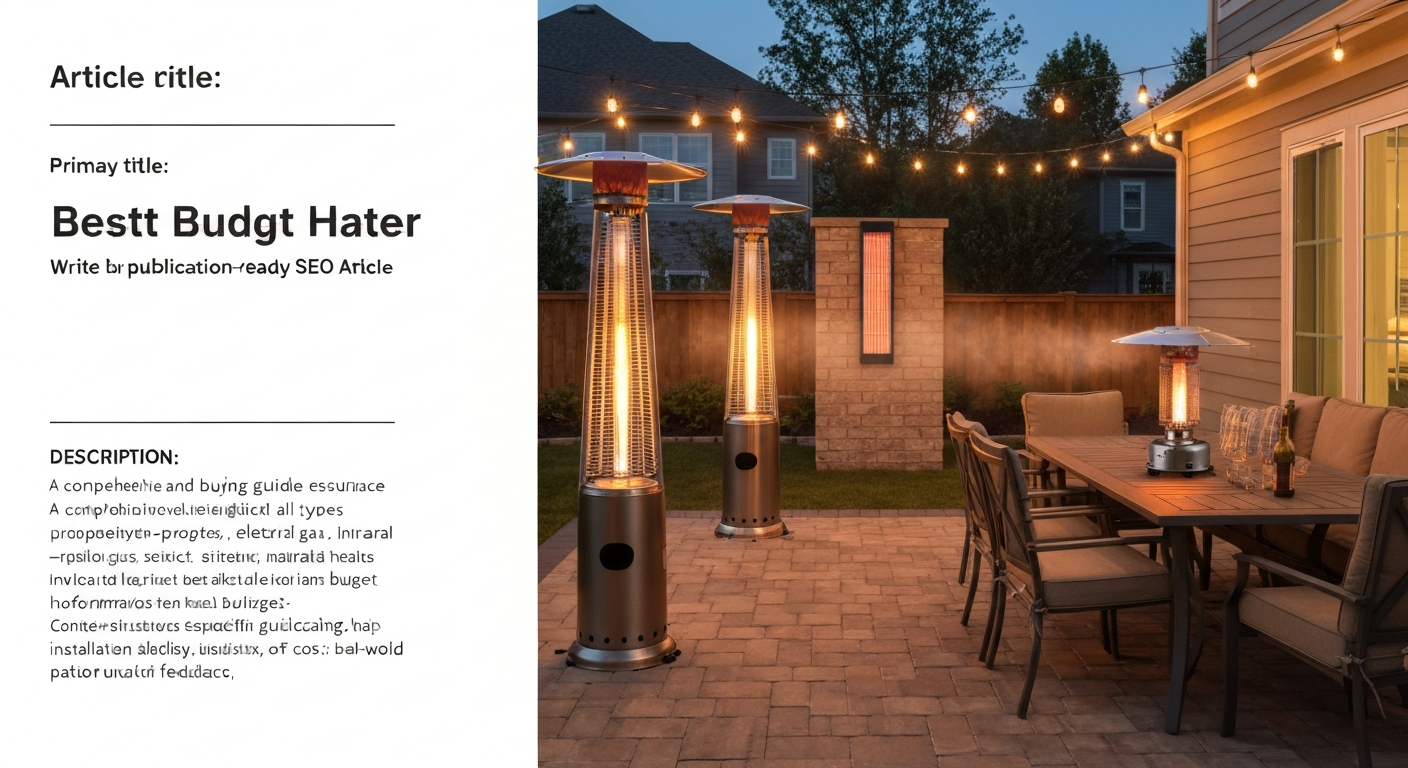
Top budget patio heater picks at a glance
- AmazonBasics 46,000 BTU Propane Tower — best all-around budget freestanding pick for open patios up to ~300 ft²
- Fire Sense 46,000 BTU Stainless Steel Propane Tower — best build quality under $250 for frequent use
- Hampton Bay 46,000–48,000 BTU Propane Tower — best big-box value with easy parts availability
- Heat Storm 1,500 W Infrared Panel — best budget electric pick for covered or semi-enclosed patios
- Generic tabletop propane heater (under $100) — best for balconies, small tables, and casual occasional use
- DIY natural gas conversion kit on a mid-range tower — best long-run value for homeowners with existing gas lines
Side-by-side comparison of top budget picks
| Model / Type | Price Tier | Fuel | Heat Output | Coverage | Portable? | Standout Pro |
|---|---|---|---|---|---|---|
| AmazonBasics 46K BTU Tower | $70–$200 | Propane | 46,000 BTU | ~300 ft² | Yes (wheeled base) | Lowest entry price for full-size output |
| Fire Sense 46K BTU SS Tower | ~$200–$250 | Propane | 46,000 BTU | ~300 ft² | Yes (wheeled base) | Better finish, stainless resists rust longer |
| Hampton Bay 46–48K BTU Tower | $150–$300 | Propane | 46,000–48,000 BTU | ~300 ft² | Yes (wheeled base) | Parts stocked at Home Depot stores |
| Heat Storm 1,500 W Infrared Panel | $100–$200 | Electric (120V) | ~5,100 BTU (1,500 W) | ~150–200 ft² focused | Yes (wall/bracket mount) | Zero local emissions, ~$0.25/hr to run |
| Tabletop Propane Heater | Under $100 | Propane (1 lb cyl) | 10,000–12,000 BTU | ~6–8 ft radius | Highly portable | Fits small balconies, lowest upfront cost |
| Natural Gas Tower (converted/piped) | $200–$400 installed | Natural Gas | 40,000–48,000 BTU | ~300 ft² | No (fixed) | Lowest ongoing fuel cost, no tank swaps |
How we chose these heaters
Every pick here was evaluated against five criteria: measured or verified heat output (BTU or watts from manufacturer specs cross-referenced with independent testing by outlets like Popular Mechanics and Wirecutter), operating cost per hour calculated from EIA fuel price data, build durability based on owner feedback patterns and material specs, safety features (auto tip-over shutoff, CSA/UL listing, adequate clearance ratings), and realistic aesthetics for a home or restaurant patio. Wirecutter (The New York Times) documents controlled test methods and model comparisons for electric and propane patio heaters Wirecutter (The New York Times) documents controlled test methods and model comparisons for electric and propane patio heaters.. A model gets dropped if real-world buyer feedback consistently shows ignition failures, rust within one season, or a tip-over risk that the base design does not adequately address.
For the budget category specifically, I applied an additional filter: the heater must justify its price against the next tier up. A $150 propane tower that rusts out in 18 months is not actually a budget win. And a $250 unit with solid stainless construction and available replacement parts at the local hardware store often beats a $100 import in lifetime cost. That tradeoff runs through every recommendation below.
Decision checklist before you buy
Before comparing specific models, run through this checklist. It will immediately eliminate most of the wrong options for your setup. For a concise guide on what to look for when buying a patio heater, see our checklist. For a step-by-step selection guide, see how to choose an outdoor patio heater.
- Sizing and BTU: For open patios, plan for roughly 150–200 BTU per square foot. A 46,000 BTU tower heater effectively covers about 250–300 ft² in calm conditions. Electric infrared at 1,500 W covers a smaller but more focused zone, better for semi-enclosed spaces.
- Heat coverage shape: Tower heaters radiate outward from the top element in a dome pattern. Infrared panels direct heat in a beam. Know whether you need ambient warmth for a crowd or targeted heat for two or three seats.
- Fuel and running costs: At national average propane prices, a 46,000 BTU heater burns approximately 2.1 lb of propane per hour, costing roughly $2.00–$3.50/hr depending on local prices. A 1,500 W electric heater runs about $0.25/hr at the EIA national average of ~16.6 cents/kWh. Natural gas is cheaper per BTU but requires a fixed line.
- Portability: Wheeled freestanding propane towers move easily across a patio. Infrared panels mount to walls or ceilings and stay fixed. Tabletop units go anywhere there is a flat surface and clearance.
- Weather resistance: Look for a powder-coated or stainless steel finish if the heater will be left outside. Most budget units are not waterproof — they need a cover or storage in rain.
- Ignition type: Push-button piezo ignition is standard on budget models. Electronic ignition costs more but is more reliable in cold or wet conditions. Test ignition before your return window closes.
- Warranty and return policy: Budget models often carry a 1-year limited warranty. Buy from a retailer with a clear return policy (Home Depot, Lowe's, and Amazon all offer reasonable windows) so you can swap a defective unit without shipping hassle.
How this guide is organized by type and price
The sections below are organized by fuel type first, then by three price tiers within each type: entry-level (under $100), mid-budget ($100–$300), and best-value upper-budget ($300–$600). The $300–$600 tier is included because some buyers should stretch the budget slightly for a heater that will last several seasons rather than one. Within each tier, I give a concrete pick, what to expect from it, operating cost notes, and the honest tradeoffs. Natural gas and pellet sections address the budget angle differently because the upfront hardware cost is only part of the story.
Propane budget picks
Entry-level under $100: tabletop propane
Tabletop propane heaters in the $50–$100 range run on 1 lb disposable cylinders and put out 10,000–12,000 BTU. That is enough warmth for two to four people sitting within a 6–8 ft radius. They are the right call for a small balcony, a camping trip, or occasional patio use where you do not want to invest in a full-size unit. The tradeoff is real: 1 lb cylinders cost $4–$6 each and last about 1–2 hours at full output, so the operating cost per hour climbs quickly compared to a 20 lb tank. If you use one more than two evenings a week, move up to a 20 lb tank unit.
Mid-budget $100–$300: freestanding 46,000 BTU towers
This is where most buyers should land. The AmazonBasics 46,000 BTU tower, the Fire Sense 46,000 BTU Stainless Steel model, and the Hampton Bay 46,000–48,000 BTU units all live here and all deliver essentially the same core performance: a 46,000 BTU mushroom-style burner element on a freestanding pole, a weighted base (designed for sand or water ballast), push-button piezo ignition, and a heat radius of roughly 9 ft from the base. Popular Mechanics' 2026 hands-on testing found real-world coverage for these towers closer to 300 ft² under calm conditions, which matches what most buyers report.
The differences come down to finish and longevity. The AmazonBasics unit is often the cheapest and works fine, but the steel on lower-priced versions shows surface rust within one season in humid climates. The Fire Sense stainless model costs $50–$75 more and holds up noticeably better outdoors. The Hampton Bay is the pragmatic pick if you want replacement parts (glass tube, igniter) available the next day at a Home Depot store. All three use a 20 lb propane tank. At the EIA-referenced propane price of roughly $2.60–$3.00/gal in recent heating seasons, and using the industry-standard conversion of approximately 91,500 BTU per gallon, a 46,000 BTU heater burns about 0.5 gal/hr, costing you roughly $1.30–$1.50/hr on a 20 lb tank.
| Model | Price | Finish | Ignition | Durability Notes | Best For |
|---|---|---|---|---|---|
| AmazonBasics 46K BTU | $70–$200 | Painted steel | Piezo push-button | Surface rust in humid climates after ~1 season | Tight budgets, mild/dry climates |
| Fire Sense 46K BTU SS | ~$200–$250 | Stainless steel | Piezo push-button | Better rust resistance, holds up 2–3 seasons outdoors | Regular use, moderate-to-humid climates |
| Hampton Bay 46–48K BTU | $150–$300 | Painted or hammered bronze | Piezo push-button | Moderate; parts available at Home Depot | Buyers who want local parts/support |
Owner feedback across these three models is consistent: ignition reliability is the most common complaint, usually after the first winter season. The piezo igniters on budget models degrade faster in wet climates. The fix is a long-reach BBQ lighter, which costs $3 and eliminates that frustration. Buyers who store the heater under a cover or indoors between uses report far fewer ignition issues.
Best-value upper-budget $300–$600: step up or stay put?
Once you cross $300 on a propane tower, you are paying for better steel, a more reliable electronic ignition, and sometimes a higher BTU rating (up to 50,000–60,000 BTU on commercial-grade freestanding models). For a home patio used seasonally, the Fire Sense stainless at $200–$250 is hard to beat. The upgrade argument gets stronger if you run the heater four or more nights a week through a six-month season, in which case the more durable ignition and weather-resistant finish will pay back the price difference in avoided replacement and repair costs.
Electric budget picks
Entry-level under $100: basic plug-in radiant panels
Basic 750 W–1,200 W plug-in radiant heaters in the $40–$80 range are sold everywhere and work fine as supplemental warmth for a small covered porch. Do not expect them to heat an open patio, they are directional, low-output devices best used within 4–6 ft of the element. Their only real advantage at this price is the operating cost: a 1,000 W unit costs about $0.17/hr at national average electricity rates.
Mid-budget $100–$250: 1,500 W infrared panels
The Heat Storm 1,500 W infrared heater is the standard-setter here. At 1,500 W it delivers roughly 5,100 BTU of infrared radiant heat, which is far less than a propane tower but enough to keep two to four people comfortable on a covered patio or under a pergola when temperatures are down to about 40°F. It mounts to a wall or ceiling bracket, has no open flame, produces zero local combustion emissions, and costs roughly $0.25/hr to run at the EIA national average electricity rate of about 16. EIA Electric Power Monthly, residential $/kWh (used for $/hr example) reports a recent U.S. average residential electricity price around $0.166/kWh, which implies a 1,500 W heater costs about $0.25/hr (1.5 kW × $0.166/kWh ≈ $0.249/hr) EIA Electric Power Monthly — residential $/kWh (used for $/hr example). 6 cents/kWh. Installation is simple: plug into a standard 120V outlet. That simplicity is the main reason to choose electric over propane on a covered patio or balcony where a propane tank is impractical or against building rules.
The honest limitation of 1,500 W electric: it does not come close to the heat output of a 46,000 BTU propane tower. It is a targeted warming tool, not an ambient patio heater for a crowd. Buyers who purchase a 1,500 W panel expecting to heat a 400 ft² open patio in 45°F weather will be disappointed. Buyers who mount it above two chairs on a covered porch will be satisfied. Know which scenario you are in before you order.
Upper-budget electric $250–$400: dual-element or 240V options
Stepping up to 240V hardwired electric infrared heaters (typically 3,000–5,000 W) gets you into the 10,000–17,000 BTU range and meaningfully more coverage. These require a licensed electrician to wire a dedicated 240V circuit, which adds $150–$400 to the installed cost. For a permanent covered patio this can be the cleanest long-term setup, but it is not truly a budget play once installation is included. If you are looking purely at upfront hardware and operational simplicity at low upfront cost, the 120V 1,500 W panel is the right budget electric pick.
Infrared radiant budget picks
Infrared heaters warm people and objects directly rather than heating the surrounding air, which makes them more wind-resistant and efficient in open outdoor settings compared to convective electric heaters. Shortwave infrared (quartz or halogen tube) heaters produce an intense, visible orange glow and heat up instantly but are harsh if aimed directly at skin for long periods. Mediumwave ceramic infrared heaters have a softer, less glary output and are generally more comfortable for dining or lounging but take 30–60 seconds to reach full output.
For budget buyers, the practical distinction between infrared panels and standard electric radiant heaters is mostly marketing below the $200 price point. The Heat Storm 1,500 W unit mentioned above is genuinely infrared and the best tested option in this range. Wall-mount quartz tube heaters (often sold under generic brands for $60–$120) offer similar directed warmth but tend to have shorter element lifespans and fewer safety certifications. Stick with a named brand that carries a UL or ETL listing.
Natural gas budget options
Natural gas patio heaters are not truly budget-friendly at the point of purchase when you factor in installation. A gas-line extension and outdoor shutoff valve from a licensed plumber typically runs $300–$800 depending on the distance from your existing line, before you buy the heater itself. The hardware (a freestanding 40,000–48,000 BTU natural gas tower) sells for $200–$400. So the all-in installed cost for a first-time natural gas patio heater is realistically $500–$1,200.
Where natural gas wins on a budget is operating cost over time. Natural gas prices run significantly lower per BTU than propane in most U.S. markets, and you eliminate the $5–$7 tank-refill trips. If you already have a natural gas line close to your patio (within 10–20 feet) and are comfortable with a one-time plumbing cost, the long-run math often favors gas over propane for heavy users. If you do not have a nearby line, propane is the practical budget choice. A second path worth considering: some freestanding propane towers sold in the $150–$300 range can be converted to natural gas with a manufacturer-supplied or aftermarket orifice conversion kit ($20–$50), which keeps the hardware cost low while accessing cheaper fuel.
Pellet and wood-burning budget heaters
Wood-pellet patio heaters like the Solo Stove Tower are not budget products, the Solo Stove Tower retails around $700 MSRP as of 2025–2026. Popular Mechanics' 2026 testing put it at approximately 72,000 BTU output with a broad heat footprint, and it is genuinely impressive as a performance-plus-ambiance product. But it is not a budget pick, and it should not be presented as one just because it is cheaper than commercial gas heaters.
Small wood-burning fire pits in the $80–$200 range (basic steel bowl or ring designs) are the true budget entry point in the wood/biomass category. They produce real warmth and strong ambiance but come with meaningful limitations: open flames require more clearance (typically 10 ft from structures), they produce smoke and ash, they are banned on many apartment and HOA patios, and they are impractical in dry-climate fire-restriction zones. If open flame is allowed and you enjoy the social ritual of fire-tending, a $100–$150 fire pit bowl is a legitimate budget heating option for casual gatherings. If you need consistent, controllable heat for dining or entertaining, stick with propane or electric.
Installation and safety on a tight budget
Budget patio heaters are not complicated to install, but a few safety steps are non-negotiable regardless of price. For freestanding propane towers, always fill the base ballast reservoir with sand or water before first use, it takes 5 minutes and meaningfully reduces tip-over risk. Check that the auto tip-over shutoff (a tilt switch that cuts gas if the unit falls) actually triggers by gently tilting the unit a few degrees at the base before lighting it for the first time. If it does not shut off the gas, return the unit.
- Maintain at least 24–36 inches of clearance between the heater head and any overhead structure, awning, or umbrella — more for fabric that can ignite easily
- Keep at least 3 ft of clearance from the sides to furniture, plants, and railings
- Never use propane or natural gas heaters in fully enclosed spaces — carbon monoxide buildup is a real and serious risk; a covered porch with open sides is generally fine, a screened room or garage is not
- Inspect the propane hose and regulator for cracks or brittleness before each season; replace if any cracking is visible (hose assemblies cost $10–$25)
- Store propane tanks upright and outdoors — never in a garage, basement, or enclosed storage area
- Check local codes before installing any gas appliance; many municipalities require the heater to be CSA or UL listed, which rules out some very cheap imports
- For electric heaters in covered outdoor spaces, use a GFCI-protected outlet — code requires this in outdoor locations in most U.S. jurisdictions
A $10–$15 carbon monoxide detector rated for outdoor or garage use is a worthwhile addition to any setup that involves combustion on a partially enclosed patio. It is not required for open patios but is cheap insurance for transitional spaces like three-season rooms or screened porches.
Maintenance, lifetime cost, and energy cost estimates
Lifetime cost of a budget patio heater is almost entirely driven by fuel cost and replacement frequency, not the original purchase price. Here is a straightforward way to estimate it for the two most common budget setups.
For a 46,000 BTU propane tower: the heater consumes roughly 46,000 BTU/hr divided by 21,600 BTU/lb (standard propane energy content) = approximately 2.13 lb of propane per hour. A 20 lb tank holds about 4.6 gallons of propane. At an assumed price of $3.00/gallon (near the lower end of EIA-referenced residential propane prices in recent heating seasons), a full 20 lb tank costs roughly $14–$16 to refill and lasts about 8–9 hours at full output. Running the heater 4 hours/week for a 20-week season costs approximately $56–$70 in propane. Over three years that is $168–$210 in fuel plus the original $150–$250 hardware cost, for a total 3-year cost of roughly $320–$460.
For a 1,500 W electric infrared panel: at 16.6 cents/kWh (EIA national residential average), operating cost is 1.5 kW x $0.166 = approximately $0.25/hr. Running 4 hours/week for 20 weeks = 80 hours/season x $0.25 = $20/season in electricity. Over three years that is $60 in energy plus the $100–$200 hardware cost, for a total 3-year cost of roughly $160–$260. Electric wins on long-run operating cost, but only heats a much smaller zone.
Annual maintenance on budget propane towers is minimal: clean the burner head with a soft brush at season start to clear spider webs and debris (a common ignition problem), inspect and clean the thermocouple if ignition becomes unreliable, check the hose and regulator, and apply a light coat of protectant to painted steel surfaces to slow rust. Electric heaters require even less: wipe the element housing, check the mounting hardware, and confirm the GFCI outlet still trips correctly.
Real-world pros, cons, and owner feedback across budget models
Across hundreds of buyer reviews and independent test notes for budget propane towers, a few patterns repeat consistently. On the positive side: buyers love the heat output for the price, the assembly is genuinely straightforward (30–45 minutes), and the mobile base makes repositioning easy. On the negative side: ignition reliability drops after the first season, especially in humid or coastal climates; the glass tube on the heat element cracks if the unit is knocked over or moved roughly while hot; and cheaper painted-steel models show visible surface rust within 12–18 months if left outdoors uncovered.
For electric infrared panels, owners consistently praise the low running cost, the instant-on convenience, and the clean installation on a covered porch. The most common complaint is undersized heat output, buyers who expected a 1,500 W panel to heat an open 20x20 ft patio in 40°F weather are regularly disappointed. That is a realistic expectation problem more than a product defect, but it shows up in one-star reviews. Buyers who matched the panel to a covered, semi-enclosed space are mostly satisfied.
Wind is the common enemy of all budget outdoor heaters. Freestanding propane towers lose significant effective coverage in winds above 10–15 mph because the heated air disperses before it reaches the people below. Infrared heaters are more wind-resistant because they heat objects directly rather than air, which is one practical reason to consider an infrared panel over a propane tower for exposed or windy sites, even at lower output.
How budget picks compare to higher-end models
Reviewer-favorite picks from outlets like Wirecutter tend to land in the $300–$600 range for propane towers and favor models with electronic ignition, commercial-grade steel, and longer warranties (typically 2–3 years vs. 1 year on budget models). The heat output is usually the same 46,000–50,000 BTU range. What you are paying for above $300 is durability, ignition reliability, and a better warranty, not meaningfully more heat.
The Solo Stove Tower at ~$700 is a different category: it is a social and aesthetic product that also heats well, and its 72,000 BTU output genuinely exceeds what any budget propane tower delivers. It makes sense for buyers who want a fire-pit experience with more controlled combustion and broader heat. For a homeowner whose primary goal is warming a patio crowd efficiently and affordably, a $200 propane tower plus a $15 BBQ lighter and a $20 patio-heater cover is the more rational choice.
If you are trying to decide between a budget pick and a mid-tier reviewer favorite, the question to ask is: how many hours per season will this run? Under 60 hours per season, a budget model with proper care will perform acceptably. Over 100 hours per season or in a commercial restaurant context, the ignition reliability and build quality of a $350–$500 unit starts to pay for itself in reduced maintenance and fewer replacements.
Where to buy and how to get the best deal
Home Depot, Lowe's, Walmart, and Amazon all stock the core budget models. Big-box stores have the advantage of easy in-store returns and same-day parts availability for popular models like the Hampton Bay line. Amazon has the widest selection and frequently runs promotional pricing, but return shipping on a 40 lb patio heater is cumbersome, read the return policy before ordering. Direct-from-manufacturer purchases sometimes include a better warranty registration process but rarely offer lower prices than big-box or Amazon.
The best time to buy a patio heater is late September through October, when retailers clear summer inventory and prices drop 20–40% on freestanding models. Early spring (February–March) also brings promotional pricing ahead of the patio season. Avoid buying at full price in May or June if you can wait. For small businesses outfitting a restaurant patio with multiple units, buying in the off-season from a single retailer gives you negotiating leverage on price and simplifies warranty management if multiple units need service.
- Always buy from a retailer with a clear return window (at least 30 days) and test the ignition within the first week
- Register the warranty immediately after purchase — budget model warranties are short (1 year) and require registration to be valid with many manufacturers
- Buy a fitted patio heater cover ($15–$25) at the same time — it is the single cheapest way to extend the life of a budget unit
- If buying multiple units for a business, request a commercial discount or volume pricing from Home Depot Pro or a wholesale supplier
Best budget pick for each use case
Home patio (open, 200–400 ft²): A freestanding 46,000 BTU propane tower in the $150–$250 range is the straightforward answer. For more details and a direct recommendation, see the best patio heater for the money. For current shopping deals and top-rated models, see Best Buy patio heater recommendations (ac2b4948-1aa1-4752-abc6-b667faee083a). The Fire Sense stainless model or Hampton Bay are both solid choices. Fill the base, buy a cover, and keep a spare BBQ lighter in the cabinet below. If you're still unsure which patio heater to buy, consult our full buying guide for step-by-step help.
Balcony or small covered porch: A wall-mount 1,500 W infrared panel like the Heat Storm is the right call here. No open flame, no tank storage, no clearance issues with a low ceiling, and operating costs stay low. If your building or HOA prohibits open flame (very common in condos and apartments), this may be your only code-compliant option.
Small restaurant or bar patio (2–6 tables): Budget the $200–$300 range per heater and lean toward the Fire Sense stainless or a step-up commercial-grade unit. In a commercial setting, ignition reliability and durability matter more because the heaters run every night. Seriously consider natural gas if there is a line nearby, the installed cost pays back in two to three seasons of heavy use. Buying two mid-tier heaters is almost always better than buying four very cheap ones.
Portable use, tailgating, or temporary events: A tabletop propane heater under $100 running on 1 lb cylinders is purpose-built for this. It travels in a bag, sets up in 30 seconds, and provides enough warmth for a small group in a focused zone. For larger groups at a fixed temporary site, a wheeled 46,000 BTU propane tower with a full 20 lb tank is the most practical option.
FAQ
What are the best budget patio heaters overall for homeowners and small businesses?
Top budget picks (short list): - Best budget freestanding propane: AmazonBasics / Hampton Bay / Fire Sense 46,000 BTU propane towers (entry tier, $100–$300). - Best budget electric/infrared: 1,500 W wall‑ or ceiling‑mount HeatStorm / similar infrared units (tabletop/entry, $100–$250). - Best low‑operating‑cost radiant (budget conscious): small electric infrared patio heaters (for semi‑enclosed spaces). - Best compact/tabletop: tabletop propane or electric patio heaters under $100 for close‑range heat. These models balance upfront cost, common retail availability, simple ignition, and acceptable durability for casual use.
How do you define budget tiers for patio heaters in this guide?
Budget tiers used here: - Tabletop/very‑budget: under $100 (small tabletop propane/electric). - Entry/most popular: $100–$300 (freestanding propane towers, entry electric infrared). - Upper‑budget/light premium: $300–$600 (higher‑build propane towers, larger electric/infrared). These tiers reflect typical big‑box and online market pricing and match how most buyers trade off cost vs. features.
Which fuel type is best when shopping on a tight budget: propane, electric/infrared, natural gas, or pellet?
Tradeoffs: - Propane: highest instantaneous BTU and best for open outdoor areas; common budget towers at 46,000 BTU. Higher fuel cost and refills required. Good if you need large radiant footprint. - Electric/infrared: lower nominal BTU (≈5,000 BTU for 1,500 W) but cheaper/cleaner to run for small/semi‑enclosed spaces and simple installation (no fuel). Best when you can place units close to occupants. - Natural gas: low operating cost if you already have a hookup; higher install cost and usually not in the strict “budget” category unless existing line present. - Pellet/wood: strong radiant heat and ambiance but higher upfront/handling — usually not a true budget pick. Choose propane for open areas and electric infrared for covered/smaller areas on a tight budget.
What testing and selection methodology should be used to compare budget patio heaters?
Transparent methodology: - Select representative models across fuel types and price tiers typical of big‑box/online listings. - Verify manufacturer specs (BTU, wattage, coverage, dimensions). - Measure heat footprint: use IR thermometer / thermal camera at fixed distances and map comfortable radius in calm conditions. - Test ignition/reliability (cold starts and repeated cycles). - Evaluate run time and operating cost using BTU→fuel energy conversions and current fuel prices (EIA for propane/electric). - Assess build quality, portability, weather resistance, and ease of assembly. - Use consumer feedback/return rates to capture durability trends. Report both measured data and subjective comfort.
How do I size a patio heater? What BTU or wattage should I look for?
Sizing rules of thumb: - Open outdoor spaces: choose high‑BTU propane towers (40,000–50,000+ BTU) for a usable radius of ~8–12 ft; multiple units often needed for full coverage. - Semi‑enclosed patios: electric/infrared 1,500–3,000 W units are effective when placed close to seating; several units may be needed to cover larger areas. - Tabletop/close‑range heating: under 5,000 BTU or 1,500 W is sufficient for a small group. Consider wind: radiative heat is easily dissipated outdoors, so add capacity or windbreaks for windy sites.
How do I estimate operating cost for propane and electric budget heaters?
Quick estimate method: - Propane: use heater BTU rating and propane energy content (~91,500 BTU/gal or ~21,600 BTU/lb). Example: 46,000 BTU ≈ 46,000 ÷ 91,500 ≈ 0.50 gal/hr. Multiply by local $/gal (EIA weekly propane series) for $/hr. - Electric: convert watts to kW (1,500 W = 1.5 kW) and multiply by local $/kWh (EIA Electric Power Monthly). Example at $0.166/kWh: 1.5 kW × $0.166 ≈ $0.25/hr. Include duty cycle: many units cycle or are throttled; estimate average runtime % (e.g., 60–80%) rather than continuous full power.
Next Articles
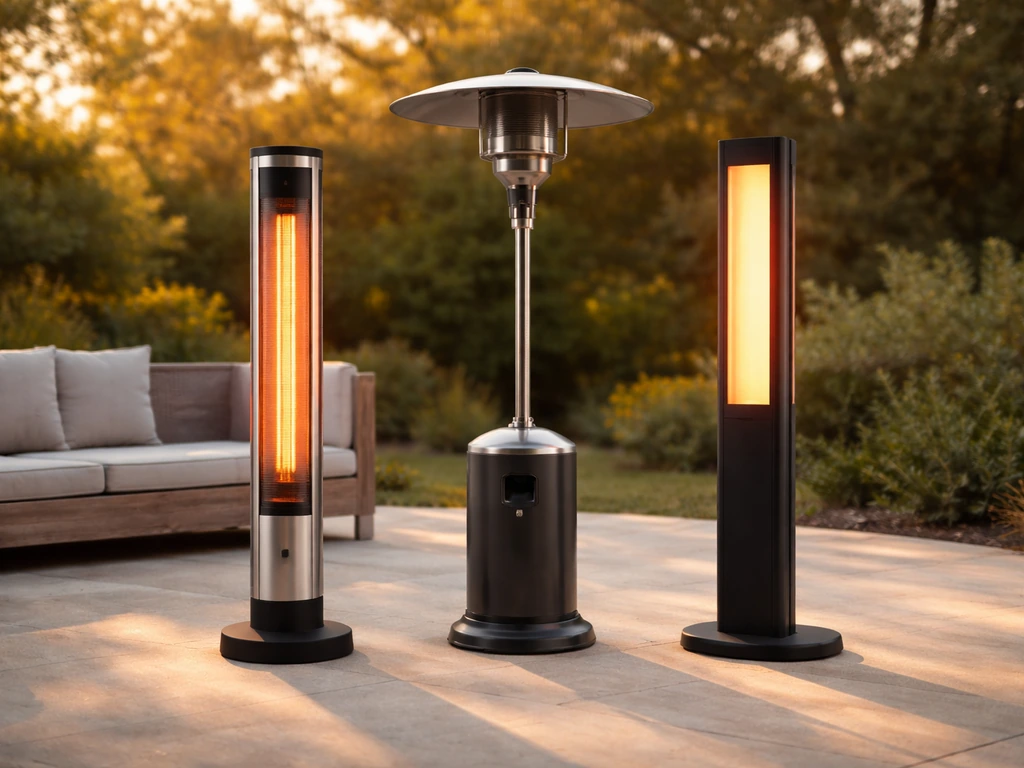
Best Buy Patio Heater Guide: Choose the Right One Today
Guide to the best buy patio heater: size, compare electric, propane, natural gas, infrared options, plus safety and setu
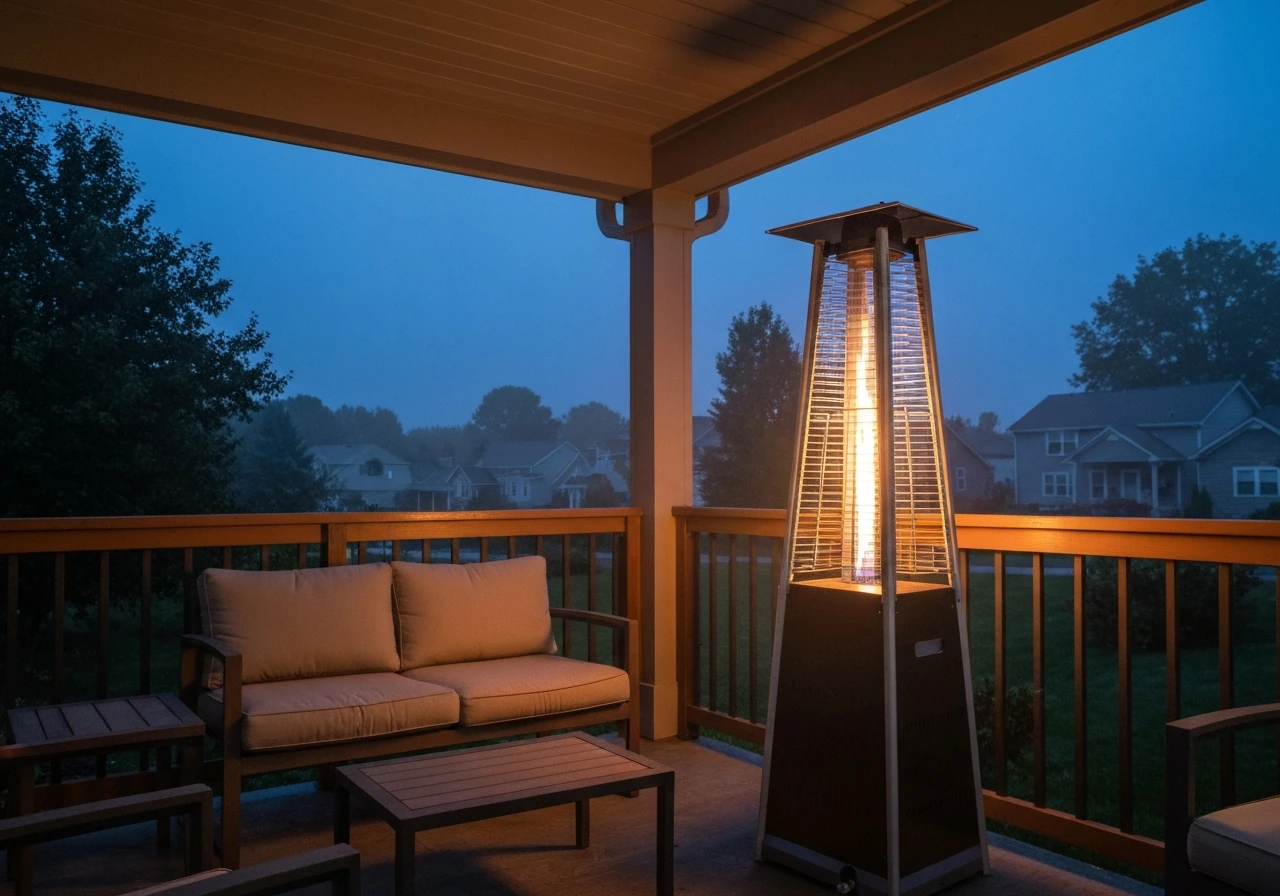
Wirecutter Best Patio Heater Guide: Picks by Type
Wirecutter-style picks for the best patio heater by type, with safety, coverage, setup, and buying steps.
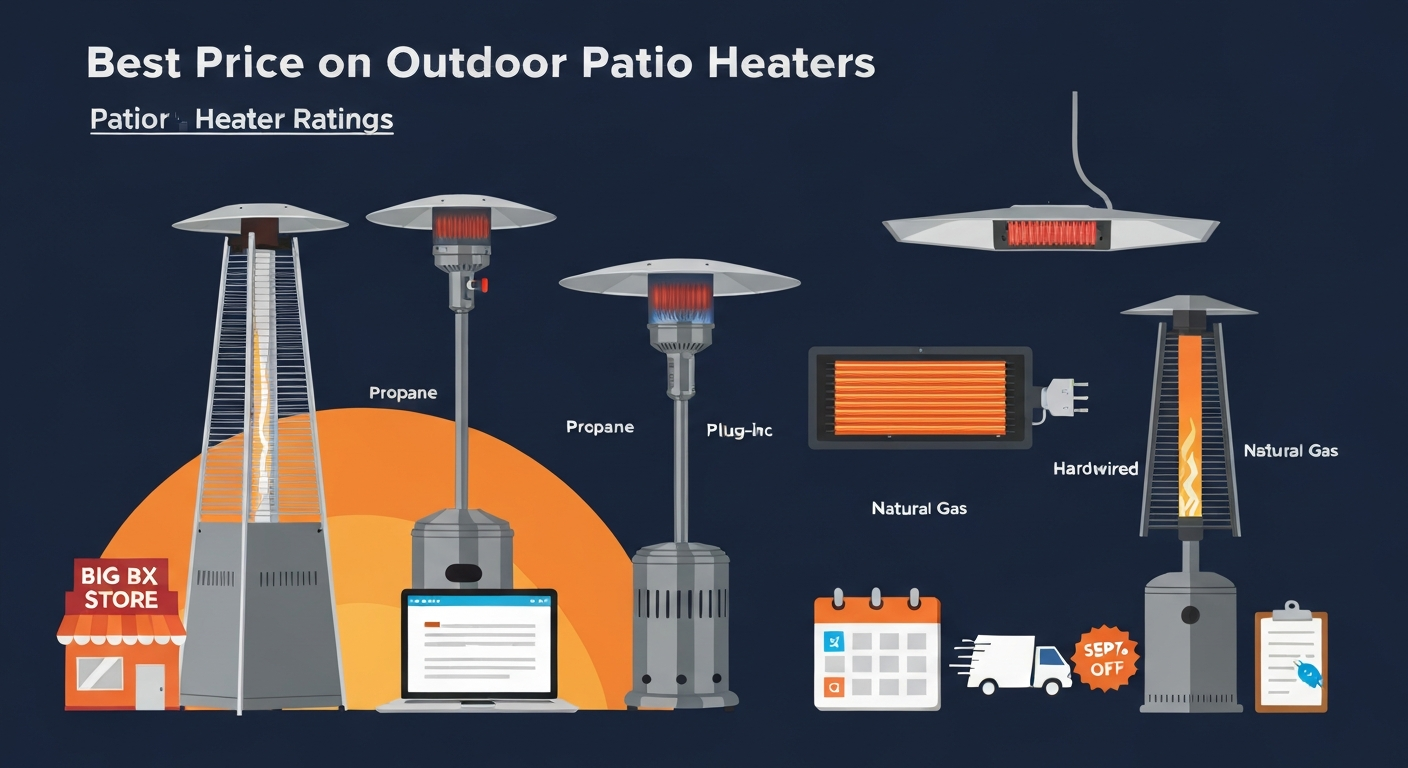
Best Price on Outdoor Patio Heaters: Compare Costs & Deals
Score the best price on outdoor patio heaters, price ranges, top picks, deal tactics, total-cost & safety checklist.