
The best type of patio heater depends on three things you need to nail down before you buy: whether you want portable or permanent, what power source you have access to, and how exposed your patio is to wind. For most people with a standard covered or semi-covered patio and a standard electrical outlet, a plug-in electric infrared heater is the easiest, most practical choice. If you need serious heat output for a large or open patio without running new wiring, a propane heater is the next best bet. Natural gas is the right answer when you're doing a permanent install and already have a gas line nearby. Pellet and specialty heaters are for a specific niche. Here's how to figure out exactly which category fits your setup.
Best Type of Patio Heater: Propane, Electric, Gas, Infrared

Caleb Vale
15 Jun 2026
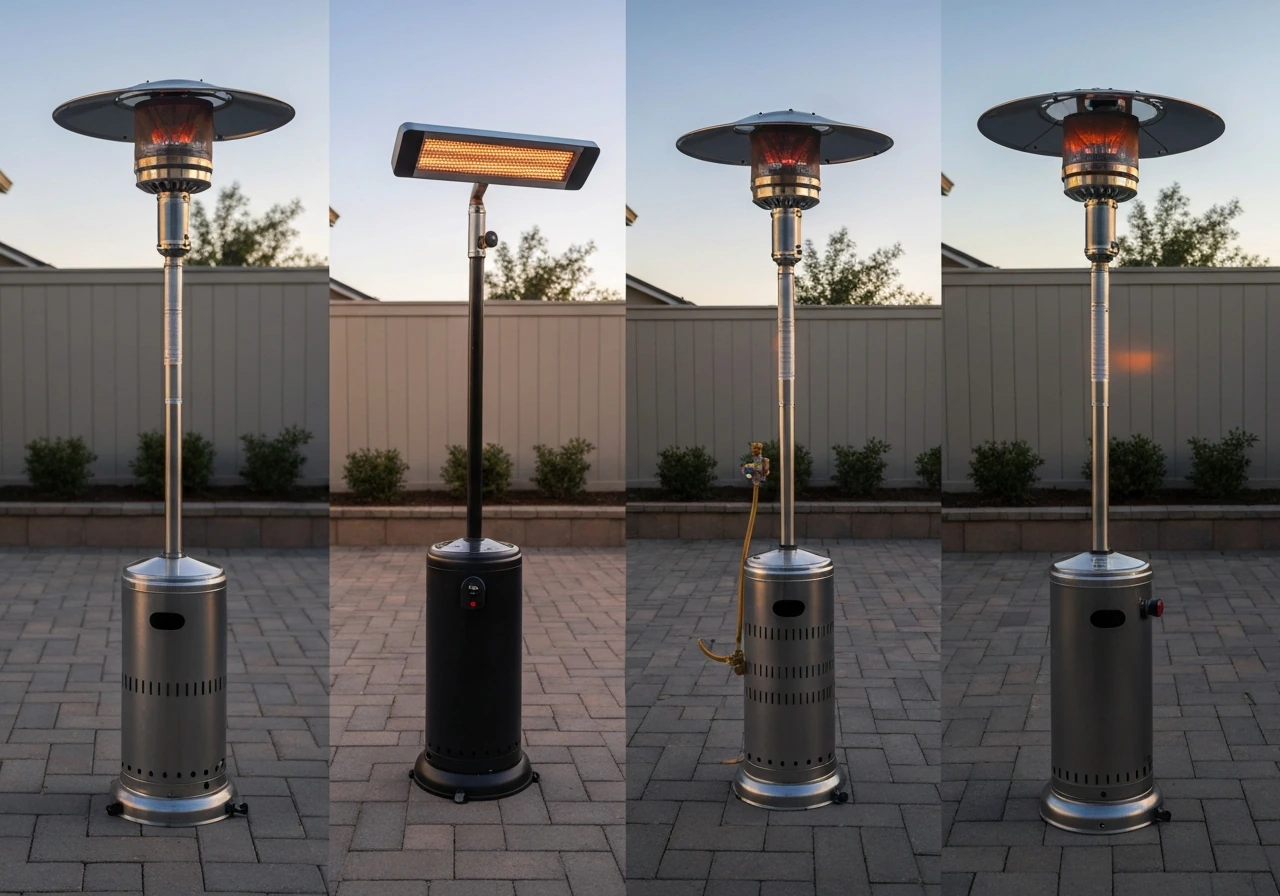
How to choose the best patio heater type for your specific patio and climate
Before you even look at models, you need four pieces of information about your situation: your patio's square footage, how exposed it is to wind, how cold it gets where you live, and what power or fuel sources you can realistically access. These four factors will eliminate two or three heater categories immediately and make the right choice obvious.
Start with square footage. A commonly used baseline is about 30 BTU per square foot for outdoor use. That's a starting point, not a hard rule. Wind exposure, ceiling height, and how close people sit to the heater all change how many BTUs you actually need for comfort. A 40,000 BTU portable propane heater, for example, is typically rated for around 115 square feet of coverage. A 50,000 BTU unit can push warmth across an 18 to 20 foot diameter area, but that's under calm conditions. Add wind and real felt warmth drops significantly. Radiant heat intensity also falls with distance roughly proportional to the square of how far you are from the heater, so placing people 10 feet away instead of 5 feet away doesn't just halve the warmth you feel, it cuts it by a factor of four.
Wind is the biggest wildcard in patio heating. Both manufacturer manuals and field testing confirm that breezy or wind-swept conditions reduce the effectiveness of outdoor radiant heating noticeably. If your patio is open and exposed, add a windbreak (a fence, glass panel, or lattice screen) before you size heaters. Without one, you'll overspend on BTUs trying to fight the wind. For patios that are consistently windy, plan to use multiple smaller heaters positioned over seating areas rather than one large central unit, this approach keeps heat where people actually sit.
Then consider your climate lows. If you live somewhere that dips below 30°F regularly, electric heaters need to be high-wattage or mounted close to seating to keep up. Propane and natural gas handle cold climates better because their BTU output doesn't degrade with temperature the way some electric elements can. If you're mostly extending a mild-weather season, a mid-range electric infrared unit is usually plenty.
Quick sizing checklist before you shop
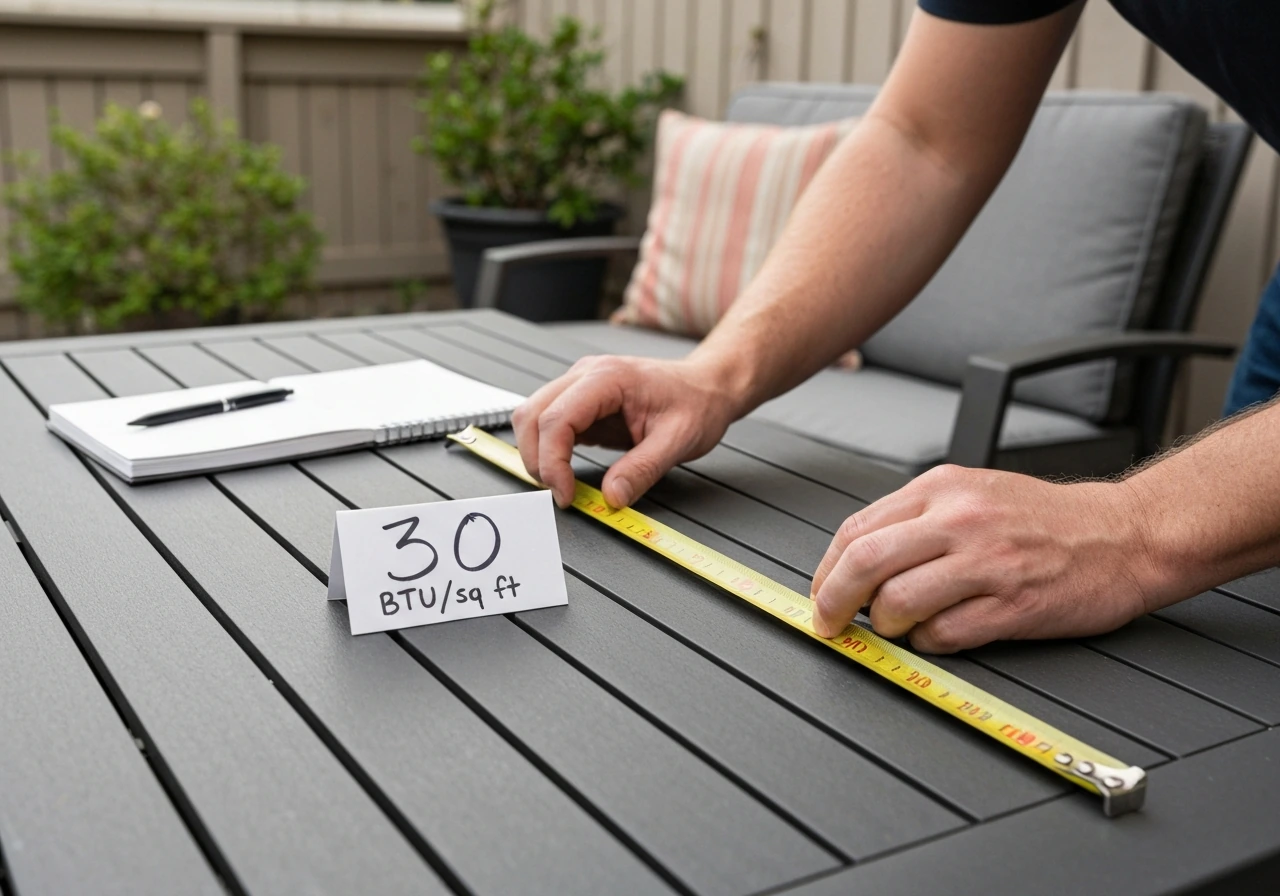
- Measure your usable patio area in square feet (length x width of the heated zone, not the entire patio).
- Multiply by 30 BTU per sq ft as a baseline — for example, a 200 sq ft seating area needs roughly 6,000 BTU minimum.
- Add 25 to 50 percent if your patio is exposed to regular wind or is uncovered.
- Identify your closest power source: standard 120V outlet, 240V dedicated circuit, gas line, or none of the above.
- Decide: permanent install or portable (do you need to store it in winter or move it around)?
Infrared vs convection vs radiant: what 'type' actually means
These terms get mixed up constantly, and it's worth sorting them out because they genuinely affect which heater works best for your situation. Convection heaters warm the air around them. The warm air rises and circulates, eventually raising the ambient temperature of the space. This works reasonably well indoors or in very enclosed patios, but outdoors it's mostly a waste, warm air just floats away. Almost no one recommends convection-style heaters for open patios.
Radiant heaters work differently: they emit infrared radiation that warms objects and people directly, similar to how sunlight feels warm even on a cold day. You feel the warmth immediately without waiting for the air to heat up. This is why radiant infrared heaters dominate outdoor heating. Research on thermal comfort confirms that radiant systems affect comfort through a combination of air temperature and mean radiant temperature, and in outdoor settings where air temperature is hard to control, raising the radiant temperature component is the most efficient path to actual comfort.
Infrared is a subset of radiant heating. All infrared patio heaters are radiant, but not all radiant heaters operate at the same infrared wavelength. Short-wave (near infrared) heaters produce intense, focused warmth and a visible glow. Medium and long-wave infrared heaters run cooler, feel gentler, and are often preferred for closer seating distances. Electric infrared heaters from brands like Bromic are specifically designed as directional radiant units that target people in a defined zone rather than trying to raise the ambient air temperature, which is exactly what you want outdoors.
When a manufacturer or review site calls something a 'radiant propane heater' or 'infrared electric heater,' they're all describing the same core principle: heat the people, not the air. The fuel type (propane, electric, natural gas) is separate from the heat style. Keep both dimensions in mind when comparing models.
Propane patio heaters: strong output, true portability, ongoing fuel cost
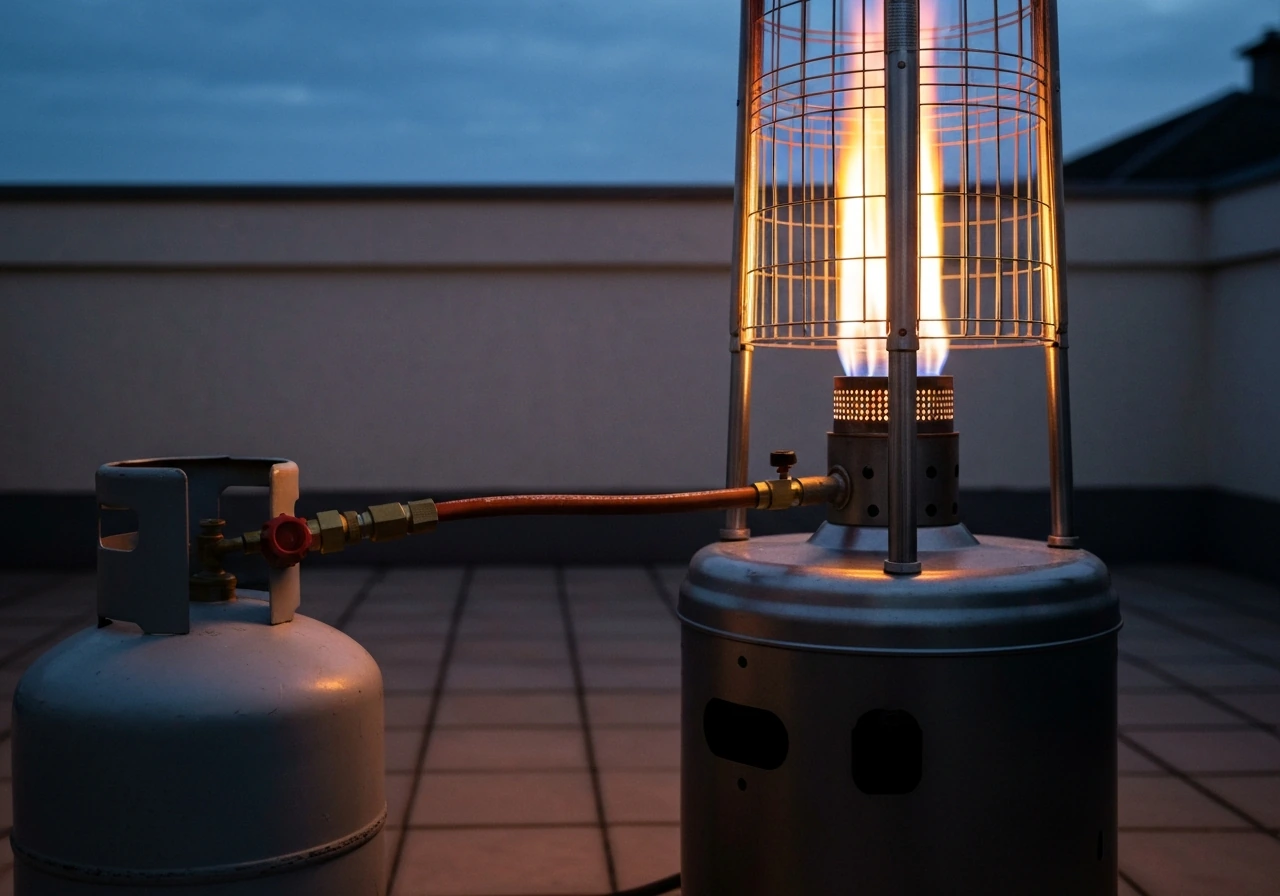
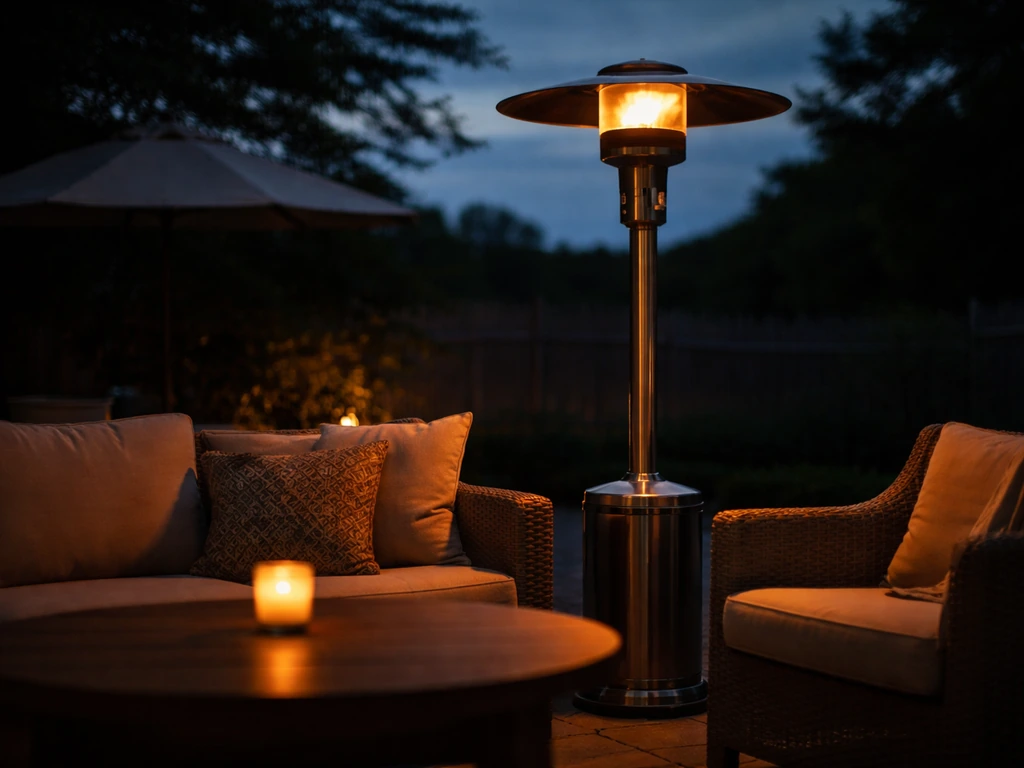
Propane is the most popular choice for good reason. You get high BTU output (most consumer portable units run 40,000 to 50,000 BTU), you don't need any electrical wiring, and you can move the heater anywhere on your patio or take it to another location entirely. For renters, event setups, restaurant patios, or anyone who doesn't want a permanent install, propane is the default answer.
The tradeoffs are real though. You have ongoing fuel costs, a standard 20 lb propane tank at full burn on a 40,000 BTU heater lasts roughly 8 to 10 hours. If you run the heater several nights a week through a full season, propane costs add up. You also need to manage tank swaps and storage, which isn't a dealbreaker but is something to plan for. And as noted above, wind significantly cuts into how effective that high BTU output feels in practice.
Setup is minimal: most portable propane heaters are freestanding mushroom-style towers that connect to a standard 1 lb or 20 lb propane cylinder. Assembly takes under 20 minutes. For larger commercial-grade fixed propane radiant heaters (like a 50,000 BTU Reznor-style unit), you're looking at a more involved installation with mounting hardware and a dedicated propane supply line, which moves it closer to the natural gas category in terms of complexity.
Safety with propane comes down to placement and cylinder handling. Keep the heater at least 3 feet from any combustible material (check your specific model's clearance table for exact figures, gas-fired radiant heaters have specific clearance-to-combustibles requirements based on surface temperature). Never use propane heaters in enclosed spaces. Follow cylinder connection and storage guidelines from propane safety resources, and always check fittings for leaks before use.
Best fit for propane
- Large or open patios where running electrical wiring isn't practical.
- Renters or anyone who needs a portable, no-install solution.
- Event or restaurant use where heaters move between locations.
- Climates with cold winters where high BTU output is needed.
- Anyone comfortable with periodic propane tank management.
Electric patio heaters: the easiest setup, with real limitations in wind and cold
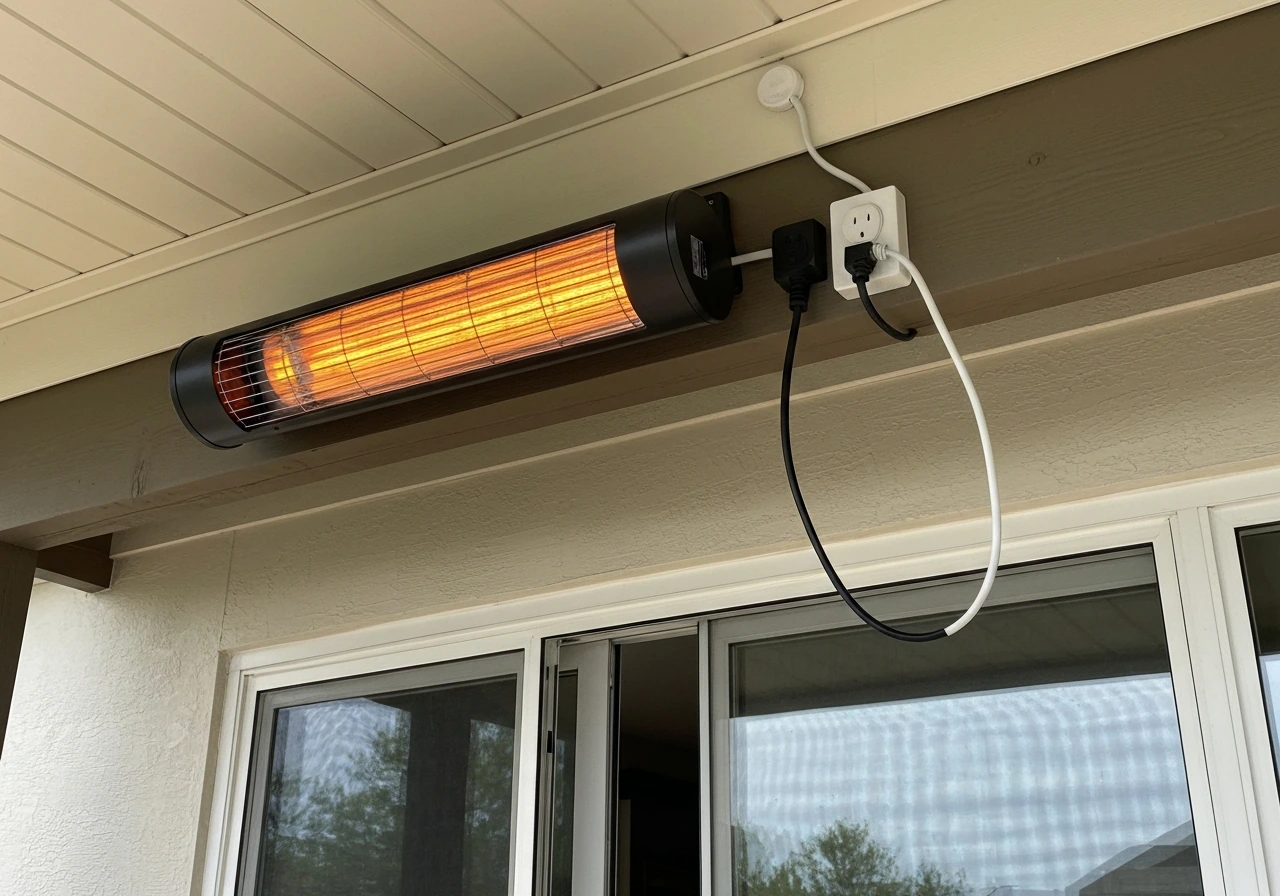
Electric infrared heaters are my first recommendation for anyone with a covered or semi-covered patio and access to a standard outlet. The setup is as simple as it gets: mount the unit on a wall or ceiling, plug it in (or hardwire it for a cleaner look), and you have instant, directional warmth with zero fuel management. No tanks, no gas lines, no combustion byproducts. They're also quiet, which matters more than people expect.
Most residential electric patio heaters run between 1,500 and 4,000 watts. A 1,500W unit on a standard 120V outlet is a practical starting point for a small covered patio. For larger areas or colder climates, you'll want a 240V unit in the 3,000 to 4,000W range, which requires a dedicated circuit, factor that installation cost into your budget if you don't already have one. Operating cost is predictable: at average US electricity rates around $0.16/kWh, a 1,500W heater running 3 hours costs roughly $0.72 per session. A 4,000W unit running 3 hours costs about $1.92.
Where electric heaters fall short is in open, windy conditions and extreme cold. Because the heat is radiant and directional, wind doesn't dissipate it as dramatically as it does warm air, but very strong wind still disrupts comfort. More importantly, the BTU equivalent of most electric heaters (1,500W is roughly 5,100 BTU) is much lower than a propane unit. In genuinely cold climates (below 25°F), electric heaters often can't keep up without multiple units.
Safety considerations for electric units are different from gas. The NFPA specifically cautions against using power taps, multi-plug adapters, or extension cords with outdoor electric heaters, use a dedicated, weatherproof outdoor receptacle with GFCI protection. For portable electric units, a tip-over auto-shutoff feature is important, especially on open patios where accidental contact is more likely. Always verify your specific model's clearance to combustibles, even electric infrared heaters have model-specific clearance requirements that need to be respected, particularly when mounting under a covered patio ceiling.
Best fit for electric
- Covered or semi-covered patios where a standard or 240V outlet is nearby.
- Mild to moderate climates where temperatures stay mostly above 30°F.
- Users who want zero fuel management and simple on/off convenience.
- Spaces where safety concerns about open-flame combustion are a priority.
- Smaller patios or targeted seating zones where directed warmth is the goal.
Natural gas patio heaters: the right answer for permanent, high-use installs
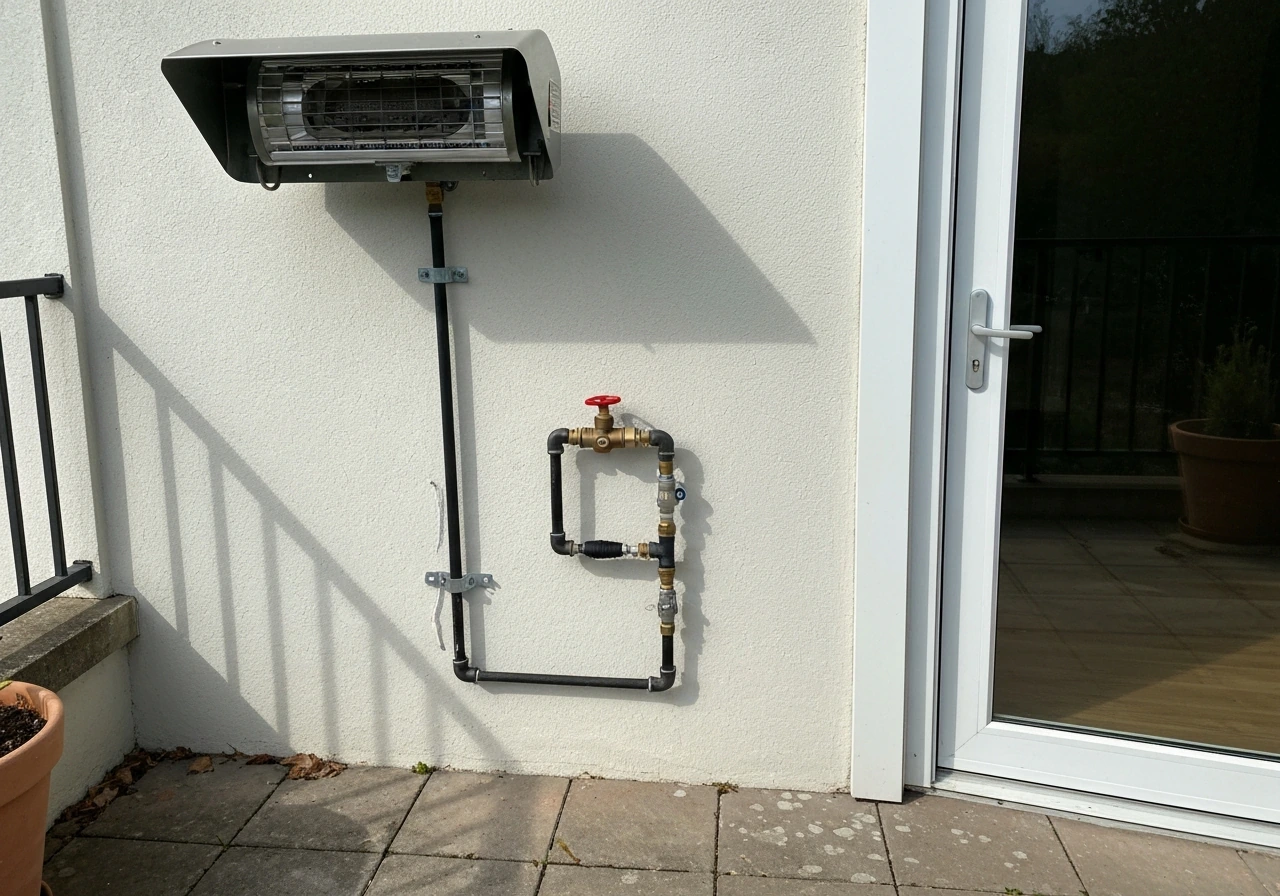
If you're planning a permanent outdoor heating setup and already have a natural gas line running to your home, natural gas patio heaters are hard to beat for long-term value. Once installed, the cost per BTU of natural gas is consistently lower than propane or electricity. You never run out of fuel mid-evening, and you never deal with tank swaps. For restaurants, bars with fixed patios, or homeowners doing a serious outdoor living space renovation, this is often the best choice over a 5 to 10 year time horizon.
The catch is upfront complexity. A natural gas patio heater install requires a dedicated gas line run to the patio, proper connections by a licensed plumber or gas fitter in most jurisdictions, and compliance with venting and clearance rules under building codes like IRC Chapter 24. This includes specific clearance distances from combustible materials, regulator vent outlet clearances, and in some cases permitting. Clearance requirements for gas-fired radiant patio heaters are defined by surface temperature rise above ambient, for example, the stated clearance to combustible materials for some models corresponds to a surface temperature rise of 90°F above room temperature, with minimum mounting heights typically no lower than 7 feet from floor level. These aren't guidelines to estimate around, they're safety-critical specs.
For performance, fixed gas radiant patio heaters deliver engineered heat distribution patterns across a defined span, which is a significant advantage over portable units. High-intensity gas radiant heaters in the 50,000 BTU range are designed to create an even heat pattern rather than a hot spot directly below the unit. This matters for commercial setups where you need consistent comfort across a larger seating area rather than a single focal point of warmth.
Best fit for natural gas
- Permanent outdoor living spaces where the heater will be used heavily every season.
- Homes or commercial properties already connected to a natural gas line.
- Restaurant, bar, or hospitality patios with professional installation resources.
- Anyone who wants to eliminate ongoing fuel costs and management permanently.
- Large covered or semi-covered patios requiring consistent, high-BTU output.
Pellet and specialty heaters: a niche choice with real appeal for the right buyer
Pellet patio heaters occupy a small but growing niche. Products like designer tabletop wood pellet heaters and outdoor pellet units combine ambient ambiance with actual heat output, and they appeal to buyers who want something that looks and feels more like a fire feature than an appliance. They produce a visible, clean-burning flame, and the pellet fuel is widely available and relatively inexpensive per BTU.
The practical limitations are significant though. Pellet heaters require fuel management (keeping pellets dry and stocked), produce ash that needs to be cleared, and aren't as weatherproof as gas or electric alternatives. Venting requirements for enclosed or semi-enclosed pellet appliances can be surprisingly involved, vent termination clearances, proper vent pipe throughout, and in some cases exterior wall penetrations similar to a wood stove install. For a true open patio, small tabletop pellet heaters are simpler, but their heat output is limited compared to propane or electric heaters at similar price points.
The best case for a pellet patio heater is a buyer who values aesthetics and the experience of a real flame, is willing to do a bit more maintenance, and is using it as a supplemental heat source alongside a primary heater rather than the sole heating solution. If you're comparing the cost and output of a pellet unit directly against propane or electric, propane and electric win on both counts. But if you want something that doubles as a design piece and conversation starter on a covered patio, pellet heaters deliver something the other types simply don't.
Best fit for pellet and specialty heaters
- Buyers who prioritize ambiance and visual flame over maximum heat output.
- Covered or semi-covered patios where a small, decorative heat source complements a primary heater.
- Users comfortable with fuel management and periodic ash removal.
- Anyone looking for a tabletop or portable feature piece rather than a performance heater.
- Patios where neither electrical wiring nor gas lines are available and propane isn't preferred.
Side-by-side comparison: which type wins for each scenario
| Scenario | Best Type | Why |
|---|---|---|
| Covered patio, standard outlet nearby, mild climate | Electric infrared | Easiest setup, zero fuel cost, clean operation |
| Open or large patio, no wiring, portable needed | Propane | High BTU, no install, fully mobile |
| Permanent install, existing gas line, heavy use | Natural gas | Lowest long-term cost, endless fuel supply |
| Windy exposed patio | Propane or natural gas with windbreak | Higher BTU output to compensate; windbreak is required |
| Small covered patio, ambiance priority | Electric infrared or pellet specialty | Electric for performance; pellet for visual flame |
| Restaurant or commercial patio | Natural gas fixed or propane (if portable) | Natural gas for fixed; propane for moveable setups |
| Cold climate (below 25°F regularly) | Propane or natural gas | Higher BTU ceiling than most electric units |
| Rental property or temporary setup | Propane portable | No permanent modifications required |
Key safety checks regardless of which type you choose
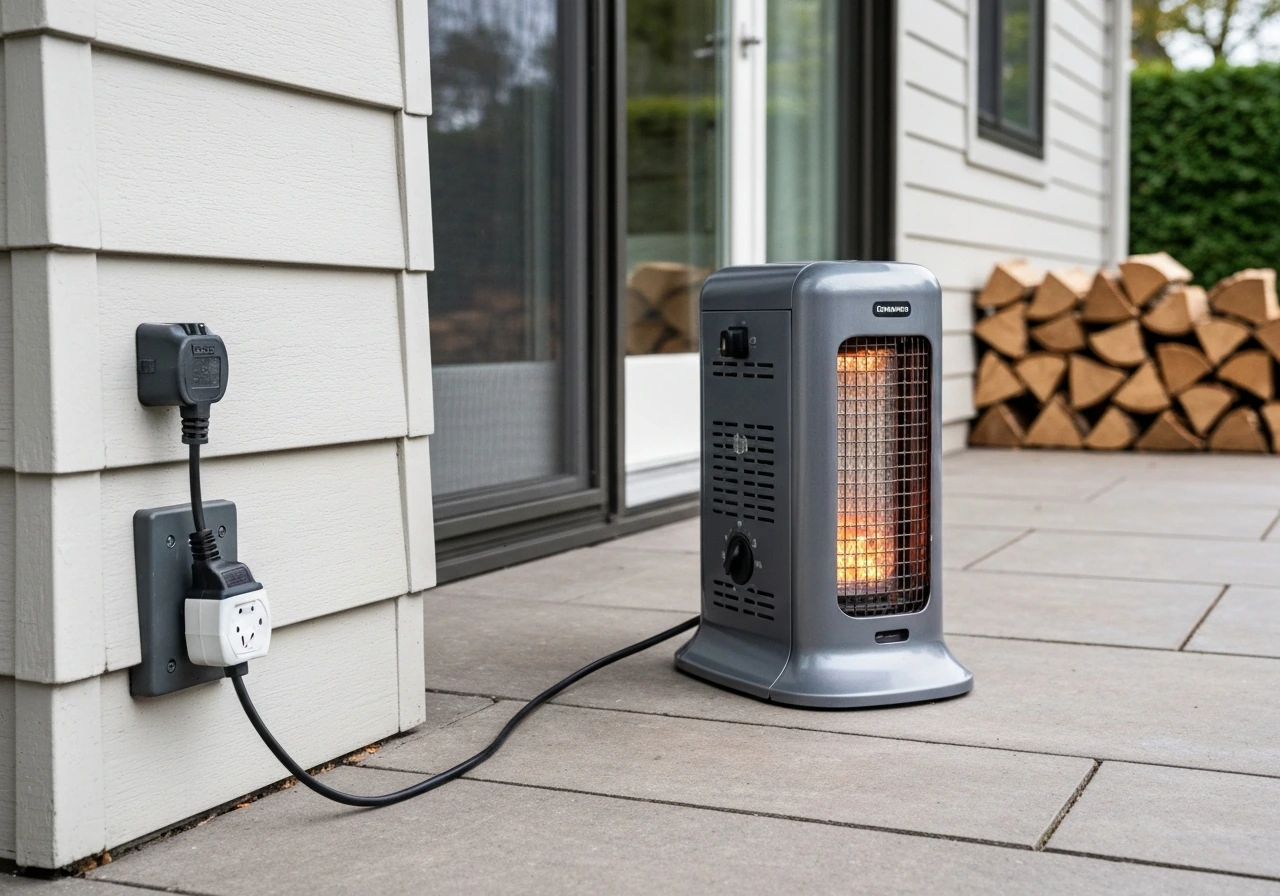
A few safety rules apply across all heater types. First, always check and follow the manufacturer's clearance-to-combustibles specifications for your exact model, these aren't conservative guidelines, they're minimum safe distances based on actual surface temperatures the unit produces. Gas-fired radiant heaters in particular have detailed clearance tables that differ from model to model, and mounting too close to a patio ceiling or wood structure is a real fire risk. The same applies to electric infrared units mounted under covered patios.
For electric heaters outdoors, use a dedicated weatherproof GFCI-protected outlet. The NFPA is explicit: don't use power strips, multi-plug adapters, or standard indoor extension cords with outdoor electric heaters. For portable electric units on the patio, confirm the model has an automatic tip-over shutoff, this feature exists for a reason and has been evaluated specifically for outdoor portable heater safety risk.
For propane, follow safe cylinder placement and connection practices: keep cylinders upright, outdoors, away from the heater's ignition source during connection, and check fittings for leaks before every use. Never operate propane heaters in enclosed or semi-enclosed spaces where combustion gases can accumulate. For fixed natural gas installs, have a licensed contractor do the gas line work and pull any required permits, the building code clearance and venting requirements for fixed gas radiant heaters are there to protect both occupants and structure.
Your next steps after picking a type
Once you've identified which category fits your patio, climate, and power situation, the process of comparing specific models gets much more focused. For propane shoppers, the main variables are BTU output, coverage area spec, tank size compatibility, and build quality for weather resistance. For electric, pay attention to wattage, voltage requirements (120V vs 240V), IP weather rating, and whether wall/ceiling mounting is included. For natural gas, you're comparing BTU output, heat distribution pattern, mounting hardware, and minimum installation clearances in the context of your specific patio structure.
If you're looking for specific model recommendations, our guides on the best patio heaters overall, the best gas patio heaters, and the best commercial patio heaters break down top-rated options by category with hands-on performance notes and real-world sizing guidance. If you’re specifically weighing fuel options, a guide to the best patio heaters gas can help you compare the right natural gas and propane setups for your space. If you want a quick starting point, review what are the best patio heaters by fuel type and coverage needs so you can narrow down the right fit. If you want the fastest path to the best patio heaters for your space, compare options by fuel type, heat style, and coverage area next best patio heaters overall. The right heater type narrows the field dramatically, from there, it's just a matter of matching the right model to your exact setup and budget.
FAQ
What’s the easiest “best type of patio heater” if I don’t know my patio size yet?
Pick heater type first, not BTU. For a covered or semi-covered patio with an outlet, start with an electric infrared directional heater, then add units if needed. For an open patio, start with propane or natural gas radiant, because wind reduces the comfort you get from lower-BTU electric units, even when they’re radiant.
How many patio heaters do I need, one big unit or multiple smaller ones?
If your patio has seating spread out or you expect breezes, multiple smaller radiant heaters usually outperform one central unit. Place heaters to cover the zones where people sit, and avoid relying on heat coming from far away, since radiant intensity drops sharply with distance.
Do I need a weatherproof electric heater with a certain IP rating?
Yes. Look for an outdoor-rated IP (Ingress Protection) value suitable for your exposure level, and confirm it’s designed for rain splash and outdoor use. Also verify whether the unit is intended for wall or ceiling mounting, because the clearance and safety requirements can differ by installation method.
Can I use an extension cord for an electric patio heater?
No, not a typical approach. Use a dedicated weatherproof outdoor receptacle with GFCI protection. Extension cords, power taps, and indoor-style adapters increase risk outdoors and are specifically discouraged for outdoor electric heater use.
Are radiant electric patio heaters effective in windy open areas?
They’re better than convection but not immune to strong wind. If your patio is frequently wind-swept, prioritize propane or natural gas radiant, or install a windbreak first. Otherwise you may end up running higher wattage for less real comfort than you expect.
How do I translate BTU coverage claims into real seating distance?
Treat coverage numbers as calm-condition estimates. Decide your intended seating distance and then check whether the heater’s design is meant to warm a zone at that range. If people sit farther out, you’ll typically need a higher-output model or additional heaters, because perceived radiant warmth decreases quickly with distance.
What’s a safe way to choose between 120V and 240V electric heaters?
Use 120V for smaller, closer seating under a roof where heat loss is limited. Choose 240V when you need more output or a wider coverage area, but plan for electrical installation needs like a dedicated circuit. Budget for that upfront, because it can change the real cost more than the heater price.
How cold is “too cold” for electric infrared patio heaters?
If your nighttime temps frequently drop well below the mid-20s Fahrenheit, many standard residential electric units struggle to keep up for more than brief use. In those conditions, plan on multiple units placed closer to seating, or switch to propane or natural gas radiant, which maintains BTU delivery better in cold weather.
Is it safe to use propane heaters under a covered patio?
Usually not as a simple yes or no. Propane heaters can create combustion products and require clearance and ventilation rules specific to the model. In general, do not operate propane heaters in enclosed or semi-enclosed spaces where gases can accumulate, and follow the manufacturer and local rules for mounting location and ventilation.
How long will a 20 lb propane tank really last during typical use?
Expect roughly 8 to 10 hours at full-burn on a common 40,000 BTU portable model, but actual runtime varies by weather, burner setting, and how long you run it between seating bursts. If you host regularly, plan tank swaps by schedule and keep backup tanks ready.
What cylinder setup is best for propane patio heaters?
Use the correct tank size and regulator/cylinder connection specified by the heater. Keep the cylinder upright, outdoors, away from ignition sources during connection, and follow the tank storage guidelines for your climate. If you’re moving the heater frequently, confirm the setup is stable and designed for portable outdoor use.
Can natural gas patio heaters be installed without major work if I already have a gas line?
Sometimes, but it still depends on venting, mounting, and how far the patio is from the existing line. You should expect a licensed contractor to handle gas line routing, regulators, and any required permits, because the safety-critical clearance and venting rules vary by model and patio structure.
What’s the most common mistake people make with heater clearance requirements?
Relying on generic “keep it a few feet away” rules instead of reading the model’s clearance-to-combustibles table. Clearance can vary based on surface temperature rise and installation height, especially for gas radiant units and for electric units mounted under patio ceilings.
Do I need a windbreak before buying, or can I just buy more BTUs?
A windbreak is often more cost-effective than trying to overpower wind with larger outputs. If the patio is exposed, adding a fence, glass panel, or lattice screen can dramatically improve comfort and reduce how much heating you need to run.
Are pellet patio heaters worth it compared with propane or electric?
They’re worth it if you want a visible flame feature and accept more maintenance, like keeping pellets dry, emptying ash, and dealing with venting requirements if used in semi-enclosed setups. For true open patios used as the primary heat source, propane or electric generally deliver more practical heat per dollar with less hassle.
How can I quickly narrow down the best type of patio heater for my situation?
Answer four questions: (1) Is the patio covered or open, and how windy is it? (2) Do you have an outlet nearby, or would wiring require work? (3) Do you need portable flexibility, or are you willing to install fixed heaters? (4) What are your typical low temperatures? The answers usually eliminate two categories immediately and point you to the best remaining type.
Next Articles
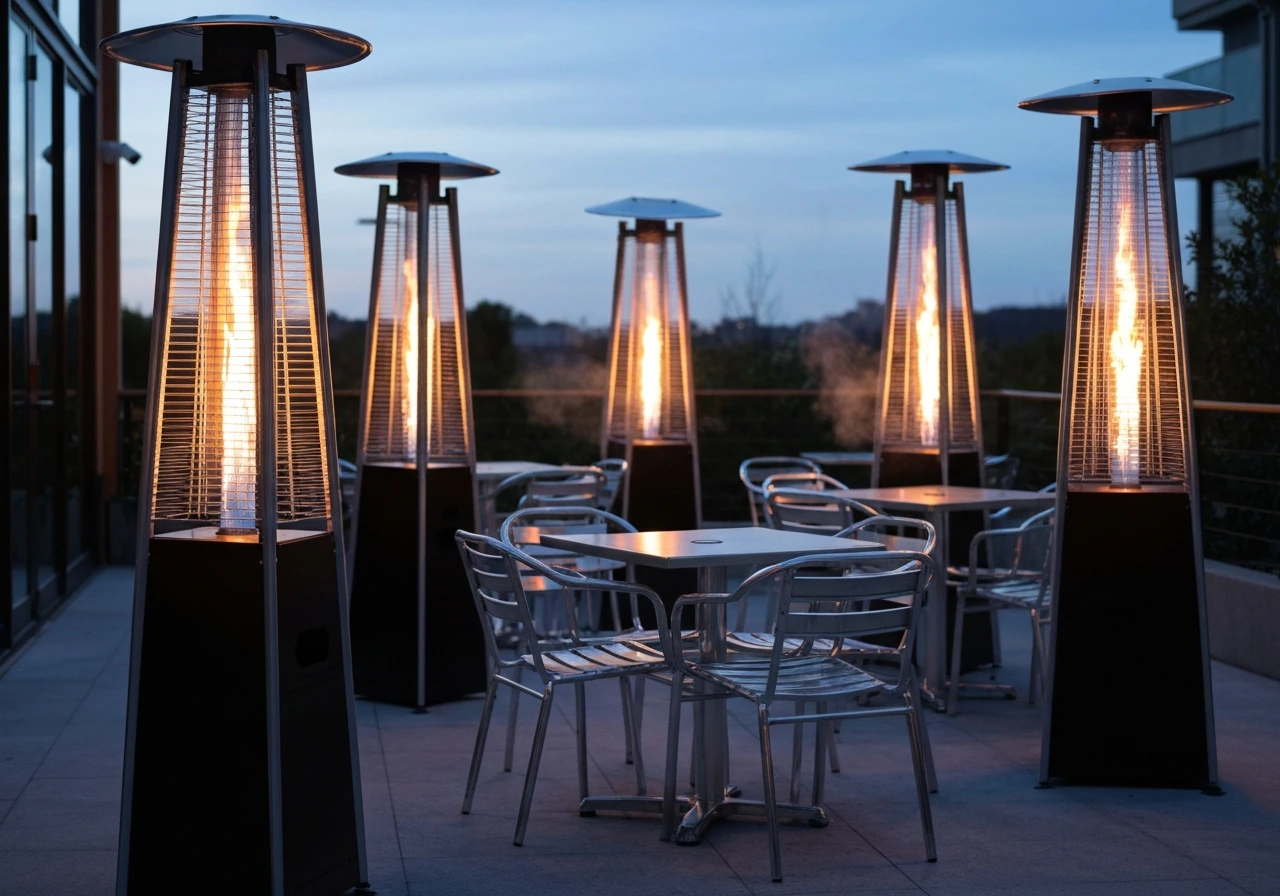
Best Commercial Patio Heaters Guide for Propane and More
Compare propane, electric, natural gas, infrared and pellet heaters to find the best commercial patio heat for your spac
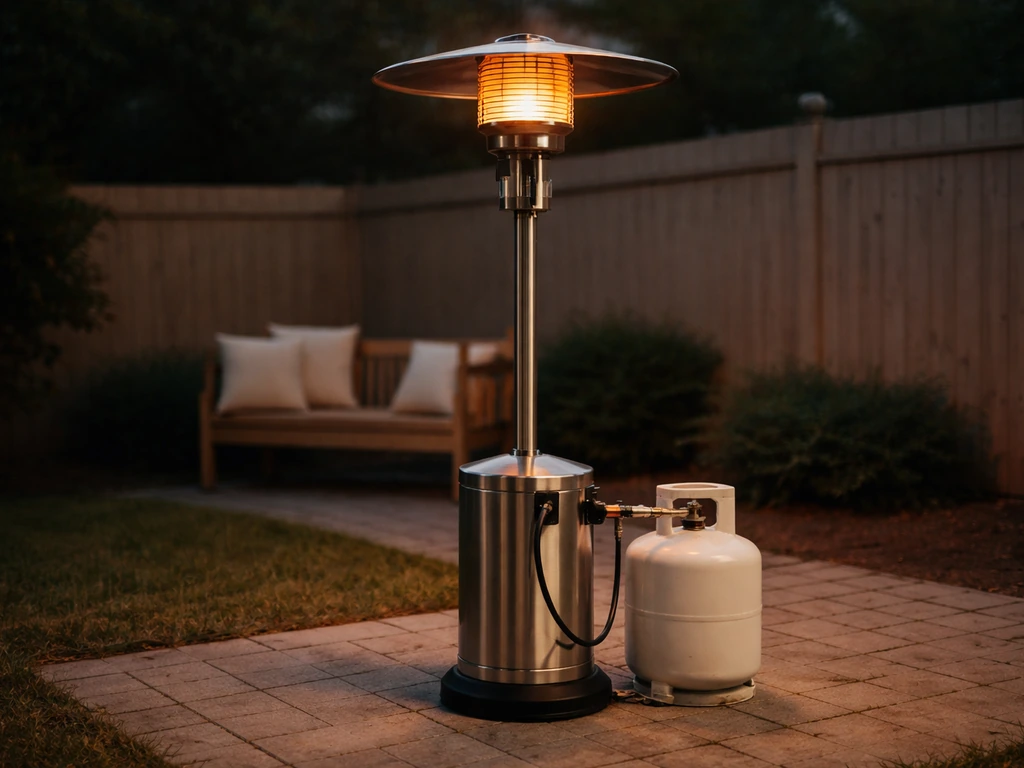
Best Patio Heaters Gas: Buying Guide, Cost, Safety, Picks
Choose the best gas patio heater with BTU coverage, wind reality, propane vs natural gas costs, and essential safety tip
What Are the Best Patio Heaters Best Type for Your Space
Choose the best patio heater by space, climate, wind, coverage, and budget, comparing propane, electric, gas, infrared,