
For most patios, a 40,000 to 60,000 BTU propane fire pit table in the 42 to 50-inch range hits the sweet spot between real warmth and reasonable fuel costs. If you need one pick right now, the Real Flame Monaco 50" Rectangle Steel Fire Pit Table covers large patios, runs on propane or natural gas, uses battery-operated push-button ignition, and comes with enough BTU output to keep a 6-person seating area comfortable on a cool evening. For smaller spaces or tighter budgets, there are better-matched options, and I'll walk through all of them below.
Best Propane Fire Pit for Patio: Top Picks and Buyer Guide

Caleb Vale
4 Jun 2026
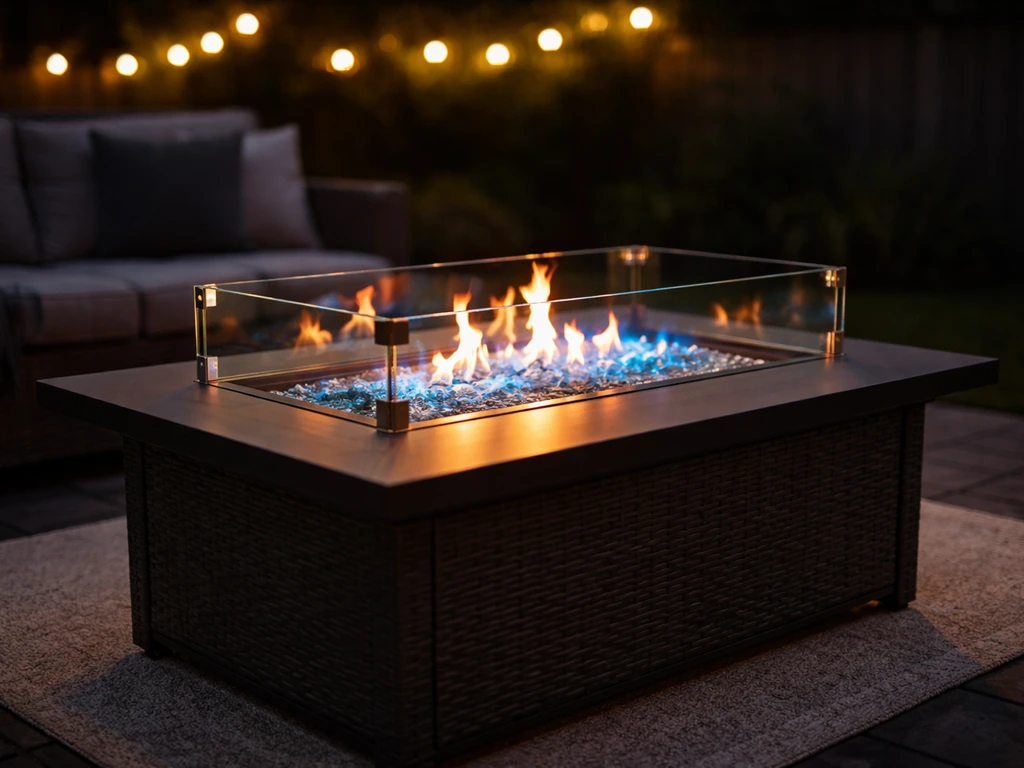
How to choose the right propane fire pit for your patio
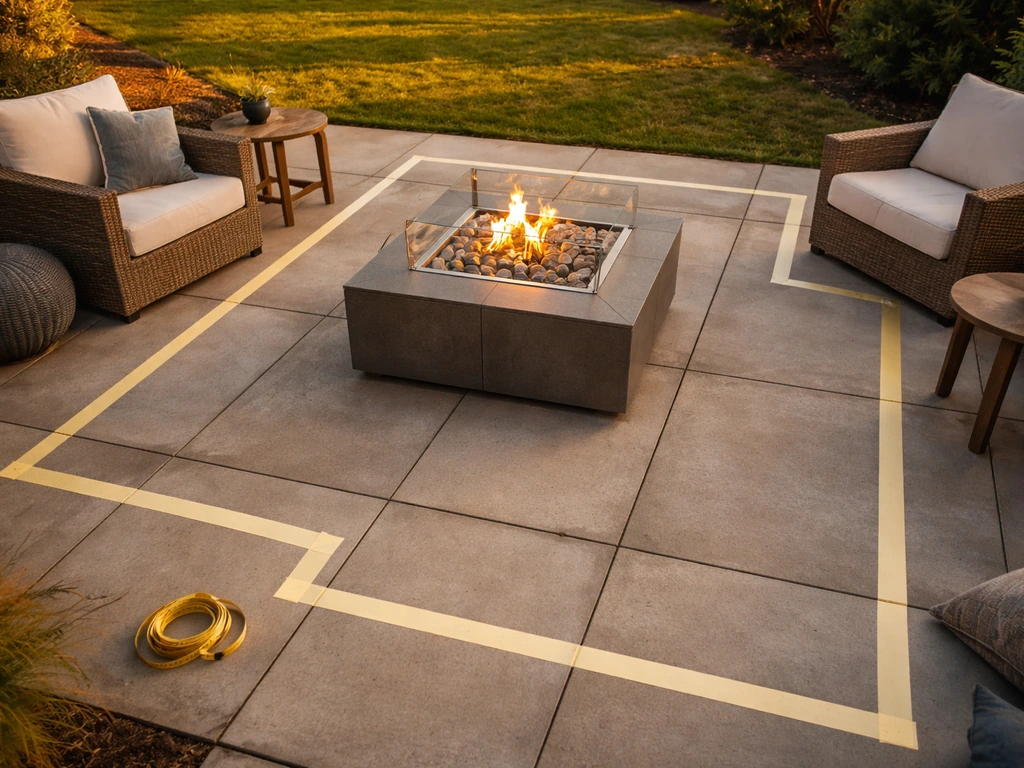
Start with your patio's square footage and layout before you look at any product. A fire pit that's perfect on a 400 sq ft open deck will be underpowered in an exposed backyard or overkill on a 120 sq ft balcony. The general rule is to keep at least 3 feet of clearance on all sides from seating, structures, and overhead elements, which means a 50-inch fire table already needs a footprint of roughly 8 to 10 feet across once you factor in chairs. If your patio is smaller than 10x10 feet, a 36 to 42-inch round or square bowl-style unit works better than a large rectangular table.
Style is a real factor too, not just aesthetics. A fire table with a flat surround doubles as an outdoor coffee table and works well for dining or entertaining setups. A fire bowl or round pit is better for a circular seating arrangement and gives a more traditional campfire feel. Linear burner designs look modern and suit contemporary patio furniture, but they're typically custom or semi-custom builds and cost more. For most homeowners buying off the shelf today, a square or rectangular fire table is the most versatile choice.
Think about whether you want a portable unit or a permanent installation. Portable propane fire pits connect to a standard 20 lb tank with a hose and regulator, which is the setup most models use. If you already have a natural gas line on your patio, several fire tables (including the Monaco mentioned above) offer dual-fuel compatibility, which eliminates tank refills entirely. If portability matters, anything over 80 lbs with a permanent concrete top is going to be a headache to move.
Key features that actually affect performance
Heat output and BTU rating
BTU rating is the most quoted spec and also the most misunderstood. A 50,000 BTU fire pit doesn't heat your whole patio like a furnace; it radiates heat outward from the flame, so the people sitting within 4 to 6 feet feel it, and everyone else doesn't. For a typical 6-person patio seating arrangement, 40,000 to 60,000 BTU is the practical range. Going above 60,000 BTU on a smaller patio just burns through propane faster without a proportional comfort gain. The SUGIFT 42" fire pit table at 50,000 BTU is a well-matched spec for most mid-size patios, and it includes a 10-foot gas hose and regulator out of the box.
Flame appearance and wind resistance
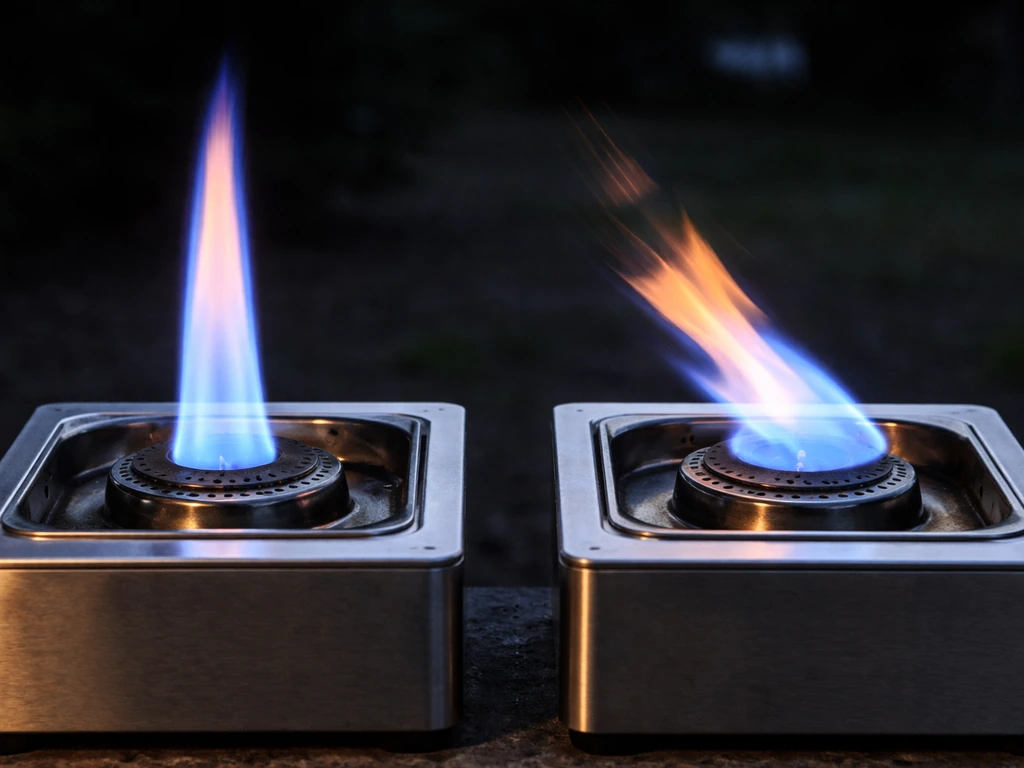
Flame quality depends on the burner material and design. Stainless steel burner systems, like those used in Firegear's lineup, hold up better to moisture and thermal cycling than painted steel, which can corrode and clog over seasons. Round burners produce a campfire-style flame column; linear burners give a ribbon of flame that photographs well but can be more susceptible to wind. If your patio gets regular wind, look for units with a lava rock or fire glass fill that comes above the burner lip, which acts as a natural wind break. Some higher-end units include a wind guard glass panel, which makes a real difference above 10 mph gusts.
Ignition and controls
Push-button ignition with a battery-operated sparker is the standard on most consumer fire pit tables today, including the Real Flame Riverside and Monaco lines. It's reliable in dry conditions, easy to replace the battery, and doesn't require any external power. Electronic ignition systems with flame sensing add a safety layer: the ignition module shuts off gas automatically if the flame doesn't establish within a few seconds, preventing raw gas from venting into your seating area. Cal Flame's system, for example, shuts off all gas supply if the flame fails to start within 10 seconds. That's a meaningful safety feature if you have kids or pets nearby. Avoid fire pits that require a long lighter or manual match for everyday use; it's a friction point that gets old fast.
Build quality and materials
The frame and tabletop material determines longevity more than almost anything else. Powder-coated steel holds up well if kept covered when not in use. Concrete and cast fiber tops look great and are heavy enough to resist tipping, but they can crack in freeze-thaw climates if water gets into micro-pores. Wicker and resin-wicker skirting looks stylish but degrades faster in direct UV exposure over multiple seasons. Check that the propane compartment or tank enclosure has adequate ventilation; a sealed cabinet with no airflow is a safety hazard.
Top picks by category
| Category | Model | Size | BTU | Ignition | Best For |
|---|---|---|---|---|---|
| Best Overall | Real Flame Monaco 50" Rectangle | 50 in. | ~50,000 | Battery push-button | Large patios, dual-fuel flexibility |
| Best for Small Patios | SUGIFT 42" Propane Fire Pit Table | 42 in. | 50,000 | Push-button, 10 ft hose incl. | Compact decks, budget-friendly |
| Best Value | BALI OUTDOORS 42" Fire Pit Table | 42 in. | 40,000–50,000 | Push-button | Everyday use, easy assembly |
| Best for Windy Patios | Real Flame Blake 47" x 47" Fire Table | 47 in. | ~50,000 | Battery push-button | Wind-exposed setups, 20 lb tank, glass fill |
Best overall: Real Flame Monaco 50" Rectangle
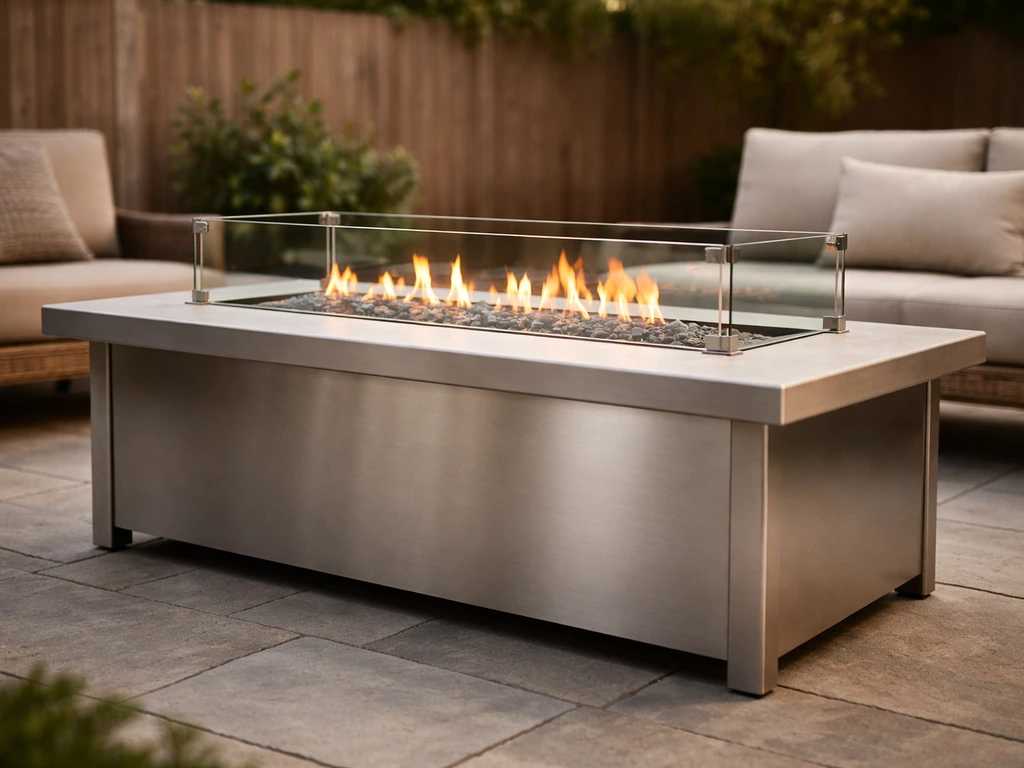
The Monaco earns the top spot because it covers the most ground for most buyers. It's large enough to anchor a full outdoor living set, runs on either propane or natural gas (so you're not locked into tanks), and uses a reliable battery-operated push-button ignition that doesn't need an outlet. The rectangular shape works with most standard patio furniture configurations, and the steel construction holds up well with a cover. The main trade-off is size and weight: this is not a fire pit you'll move around seasonally without effort.
Best for small patios: SUGIFT 42" 50,000 BTU
At 42 inches, this table fits a 10x10 patio without dominating the space. The included 10-foot hose and regulator means you can tuck the 20 lb tank behind a fence or in a cabinet up to 10 feet away, which keeps the setup looking clean. At 50,000 BTU it punches above its price class. Assembly takes a couple of hours and is straightforward. The frame is powder-coated steel with a faux concrete top, which looks better in person than in most product photos.
Best value: BALI Outdoors 42" fire pit table
BALI Outdoors consistently shows up in the 40,000 to 60,000 BTU range for their tables, which is exactly where you want to be for patio use without burning through a tank in two sessions. BALI Outdoors frames a similar backyard-sizing balance of about 40,000 to 60,000 BTU to deliver comfortable warmth without excessive fuel consumption 40,000 to 60,000 BTU propane fire pit table. Their fire pit tables are priced well below the Real Flame tier, use the same basic push-button ignition, and come with the lava rocks and glass beads needed to finish the look. Long-term durability isn't quite at the Real Flame level, but for a buyer who wants a fire pit that works well for 3 to 5 seasons without a premium price tag, it's hard to beat.
Best for windy patios: Real Flame Blake 47" x 47"
The Blake's square footprint and deeper fire bowl, combined with a lava rock and glass fill that sits above the burner, naturally shields the flame from side winds better than shallower linear-burner tables. It uses a 20 lb tank stored outside the unit, which is a minor inconvenience compared to in-cabinet designs, but it keeps the tank accessible and ventilated. On high output, a 20 lb tank lasts about 8 hours; on low, you can stretch that to 26 hours. That's a realistic estimate from Real Flame's own product specs and aligns well with what you'd expect from a 50,000 BTU class unit.
Fuel and running costs: what a propane tank actually costs you
A 20 lb propane tank holds about 4.7 gallons of propane. At current mid-2026 propane prices, a tank refill runs roughly $18 to $28 depending on your region and whether you use an exchange program or a refill station. Exchange programs (like Blue Rhino or AmeriGas at most hardware stores) are convenient but typically only fill tanks to 15 lbs, not the full 20 lbs, so a full refill at a propane dealer gives you more burn time per dollar.
Using the Real Flame Blake as a real-world benchmark: on high output you get roughly 8 hours per 20 lb tank, and on low you get up to 26 hours. For a 58,000 BTU class unit (like the Home Depot example fire pit table in that output range), expect 7 to 11 hours on a full tank depending on how high you run it. If you run your fire pit 3 evenings a week at medium output, you'll go through roughly one 20 lb tank every 2 to 3 weeks in peak season. Budget $40 to $60 per month for propane during heavy use.
If you have a natural gas line on your patio, conversion eliminates the tank hassle entirely and costs less per BTU than propane. Most dual-fuel models (like the Monaco) ship as propane but include or offer a natural gas conversion kit. The upfront cost of running a gas line from your home is typically $300 to $700 for a licensed plumber, but the long-term savings and convenience are significant if you use your fire pit regularly. For propane-only units, always use the hose and regulator supplied with the appliance, as EcoSmart and most other manufacturers specify that the factory-supplied regulator is set to the correct outlet pressure for that unit.
Safety and placement checklist before you light it
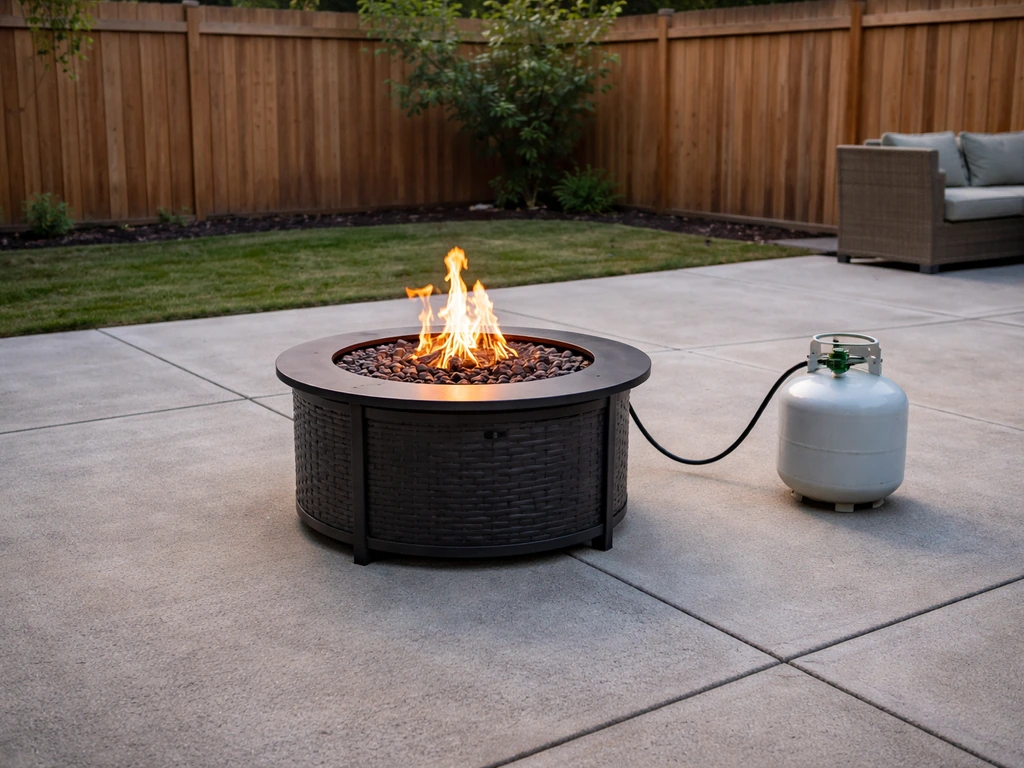
Getting placement right isn't just about local fire codes; it's the difference between a relaxing evening and a dangerous situation. Firegear’s drop-in pan fire pit installation instructions also warn against placing the unit directly on grass, dirt, or rocks because it can interfere with proper ventilation, and they specify installing it on appropriate non-combustible surfaces and following clearance requirements in the manual Firegear Outdoors installation instructions. Run through this checklist every time you set up a new unit or move an existing one.
- Maintain at least 3 feet of clearance from all sides to combustible structures, furniture, fences, and overhead elements like pergola beams or umbrellas.
- Never place the unit directly on grass, dirt, or gravel. These surfaces can block ventilation under the unit and present ignition risks. Use a paver, concrete pad, or approved fire pit mat.
- Check that there is at least 1/2 inch of air space between the ground surface and the underside of the unit's sidewalls (many manufacturers specify this clearance in their manuals, including EcoSmart).
- Inspect the hose and regulator before every season for cracks, kinks, or corrosion. Do a soap-and-water leak test on all connections before the first use each year.
- Use only the regulator and hose supplied with your unit or an exact manufacturer-approved replacement. Third-party regulators may not match the outlet pressure your unit requires.
- Never store a spare propane tank on or directly next to the fire pit. Store spare tanks upright in a well-ventilated outdoor area away from heat sources.
- Keep a fire extinguisher rated for Class B fires accessible within 10 feet of the unit.
- Make sure children and pets stay at least 3 feet from the flame and that the unit is on a stable, level surface that cannot tip.
- Always turn off the gas valve at the tank before leaving the fire pit unattended, even for a few minutes.
Setup, operation, and maintenance tips
First-time setup
Most fire pit tables arrive partially assembled and require 45 minutes to 2 hours to finish. Read the manual before touching the gas connections. Connect the regulator to the tank hand-tight plus a quarter turn, never use thread tape on propane fittings unless the manual explicitly calls for it. Do a soap-and-water bubble test at every connection point before the first ignition. If you see bubbles, tighten or replace the fitting before proceeding.
Operating the ignition
Open the tank valve slowly (one full turn) before pressing the igniter. Hold the igniter button down for 3 to 5 seconds after the flame starts to let the thermocouple heat up and latch the gas valve open. If the flame doesn't light within 10 seconds, release the button, wait 5 minutes for any gas to disperse, then try again. Don't keep attempting rapid ignitions, since modern safety systems (like Cal Flame's 10-second shutoff logic) will cut gas flow if the flame isn't established, and you need to clear the line before retrying. If the unit fails to light after three attempts, check the battery in the igniter module first; it's the most common culprit.
Seasonal maintenance and long-term care
- Use a weatherproof cover every time the unit isn't in use. Most manufacturers sell fitted covers for their models; a cover pays for itself by preventing rust and UV degradation on the frame and fill media.
- Remove and dry the lava rock or fire glass fill at the start of each season. Wet fill media can cause popping or uneven flames; cracked rocks should be replaced.
- Clean the burner ports with a soft brush or compressed air annually to clear debris, spider webs, and mineral deposits. Clogged ports cause uneven flame patterns and reduce efficiency.
- Check the battery in your ignition module at the start of each season and replace it proactively. A dead battery during use is avoidable.
- Inspect the burner surface for corrosion. Stainless steel burners (like those used in Firegear systems) hold up significantly better over time than mild steel; if you're buying a unit you plan to keep for 5-plus years, stainless burner construction is worth the premium.
- In freeze-thaw climates, disconnect the hose and regulator and store them indoors over winter to prevent cracking.
When a propane fire pit isn't the right call
Propane fire pits are the most flexible option for most patios, but they're not the best choice in every situation. If you're in an area with strict burn bans or apartment/HOA rules against open flames, an electric infrared patio heater is the practical alternative; it produces no flame, no emissions, and can be mounted overhead or on a wall to save floor space. Electric units are also the better pick for covered patios with limited overhead clearance where propane combustion gases could accumulate.
If you already have a natural gas line on your patio and want a permanent installation, a dedicated natural gas fire pit (rather than a dual-fuel propane unit) will typically have a cleaner burner design optimized for gas pressure and lower long-term operating costs. You can explore those options in the broader guide to the best gas fire pits for patio on this site.
For buyers who want ambiance without the logistics of fuel, a smokeless wood-burning fire pit is worth a look if local regulations allow it and you have wood access. If you want the best smokeless fire pit for patio spaces, compare smokeless wood-burning models with good wind control and easy cleanup before you buy smokeless wood-burning fire pit. Smokeless designs dramatically reduce the eye-burning smoke that makes traditional wood pits annoying on calm evenings. And if you move your fire pit between the patio, the deck, and the lawn regularly, a portable fire pit designed specifically for mobility (with foldable legs and a carry bag) will serve you better than a fire table that's technically movable but weighs 80 lbs.
The bottom line is that a propane fire pit is the right choice when you want real visible flame, flexible fuel (tank or line), easy installation without an electrician or plumber, and consistent output across a range of outdoor temperatures. It beats electric on ambiance and beats wood on convenience. If those are your priorities, any of the four picks in this guide will deliver, and the decision really comes down to patio size, wind exposure, and how much you want to spend. If you're trying to narrow it down to the best outdoor fire pit for patio, focus on the guide's picks and match them to your patio size and fuel setup.
FAQ
Can I use the best propane fire pit for patio on a covered balcony or under a pergola?
Yes, but only if the fire pit is specifically designed for outdoor use and you keep the proper clearances from ceilings, awnings, and other surfaces. On covered patios, prioritize models with a wind guard panel or good flame shielding, run the unit at lower settings first to confirm drafting, and make sure any tank enclosure has ventilation (never use one with an airtight cabinet). If you smell strong propane, shut off the valve immediately and do a full leak check before using again.
Where should the propane tank be stored when the fire pit is on my patio?
In most setups, you can store the tank outside and keep the fire pit inside a sheltered area only if the tank enclosure is ventilated and the hose routing is within the manufacturer’s limits. Do not store the propane tank in a sealed compartment under the table, and avoid running the hose where it can kink or sit against sharp edges. If you are using a natural gas conversion, confirm the kit is rated for your specific model, since regulators and gas pressure requirements can differ.
What should I troubleshoot if my propane fire pit won’t ignite but the gas is turned on?
Battery ignition can fail if the battery is weak, if the igniter has debris in the spark area, or if the unit is not getting enough airflow during start-up. If it will not light, start with a fresh battery, then perform a soap-bubble check on every connection and confirm the burner ports are not clogged. If you have intermittent ignition, check wind exposure and fill level (fire glass or lava rock should sit correctly above the burner lip, not too low).
Can I use a different hose or regulator to get more reach on my patio?
Use the factory regulator and the hose that came with the appliance unless the manufacturer provides an approved replacement. Mixing regulators, using mismatched hose lengths, or swapping fittings can lead to incorrect pressure and incomplete combustion. If you need more reach, it is usually safer to buy the manufacturer-approved hose kit rather than adding extensions yourself.
Will a 50,000 BTU propane fire pit heat my entire patio evenly?
A 50,000 to 60,000 BTU rating is mostly about radiated comfort near the flames, not evenly heating a whole patio. To get better perceived warmth, focus on placement and wind control, keep seating within about 4 to 6 feet of the burner, and choose designs with flame shielding (like those with fill above the burner lip or a wind guard). Also, running at medium or low can stretch tank life without making the flame feel dramatically less bright.
Why does my propane fire pit sometimes smell smoky or produce more odor than usual?
Not all “smokeless” claims apply to propane models, but even with propane you can still get odor when the burner is misassembled, when the flame is too low for the burner design, or if the burner gets partially clogged. If you notice unusual smell, turn off the unit, let it cool, check that the media (lava rock or fire glass) is placed correctly, and confirm the burner is seated properly. Persistent odor can indicate improper fuel pressure or a regulator issue.
How do I clean and maintain a propane fire pit table so it burns clean all season?
You should clean it regularly, but avoid abrasive scrubbing on burners and do not remove any factory components that affect gas flow. Typical routine is to let it cool, remove old media, rinse away soot dust (if applicable), and wipe the tabletop. For flame performance, inspect burner ports for blockage and replace cracked or missing lava rock or glass that can obstruct the burner.
What safety features matter most when choosing the best propane fire pit for patio?
At a glance, look for a system that shuts off gas if the flame does not establish, and pay attention to how long it waits before stopping. Battery sparker ignition is convenient, but flame-sensing safety is the key difference for households with kids or pets. If your unit does not have flame sensing, be extra strict about waiting for ignition, and follow the “wait before retrying” approach if it fails to light.
Are propane exchange tanks worth it, or should I refill locally for better value?
When propane tanks are exchanged, many are filled short of the advertised maximum capacity, so you may get fewer hours per tank than with a full dealer refill. If you care about cost per burn hour, track how long your unit runs on high versus low, then compare the real burn time from each refill source rather than just comparing tank prices.
What winter care should I do for a propane fire pit table in freezing weather?
If you live in a freeze-thaw climate, cover the unit and prevent water from getting trapped in the tabletop or around the propane compartment. Let the fire pit fully cool before covering, and if the manual allows, store it under a breathable cover to reduce condensation. For concrete or cast fiber tops, inspect for hairline cracks each season and avoid operating it when you suspect trapped moisture inside the top.
Next Articles
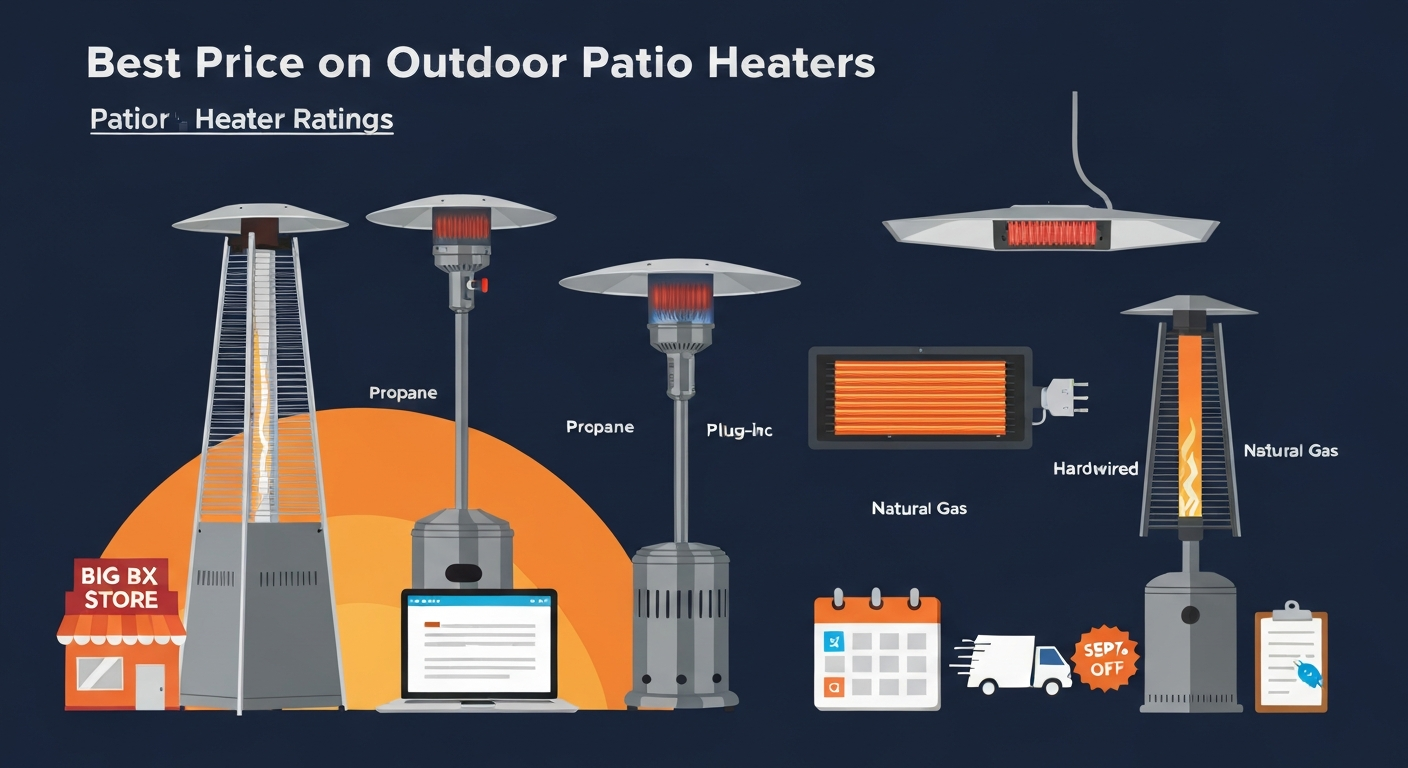
Best Price on Outdoor Patio Heaters: Compare Costs & Deals
Score the best price on outdoor patio heaters, price ranges, top picks, deal tactics, total-cost & safety checklist.
Where Can I Rent Patio Heaters Near Me Today
Find where to rent patio heaters near you today, choose the right fuel type, compare costs, and book safely.
Where to Buy a Patio Heater: Best Places and Types
Where to buy a patio heater now, plus electric vs gas vs propane tips, safety checks, and size/BTU buying checklist.