
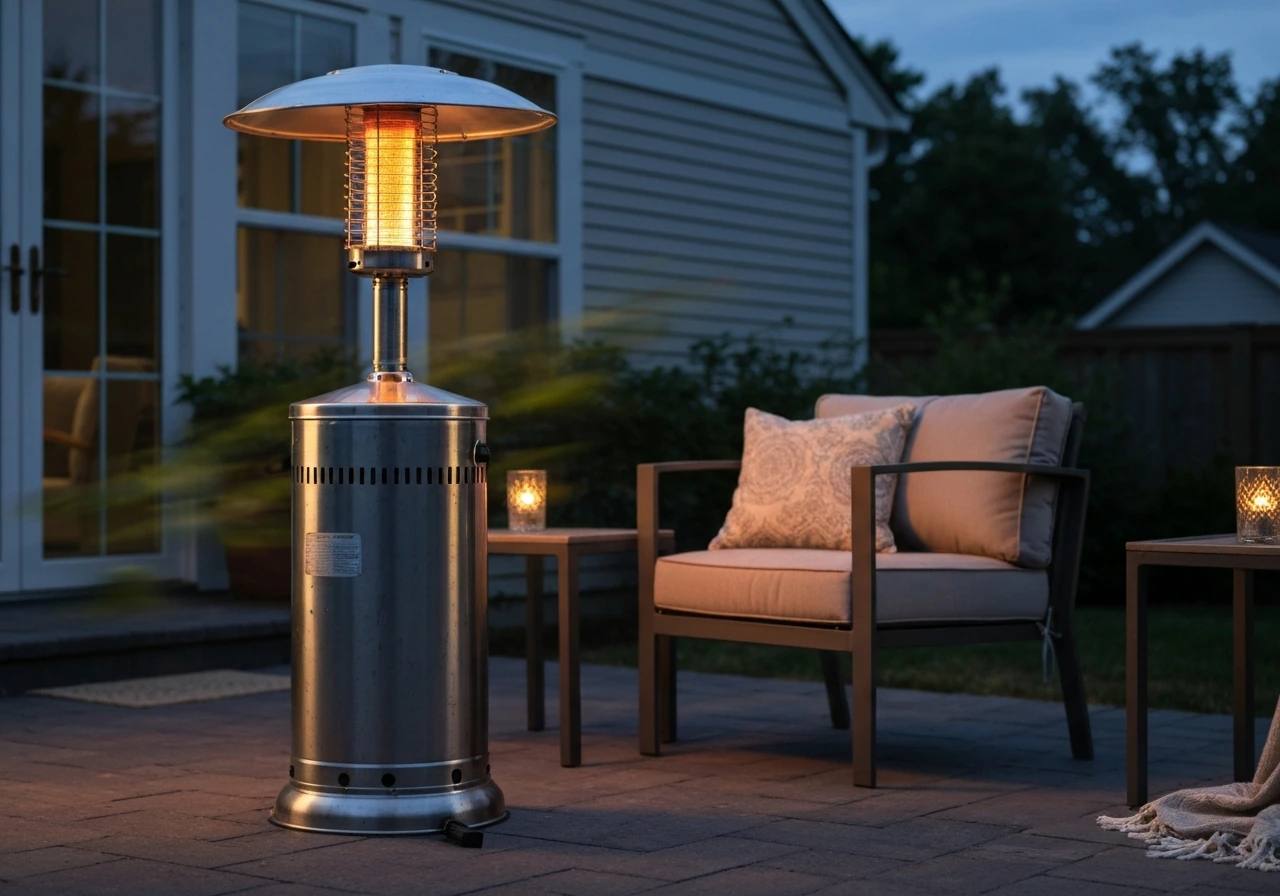
The best patio space heater for most people is a propane or electric infrared model, depending on whether you have a covered patio and access to an outlet. Propane mushroom-style heaters (40,000 BTU) cover roughly 12–15 feet in diameter and work well on open patios where you need portability.
Best Patio Space Heater: How to Choose the Right One

Caleb Vale
20 Jun 2026
Hardwired electric infrared panels mounted to a ceiling or wall are the better call for covered patios: they warm people and objects directly, don't care about wind, and can heat around 300 sq. ft. when properly sized. Neither type is universally best, though.
Getting the right one depends on your patio size, how exposed it is to wind, whether it's covered, and what fuel you have access to. Here's how to work through that decision.
How to choose the right heater for your patio size and wind exposure
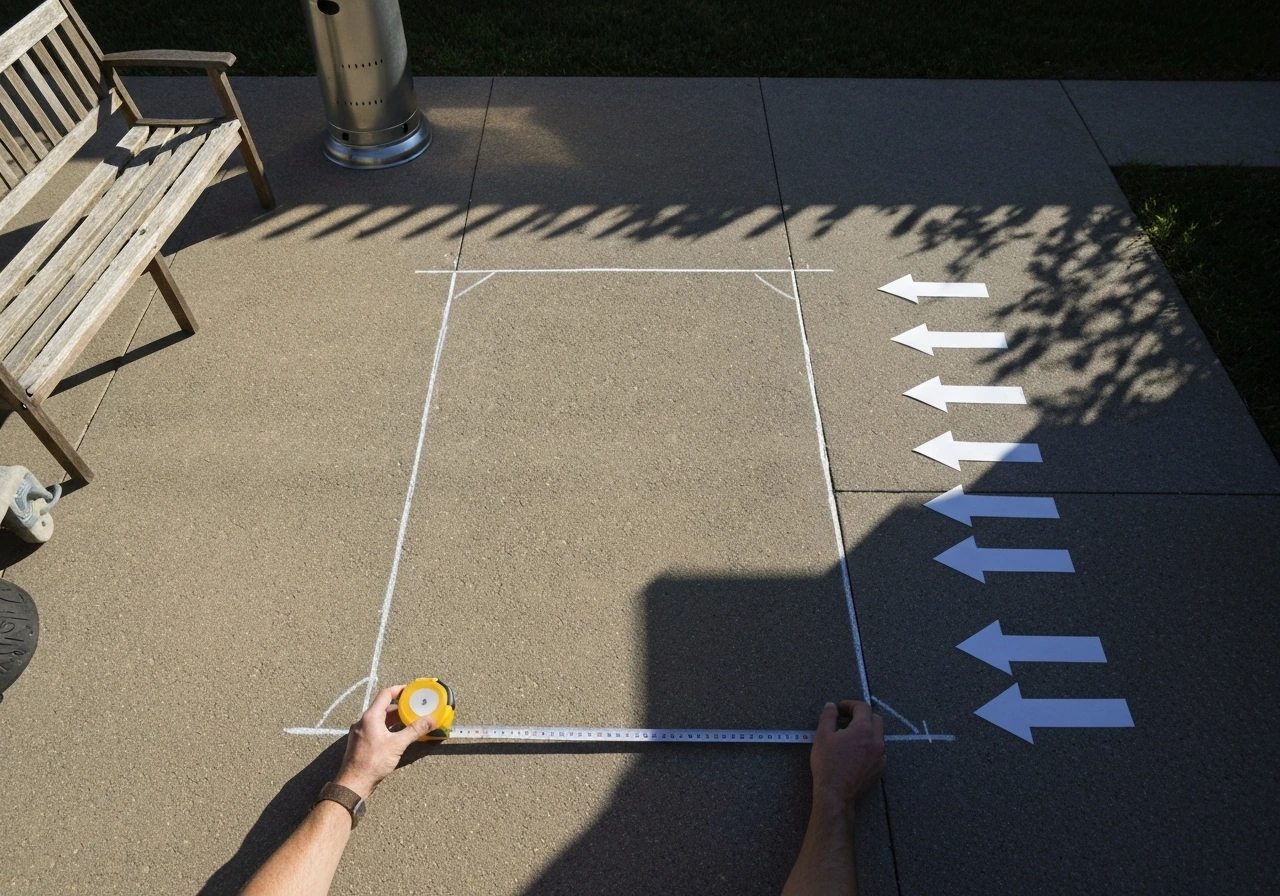
Start with two things before you look at any product: the square footage you need to heat, and how exposed your patio is to wind. Wind is, according to infrared heating design engineers, the single largest variable affecting how comfortable outdoor heating feels. Even a perfectly sized heater will underperform if it's fighting a crosswind, because any heater that warms air (convective types) loses that warmth almost instantly outdoors. Infrared heaters sidestep this by heating people and objects directly rather than the surrounding air, which is why they consistently outperform convective heaters in breezy conditions.
For sizing, a general rule is that a single 40,000 BTU propane tower heater covers about 115–120 sq. ft. of usable patio space (or roughly a 12-foot radius). A 2kW electric infrared panel covers roughly a 2m x 2m zone (about 40 sq. ft. of focused warmth), so larger patios need multiple panels or higher-wattage units. A hardwired 6,000-watt electric setup can keep roughly 300 sq. ft. comfortable. Ceiling height matters too: infrared panels mounted too high disperse heat over a wider, shallower area; too low and you get hot spots. Most manufacturers specify an optimal mounting height in their manuals, typically between 8 and 12 feet for ceiling-mount panels.
For wind exposure, think of your patio in three categories. A fully covered, enclosed patio (pergola with screens, four-season porch) can use any heater type effectively. A partially covered patio with one or two open sides benefits most from infrared, mounted on the covered overhead surface and aimed at the seating zone. A fully open patio in a consistently windy climate should push you toward either a high-BTU propane radiant heater placed close to seating or a wall of infrared panels arranged to face the prevailing wind direction. Placing heaters too far apart or mounting them too high on a breezy, wind-swept patio are the two most common mistakes that leave people cold.
Propane vs. electric vs. natural gas vs. infrared vs. pellet: the real tradeoffs
These categories overlap a little (infrared is a heating method, not a fuel), so here's how to think about them cleanly. Propane and natural gas are fuel sources; electric is another fuel source; infrared describes how heat is delivered. You can get propane infrared heaters, electric infrared heaters, and natural gas infrared heaters. What matters is pairing the right fuel with the right delivery method for your setup.
| Heater Type | Best For | BTU / Wattage Range | Portability | Wind Performance | Upfront Cost | Running Cost |
|---|---|---|---|---|---|---|
| Propane (freestanding) | Open patios, portability, no outlet nearby | 30,000–48,000 BTU | High (tank on board) | Moderate (radiant models better) | Low–Mid ($80–$300) | Moderate (~$1–2/hr at current propane prices) |
| Electric infrared (hardwired) | Covered patios, permanent installs | 2,000–6,000W | None (fixed mount) | Excellent (heats objects, not air) | Mid–High ($200–$800+) | Varies by kWh rate (~$0.24–$0.72/hr at $0.12/kWh) |
| Electric infrared (plug-in) | Small covered areas, renters | 1,500–2,000W | High | Poor–Moderate | Low ($60–$200) | Low (~$0.18–$0.24/hr) |
| Natural gas (mounted) | Permanent large patio installs | 30,000–60,000+ BTU | None (piped) | Good–Excellent (infrared models) | High (gas line required) | Low (gas cheaper than propane per BTU) |
| Infrared (electric or gas) | Wind-exposed or covered patios | Varies by fuel | Low–High | Excellent | Mid–High | Depends on fuel |
| Pellet | Aesthetic warmth, off-grid feel | Low–Moderate BTU | Low–Moderate | Poor | Mid–High ($300–$800+) | Low (pellets cheap, but manual feeding needed) |
Propane
Propane freestanding heaters are the most popular category for good reason: no wiring, no gas line, just wheel it out and turn the knob. A standard 40,000 BTU mushroom-style model (like the Sunglo A270 or Backyard Pro Courtyard Series) covers a 12-foot radius and handles winds up to around 10 mph before performance degrades noticeably. The downside is ongoing propane cost and the fact that you're warming the air around people, not the people themselves. On a calm evening, that works fine. On a breezy night, you'll burn through a tank fast for mediocre warmth.
Electric infrared
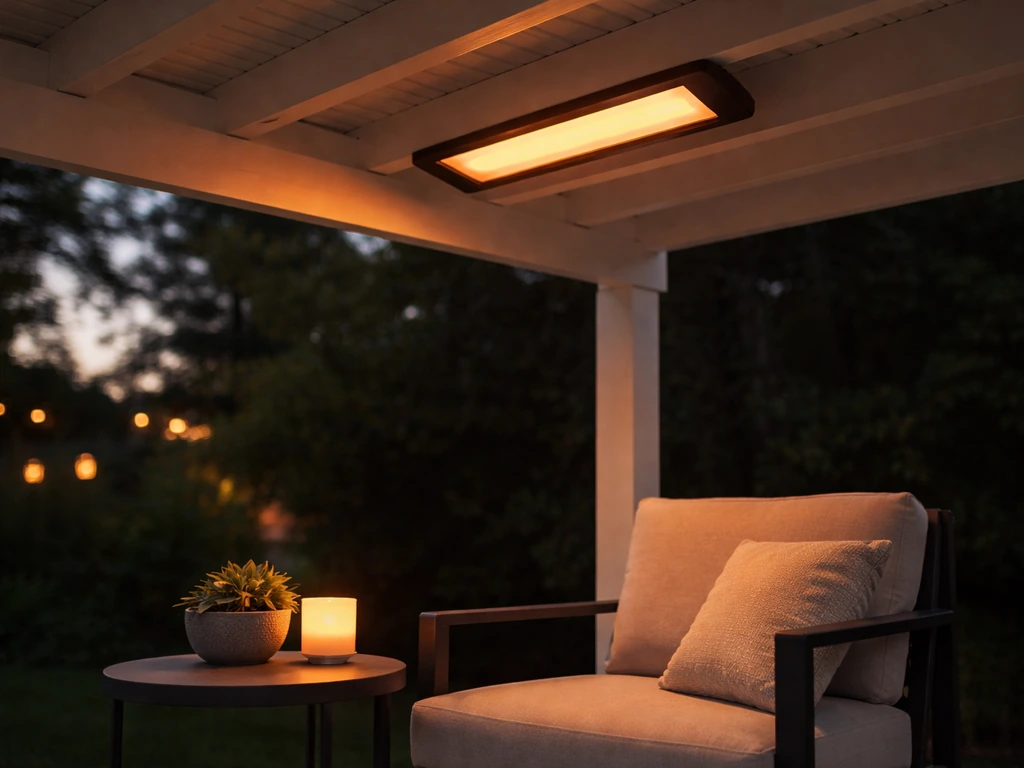
Electric infrared is the top recommendation for covered patios. These wall- or ceiling-mounted panels heat objects and people directly using radiant energy, so wind simply doesn't diminish their effectiveness. A hardwired unit in the 4,000–6,000W range (like the Infratech SL series or Bromic Tungsten Smart-Heat) is genuinely effective at keeping a 200–300 sq. ft. covered patio comfortable. The trade-off is installation: hardwired units need an electrician, and you'll want to confirm IP ratings (look for IPX4 minimum for covered use, IP65 if the unit will be exposed to rain). The Bromic Tungsten Smart-Heat is a legitimate top pick if you want app-controlled zone heating, though it carries a premium price.
Natural gas
Natural gas heaters are the best long-term value for large, permanent patio setups where you already have a gas line or can run one. You'll never haul a tank, the per-BTU cost is typically lower than propane, and commercial-grade mounted units can push serious heat output. The barrier is the upfront installation cost: running a gas line and having a licensed plumber connect it isn't cheap. But if you're heating a restaurant patio or a large deck you use year-round, it pays off quickly.
Pellet
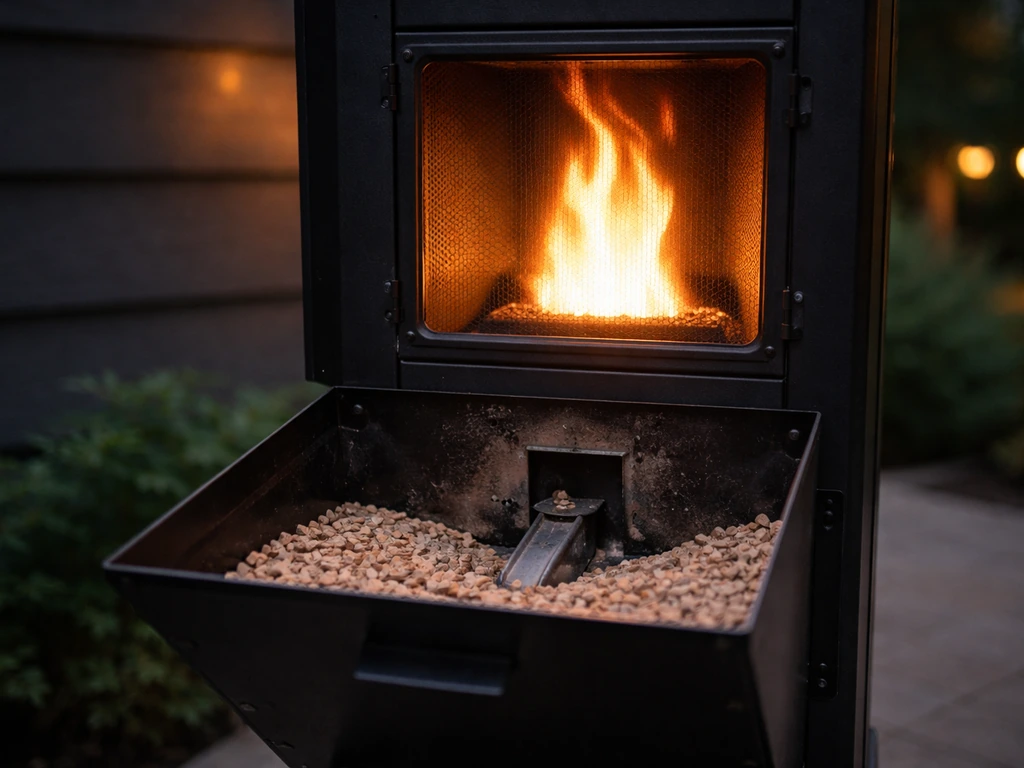
Pellet patio heaters occupy a niche. They look great, create ambiance with a visible flame, and wood pellets are inexpensive. But they need manual pellet loading, produce ash that requires regular cleaning, perform poorly in wind, and must be used outdoors only, with at least 36 inches of clearance from any combustible materials. They're a lifestyle choice more than a performance choice. If you want a focal point heater for occasional calm evenings, a pellet model can be charming. If you want reliable warmth every time you step outside, stick with propane or electric infrared.
The specs that actually matter when you're comparing models
- Heat output (BTU or watts): For propane/gas, 40,000 BTU is the sweet spot for open patio use. For electric infrared, 4,000–6,000W covers large covered areas; 1,500–2,000W is enough for a small focused zone.
- Coverage area: Treat manufacturer claims conservatively. A 40,000 BTU propane heater rated for 115 sq. ft. delivers that in calm conditions. In wind, expect noticeably less effective coverage. Infrared panels rated for a 2m x 2m zone are more accurate in real-world windy conditions.
- IP/weather rating: For any electric outdoor heater, IPX4 is the minimum (splash-resistant). If the unit will be exposed to rain or hose spray, go IP65 or higher. Check the product label, not just the listing.
- Safety shutoffs: Freestanding propane heaters should have a tip-over shutoff. Look for tilt sensors and low-oxygen safety shutoffs on propane models. Electric infrared units should carry UL or ETL certification and comply with relevant standards like UL 1278 for movable types.
- Controls and thermostat: Basic models use manual knobs. Mid-range electric infrared often includes a remote. High-end models (Bromic, Infratech) offer smart controls with app or wall-switch integration, which is genuinely useful for zone heating.
- Fuel connectivity: Propane models typically use a standard 20 lb. tank (included or separate). Natural gas models require a dedicated gas line connection. Confirm hose length and regulator type before buying.
- Clearance requirements: Every heater has a minimum clearance to combustibles specified in the manual. Don't skip this. Propane mushroom heaters generally need 24–36 inches of vertical clearance from overhead structures. Infrared panels have their own mounting height specs.
Which heater to buy based on your actual use case
You need something portable
Go with a 40,000 BTU propane freestanding heater. Models like the Sunglo A270 or Sunheat Contemporary Square are easy to move, don't need any wiring, and deliver broad radiant warmth over a 12-foot radius. Keep a spare 20 lb. propane tank on hand (stored at least 20 feet from the heater in use), and look for a model with a tip-over shutoff if you have kids or pets nearby. CPSC staff notes in its assessment of portable electric heaters that UL 1278 includes provisions addressing whether heaters intended for household use are not for outdoor use and discusses tip-over switch concepts blank" rel="noopener noreferrer">tip-over shutoff.
You have a covered patio
Electric infrared panels mounted to the ceiling or wall are the right call. If you are comparing options, best patio heat lamps that use electric infrared are a reliable choice for a covered patio. You get consistent heat, zero wind sensitivity, and no fuel to manage. Size up based on square footage: plan for roughly one 2,000W panel per 40 sq. ft. of focused seating area, or a single 6,000W hardwired unit for up to 300 sq. ft. Make sure the unit is rated for outdoor use (IPX4 minimum), hire a licensed electrician for hardwired installs, and follow the manufacturer's mounting height spec closely to avoid hot spots or thin coverage.
You're heating a large open space
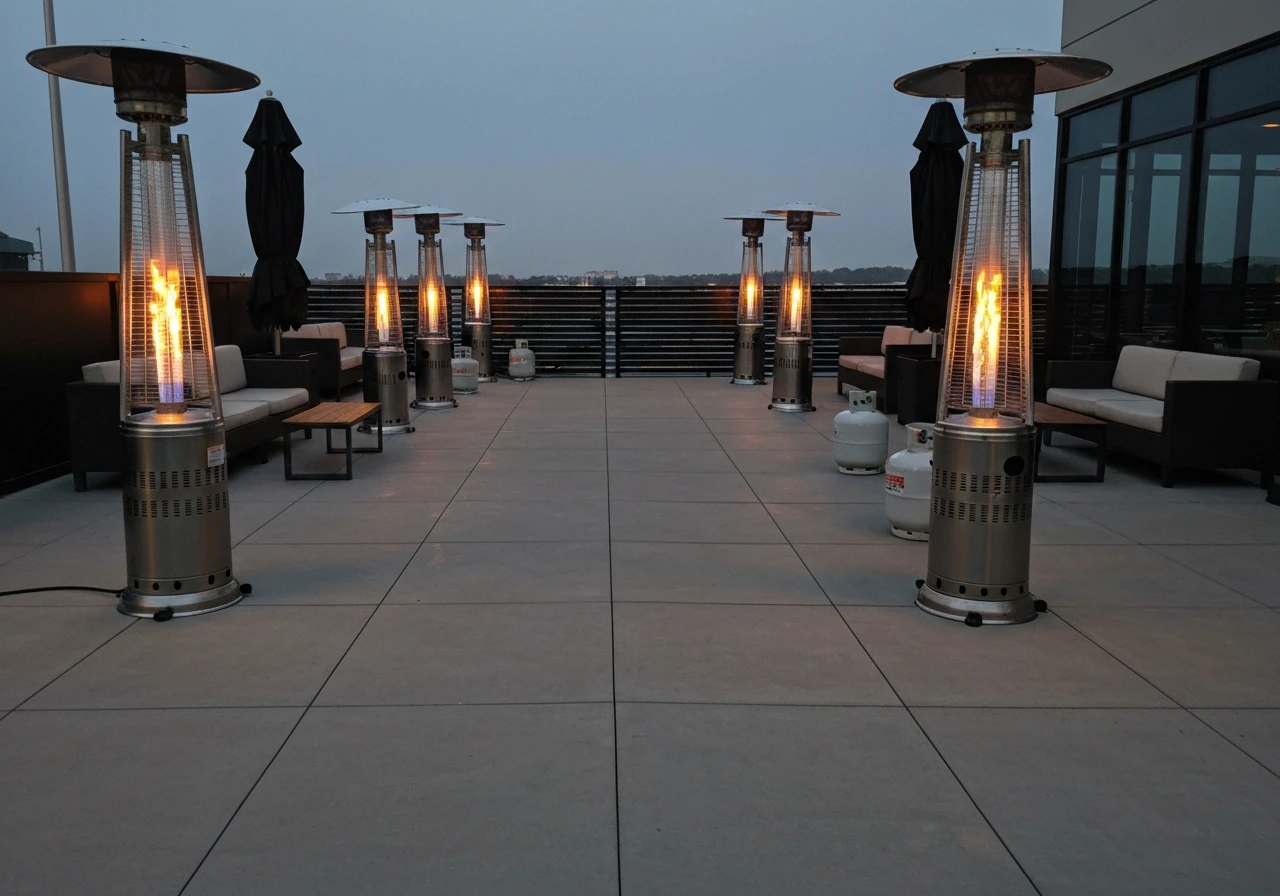
Either multiple propane heaters positioned close to seating areas, or a natural gas mounted system if a gas line is accessible. For large commercial-style setups, natural gas infrared mounted heaters give you the best combination of output and running cost. For a large residential open deck, two 40,000 BTU propane heaters placed strategically (12-foot radius each, positioned close to where people sit rather than in the center of the space) will outperform one undersized unit every time.
Your patio is windy
Infrared is the answer, full stop. Whether it's electric infrared panels or a propane radiant heater with a parabolic reflector (the kind that broadcasts heat outward rather than up), radiant heating is far less affected by wind than convective heating. If you're mounting infrared panels on a windy, partially exposed patio, orient them to face the direction the prevailing wind comes from, and position them to aim directly at the seating zone. Alignment with wind direction makes a measurable difference in felt warmth.
Safety and installation basics by heater type
Propane heaters
- Always use outdoors only. Never use a propane patio heater in an enclosed or semi-enclosed space without adequate ventilation.
- Check the tip-over shutoff before each season. Tip the unit slightly to confirm the shutoff activates and the flame extinguishes.
- Store spare propane tanks at least 20 feet away from the heater while it is in use.
- Inspect the hose and regulator for cracks or wear at the start of each season. Replace if there's any sign of damage.
- Maintain the clearance to combustibles specified in your owner's manual. Most mushroom-style heaters require at least 24–36 inches of overhead clearance.
- Follow NFPA outdoor heater safety guidance: keep heaters away from awnings, umbrellas, and overhead structures that could catch heat.
Electric infrared heaters
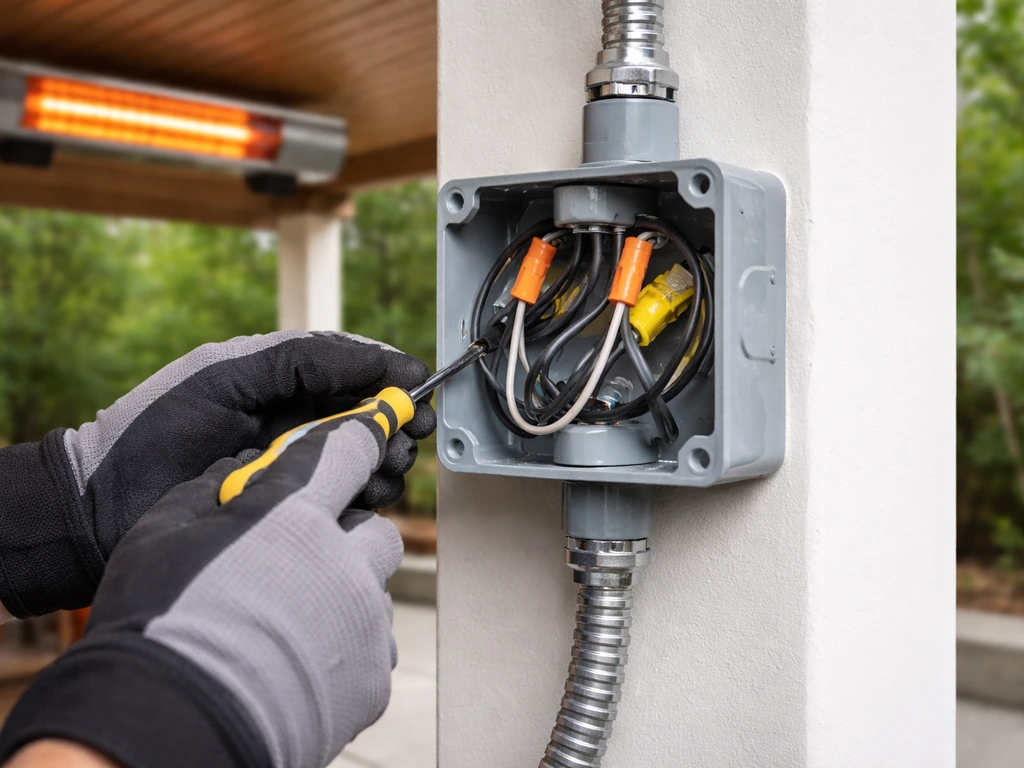
- Hardwired units must be installed by a licensed electrician. Do not DIY a 240V outdoor circuit.
- Verify the unit carries a UL, ETL, or equivalent certification and is rated for outdoor use. Check that wiring components are also UL/CUL/CE listed for outdoor installation.
- Confirm IP rating before installing in a rain-exposed location. IPX4 for covered areas; IP65 or higher for exposed positions.
- Check the voltage on the UL/CUL/CE label and confirm it matches your supply voltage before installation.
- Plug-in units should use a GFCI-protected outdoor outlet. Never use an indoor extension cord outdoors.
- Follow the manufacturer's mounting height spec. Too high and coverage thins out; too low and you create uncomfortable hot spots.
Natural gas heaters
- Gas line connection must be done by a licensed plumber or gas fitter. This is non-negotiable.
- Have the gas connection pressure-tested before first use.
- Maintain the clearance to combustibles listed in your owner's manual.
- Ensure the unit is certified to applicable gas appliance standards (look for CSA 2.37, ETL, or equivalent markings).
Pellet heaters
- For outdoor use only. Never operate a pellet heater indoors or in an enclosed space.
- Maintain a minimum 36-inch clearance from all combustible materials, including wood decking, furniture, and overhead structures.
- Do not connect a pellet heater vent to any vent or chimney serving another appliance.
- Follow vent termination clearance rules specified by the vent manufacturer and your local codes.
- Clean the ash pan regularly. Ash buildup affects combustion efficiency and can become a fire risk.
What it will actually cost to run and maintain
Running costs vary a lot by fuel type and usage pattern. Here's a practical breakdown so you can estimate what you'll spend in a season rather than just per hour.
| Heater Type | Typical Running Cost Per Hour | Seasonal Maintenance | Key Cost Variables |
|---|---|---|---|
| Propane (40,000 BTU) | $1.00–$2.00/hr (varies with propane price) | Annual hose/regulator inspection; burner cleaning | Propane price per gallon, hours of use |
| Electric infrared (6,000W hardwired) | ~$0.50–$1.00/hr at $0.08–$0.17/kWh | Annual wiring inspection; element replacement every few years | Local kWh rate; element lifespan |
| Electric infrared (1,500W plug-in) | ~$0.12–$0.25/hr | Minimal; wipe-down, check cord/plug condition | Local kWh rate |
| Natural gas (mounted) | $0.40–$0.80/hr (gas cheaper per BTU than propane) | Annual gas line inspection; burner cleaning | Local gas rate, BTU output |
| Pellet | $0.30–$0.60/hr (pellets ~$6–$10/40 lb. bag) | Weekly ash cleaning during use; annual deep clean | Pellet price, burn rate, frequency of use |
To calculate electric running cost yourself: take the heater's wattage, divide by 1,000 to get kilowatts, then multiply by your local electricity rate per kWh. A 4,000W heater running at $0.15/kWh costs $0.60 per hour. Run it three hours a night for 60 nights and you're looking at $108 for the season, before any demand charges your utility may apply.
Propane cost depends heavily on current prices. At roughly $3.50–$4.50 per gallon, a 40,000 BTU heater burns about 1 lb. of propane per hour (roughly 0.23 gallons), putting you at $0.80–$1.00 per hour in good conditions. In cold, windy conditions where efficiency drops, you can easily hit $1.50–$2.00 per hour of actual comfortable warmth. Natural gas is typically 30–50% cheaper per BTU than propane, which is the main financial argument for running a gas line if you're heating regularly.
Maintenance across all types is straightforward but easy to skip until something fails. For propane and gas heaters, clean the burner and spider screens at the start of each season (spiders and insects genuinely love to nest in gas orifices during storage). For electric infrared, the quartz or ceramic elements have a long lifespan but will eventually need replacement, and outdoor wiring connections should be inspected annually for corrosion. For pellet heaters, the ash cleaning schedule is the biggest ongoing commitment: plan on cleaning the ash pan every 2–3 uses and doing a thorough internal cleaning at least once per season.
The bottom line: if you want the lowest hassle and predictable running cost, electric infrared on a covered patio wins on both fronts. If you want maximum flexibility and no installation, propane is the practical default. Natural gas is the long-game value play for frequent, large-space heating. And pellet heaters are worth considering only if the aesthetic and the off-grid appeal outweigh the maintenance and performance limitations for your situation.
FAQ
How do I tell if my patio is “covered” enough for an electric infrared panel?
Look for more than just a roof overhead. If most of the seating area is protected from direct wind and rain splash, electric infrared panels usually perform well. As a quick test, sit where you’ll heat, feel for steady drafts, and check whether wind driven rain reaches the unit. If wind still sweeps across the chairs regularly, you may need more wattage or multiple panels aimed at the seating zone.
Can I use an electric infrared heater outdoors without hardwiring it?
Yes, but verify it is designed for outdoor use (outdoor-rated enclosure and proper weather sealing). Plug-in models still need correct placement, correct IP rating for the conditions, and they must be powered from a GFCI-protected outdoor outlet. If you are on a damp patio or exposed side, a higher IP rating (such as IP65) is safer than minimum covered-only ratings.
What’s the safest way to place a propane patio heater near people and furniture?
Position the heater close to the seating area so you’re heating bodies and not wasting heat across the middle of the patio. Also keep combustible materials and fabrics at safe distances per the manufacturer, and use stable placement on level ground. If you have kids or pets, prioritize a model with tip-over protection and keep the control side unobstructed for emergency access.
Why does my infrared heater feel uneven, even when the wattage seems right?
Two common causes are incorrect mounting height and aiming. If the panel is mounted too high, it spreads warmth too thin. If it is too low, it can create hot spots and a sharp drop-off around the edges. On windy patios, aim the heat toward the prevailing wind direction so radiant energy stays on the seating line.
How many heaters do I need on a large open deck, and where should they be placed?
Use coverage zones, not total square footage. Multiple heaters placed near the seating outperform one unit placed in the center because radiant heating is directional. For example, using two correctly positioned units with their coverage radii aimed at chairs typically feels warmer than running one undersized heater and hoping the middle “covers everything.”
Do infrared patio heaters require a lot of electrical service upgrades?
It depends on whether you choose plug-in or hardwired. Hardwired ceiling or wall units can require circuit capacity, dedicated breakers, and proper outdoor-rated wiring. Before buying, check your panel for available amperage, confirm the heater’s voltage requirement, and ask an electrician to verify the wiring method matches outdoor code needs.
What IP rating should I look for if my patio is partially exposed or it rains often?
If rain or damp wind-driven conditions reach the heater, aim higher than the minimum. A minimum IPX4 is suitable for covered use, but if the unit will be exposed to rain spray or frequent wet conditions, IP65 is a safer target. Also check the manufacturer’s guidance for mounting orientation, because some ratings assume specific installation angles.
Is a “40,000 BTU” propane heater the same as a 40,000 BTU radiant electric panel?
No, because “BTU” is tied to fuel combustion output, while electric ratings are measured in watts and the delivered comfort depends on heat delivery method and radiant design. For electric infrared, focus on watts and coverage zone, and for propane focus on effective radiant reach in your wind conditions. Don’t compare by numbers alone, compare by the manufacturer’s usable area guidance and your wind exposure.
How do I estimate seasonal cost more accurately than using a simple per-hour rate?
Account for how often the heater actually runs and for weather variability. If your evenings are windy or colder, expect efficiency and felt comfort to drop, which can lead to longer run times for the same perceived warmth. Track a few typical nights, estimate average run hours per week, then multiply by your local rate. Include any utility demand charges only if your plan includes them and you see high usage.
What maintenance should I do for propane or gas heaters beyond cleaning at season start?
After cleaning, check ignition components and ensure burners are seated correctly. If the heater uses valves or regulators, watch for odor or abnormal behavior and stop use if anything seems off. Also inspect the area around the heater for debris, because spiders and insects can return quickly in storage and even between trips if the heater sits uncovered.
Do pellet heaters really underperform in wind compared to propane or electric infrared?
Yes, pellet units tend to perform worse because they rely on combustion and heat output that is more easily affected by drafts. They also require more manual intervention, ash removal, and clearance management, so in practice they are less consistent for “every time I step outside” warmth. If your location is frequently breezy, pellet is usually a trade-off for ambiance rather than maximum comfort.
What’s the biggest mistake people make when spacing multiple infrared panels or propane heaters?
Most people spread heaters too far apart or aim them at the wrong place. For infrared, correct aiming toward the seating zone matters as much as the wattage. For propane, putting the heater far from where people sit forces you to heat more air than bodies. A better approach is to map where people sit and align each heater’s effective coverage zone to those coordinates.
Next Articles
Best Patio Heat Lamps in 2026: Buying Guide and Picks
Find the best patio heat lamps in 2026 with picks, buying criteria, coverage, safety tips, and running costs.
Patio Heater Best Guide: Types, Picking, Setup, Costs
Find the best patio heater: type guide, best picks by use and weather, setup tips, and real running cost estimates.
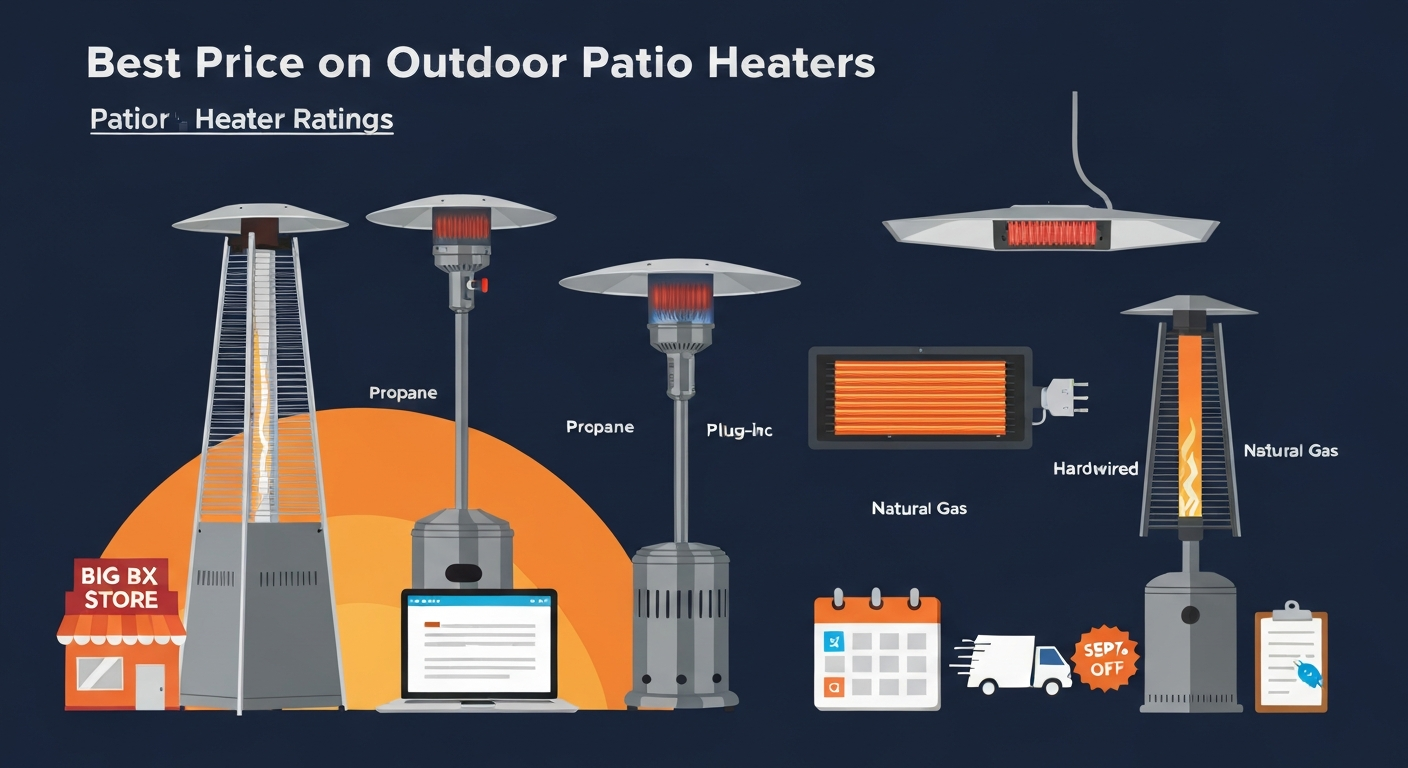
Best Price on Outdoor Patio Heaters: Compare Costs & Deals
Score the best price on outdoor patio heaters, price ranges, top picks, deal tactics, total-cost & safety checklist.