
The best patio heater for most people in 2024 is a 40,000 BTU freestanding propane model if you want plug-and-play portability, or a wall-mounted electric infrared heater if you have a covered patio and access to an outdoor outlet. Which one actually wins for you depends on three things: how big your seating area is, whether your patio is open or covered, and how much wind you're dealing with.
Best Patio Heaters 2024: Buying Guide by Type, Size, Cost

Caleb Vale
18 Jun 2026
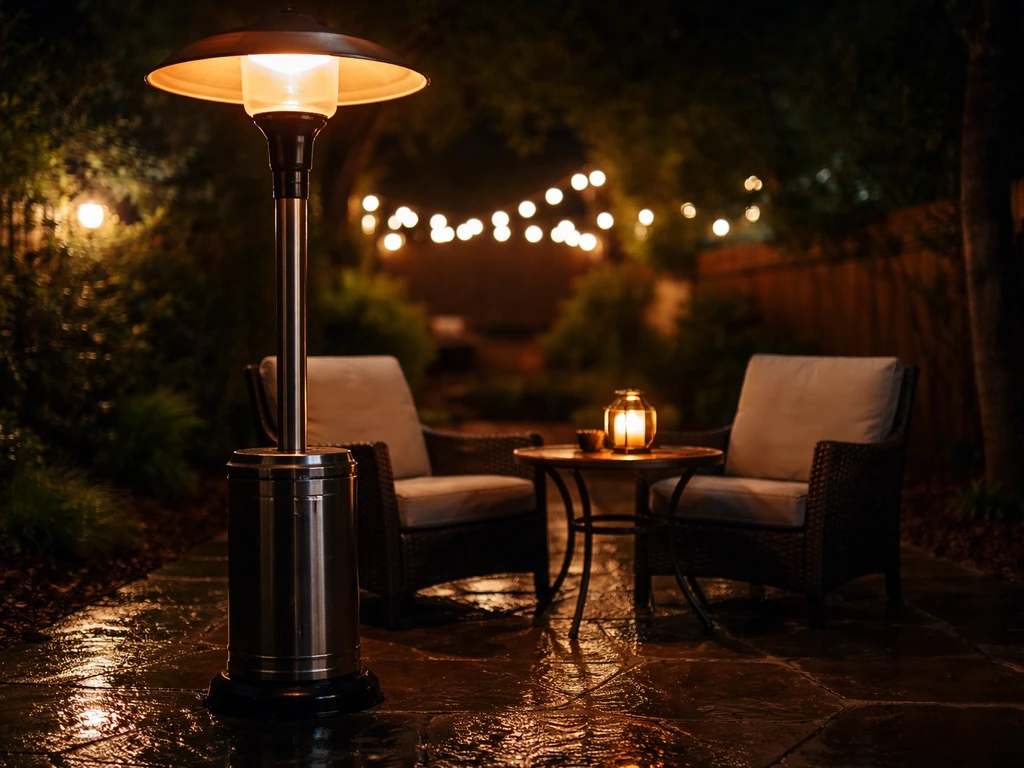
If you specifically want the top patio heaters of 2021, compare shortlists by fuel type, coverage radius, and wind performance to find the best match for your setup top patio heaters 2021. Get those three factors right and the right heater becomes obvious. Get them wrong and you'll spend money on a unit that can't keep up.
How to Choose the Right Patio Heater for Your Setup
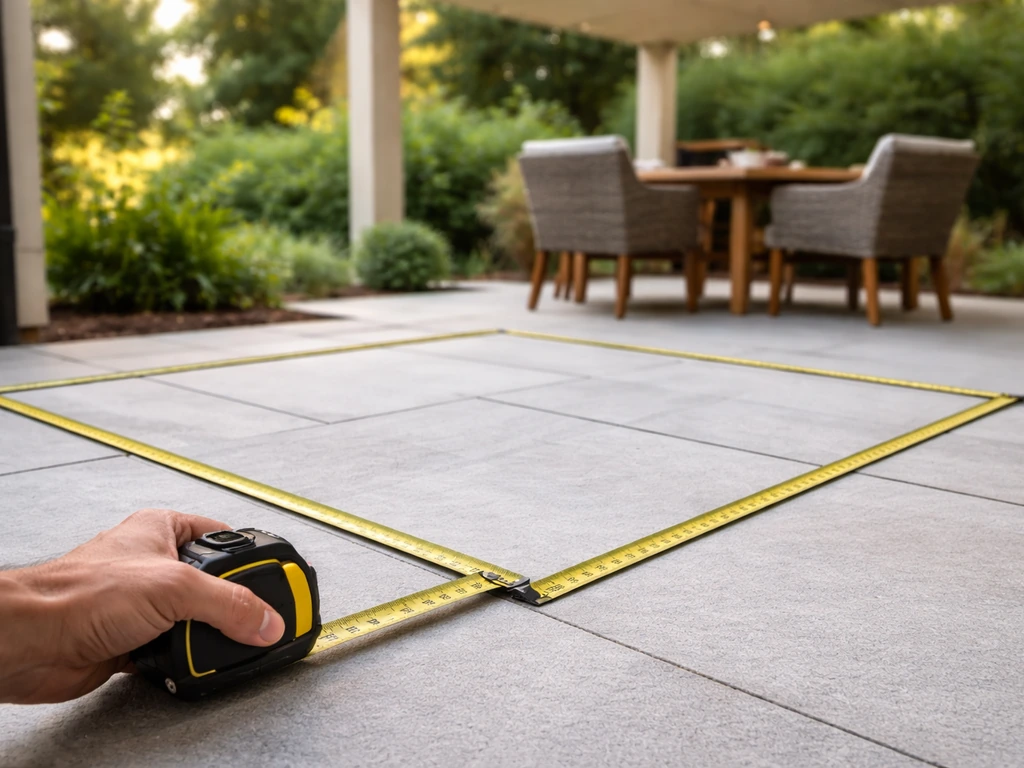
Start by measuring your usable seating area, not the entire patio. If your dining table and chairs occupy roughly a 10x12-foot zone, that's 120 square feet to heat. The standard rule of thumb is about 20 BTU per square foot for a sheltered or semi-covered space. So that 120-square-foot zone needs around 2,400 BTU worth of output at minimum. But if your patio is fully open with no overhead coverage and no windbreak, add 10 to 20 percent to that number. A covered patio with a roof overhead lets you subtract 5 to 10 percent because the heat stays in the zone longer.
Ceiling height matters more than most buyers realize. A tall mushroom-style propane heater requires at minimum 2 feet of clearance between the top of the heater and any overhead structure. Many pergolas and covered patios have 8-foot ceilings, which makes a full-height propane tower heater a tight and potentially unsafe fit. In those situations, a wall-mounted or ceiling-mounted electric or natural gas infrared heater is a much better physical match.
Think through your layout in zones. One 40,000 BTU propane heater can comfortably cover a roughly 20-foot-diameter circle, about 314 square feet under calm conditions. For an L-shaped patio or a long narrow deck, you'll likely need two smaller heaters rather than one big one, because heat distribution is radial and dead zones will form at the edges. Windbreaks, whether they're glass panels, lattice screens, or even dense planters, give you more practical heating control than adding BTUs.
| Patio Type | Recommended Heater Style | Key Reason |
|---|---|---|
| Small covered patio (under 100 sq ft) | Electric infrared wall mount | Efficient, safe for low ceilings, no fuel needed |
| Open deck, 150–300 sq ft | Freestanding propane (40,000 BTU) | Wide radial coverage, portable, no installation |
| Large open patio, 300+ sq ft | Multiple propane or NatGas overhead IR units | Zone coverage, consistent output across area |
| Restaurant or commercial patio | Natural gas plumbed infrared | Lower fuel cost, always-on readiness, professional install |
| Casual use, budget-conscious | Tabletop propane or 1,500W electric | Low upfront cost, easy storage |
| Aesthetic-first, decorative use | Pellet or fire-pit style | Ambiance, but limited directed heat output |
Propane vs Natural Gas vs Electric vs Infrared vs Pellet: What Each Type Is Actually Good At
Each heater type solves a different problem. Here's an honest breakdown of where each one shines and where it falls short.
Propane
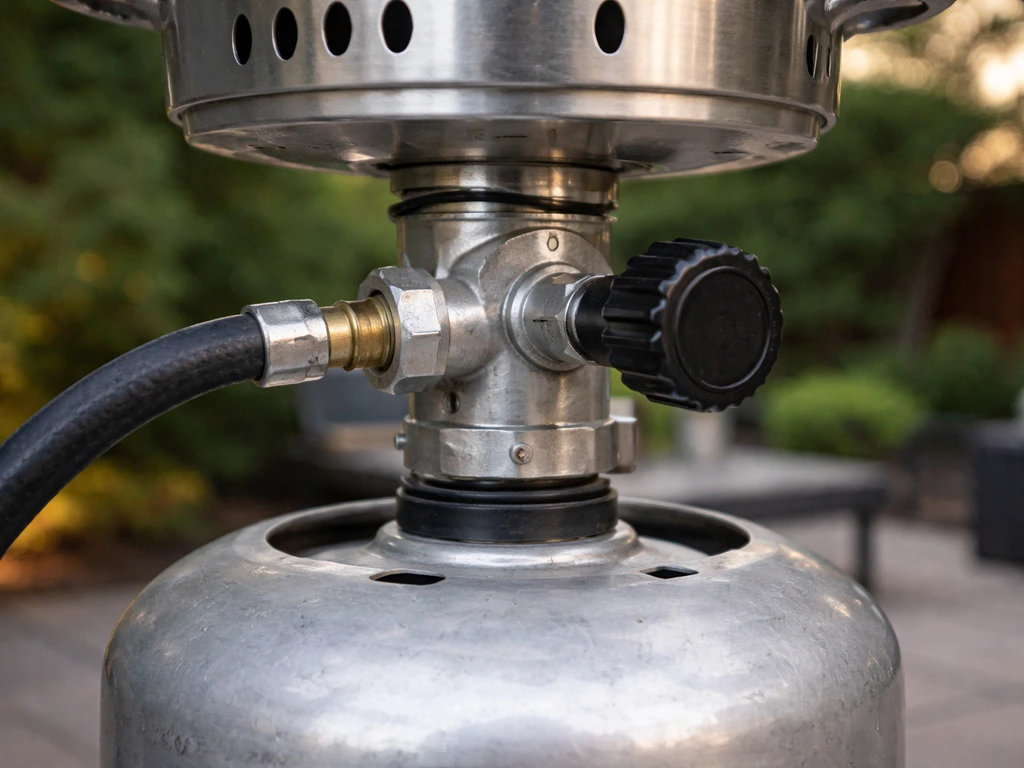
Propane is the most popular choice for a reason. If you’re shopping specifically for the best patio heaters 2022, look for models with solid coverage for your square footage and strong wind performance for your climate. A standard 40,000 BTU freestanding propane heater costs $100 to $300, runs on a 20 lb tank, and goes wherever you need it.
At full output you'll burn roughly 1 lb of propane per hour, which at current retail propane prices works out to approximately $1. 70 per hour to run. The trade-off: you need to keep propane tanks on hand, the flame is sensitive to winds above about 15 mph, and full-size models need at least 24 to 36 inches of overhead clearance.
Propane heaters are best for open patios and anyone who rents or doesn't want to deal with wiring or gas lines.
Natural Gas
Natural gas heaters are plumbed directly into your home's gas line, which means no tank swaps and generally lower fuel costs than propane. The downside is that installation requires a licensed plumber or gas technician and a dedicated outdoor gas line, which can add $300 to $800 or more in installation costs. Once installed, natural gas models are hard to beat for commercial patios or large residential setups where the heater runs for hours every evening. These units are typically mounted overhead or on walls, which makes them a good match for covered outdoor dining areas.
Electric
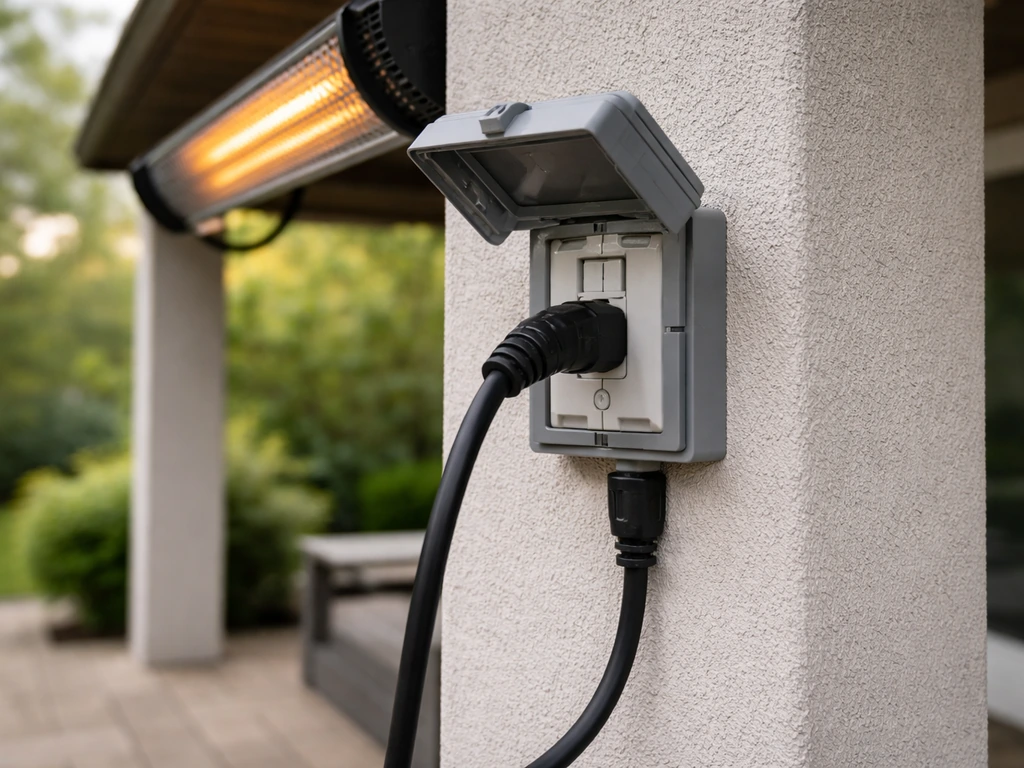
Electric heaters are the easiest to install (plug into an outdoor-rated outlet or hardwire), the safest for covered and enclosed spaces, and the most controllable thanks to thermostats, remotes, and 24-hour timer features available on many models. The ceiling is their output: a typical 1,500-watt model delivers about 5,120 BTU equivalent, which comfortably heats 70 to 90 square feet of covered outdoor space. For anything larger, you need multiple units or a higher-wattage hardwired model. At roughly $0.15 per kWh average, a 1,500W heater costs about $0.23 per hour, making electric the cheapest to run for small, covered areas.
Infrared (Radiant)
Infrared is a heating method, not a fuel type, and it's what most high-quality patio heaters use regardless of whether they burn gas or run on electricity. Infrared heaters warm objects and people directly rather than heating the air, which makes them far more effective outdoors because wind can't strip the warmth away the same way it does with convective heat. A 40,000 BTU propane infrared model like those from Sunglo claims a 12-foot heat coverage radius, which is consistent with real-world performance. Gas-fired infrared patio heaters must comply with ANSI Z83.26 / CSA 2.37, a standard specifically written for this product category. Look for compliance labeling when you buy.
Pellet
Wood pellet patio heaters are the most niche option. They burn compressed wood pellets and produce a genuine fire ambiance that propane and electric heaters simply can't match aesthetically. The practical downsides are significant: pellet heaters require regular fuel loading and ash cleanup, must be kept at least 36 inches from any combustible material, and are for outdoor use only in well-ventilated spaces. Buyer feedback consistently mentions that heat output is lower than expected for the size and price. Pellet heaters are a good pick if ambiance is the priority and heat output is secondary.
| Type | Typical Output | Coverage (Calm Conditions) | Approx. Cost/Hour | Best For | Main Drawback |
|---|---|---|---|---|---|
| Propane (freestanding) | 40,000 BTU | Up to ~314 sq ft | ~$1.70 | Open patios, renters, portability | Tank refills, wind sensitive |
| Natural Gas (plumbed) | 30,000–50,000 BTU | 200–400+ sq ft | ~$1.00–$1.40 | Commercial, permanent installs | Installation cost, not portable |
| Electric (wall/ceiling) | 1,500–3,000W | 70–150 sq ft per unit | ~$0.23–$0.45 | Covered patios, small zones | Low max output, needs outlet |
| Infrared (gas or electric) | Varies by fuel source | Same as fuel source | Same as fuel source | Wind-exposed, directional heating | Directional only, setup matters |
| Pellet | Low–moderate | Under 100 sq ft effectively | ~$0.50–$1.00 (pellets) | Ambiance, casual use | Maintenance, lower heat output |
Coverage and Performance: What 'Enough Heat' Actually Means
BTU numbers on the box are measured under ideal laboratory conditions. Real patios are not ideal. Marketing copy for some 40,000 BTU models claims coverage up to 290 to 314 square feet, while others claim the same BTU output only covers 100 square feet. Both can be true depending on wind exposure, heater design, and what 'comfortable' means to the user. The honest answer is that a 40,000 BTU freestanding propane heater realistically heats a circle of about 15 to 20 feet in diameter in calm conditions, shrinking noticeably once wind picks up.
Wind is the biggest variable. Research from heater manufacturers is consistent on this: more BTUs per square foot are required as sustained wind velocity increases, and wind management gives you more control than simply buying a more powerful heater. Even a modest windbreak, a privacy screen, a pergola side panel, or a glass enclosure, can dramatically increase the effective comfort radius of a mid-range heater. The manufacturer guidelines for SunStar Heaters recommend using a windbreak to reduce direct wind effects when sizing outdoor patio heating coverage. If you're in a windy climate like coastal areas or open plains, budget for both the heater and a windbreak solution.
For infrared models specifically, placement and aim matter as much as output. Infrared heat travels in a line until it hits a surface, so a wall-mounted unit aimed at the seating area warms the people there directly. Tilting it slightly downward toward the seating zone rather than shooting it horizontally across the space makes a real practical difference. Mounting height is also specified in most manuals: one standard recommendation is that the bottom of the heater should be no lower than 78 inches from the patio surface. Below that, you risk heat concentration and discomfort for people sitting directly underneath.
Safety and Installation: What You Need to Know Before You Power Anything On
Propane Heaters
The NFPA and PERC both publish outdoor heater safety guidance that propane users should read. The key practical rules: keep the propane cylinder upright at all times, place the heater on a stable, level surface away from foot traffic, and never use a full-size propane heater under an awning or pergola unless you've confirmed at least 24 to 36 inches of clearance between the heater top and the structure above. Propane heaters include a tilt switch that shuts off the gas if the unit tips over. Don't disable it. Check the hose and connection for cracks or damage before every season. Store propane cylinders outdoors, never in a garage or enclosed space.
Natural Gas Heaters
Natural gas models must be installed by a licensed professional who will size the gas line, confirm adequate pressure, and ensure the unit is mounted to code. Gas-fired outdoor infrared models fall under ANSI Z83.26 / CSA 2.37, the specific standard for this product category, so check that your unit is certified to that standard. Combustion gases vent from the top of the unit, so overhead clearance from combustible materials is required per your specific model's manual. Never mount a gas heater where exhaust gases can accumulate under a low roof or in a semi-enclosed space without adequate ventilation.
Electric Heaters
Electric patio heaters are the safest to install, but you still need an outdoor-rated GFCI outlet for plug-in models, or a qualified electrician for hardwired installations. Check the wattage: a 1,500W heater draws about 12.5 amps on a standard 120V circuit, which is fine. A 3,000W heater on 240V needs a dedicated circuit. Never run extension cords to a patio heater long-term. For wall and ceiling mounting, follow the minimum clearance distances in your manual, typically 12 to 36 inches from combustible surfaces depending on the model.
Pellet Heaters
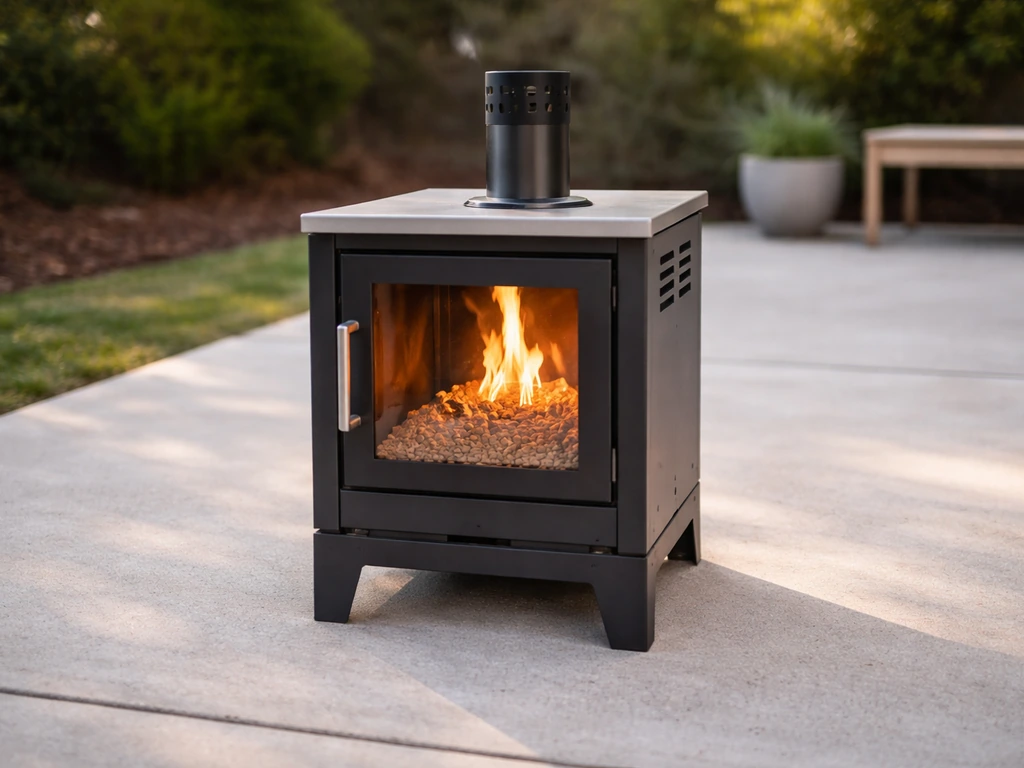
Pellet heaters have the strictest clearance requirements of any type: 36 inches minimum from any combustible material on all sides. They must only be used outdoors in well-ventilated areas. Never use a pellet patio heater on a wooden deck without a non-combustible mat underneath, and never leave one burning unattended. Ash disposal should be done only after the unit has fully cooled.
What It Costs to Run a Patio Heater in 2024
Operating costs vary significantly by fuel type and local prices, but the general hierarchy holds up across most US markets in 2024. Electric is cheapest per hour for small covered spaces. Natural gas is cheapest for large commercial or residential setups where hours of runtime add up. Propane is the most expensive on a per-BTU basis but the most convenient for portable setups.
- Propane (40,000 BTU at full output): approximately $1.70 per hour, burning roughly 1 lb of propane per hour. Expect real-world costs to vary based on local propane pricing and whether you run at full output.
- Natural gas: generally 30 to 50 percent less expensive per BTU than propane in most US markets, making it the better long-term value for permanent installations with high usage.
- Electric (1,500W): approximately $0.23 per hour at the US average electricity rate of around $0.15/kWh. Higher-wattage hardwired units scale proportionally.
- Pellets: fuel cost varies but generally runs $0.50 to $1.00 per hour depending on pellet quality and burn rate. Factor in the inconvenience of sourcing and storing pellets.
Efficiency also depends on how well your heater matches your space. An oversized propane heater running at 30 percent output in a small covered patio is less efficient than a matched 1,500W electric unit running at full capacity. Infrared heating is inherently more efficient outdoors than convective heating because it doesn't heat air that blows away. If you're in a climate where you run the heater more than 50 hours per season, model out your annual fuel cost before choosing. Natural gas or electric will almost always win that calculation over propane.
The Best Patio Heater Picks for 2024, by Category
These picks reflect the combination of performance testing results, real-world buyer feedback patterns, and value for each specific use case. No single heater is best for everyone, so the goal here is matching the right unit to your exact situation. If you want an easy starting point, check our picks for the best outdoor patio heaters 2021 to match common setups and budgets.
Best Overall Freestanding Propane: 40,000 BTU Mushroom-Style Heater
A quality 40,000 BTU mushroom heater (from brands like AZ Patio Heaters, Fire Sense, or similar) is the most practical pick for open patios between 150 and 300 square feet. Look for stainless steel construction, a reliable piezo ignition, a tip-over safety shutoff, and an anti-tilt base. Budget between $150 and $250. One consistent complaint from buyers across multiple brands is ignition system reliability over time, particularly push-to-light igniters that develop problems after one or two seasons. Heaters with electronic ignition or a simpler manual ignition backup hold up better long-term.
Best for Covered Patios: Wall-Mounted Electric Infrared
For covered patios under 100 square feet, a 1,500W wall-mounted electric infrared heater is the cleanest, safest, and most cost-effective solution. The RADtec 43-inch Zero Light model covers approximately 70 square feet in a covered outdoor space, and similar carbon fiber emitter models like the Aura CF1500 push coverage to around 90 square feet. These units are nearly silent, have no open flame, and commonly include remote controls and 24-hour timers. Expect to pay $150 to $350 depending on build quality and features.
Best for Wind-Exposed Patios: Gas Infrared with Wind Protection
If wind is your biggest problem, look at heaters specifically engineered to resist it. The Bromic Tungsten Smart-Heat series uses ceramic fascias to protect the burner and distribute heat more evenly, and reviewers consistently note better wind performance compared to standard mushroom heaters. These are premium units ($500 to $900 range) but the performance difference in a windy coastal or high-elevation setting is meaningful. One-touch ignition and consistent output in conditions where cheaper heaters sputter or shut off are the key selling points.
Best for Commercial or High-Use Patios: Plumbed Natural Gas Infrared
For restaurants, bars, or any patio that runs heaters 4 or more hours daily, natural gas infrared overhead or wall-mount units are the clear choice. The upfront installation cost is real, but propane tank management at commercial scale is a significant operational burden. Natural gas units also comply with ANSI Z83.26 / CSA 2.37 when properly certified, which matters for commercial liability and insurance. Budget $400 to $1,200 per unit plus installation.
Best for Ambiance and Casual Use: Propane Infrared or Pellet
If you want warmth plus visual appeal and you're not trying to heat a large zone efficiently, a propane infrared pyramid heater or a pellet patio heater works well for casual entertaining. The Sunglo 40,000 BTU infrared propane model claims a 12-foot heat radius and produces a visible flame column that guests actually notice and appreciate. For pellet heaters, go in expecting the ambiance to be the main feature and the heat to be supplemental, because buyer feedback consistently finds output lower than marketed.
Best Budget Pick: 1,500W Tabletop Electric or Entry Propane
For occasional use or a very small seating area, a $50 to $100 tabletop propane heater or a basic 1,500W electric unit gets the job done without significant investment. Don't expect these to heat more than a 6-foot radius, but for a two-person bistro table they're perfectly adequate and easy to store when the season ends.
Keeping Your Heater Running Well All Season
Most patio heater problems come down to three things: ignition failure, pilot or burner debris, and connection issues. A troubleshooting guide updated in late 2024 from WebstaurantStore identifies the most common causes of heaters that won't light: debris buildup at the pilot, a damaged gas connection or hose, and thermocouple or flame sensor issues that mimic ignition failure. The fix for most of these is simpler than people expect.
- At the start of each season, inspect the gas hose on propane and natural gas models for cracks, brittleness, or damage. Replace it if there's any doubt.
- Clean the burner head and pilot assembly with compressed air to remove spider webs, debris, and dust that accumulate during storage. This is the most common cause of 'won't light' issues.
- Test the tilt switch by gently tilting the heater and confirming it shuts off the gas or power. If it doesn't engage, the safety mechanism needs service before you use the unit.
- For electric heaters, check the heating element for discoloration or physical damage each season. Carbon fiber and quartz elements can crack from impact or thermal cycling.
- If a gas heater lights but produces low heat or a weak flame, check regulator function. A regulator in bypass mode (a safety feature triggered by rapid valve opening) is often mistaken for a failing unit. Close the tank valve, wait 30 seconds, then open it slowly.
- For pellet heaters, clear the ash tray and burn pot before each use. Ash buildup is the leading cause of poor combustion and low heat output on these models.
- At the end of the season, store propane heaters with the tank removed, cover all units with weatherproof covers rated for outdoor storage, and bring electric heaters indoors if your winters are severe.
Wind above about 15 mph can cause inconsistent operation in gas heaters even when nothing is wrong with the unit itself. The Synergy Patio Heater manual notes that wind sensitivity above roughly 15 mph can lead to inconsistent gas-heater operation wind above about 15 mph can cause inconsistent operation. If your heater shuts off intermittently on gusty evenings, the problem is likely wind, not a mechanical fault. Adding a windbreak or repositioning the heater relative to the prevailing wind direction often resolves it completely without any repairs needed.
If you're comparing this guide against what was available in 2023 or looking ahead to what's changing for 2025, the core heater categories haven't shifted dramatically. If you're specifically hunting the best patio heaters 2025, focus on your coverage needs and the fuel type that matches how protected your patio is what was available in 2023 or looking ahead to what's changing for 2025. The biggest changes year to year are in smart controls (Wi-Fi and app integration on premium electric models), improved carbon fiber emitter longevity on electric infrared units, and tightening compliance standards for gas models. The picks and principles in this guide reflect what's performing well right now, and they hold up for anyone making a buying decision in 2024.
FAQ
How do I estimate how many patio heaters I need if my seating area isn’t a simple rectangle?
Use your seating zone measurement, then plan in circles for propane and in targeted “aimed” zones for infrared. For odd shapes like L-shaped patios, it’s usually better to split into two smaller heaters placed at the corners, then overlap the warm spots by about 10 to 15% so edges don’t feel colder.
Do I really need to oversize the BTU for wind, or should I rely on a windbreak instead?
Start with a windbreak if possible, then size the heater for calm to mildly windy conditions. Windbreaks typically improve comfort more than adding BTUs, because drafts remove convective heat quickly. If you cannot add a barrier, then choose higher output and consider models designed to maintain flame stability in gusts.
What happens if my patio has an awning or pergola roof, can I still use a propane heater?
You usually can, but only if you can verify top-to-structure clearance is met for that exact heater model. Many full-height units require several feet of clearance to manage heat and flame, so the safe approach is to measure from the heater’s highest point to the underside of the structure before purchase.
How should I position an infrared heater for best comfort, and what’s the most common mistake?
Aim it at people and nearby surfaces, since infrared warms what it hits, not the air. The common mistake is mounting it too high or aiming it across the seating so the beam misses the group, which makes it feel weak even if the wattage is correct.
Can I use an electric patio heater under a covered patio, even if it’s “weather resistant”?
Only if the unit is rated for outdoor use and you connect it to a properly protected GFCI outlet (for plug-in models). Avoid indoor extension cords for long-term use, and confirm the heater’s manual allows operation under the specific ceiling height you have.
What outdoor outlet requirements matter for electric infrared heaters?
Confirm you have an outdoor-rated GFCI circuit that matches the heater’s voltage and amperage needs. A 1,500W heater on 120V is typically fine, but larger units may require 240V and a dedicated circuit, so buying the heater before checking electrical capacity is a frequent budgeting mistake.
How do I tell whether a claimed coverage radius is realistic for my patio?
Treat marketing “coverage” as an ideal, calm-condition number. A better decision aid is to assume reduced comfort in wind and when guests aren’t directly in line with the heat stream. If you want to avoid disappointment, choose a heater sized for your area plus a buffer for wind rather than relying on the maximum claimed radius.
Is infrared always better than propane because it’s wind-resistant?
Infrared tends to feel more effective outdoors in wind because it warms directly, but it still depends on placement and line-of-sight. Propane can be better for open areas when you need a broader, radial warmth around people, especially if you can’t aim infrared well or want heat in a wider circle.
What ignition or startup issues should I expect, and what’s the best troubleshooting first step?
If a heater won’t light, start with the simplest causes: debris at the pilot/burner area and inspection of the gas connection or hose. Many “ignition failure” complaints end up being dirt buildup, a compromised connection, or a flame-sensing problem rather than a dead ignition module.
My gas heater shuts off intermittently on gusty evenings, is it likely broken?
Not usually. Intermittent shutoffs in gusts often indicate wind effects on flame sensing or stability rather than a mechanical failure. Repositioning the heater relative to prevailing wind or adding a modest windbreak resolves many cases without repairs.
What ceiling height is safe for different heater types?
For tall propane mushroom-style units, you need explicit clearance from the top to overhead structures based on that model’s manual. For gas-fired infrared, combustion and exhaust require clearance too, while electric infrared has its own minimum mounting distances from combustibles. The safe approach is to match your patio clearance to the manufacturer’s stated minimums, not generic rules of thumb.
Are pellet patio heaters worth it, or are they mainly for ambiance?
They’re primarily an ambiance and supplemental heat option. Expect more maintenance (fuel loading and ash cleanup), strict clearance rules, and less effective heat than you’d assume from the size and price. If your priority is steady warmth for a group, propane or electric infrared is usually the more reliable outcome.
How should I plan operating costs if propane or electric prices fluctuate in my area?
Model costs using runtime and your local fuel rate, then compare totals over your expected season hours. If you only run it occasionally, propane convenience can win, but if you run it many evenings, natural gas or electric often becomes cheaper, especially when the heater matches your space size.
What maintenance should I do at the start of each season?
For propane: inspect hoses and connections for cracks or wear and confirm the base and stability features work. For gas-fired units: verify mounting and clearance, and have a professional check the installation if anything has been altered. For electric: inspect the power connection and ensure the outlet and cord paths stay dry and secure.
Next Articles
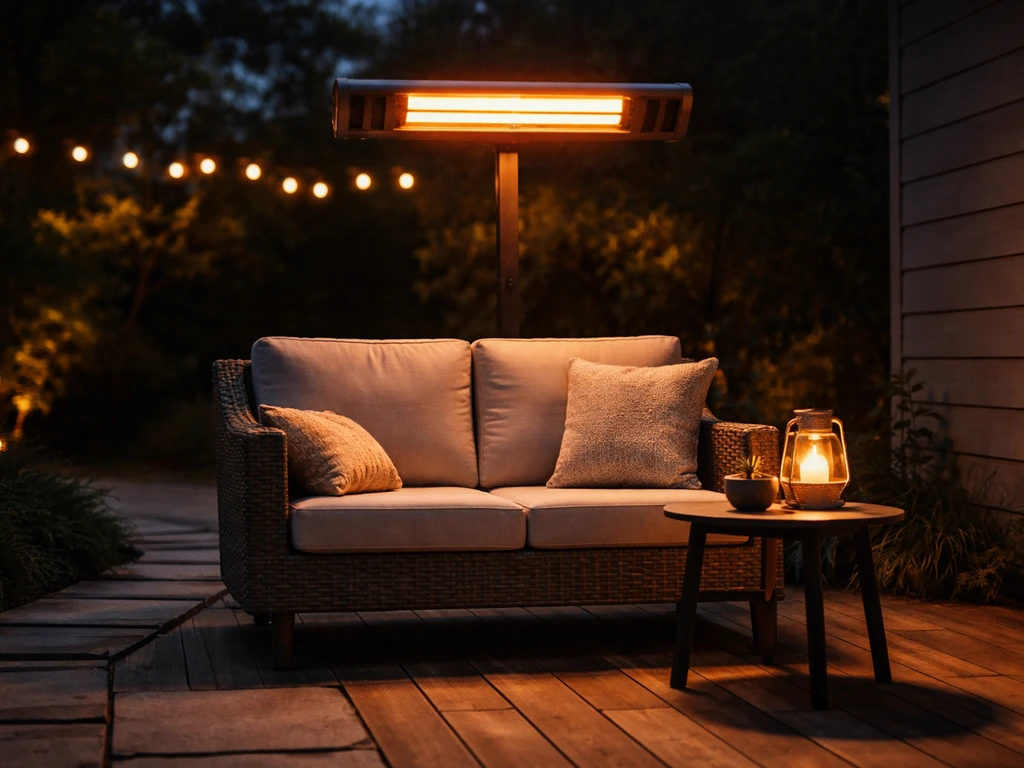
Best Patio Heaters 2025: Propane, Electric, Gas, Infrared
Best patio heaters 2025 by fuel type with BTU coverage, wind control, costs, installation and safety tips.
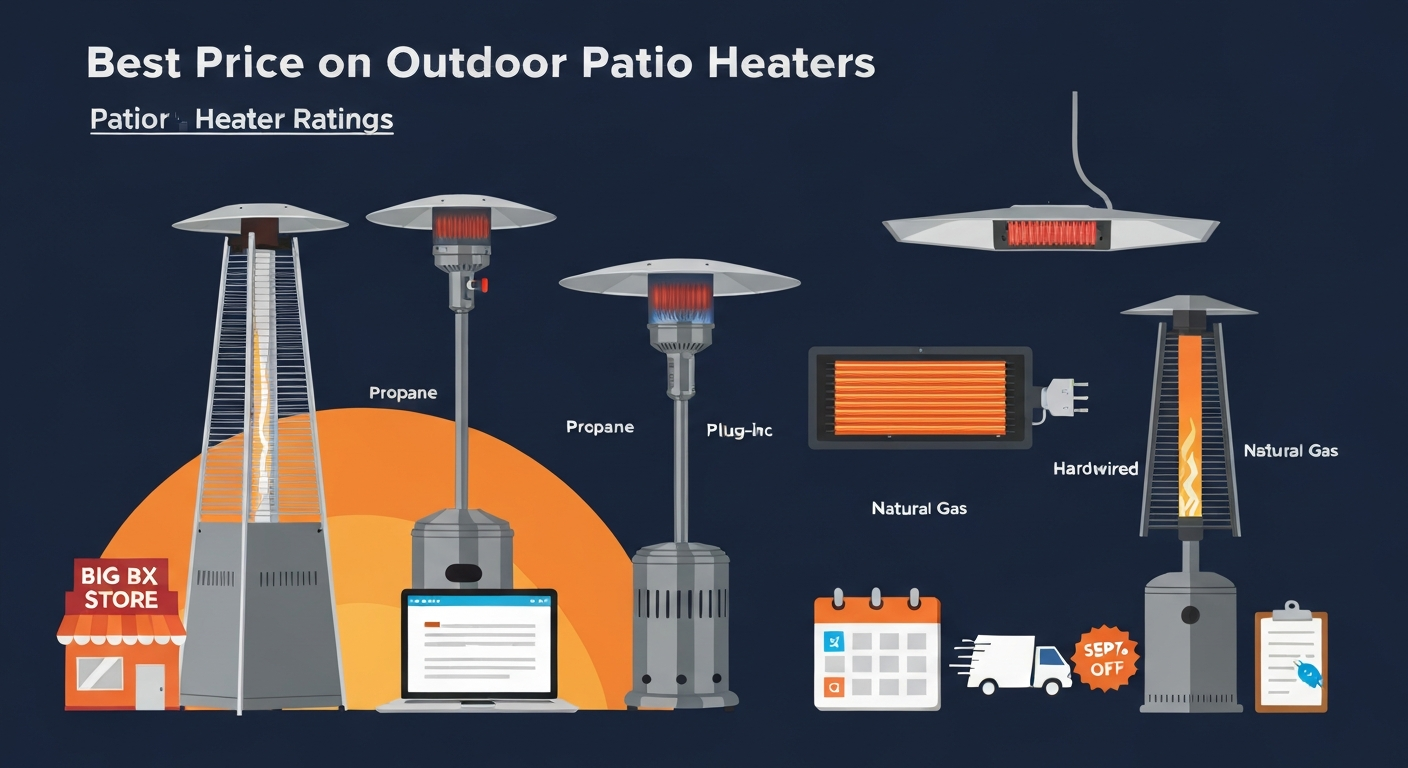
Best Price on Outdoor Patio Heaters: Compare Costs & Deals
Score the best price on outdoor patio heaters, price ranges, top picks, deal tactics, total-cost & safety checklist.
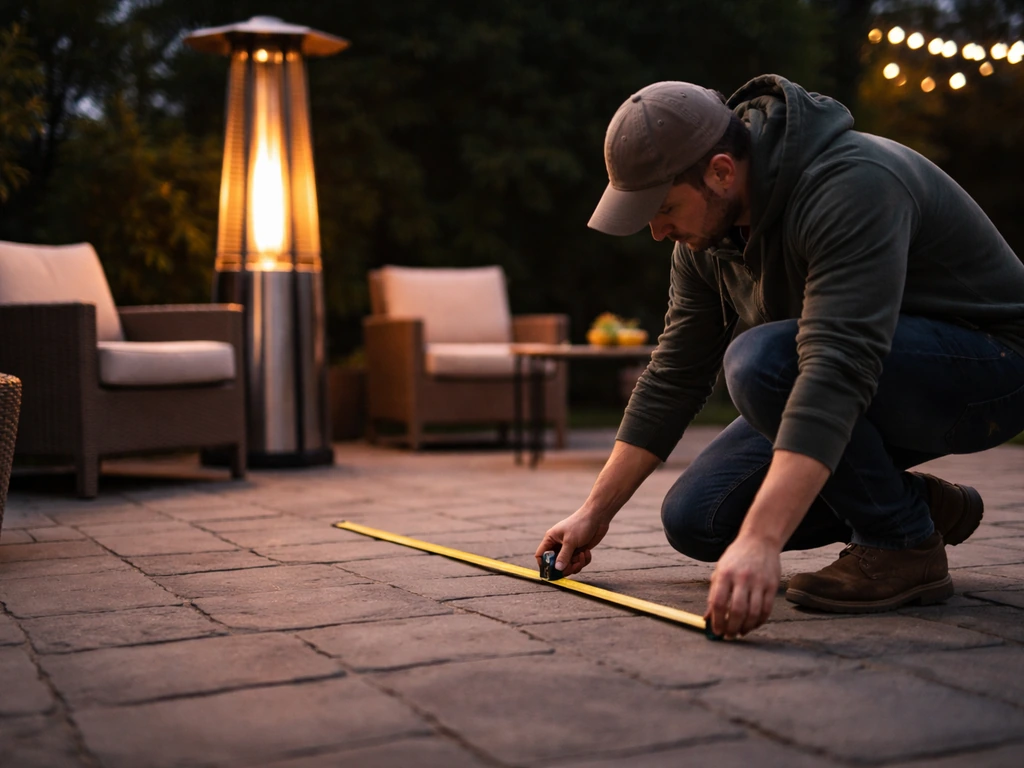
Where Can I Rent Patio Heaters Near Me Today
Find where to rent patio heaters near you today, choose the right fuel type, compare costs, and book safely.