
The best patio heater for 2022 depends on your specific setup, but here's the direct answer: if you have a standard uncovered patio around 100 sq. ft. , a 40,000 BTU propane tower heater like the AZ Patio Heaters HLDS01-GTSS or a high-wattage infrared electric like the Dr. Infrared DR-238 will cover most people's needs.
Best Patio Heaters 2022: Electric, Propane, Gas, Infrared, Pellet

Caleb Vale
19 Jun 2026
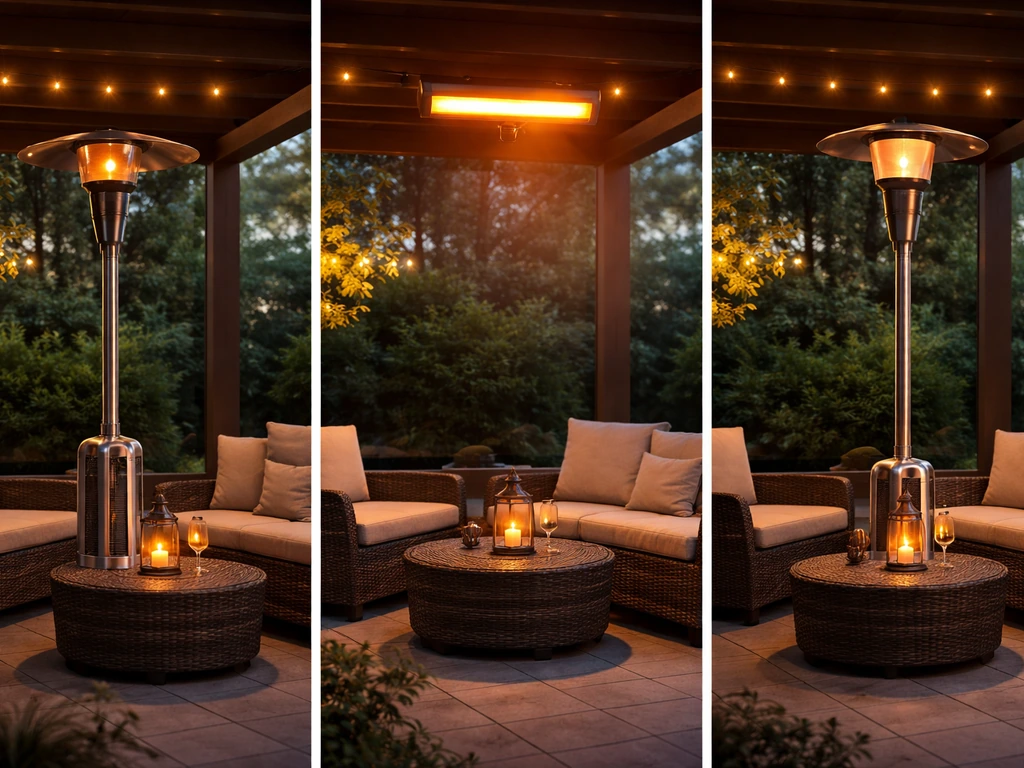
If you have gas line access and a permanent patio, a natural gas mounted heater is the better long-term investment. And if you're working with a small covered space or a balcony, a 1,500W electric infrared panel keeps things simple and safe. Below, I've broken down the best picks by category and explained how to match each one to your actual situation.
If you want quick picks for the year, check the guide to the best outdoor patio heaters 2021.
How to choose the right patio heater for your space
Before you look at any specific model, you need to nail down three things: how much space you're actually heating, what your typical conditions are, and what power or fuel source you realistically have access to. Get these right and the product decision becomes pretty straightforward.
Size your heater to your seating area, not your full patio
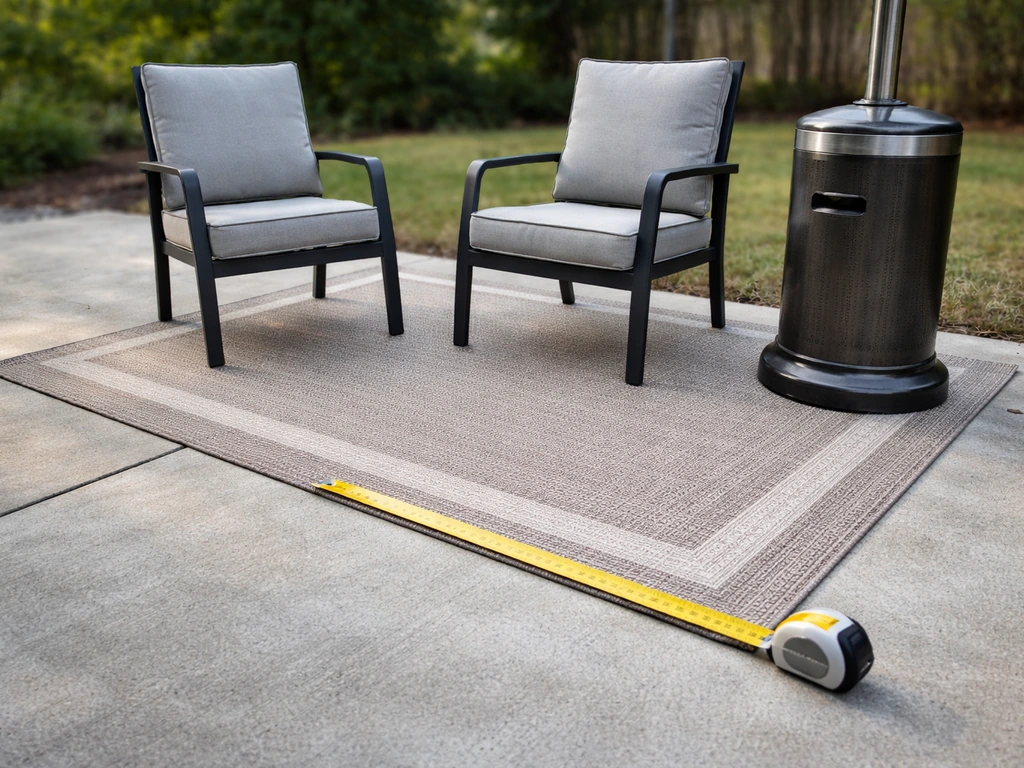
The most useful rule of thumb here is 20 BTU per square foot of usable seating area. So a 150 sq. ft. seating zone needs roughly 3,000 BTU minimum, but that's a bare floor estimate indoors. Outdoors, you add 10-20% for an open, unenclosed patio, and you can back off 5-10% if you're under a covered pergola or roof. A single standard propane tower heater covers about 100 sq. ft. practically, so for a larger space you're either stepping up to a high-output commercial unit or running multiple heaters. Gas heaters routinely output 40,000 BTU or more, but raw BTU doesn't equal real-world coverage, placement and patio geometry matter just as much.
Match the heat style to your climate and exposure
Infrared heaters warm people directly, like sunlight, so they stay effective even when it's breezy because they don't rely on heating the air around you. Convection-style heaters (most propane towers) push warm air outward, which works well in calm, enclosed spaces but loses efficiency fast in wind. If your patio is exposed or you regularly deal with gusts, infrared is the smarter choice. If you're in a milder climate and mostly dealing with cool evenings rather than near-freezing temps, a lower-output convection heater does the job without the premium price.
Figure out your fuel access first
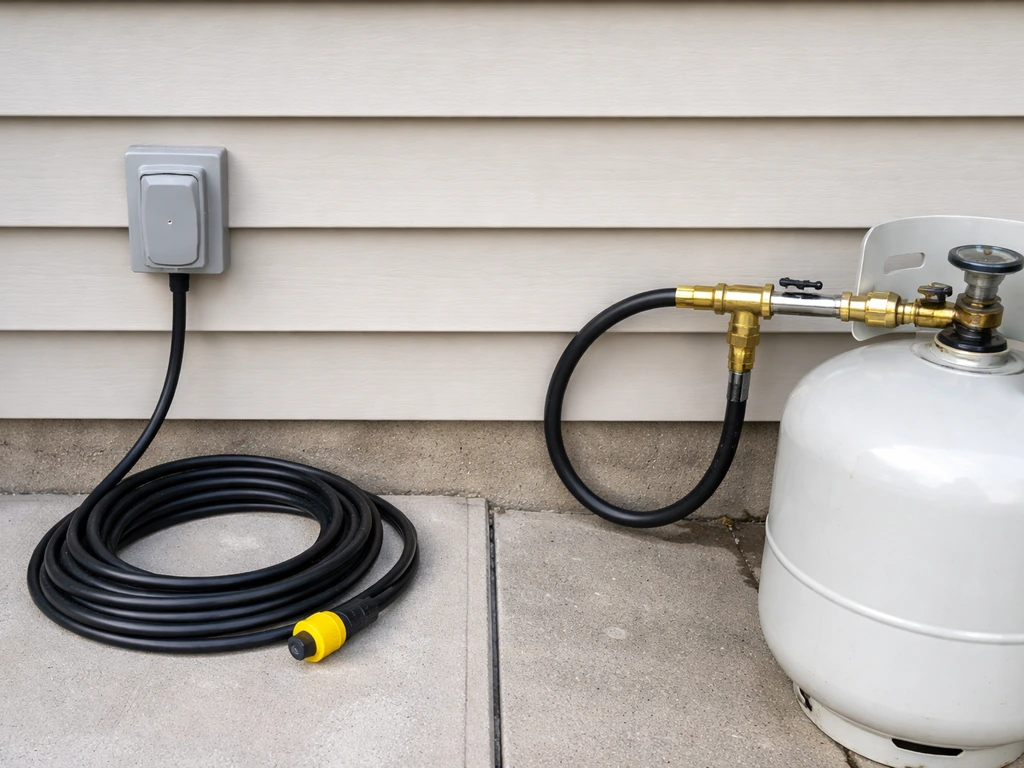
This is the practical constraint most people skip. Electric heaters need a dedicated outdoor-rated outlet, ideally a 20-amp circuit for anything above 1,500W. Propane towers need LP tank storage and refills, which is easy for most homeowners. Natural gas heaters need a gas line run to the patio, which adds installation cost but eliminates the refill hassle. Pellet heaters are the most niche option, work best as a focal-point feature heater, and need pellet storage. If you rent, or just want plug-and-play convenience, electric or propane wins on simplicity.
Best patio heater picks for 2022 by category
These are the models that consistently earned strong marks in 2022 across performance testing, customer feedback, and real-world durability. I've organized them by heater type so you can go straight to the category that fits your situation. The landscape has evolved since then, and if you're comparing these to more recent options, the 2024 and 2025 buying guides on this site cover updated models worth stacking up against these picks. If you want a quick way to compare options for the current season, this guide to the best patio heaters 2024 can help you narrow it down fast.
Best propane patio heater: AZ Patio Heaters HLDS01-GTSS
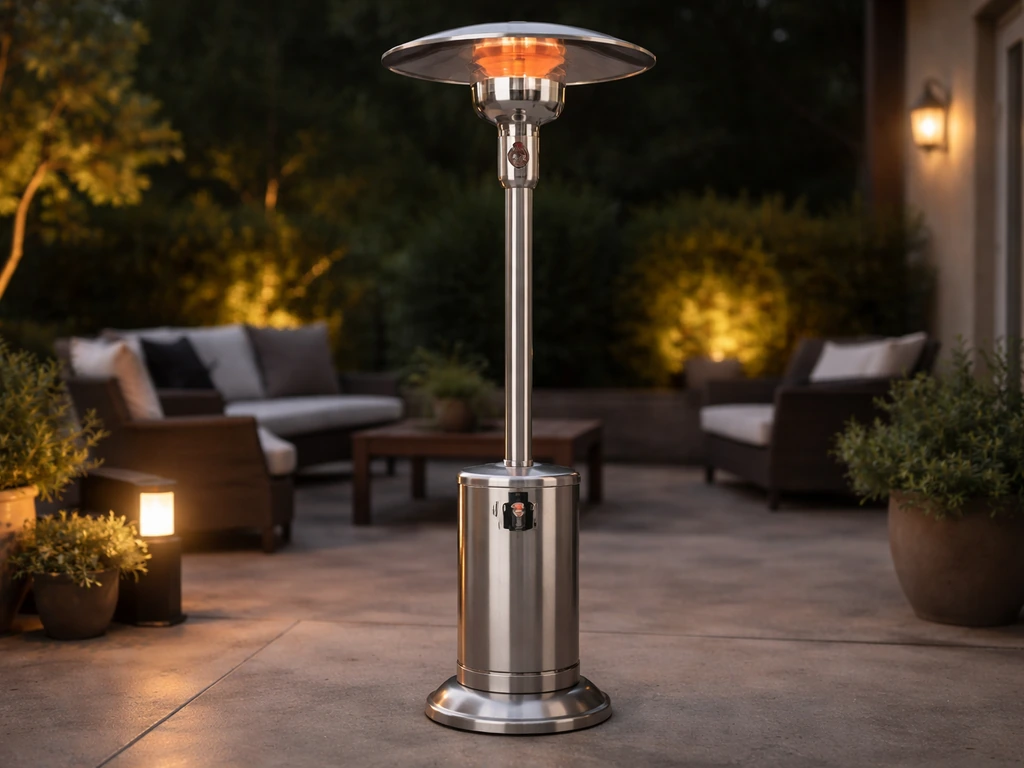
The AZ Patio Heaters HLDS01-GTSS is the go-to propane tower for most residential patios in 2022. If you want the most current guidance, check our picks for top patio heaters 2021 by type and heat style patio heaters in 2022. It puts out 46,000 BTU, covers roughly 100-150 sq. ft.
in calm conditions, has a stainless steel finish that holds up to weather, and comes with a tip-over auto-shutoff that's a baseline safety requirement. It runs on a standard 20 lb. LP tank and assembles in under 30 minutes. The main trade-off: the heat bubble is heaviest at the top and directly around the unit, so placement matters.
Guests sitting 8-10 feet out will feel the warmth but not the full heat output. At around $150-180, it's one of the best value propositions in this category.
Best electric patio heater: Dr. Infrared DR-238
The Dr. Infrared DR-238 is a 1,500W infrared wall-mount or ceiling-mount panel that consistently outperforms comparably priced competitors in directed heat output. It heats people in its beam directly and stays effective in mild wind because it's infrared rather than convective. It's waterproof (IPX4 rated), mounts easily to a wall or joist, and comes with a remote. The downside is coverage: it's ideal for a focused seating zone of about 100 sq. ft. directly in front of the unit, not a large open patio. For larger electric coverage, pairing two units flanking a seating area beats trying to cover everything with one.
Best natural gas patio heater: Bromic Heating Tungsten 300
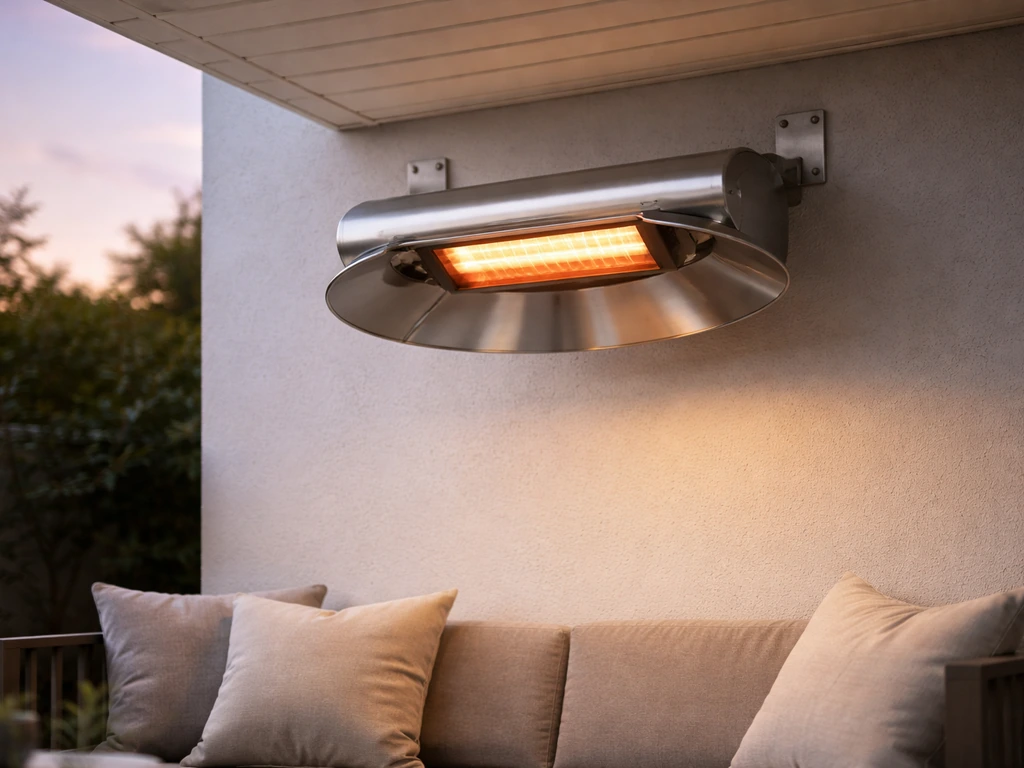
If you have a gas line and want a permanent, high-output heater that also looks good, the Bromic Tungsten 300 is the benchmark. It delivers 26,400 BTU in a wall or ceiling-mount directional infrared format, covers about 150 sq. ft. of directed zone, and has a build quality that justifies the higher price point (typically $600-800 installed). The directed infrared delivery means wind resistance is excellent. The catch is the installation cost: you'll need a licensed gas tech to tie into a line and mount it properly. This is a long-term investment heater, not a seasonal purchase.
Best infrared patio heater: Infratech W-Series Single Element
Infratech's W-Series is a premium electric infrared choice built for outdoor use. The single-element 1,500W version is a solid residential option; the dual-element 3,000W version covers larger zones effectively. These mount overhead (ceiling or pergola beams), heat the people below directly, and are completely silent. Infratech units are known for consistent output over years of use and are a strong pick if you're building out a permanent covered outdoor space. They do require a dedicated 240V circuit for the higher-output models, so confirm your electrical before ordering.
Best pellet patio heater: Pleasant Hearth OFP-PELLET
Pellet heaters are a niche pick, but they make sense if you want a visual fire element and self-sufficient fuel storage. The Pleasant Hearth OFP-PELLET is a freestanding outdoor unit that burns wood pellets, produces real flame ambiance, and outputs meaningful heat for a tight seating circle (think 6-8 feet radius). It's not a whole-patio solution, but as a centerpiece heater for a fire-pit-style setup it works well. The operational reality is that you'll need dry pellet storage and some attention to airflow management. Not recommended for covered patios with low clearance.
Performance and heat coverage compared
| Model | Type | Output | Coverage (approx.) | Wind Resistance | Best For |
|---|---|---|---|---|---|
| AZ Patio Heaters HLDS01-GTSS | Propane Tower | 46,000 BTU | 100-150 sq. ft. | Moderate | Open residential patios, portability |
| Dr. Infrared DR-238 | Electric Infrared Wall/Ceiling | 1,500W (~5,100 BTU equiv.) | Up to 100 sq. ft. directed | Good | Covered patios, small zones |
| Bromic Tungsten 300 | Natural Gas Infrared | 26,400 BTU | ~150 sq. ft. directed | Excellent | Permanent installs, larger budgets |
| Infratech W-Series (Dual) | Electric Infrared Overhead | 3,000W (~10,200 BTU equiv.) | 100-160 sq. ft. directed | Excellent | Covered pergolas, overhead mounting |
| Pleasant Hearth OFP-PELLET | Pellet | Variable (~10,000-12,000 BTU) | ~50-80 sq. ft. radius | Low | Ambiance + heat, intimate settings |
One thing to understand about manufacturer coverage claims: they're almost always measured in ideal conditions (calm air, moderate temps). Real-world coverage typically runs 15-25% lower on an open exposed patio. The infrared models hold their numbers better in wind because the heat energy is radiant rather than air-based. When comparing models, prioritize the heater type and placement method over the raw BTU number alone.
Safety, clearances, and installation by heater type
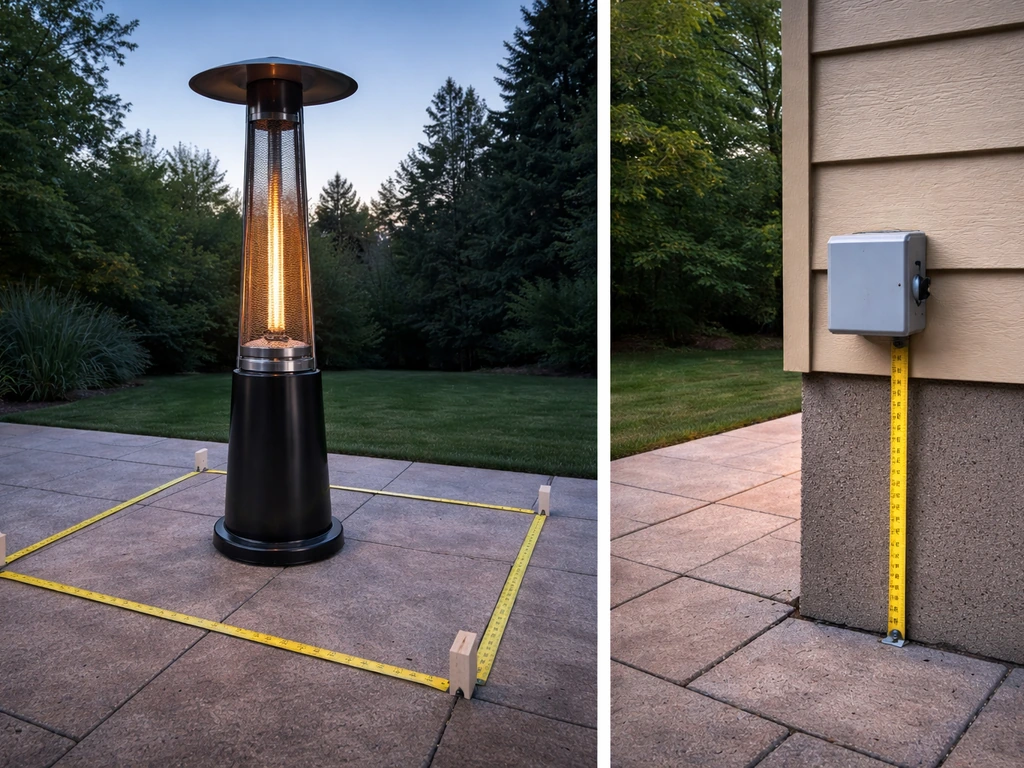
This is where a lot of buyers cut corners and regret it. Safety requirements genuinely differ by fuel type, and the stakes are real, especially with gas.
Propane tower heaters
- Maintain at least 36 inches of clearance from the top of the unit to any overhead structure (pergola rafters, umbrella fabric, awnings)
- Always use the tip-over shutoff feature — never disable it
- Store LP tanks upright and outdoors, away from heat sources
- Never use a propane tower heater in an enclosed space — CO buildup risk is real
- On windy evenings, the pilot can be unreliable — this is a known limitation of most tower models
Electric infrared heaters
- Must be rated for outdoor use — look for IP44 minimum weatherproofing rating
- Ceiling and wall mounts require proper structural anchoring into framing, not just drywall
- Keep minimum 24 inches between the element and any surface directly below it
- Higher-wattage units (2,000W+) often need a dedicated 20-amp circuit
- 240V models need a licensed electrician for installation
Natural gas heaters
- Gas line installation must be done by a licensed professional — no exceptions
- Outdoor gas heaters must be used in open or adequately ventilated areas — CO risk with any combustion heater in enclosed spaces
- Check local codes before installing permanent gas fixtures on a patio
- Maintain manufacturer-specified clearance from combustibles, typically 24-36 inches depending on output
- Always shut off the gas supply when the heater is not in use for extended periods
Pellet heaters
- Keep at least 3 feet of clearance from any structure, furniture, or combustible material in all directions
- Only use ASTM-certified wood pellets — wet or low-quality pellets create excessive ash and reduce output
- Never use indoors or under any enclosed overhead covering
- Have a fire extinguisher accessible when using any open-flame or combustion heater
What it actually costs to run each heater type
Upfront price is only part of the story. Running costs vary significantly by fuel type and local utility rates, and over a full season they can flip the value equation. Here's a realistic breakdown.
| Heater Type | Typical Running Cost | Notes |
|---|---|---|
| Propane tower (46,000 BTU) | $1.50-2.50/hour | Based on ~$3.50/gal LP; a 20 lb. tank lasts roughly 8-10 hours at full output |
| Electric infrared (1,500W) | $0.18-0.25/hour | Based on national avg. ~$0.12-0.16/kWh; cheapest per hour but lower absolute output |
| Electric infrared (3,000W) | $0.36-0.50/hour | Higher output, still economical vs. gas for covered applications |
| Natural gas (26,400 BTU) | $0.30-0.60/hour | NG rates vary widely; typically 60-70% cheaper than propane per BTU delivered |
| Pellet heater (~10,000 BTU avg.) | $0.50-1.00/hour | Premium hardwood pellets ~$6-8 per 40 lb. bag; burn rate ~1-2 lbs/hr |
The math here usually lands in favor of natural gas for permanent high-use installations, and electric infrared for covered patios with moderate climate needs. Propane towers are convenient and the upfront cost is low, but frequent use adds up fast. If you're running a heater 4+ hours per evening multiple nights a week, the running cost calculation is worth doing before you commit to a fuel type.
Placement, wind, and how to actually heat people (not air)
The single biggest mistake people make with patio heaters is treating them like indoor heaters and expecting to warm the whole space. Outdoors, you're fighting heat loss constantly. The goal is to direct heat at people, not at open air.
Position for the seating zone, not the center of the patio
A propane tower placed in the dead center of a 200 sq. ft. patio will heat the middle 6 feet well and leave people at the edges cold. Better approach: put the heater at one end of a linear seating arrangement, or run two smaller heaters at opposite ends of the group. For overhead infrared mounts, position directly above the seating zone, not offset. The SunStar heater sizing guidelines suggest planning your heater layout around defined seating zones, not total square footage, and that logic applies to any brand.
Work with wind, not against it
If your patio has a prevailing wind direction, position convective heaters (propane towers) upwind of the seating area so the warm air pushes toward people rather than away. Better yet, use infrared heaters in windy settings entirely, since radiant heat isn't displaced by moving air. Even modest windbreaks, like a privacy screen, lattice panel, or tall planter row on the windward side, can meaningfully extend the effective range of any patio heater.
Use reflectors to focus heat
Most quality infrared heaters come with built-in reflectors, but their angle is adjustable on wall-mount models. Tilt them slightly downward toward seated guests rather than parallel to the ground. For propane towers, aftermarket reflector attachments that clip to the top dome can redirect upward-escaping heat back down. These are inexpensive and genuinely improve effective heat delivery in open patio conditions.
Cover vs. open patio: your mounting options change
Open patio: freestanding propane towers or portable electric units are your practical options, since there's nothing to mount to. Covered patio or pergola: overhead infrared mounts are dramatically more effective here because the radiant heat bounces off the ceiling back down toward guests and the coverage is directly focused. If you have a covered structure and you're still using a freestanding propane tower, you're leaving a lot of efficiency on the table.
Common buyer mistakes and real questions answered
Mistake: buying based on BTU alone
A 48,000 BTU propane tower and a 26,000 BTU directional infrared heater can heat the same 150 sq. ft. seating zone with similar effectiveness, because the infrared unit aims all its output at the people while the tower disperses heat in all directions. Type, placement, and patio geometry matter more than raw BTU output.
Mistake: ignoring weather rating for electric heaters
Indoor-rated or even 'damp location' rated heaters are not appropriate for exposed outdoor use. Look for IP44 or higher (IP55 for exposed installations). A heater that shorts out after one rain season isn't a bargain at any price point.
Mistake: underestimating propane consumption
A standard 20 lb. LP tank at full output on a 46,000 BTU heater lasts around 8-10 hours. If you're hosting 3-4 times a week through a 3-month season, you'll go through 10+ tanks. Buy a second tank and set up a delivery or swap schedule before the season starts, running out mid-evening is a frustrating experience.
Do patio heaters work below freezing?
Yes, but with limits. High-output propane and natural gas heaters can keep a sheltered seating zone comfortable down to about 25-30°F with good placement. Below that, or in significant wind, you're heating against diminishing returns. Infrared units are still effective at low temps because they're warming bodies directly, but guests will want heavier outerwear regardless. For regularly sub-freezing climates, consider a combination approach: an overhead infrared mount plus a windbreak structure.
How do 2022 picks compare to newer models?
The core heater types and their performance characteristics haven't changed dramatically year over year. The propane towers, electric infrared panels, and natural gas infrared mounts recommended here still perform well and are widely available. What has changed in more recent years is the expansion of smart controls, better weatherproofing ratings on mid-range electric units, and more efficient burner designs on natural gas models.
If you're evaluating whether to buy a 2022-era model at a discount versus a current-year unit, the newer options in the 2024 and 2025 buying guides on this site are worth a look before committing, especially in the electric infrared category where the technology has moved noticeably. If you're specifically shopping for the best patio heaters 2025, use those guides to compare updated models, coverage, and running costs side by side 2024 and 2025 buying guides.
Your next step: match your patio to the right pick
- Measure your usable seating area in square feet and multiply by 20 to get your minimum BTU target
- Identify your fuel access: outdoor outlet, gas line, or LP storage
- Decide if your patio is covered or open, and whether wind is a regular factor
- Match those answers to the category above: covered + electric outlet = overhead infrared; open + LP access = propane tower; permanent + gas line = natural gas infrared; ambiance-focused = pellet
- Check safety clearances for your specific mounting or placement location before ordering
- Calculate your expected seasonal running cost using the fuel cost table to validate the overall value
FAQ
Is 20 BTU per square foot enough for my specific patio layout, or do I need to adjust the math?
Adjust for seating geometry, not just area. If people sit along a fence line or in one corner, you can often heat a narrower zone effectively with a single directed heater, while the same “square footage” estimate fails for a wide, evenly spread seating plan. A practical approach is to size to your seating zone length and distance from the heater (for propane towers, guests farther out feel less heat).
How do I choose between propane tower and electric infrared when the patio is sometimes windy?
If wind is frequent or gusty, infrared usually holds comfort better because it warms people directly and is not dependent on air temperature. If you choose propane anyway, place the heater so the wind pushes warmed air toward the seated group, and consider a simple windbreak like lattice panels or a taller planter row on the windward side.
Can I use an electric patio heater outdoors with an extension cord?
Avoid extension cords unless the manufacturer explicitly allows it. Electric heaters often draw enough power that long, undersized cords overheat or cause voltage drop, especially for 1,500W and above models. If you do not already have an outdoor-rated outlet at the correct location, plan for a proper GFCI-protected install instead.
What’s the safest way to mount an infrared panel under a pergola or on a ceiling?
Mount so the beam lands on seated guests, not the open floor or outside the seating zone. Also leave clearance around the unit as required by the manual, and ensure the mounting surface can support weight. Overhead infrared works best when the heater is centered above the seating area, not offset.
Do higher BTU propane heaters always cover more area than lower BTU models?
Not automatically. Towers spread heat in a wider pattern, and real-world comfort drops with distance and wind. A lower-output directed infrared unit can feel similar in a defined zone, while a high-output tower placed in the wrong spot can leave the edges cold. Always consider placement first, then adjust number of units.
How far should guests sit from a propane tower or an infrared panel to feel the heat?
For propane towers, comfort is strongest nearer the unit and often noticeably weaker at the outer edge of a zone, commonly around 8 to 10 feet for many typical residential setups, depending on height and wind. For infrared, comfort depends on sight lines and angle, so keep the heater aimed directly toward seated guests and avoid placing it so the beam misses people.
What windbreaks actually help, and what won’t make much difference?
Windbreaks that interrupt airflow on the windward side help most, such as tall privacy panels, lattice, or dense planter rows. Low or very short barriers often do little because gusts still reach the seating line. Even modest wind reduction can extend effective comfort range for convection heaters.
Are the manufacturer “coverage” numbers realistic for open patios?
Usually no, because claims are made under ideal, calm conditions. Real-world coverage on open, exposed patios commonly runs lower, and you should expect 15 to 25 percent less effectiveness. Treat coverage as a starting point, then reduce based on how exposed your patio is and how spread out your seating is.
How long will a 20 lb propane tank last, and what planning mistake should I avoid?
A 20 lb tank at full output on a typical ~40,000 to 46,000 BTU tower often lasts around 8 to 10 hours. A common mistake is not buying a second tank or setting up a swap schedule, then running out mid-evening during frequent-use weeks.
What temperature is “too cold” for patio heaters, and which type is best below 30°F?
High-output propane and natural gas heaters can help down to roughly 25 to 30°F in sheltered spots with good placement, but performance drops sharply in significant wind or colder conditions. Infrared can still provide direct comfort at lower temperatures, but guests will likely need heavier layers. For sub-freezing climates, plan a windbreak plus overhead infrared for best results.
Can I put an infrared heater anywhere outdoors, even if it’s exposed to rain?
Check the weather rating. Avoid using indoor-rated or only “damp location” rated units for true exposed outdoor use. Look for IP44 or higher for exposed installations, with IP55 preferable when the heater directly faces rain or splash.
Is natural gas worth it if I’m only using my patio for a few nights per week?
It can be, but only after comparing your installation cost to expected fuel savings. If you use the heater 4 or more hours per evening multiple nights a week, natural gas often makes more sense for higher-use setups. If usage is occasional, the upfront cost of a gas line may not pay back.
What’s the practical limit for pellet patio heaters on covered patios?
Pellet heaters need proper airflow and dry fuel storage, they are not well suited to many covered patios with low clearance or limited ventilation. They can work best as a focal-point centerpiece around a small seating circle, rather than as an all-around heater for the whole patio.
Are “smart” controls on patio heaters actually useful?
They can be, especially if you want consistent start times and temperature management without remembering to turn the unit on and off. For electric infrared, smart controls can help avoid overheating a zone, but for gas or propane towers the main value is scheduling and safety-oriented shutoff behavior, not dramatically changing heat output.
Next Articles
Best Patio Heaters 2024: Buying Guide by Type, Size, Cost
Best patio heaters 2024 guide: propane, electric, natural gas, infrared and pellet picks with BTUs, costs, coverage and
Best Patio Heaters 2025: Propane, Electric, Gas, Infrared
Best patio heaters 2025 by fuel type with BTU coverage, wind control, costs, installation and safety tips.
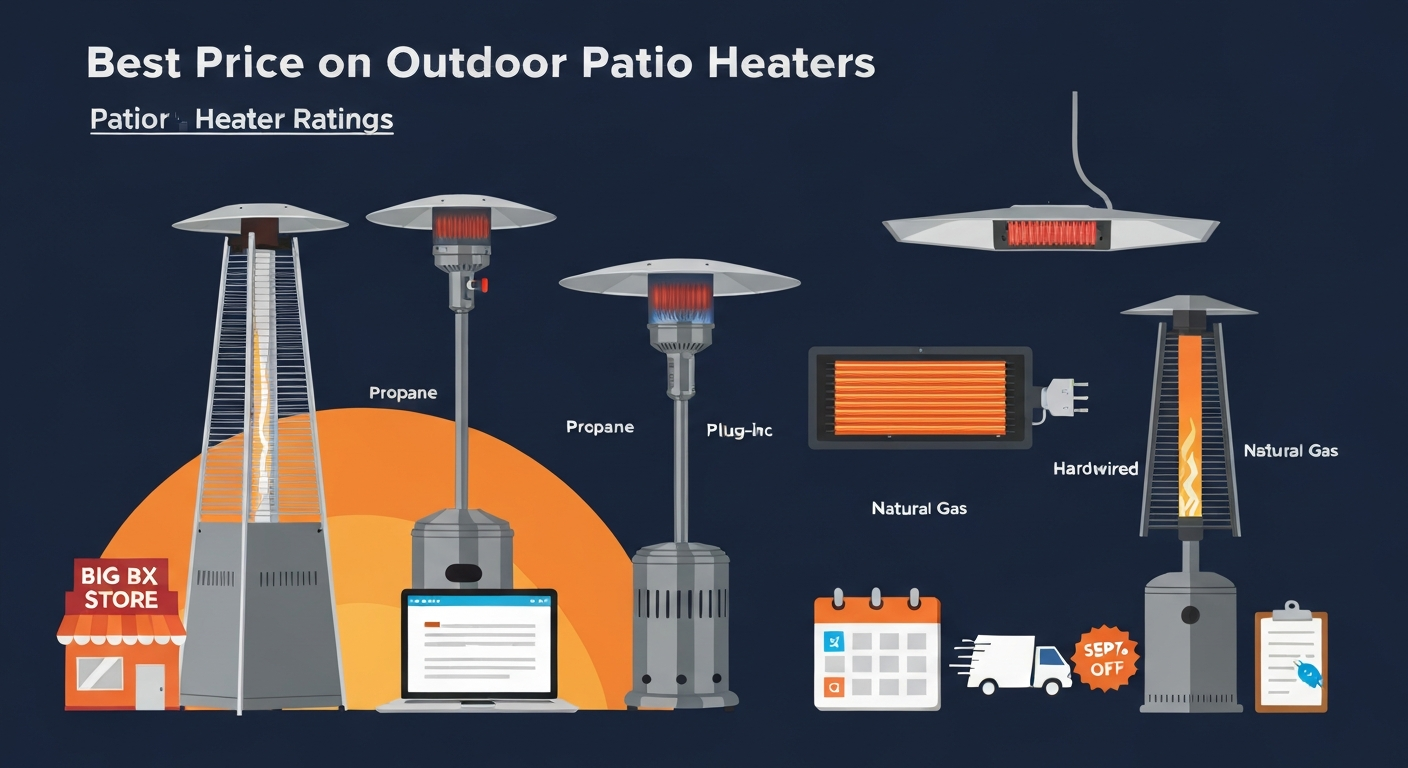
Best Price on Outdoor Patio Heaters: Compare Costs & Deals
Score the best price on outdoor patio heaters, price ranges, top picks, deal tactics, total-cost & safety checklist.