
The best patio heater for your setup depends on three things: your fuel or power access, your patio's size and exposure, and how cold and windy it gets where you live. If you have a small covered patio with a standard outlet, an electric infrared wall or ceiling mount in the 1,500–2,000W range is hard to beat. If you have a larger open space and want serious heat output, a propane mushroom-top heater at 40,000–48,000 BTU or a natural gas patio heater hardwired to your gas line is the more practical call. If you are specifically searching for what is the best propane patio heater, use the same BTU and coverage logic, then compare it against electric and natural gas based on your patio size and wind exposure. If you want to compare the best propane heaters for patio spaces, focus on BTU output, coverage in wind, and how far you want the heat to reach. There is no single "Reddit-approved" answer because the right heater is almost always context-specific, but this guide will get you to a clear choice fast.
Best Patio Heater Reddit Guide: Picks by Patio Size

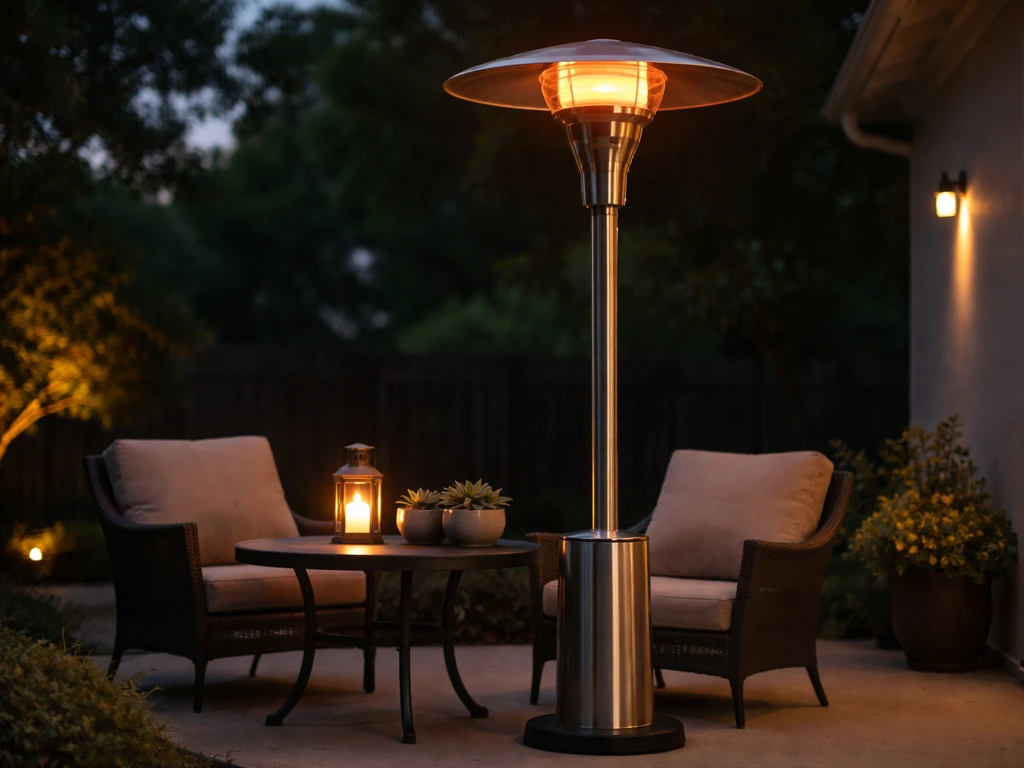
Why "best patio heater" on Reddit is really about matching the heater to your patio
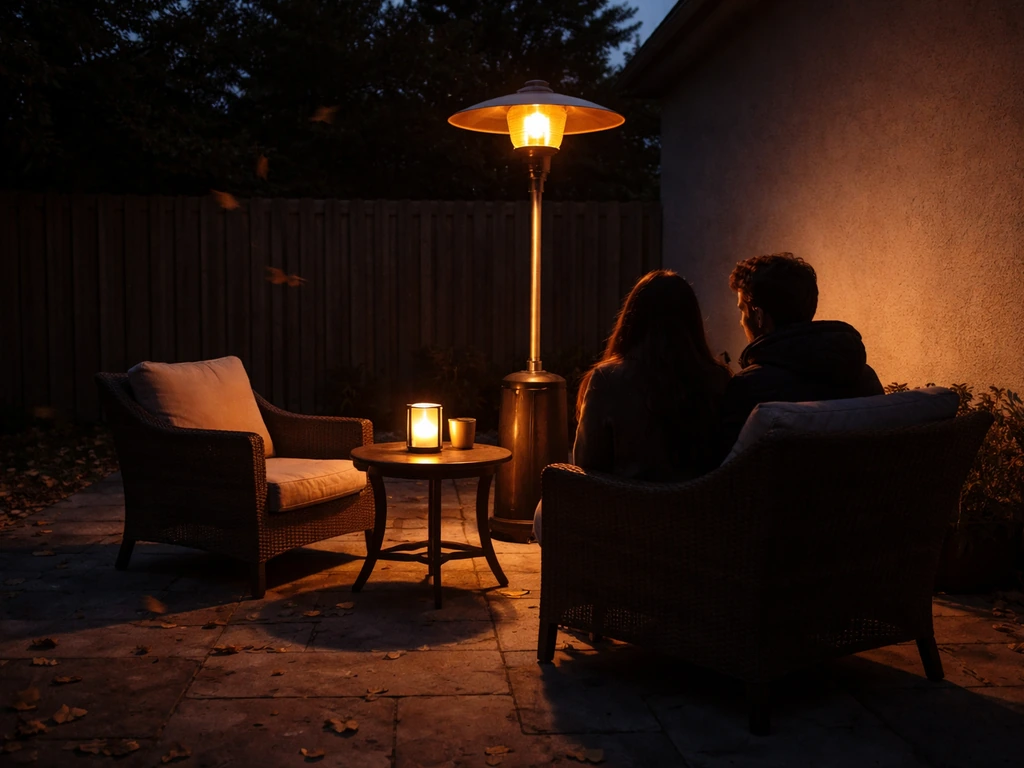
Browse any Reddit thread on patio heaters, in r/homeimprovement, r/DIY, or r/patio, and you will notice the top comments are almost never a simple product recommendation. Instead, experienced owners immediately ask: how big is your space, is it covered or open, do you get wind, and what power or fuel do you have access to? That is not people being difficult. It is because a heater that works great on a small screened porch is a disaster on a large exposed deck in a windy climate. Reddit buyers have learned this the hard way, and the most common regret is buying based on claimed BTU or wattage without accounting for real-world exposure.
The other thing Reddit discussions surface constantly is the difference between "warming the air" and "warming the people." Infrared and radiant heaters heat objects and bodies in their line of sight, not the surrounding air. That is efficient and comfortable when you are sitting close and in direct range, but disappointing if you expected the whole patio to feel warm. Gas mushroom heaters push convective and radiant heat outward in a wider cone, which feels better across a larger group but gets wasted quickly in wind. Understanding that distinction before you buy saves a lot of frustration.
Choose the right heater type: propane vs electric vs natural gas vs infrared vs pellet
Each fuel type has a real personality. Here is the honest breakdown.
Propane
Propane heaters are the most popular choice for most homeowners because they are portable, powerful, and need no electrical or gas-line installation. Propane patio heaters can be a good value when you need portability and high heat output without installing electrical wiring or a gas line. A standard freestanding mushroom-top propane heater runs 40,000–48,000 BTU and covers roughly 15–20 feet in diameter in calm, sheltered conditions. Most run off a standard 20 lb. propane tank (the kind you use for a gas grill), which lasts roughly 8–10 hours at full output. Portable propane models are also good for patios where you move furniture around seasonally. The tradeoff is ongoing fuel cost, the hassle of tank swaps, and the fact that wind can cut effective coverage significantly. You will also want to check regulator and tank compatibility before buying, not all propane heaters work safely with larger tanks like a 100 lb. cylinder without the right adapter and pressure regulator.
Electric
Electric patio heaters are the go-to for covered patios, pergolas, and screened porches where you can mount or plug in safely. They are clean, quiet, and require zero fuel logistics. The catch is circuit capacity: a 1,500W heater needs its own 15-amp circuit, and if you want 2,000W or a hardwired unit, you will need a dedicated 20-amp circuit. Running multiple electric heaters off one circuit is a common and dangerous mistake Reddit users flag constantly. Plug-in units are convenient but extension cord use is a real safety issue, always use a heavy-gauge outdoor-rated cord or avoid extension cords entirely. Hardwired models give you a cleaner install and safer setup for permanent placements.
Natural gas
Natural gas patio heaters are the permanent, high-output solution. They connect to your home's gas line, which means you never run out of fuel and operating cost per hour is lower than propane. The downside is upfront installation: you need a gas line run to your patio (permit and licensed plumber typically required), and the heater itself is fixed in place. If you already have a gas line on your patio or are doing a full outdoor kitchen build, adding a natural gas heater makes excellent economic sense over time. If not, the installation cost can run several hundred to over a thousand dollars depending on your home's layout.
Infrared (electric radiant)
Infrared heaters, brands like Infratech and Bromic are the most discussed in serious patio builds, work by emitting radiant heat that warms objects and people directly rather than heating the air. This makes them very effective in breezy conditions because wind does not carry the heat away the way it does with convective heaters. Placement is everything with infrared: the heater needs to be aimed at your seating area, typically mounted overhead at 8 feet or higher depending on the model. Infratech, for example, specifies minimum clearances of 18 inches on all sides and 36 inches directly in front of the heater for certain series. Coverage is highly directional, so plan zones around your seating layout rather than expecting one unit to blanket the whole space. Infrared works well on 40–50°F nights but will not replicate the blanket warmth of a high-BTU gas heater in sub-freezing temperatures.
Pellet heaters
Pellet patio heaters are a niche but growing category, particularly among buyers who want a more natural fire aesthetic with controlled fuel costs. They burn compressed wood pellets and produce real visible flame, which many people prefer visually over a gas mushroom top. Heat output and coverage are generally more modest than high-BTU gas models, and they require more hands-on management (loading pellets, ash cleanup). They are best suited for enclosed or semi-enclosed patios where wind is limited and you are not expecting to heat a large open area.
| Type | Typical Output | Best For | Key Tradeoff |
|---|---|---|---|
| Propane (freestanding) | 40,000–48,000 BTU | Open and semi-covered patios, portability | Ongoing fuel cost, wind sensitivity, tank logistics |
| Electric (plug-in or hardwired) | 1,500–2,000W (~5,100–6,800 BTU equiv.) | Covered patios, pergolas, screened porches | Circuit capacity limits, not ideal for large open spaces |
| Natural gas | 40,000–50,000 BTU | Permanent setups, large patios, frequent use | Requires gas line installation, fixed placement |
| Infrared (electric radiant) | 1,500–6,000W depending on model | Covered or semi-covered, windy spots, directional zones | Directional only, placement-dependent, higher install cost |
| Pellet | Varies, typically lower BTU | Small/enclosed patios, fire aesthetic preferred | Fuel management, ash cleanup, limited coverage |
Coverage, BTUs, and placement: how to size it for your space
Gas heater output is measured in BTU per hour. Electric heater output is measured in watts. A rough conversion: 1 watt equals about 3.41 BTU/h, so a 1,500W electric heater is roughly equivalent to 5,100 BTU/h. That is far less than a 40,000 BTU propane unit, which is why electric heaters are better suited to smaller, covered spaces where you do not need to fight wind or push heat across 15+ feet.
For gas heaters, a common field rule is that 40,000 BTU covers a circle roughly 15–18 feet in diameter in calm, sheltered conditions. But if your patio is exposed to regular wind, treat those coverage claims conservatively, real-world effective coverage can drop by 30–40% or more in a moderate breeze. This is the most consistently reinforced piece of advice across Reddit threads and buying guides: do not trust manufacturer coverage claims at face value if your patio gets any meaningful wind. Size up.
For infrared heaters, output and coverage are tied to mounting height and aim angle, not just wattage. A Detroit Radiant Products chart, for example, shows that a 31,000 BTU/h infrared unit covers approximately an 8x8 foot zone at its recommended mounting height. Infratech and Bromic both emphasize that their coverage figures assume a protected (sheltered) environment and a mounting height of around 8 feet. Mount higher and coverage area widens but intensity drops. Aim matters more than raw output with infrared.
For larger patios, plan multiple heaters in zones aligned with your seating layout rather than trying to cover everything with one unit. A single 40,000 BTU propane heater positioned in the center will not comfortably heat 30 people spread across 600 square feet. Two or three heaters, positioned strategically, will. This is standard advice in Reddit threads and outdoor living installation guides alike.
Quick sizing reference
| Patio Size | Condition | Recommended Approach |
|---|---|---|
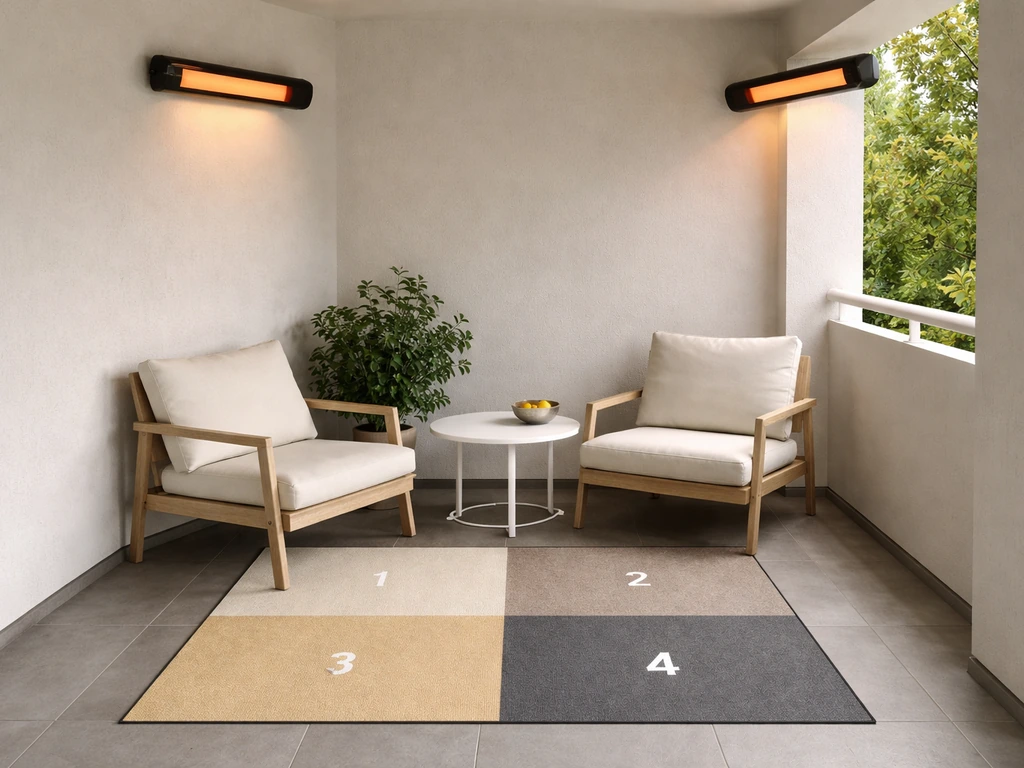
| Under 100 sq ft (small balcony/porch) | Covered, calm | 1–2 electric infrared units at 1,500–2,000W each |
| 100–250 sq ft (medium covered patio) | Covered or semi-covered | 1 electric infrared at 3,000–4,000W or 1 propane at 40,000 BTU |
| 250–400 sq ft (medium open patio) | Open, some wind | 1–2 propane at 40,000–48,000 BTU or 1 natural gas heater |
| 400+ sq ft (large patio) | Open or semi-covered | 2–3 propane/natural gas units in zones, or multiple infrared ceiling mounts |
| Any size, frequent wind | Exposed | Infrared ceiling/wall mounts (radiant withstands wind better) + size up output |
Top picks by patio scenario
Rather than a ranked list, here are the configurations that work best for each common real-world situation. If you want a deep dive into the best-rated propane models specifically, the propane-specific guides on this site go model by model with output specs and pricing, including the best propane heaters for patios of different sizes and the best propane patio heater with wheels for portability. If portability is a priority, look for the best propane patio heater with wheels so you can reposition it as your seating changes. For a quick starting point, check the best rated propane patio heater options by scenario and BTU coverage.
Small balcony or apartment patio (under 100 sq ft)
Go electric. A wall-mounted or ceiling-mounted infrared unit at 1,500W plugged into a dedicated outdoor outlet is safe, clean, and effective in this context. No tank storage concerns, no CO risk, and the small area means even modest wattage goes a long way when the space is enclosed or semi-enclosed. Look for units with an IP55 or higher weatherproof rating if they will be exposed to rain or humidity. Tip-over shutoff is a must if you are using a freestanding electric unit.
Medium covered patio or pergola (100–250 sq ft)
This is where electric infrared ceiling mounts shine. A 3,000–4,000W hardwired infrared heater aimed at your primary seating area will handle most mild-to-cool nights comfortably. Brands like Infratech and Bromic are consistently recommended in higher-end installs for their build quality and mounting flexibility (ceiling, recessed, or wall configurations). If budget is a concern, a single 40,000 BTU propane mushroom-top heater positioned centrally works well for a covered patio and is easy to move if you reconfigure. This is also the sweet spot for portable propane models if you want flexibility.
Large open patio (400+ sq ft)
Multiple heaters are non-negotiable here. Two 40,000–48,000 BTU propane heaters positioned at opposite ends of your seating area, or a natural gas unit as the anchor with supplemental propane portables, is the practical approach. If you are doing a full build-out, ceiling-mounted electric infrared in multiple zones is the cleanest and most wind-resistant solution, but budget for professional installation and dedicated circuits. Do not try to heat 400+ square feet of open patio with a single heater of any type.
Windy or exposed patio
Infrared wins in wind because radiant heat warms people and objects directly regardless of what the air is doing around the heater. Ceiling or wall-mounted electric infrared aimed at your seating zone is the most wind-resilient option. If you are going propane in a windy spot, choose a heater with a weighted or wide base and factor in that effective coverage will be noticeably less than stated. Look for models rated at the higher end of the BTU range (46,000–48,000 BTU) to compensate. Avoid lightweight freestanding units in genuinely windy environments, both for effectiveness and safety, tip risk is real.
Budget pick
A freestanding propane mushroom-top heater in the $100–$180 range from brands like AZ Patio Heaters or Hampton Bay covers most medium-sized patio needs adequately. At 40,000–46,000 BTU with a standard 20 lb. propane tank, you get 8–10 hours of run time per tank fill. The tradeoff is assembly quality and longevity, Reddit users frequently note that budget propane heaters tend to have regulator and valve issues within a season or two. Read recent reviews specifically for regulator complaints before buying, and keep your receipt.
Premium pick
For a permanent covered patio, a hardwired Infratech or Bromic electric infrared ceiling mount in the $600–$1,200 range (plus installation) is what most experienced patio builders land on after trying cheaper options. Build quality, control options (dimmer/remote), and heat consistency are in a different class. For propane, a high-end Sunglo or Napoleon model delivers better fit, finish, and regulator reliability than budget alternatives, typically in the $300–$600 range.
What Reddit buyers warn you about: real-world pitfalls
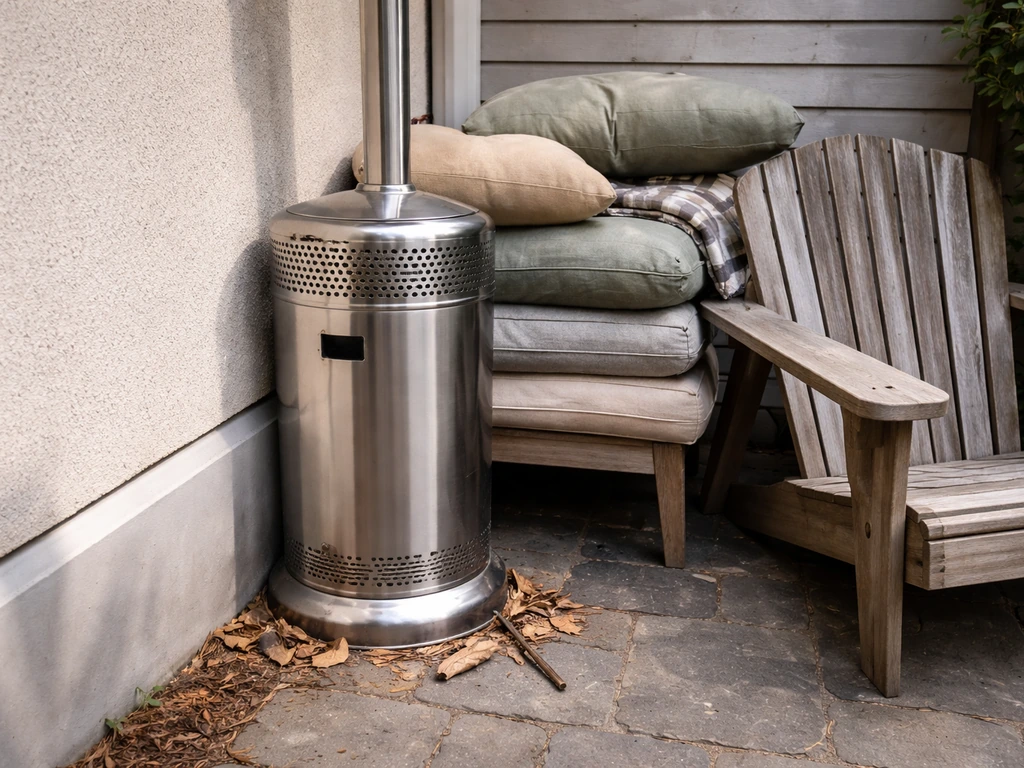
Reddit threads on patio heaters are full of post-purchase regrets and hard-won experience. Here are the most common complaints, translated into buying criteria. If you want to see what people on Reddit say to avoid with propane patio heaters, look for discussions that compare BTU claims to real wind and coverage propane patio heaters on Reddit.
- Insufficient heat output: The most common complaint. Buyers size based on manufacturer claims and then find the heater barely takes the edge off a cool night. Size up, especially for open or windy patios. If the guide says one heater covers your space, buy one size up or plan for two.
- Uneven heating: One side of the table is warm, the other side is cold. This happens when a single heater is placed off-center or when seating is spread too wide for the coverage zone. Plan for multiple heaters in zones aligned with where people actually sit.
- High running costs: Propane costs add up faster than most buyers expect. At full burn, a 40,000 BTU heater goes through a 20 lb. propane tank in roughly 8–10 hours. If you use your patio regularly, model out the annual fuel cost before choosing propane over natural gas or electric.
- Noise: Some electric fan-assisted heaters are noticeably loud. Radiant infrared units (no fan) are silent. If noise bothers you, stick with radiant infrared or gas units, which are quiet.
- Wind tipping: Lightweight freestanding heaters in wind are a real safety hazard. Look for a base weight of at least 35–40 lbs. (or fill the base with sand/water if the model allows) and position heaters away from high-traffic areas.
- Regulator and valve issues: Budget propane heaters frequently have regulator problems — difficulty igniting, inconsistent flame, or outright failures. This is the single most common complaint in Reddit reviews of sub-$200 propane heaters. Read recent buyer reviews specifically for this.
- Assembly issues: Many freestanding propane heaters arrive with complex or poorly documented assembly. Budget extra time and check YouTube for model-specific assembly videos before starting.
- CO and ventilation risk: Gas and propane heaters produce carbon monoxide. Never use them in fully enclosed spaces, tents, or screened rooms without open ventilation. The CPSC specifically warns about CO risk from portable fuel-burning heaters.
- Circuit overload for electric: Trying to run two 1,500W heaters on the same 15-amp circuit is a fire risk. Each high-wattage electric heater needs its own dedicated circuit. Factor this into your planning before buying multiple units.
Installation, safety, and operating costs: what to check before you buy
Before you buy anything
- Measure your patio and note whether it is covered, open, or semi-covered. A covered patio retains heat; an open patio loses it to the sky and wind.
- Identify your fuel and power options: Do you have a natural gas line on the patio? How many outdoor circuits do you have and what amperage? Can you store propane tanks safely and legally in your area?
- Note your typical outdoor temperature range and whether your location gets significant wind. If you are in a climate that drops below 30°F regularly, size up on output.
- Measure the distance from where you plan to place or mount the heater to where people will be sitting. For infrared, this directly affects comfort. For gas, it determines whether one unit reaches the full seating area.
- Check local codes: Some municipalities restrict propane tank storage sizes or gas line installation requirements. Some HOAs restrict visible heaters or open flame on patios.
Propane setup and safety
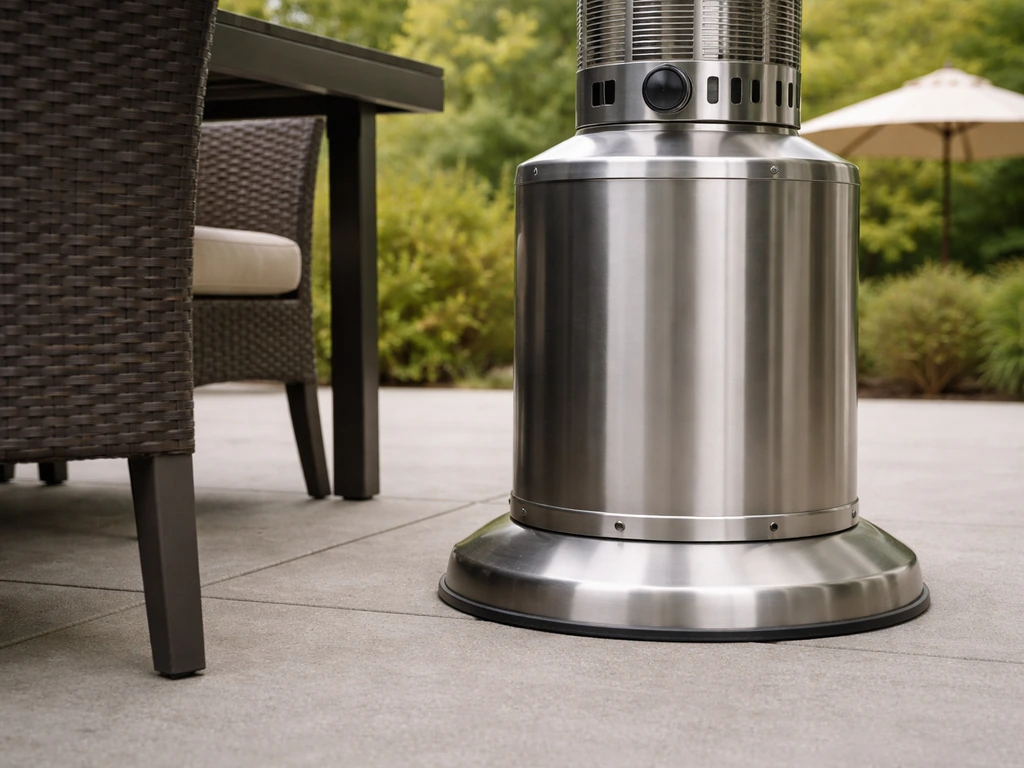
Place propane heaters on a stable, level surface away from combustibles (furniture, umbrellas, overhead covers). The CPSC emphasizes stable, level placement specifically to prevent tip-overs. Turn off the propane tank valve after every use, not just the heater control knob. Never use a propane heater inside a fully enclosed space. Check hose and regulator connections annually for leaks using soapy water. If a 100 lb. tank is appealing for longer run time, verify that your specific heater's manual approves that tank size and that you have the correct pressure regulator for it.
Electric setup and safety
Confirm your outdoor circuit amperage before buying. A 1,500W heater on a 15-amp circuit is at the limit, one heater per circuit is the safe rule. For hardwired units, hire a licensed electrician; improper wiring of 240V heaters is dangerous. Choose units with tip-over shutoff for any freestanding electric model. If mounting overhead (ceiling or wall), follow manufacturer clearance specs precisely. Infratech specifies 18-inch minimum clearance on all sides and 36 inches in front for certain models. Bromic's guidelines are based on a protected environment at approximately 8-foot mounting height. Deviating from those specs affects both safety and performance.
Natural gas setup and safety
Natural gas heater installation requires a licensed plumber or gas fitter in most jurisdictions, and permits are typically required. The upfront cost is real but so is the long-term convenience and lower fuel cost. Gas line sizing matters: confirm the line can deliver adequate pressure for the heater's BTU rating. As with propane, never enclose a natural gas heater in a space without sufficient ventilation.
Operating cost comparison
| Fuel Type | Approx. Cost Per Hour (Full Output) | Notes |
|---|---|---|
| Propane (40,000 BTU) | $1.50–$2.50/hr | Based on ~$4–5 per gallon propane; varies by region and season |
| Natural gas (40,000 BTU) | $0.50–$1.00/hr | Lower per-BTU cost; offset by installation investment |
| Electric (1,500W) | $0.18–$0.30/hr | Based on $0.12–$0.20/kWh national average; lower output than gas |
| Electric infrared (3,000W) | $0.36–$0.60/hr | More output, more cost, still lower than gas at comparable warmth zones |
| Pellet | Varies widely | Pellet price and burn efficiency vary; typically less than propane per hour |
If you are heating your patio more than two nights per week through a full season, the operating cost math starts to favor natural gas or electric over propane. For occasional use, propane's portability and zero installation cost make it the practical default. Run the numbers for your actual usage before committing to a fuel type, the upfront heater cost is often the smaller part of the total ownership picture.
FAQ
What does “best patio heater” usually mean on Reddit, BTUs or real coverage?
On Reddit, “best” typically means the heater delivers comfortable heat where people actually sit, under your wind and ceiling height conditions. A practical way to judge is to compare the stated coverage against your patio’s exposure, then plan for a zone approach (aiming at seating) rather than expecting one unit to heat the whole footprint.
Can I use a propane patio heater in an enclosed patio, like under a gazebo with screens?
No fully enclosed space. Even semi-enclosed setups can create dangerous buildup if airflow is limited, so use only in well-ventilated areas that do not trap exhaust and always follow the heater’s manual warnings. If you cannot feel consistent fresh airflow outdoors, treat it as too enclosed.
How do I decide between electric infrared and propane if I get some wind but the patio is covered?
If the patio is covered and the wind mostly blows around the edges, electric infrared often works best because radiant heat stays on your seating zone. If gusts regularly hit the people directly or the heater area is open on multiple sides, propane’s higher output and wider heat spread may feel better, but you still should reduce expectations on coverage.
Is it safe to run two electric patio heaters on the same outlet or extension cord?
Typically no. Use the heater’s dedicated circuit requirements, and avoid extension cords for high-watt infrared or any unit drawing near its maximum rating. If you must use a cord, only use outdoor-rated, heavy-gauge cable and keep it as short as possible, but the safest path is adding the correct dedicated outlet/circuit.
What’s the most common reason a propane heater seems “too weak” after buying?
Buying based on claimed BTUs without accounting for wind and placement. Also check where you position the heater, because mushroom-top models warm more effectively in front of the flame and can leave the sides cooler. If your heater is not aimed toward seating lanes, it can feel underpowered even if BTU math is correct.
Do I really need multiple heaters for a large patio, or can I just buy a bigger one?
For large, exposed patios, multiple heaters are usually more comfortable and efficient than one oversized unit. One heater tends to create a hot center and cold edges. A zone plan (2-3 heaters aligned with seating) usually reduces drafts and improves comfort per dollar.
How far above people should infrared heaters be mounted?
Most infrared ceiling or wall setups assume mounting around head height to about 8 feet, but the exact number depends on the model and its clearance requirements. The key is that mounting height changes intensity and coverage, so follow the minimum clearance specs and then aim at the seating zone, not the floor in general.
Can I use the manufacturer’s coverage claims for infrared heaters in a windy yard?
Coverage claims for infrared generally assume a protected environment. Wind is less of an issue than with convective heaters, but strong breezes can still reduce perceived warmth, especially if the air movement hits the seating zone indirectly. In practice, plan slightly larger heating zones or consider a second unit if people often sit farther from the heater.
What should I check before using a 100 lb propane tank with a propane patio heater?
Confirm the heater’s manual explicitly allows that tank size and that you use the correct pressure regulator and compatible hose assembly. Many issues come from mismatched regulators or adapters, which can cause unsafe operation and poor flame performance.
How long should a 20 lb propane tank last on a patio heater?
Runtime depends on the heater’s output and how often you run it at full power. If you expect the “full output hours” advertised to match your use, remember that real use often includes lower settings, wind adjustments, and longer warm-up times, so estimate based on your actual setting schedule.
What safety steps matter most for propane heaters day to day?
Keep the heater on a stable, level, non-combustible surface away from umbrellas and furniture, and shut off the tank valve after use. Also inspect connections and the hose/regulator annually for leaks using soapy water, and keep a clear zone around the heater so you do not block airflow or radiant heat.
Do natural gas patio heaters cost less to run, and how soon do you break even?
They usually cost less per hour than propane, but break-even depends on installation costs, your local gas prices, and how frequently you use the heater. A useful decision aid is to calculate yearly usage hours, compare operating cost differences, then see whether the installation premium is recovered within a few seasons.
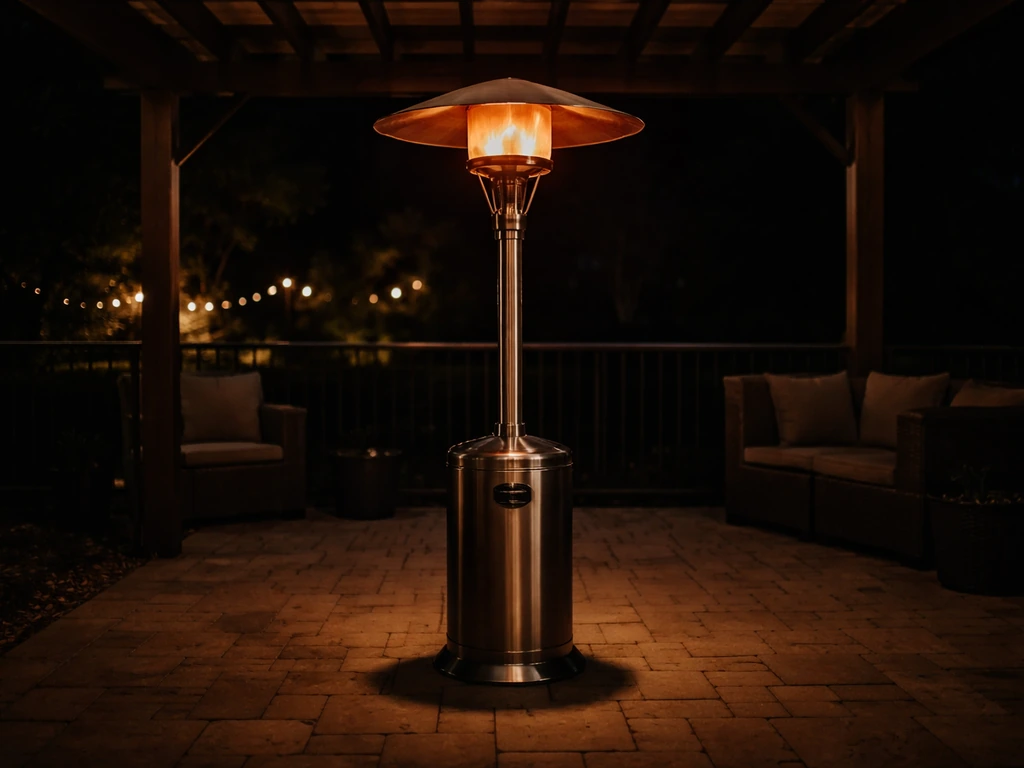
Compare the best propane patio heaters for covered patios: BTU, wind safety, tank compatibility, coverage, and top picks
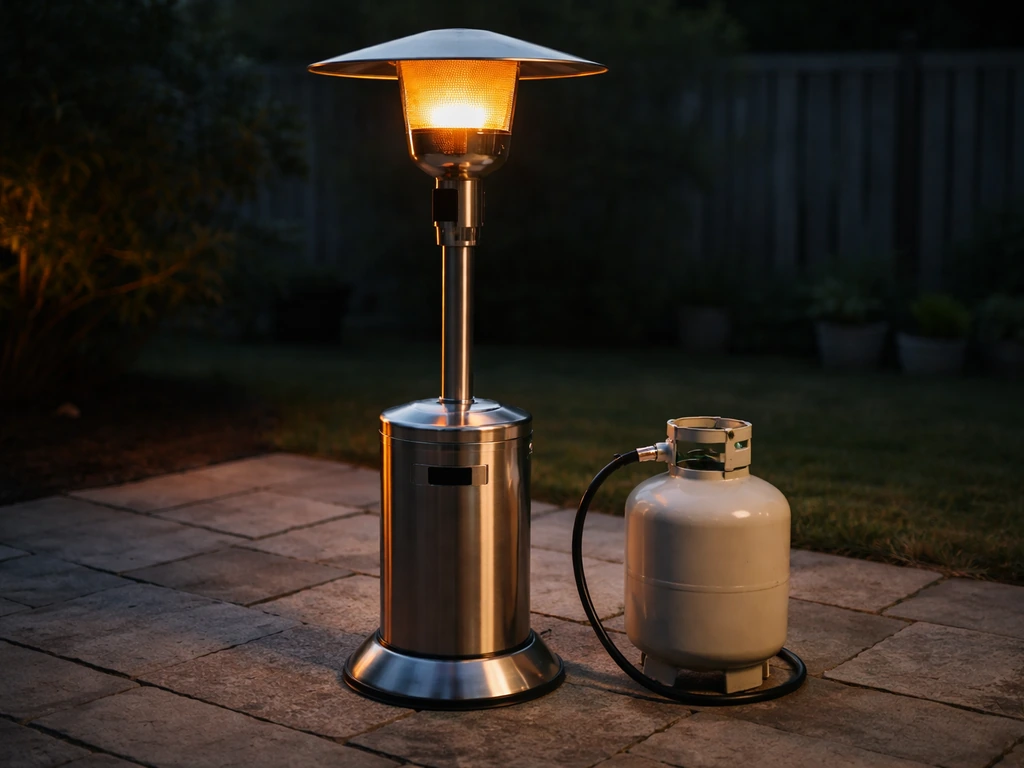
Choose the best portable propane patio heater by BTUs, coverage, wind resistance, efficiency, and safety setup for your
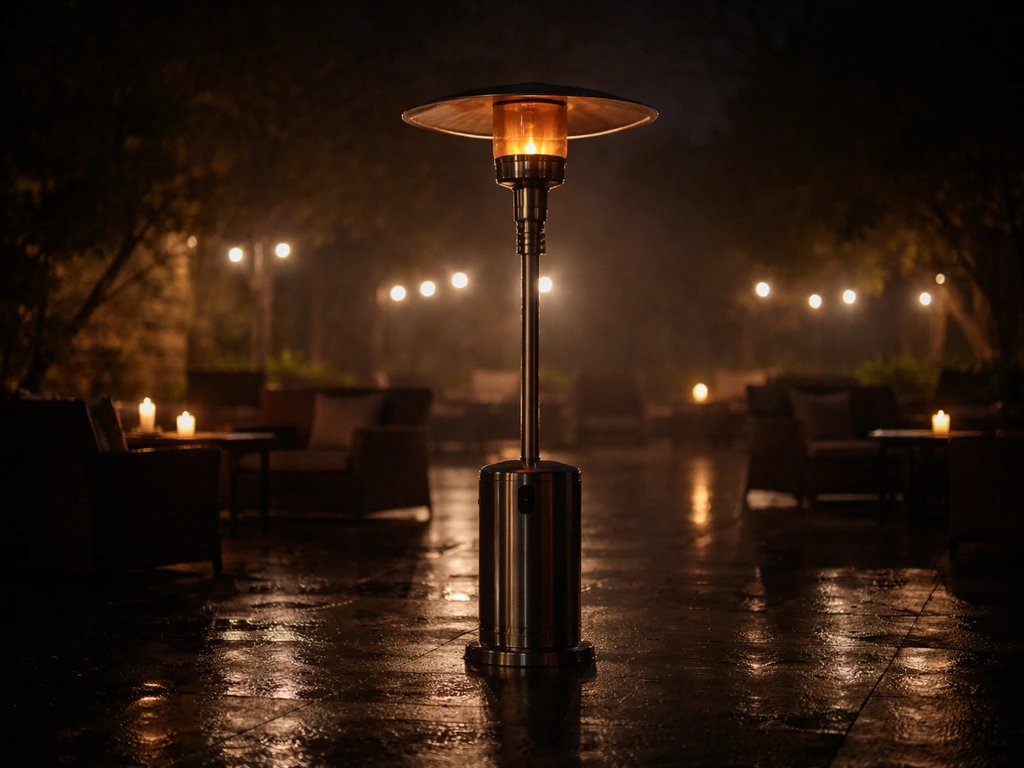
Top propane patio heater picks with review-style comparisons, BTU coverage, safety checks, and buying tips.