
Propane patio heaters are worth it for most people who need portable, high-output heat on an uncovered or semi-covered patio and don't have access to a natural gas line. If portability is your top priority, these portable propane patio heaters are the easiest way to keep outdoor spaces comfortable without installing a gas line. If you want the quickest path to the right pick, start with a guide to what is the best propane patio heater for your patio size and conditions. For a more direct comparison, see the criteria in this guide to the best rated propane patio heater options for different patio sizes and conditions what is the best propane patio heater. A standard 40,000-BTU freestanding propane heater can warm a roughly 20-foot diameter space, runs about 10 to 11 hours on a single 20-lb tank, and costs around $1.70 per hour to operate at current propane prices. That's a real, practical heating solution for three-season use. Where they fall short is in wind-heavy environments, on uneven surfaces, and in situations where you want completely hands-off, low-cost operation, that's when electric or natural gas starts winning.
Are Propane Patio Heaters Worth It? Cost, Coverage, Safety

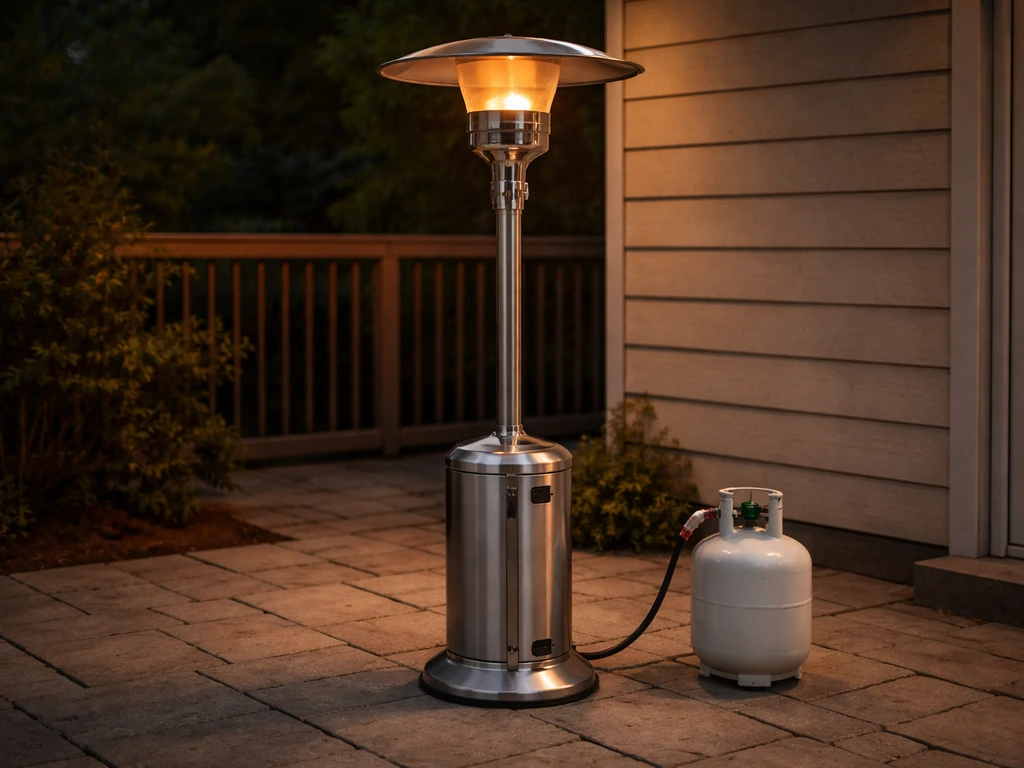
Quick verdict: when propane patio heaters are worth it (and when they aren't)
Propane makes the most sense when portability is a priority and a gas line isn't available. If you rent, if your patio moves seasonally, or if you want one heater that works in multiple locations around the yard, propane is hard to beat. It fires up instantly, delivers serious BTU output, and doesn't require any permanent installation. For restaurants, event spaces, or homeowners who entertain a few times per week through fall and early winter, the math usually works out in propane's favor.
Propane is less compelling when you run the heater constantly, live somewhere with very cold winters, have a covered patio with overhead mounting available, or when your local propane prices are significantly above the national average. At $2.78 per gallon as of April 2026, a 20-lb tank costs roughly $13 to $16 to refill and gives you about 10 to 11 hours of full-output heat. That's fine for occasional use, but it adds up quickly if you're heating a patio every night.
- Worth it: Renters or anyone without a gas line hookup
- Worth it: Covered or uncovered patios where portability matters
- Worth it: Occasional to moderate use (a few nights per week, seasonal)
- Worth it: Patios up to about 20 feet in diameter with reasonable wind protection
- Not worth it: Daily heavy use where fuel costs stack up fast
- Not worth it: Covered patios with access to an electrical outlet or gas line (electric/natural gas wins here)
- Not worth it: Very windy locations without a windbreak — wind eats your BTUs
- Not worth it: Uneven decks where the tilt-switch may falsely cut fuel supply
Propane performance in real life: BTUs, coverage, wind/cold, and heat style
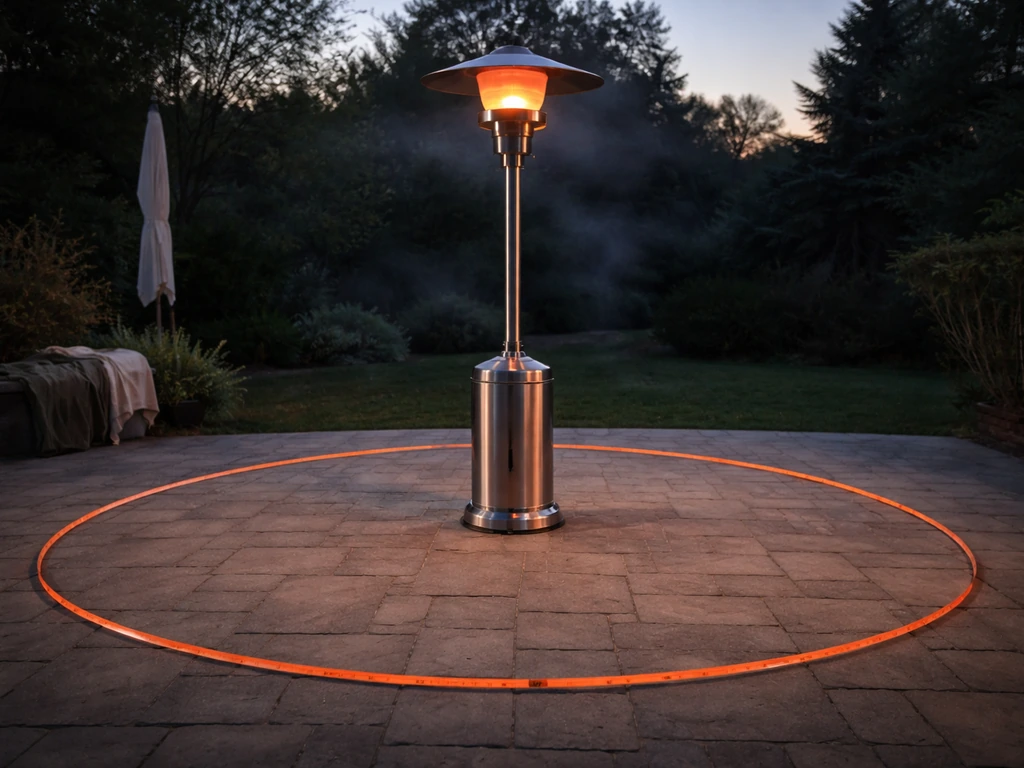
Most freestanding propane patio heaters are rated at 40,000 BTU/hr, which is the sweet spot for residential use. At full output, a unit like that covers roughly a 20-foot diameter circle on an uncovered patio, that's about 314 square feet. In practice, the warm zone where people feel genuinely comfortable is more like 10 to 12 feet out from the center. The rule of thumb from BTU calculators is about 40 BTU per square foot, so a 200-square-foot patio needs around 8,000 BTU at minimum, but that's a best-case, calm-weather estimate.
Wind is the biggest performance killer. Even a moderate breeze pulls heat away from the coverage area and forces you to run the heater at higher settings just to maintain comfort. If your patio is exposed, sizing up, or adding a windbreak like a fence, pergola screen, or glass panel, makes a bigger difference than buying a more powerful heater. The output gap between a 40,000-BTU heater in still air and a 40,000-BTU heater on a breezy deck is massive.
The heat delivery style matters too. Propane freestanding tower heaters use a radiant reflector at the top to throw heat downward and outward in a wide cone. This works well for groups of people standing or sitting around the heater. It's not targeted warmth, it heats the air and surfaces in the zone, not specific people directly. If you want focused warmth on a seating area, a directional infrared propane or electric heater is more efficient. But for general patio ambiance and heating a crowd, the mushroom-top tower format does its job well.
Cost/value breakdown: purchase price, tank/refill costs, and operating efficiency
Entry-level propane freestanding heaters start around $80 to $130 at big-box retailers for basic 40,000-BTU models. Mid-range units with better build quality, variable output settings, and stainless or bronze finishes run $150 to $300. Premium commercial-grade or designer heaters (Bromic, Napoleon) can push $500 to $1,000+. For most homeowners, a $150 to $250 heater hits the best quality-to-value point.
Fuel cost is where the ongoing math lives. At $2.78 per gallon, a 20-lb propane tank (which holds about 4.7 gallons) costs roughly $13 to refill through an exchange program, or slightly more for a fill at a propane dealer. A 40,000-BTU heater burns approximately 0.44 gallons per hour (using the standard formula: 40,000 ÷ 91,452 BTU/gallon), which puts you at about $1.22 per hour at current prices, or closer to $1.70/hr when you factor in real-world exchange pricing and waste. A full tank lasts around 10.75 hours at max output. At medium settings, you'll get 15+ hours.
| Scenario | Hours per 20-lb tank | Approx. cost per hour | Monthly cost (3 hrs/night, 3 nights/wk) |
|---|---|---|---|
| Full output (40,000 BTU) | ~10.75 hrs | ~$1.22–$1.70 | ~$47–$66 |
| Medium output (~25,000 BTU) | ~17 hrs | ~$0.75–$1.00 | ~$29–$39 |
| Low output (~15,000 BTU) | ~28 hrs | ~$0.45–$0.65 | ~$17–$25 |
At moderate use, propane is affordable. At heavy use, heating a restaurant patio six nights a week, you're burning through multiple tanks per week and natural gas starts looking much more economical. The break-even math between propane and a natural gas connection (which requires a licensed plumber and typically $200 to $800 in installation costs) usually tips in favor of natural gas after one to two seasons of regular use.
Propane vs electric vs natural gas vs infrared vs pellet: pros, cons, and best-fit scenarios
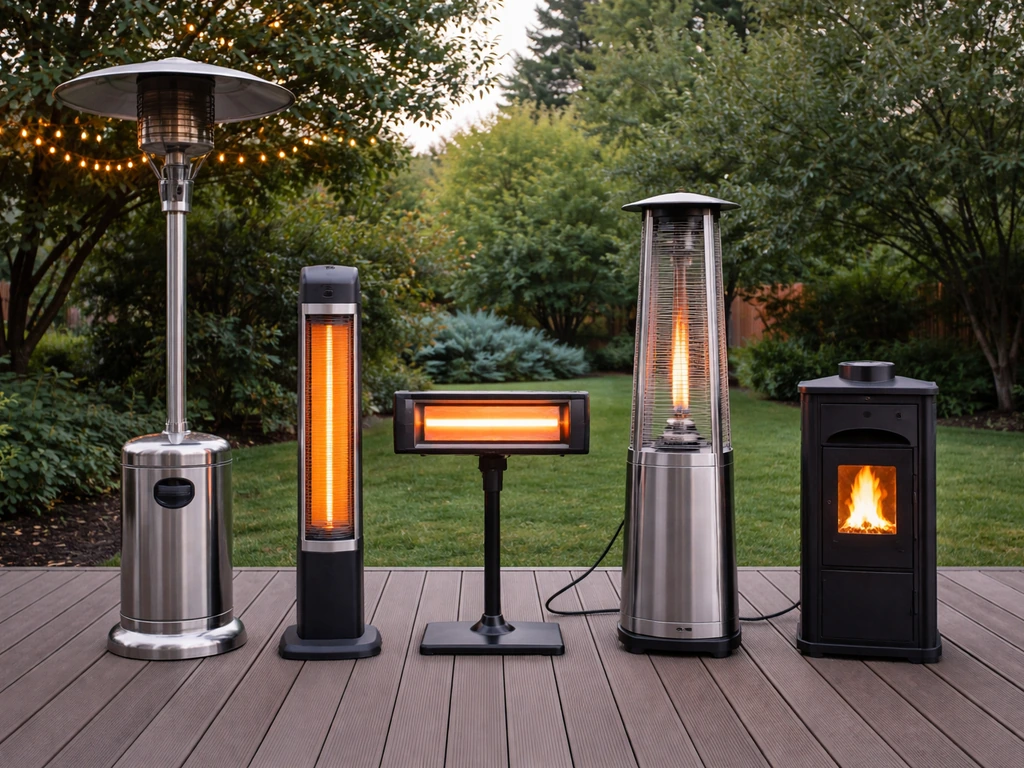
Each heater type wins in a specific situation. Here's the honest breakdown based on real-world use:
| Heater Type | Heat Output | Portability | Running Cost | Installation | Best For |
|---|---|---|---|---|---|
| Propane | High (40,000 BTU typical) | Excellent — no hookup needed | Moderate (~$1.20–$1.70/hr) | None required | Renters, portable use, no gas line |
| Electric | Moderate (1,500–3,000W) | Good (needs outlet) | Low–moderate (depends on rates) | Minimal (outlet needed) | Covered patios, calm conditions, low maintenance |
| Natural Gas | High (40,000+ BTU) | None — fixed to gas line | Low (gas cheaper per BTU) | Professional install required | High-use setups, restaurants, permanent patios |
| Infrared (electric or gas) | High (focused beam) | Moderate | Low–moderate | Mounting/wiring may be needed | Targeted warmth, windy patios, overhead mounting |
| Pellet | High (variable) | Low — bulky, requires fuel storage | Low per BTU | Moderate setup | Ambiance-focused, rural/off-grid settings |
The practical recommendation: if you have an outdoor outlet and a covered or semi-covered patio, electric or infrared electric is lower hassle. If you have a gas line and a permanent setup, natural gas is the most cost-efficient long-term. If you want to move the heater around, don't want installation, and need serious heat fast, propane is the right call. Pellet heaters are niche, great ambiance, but the fuel logistics and setup time make them a secondary choice for most buyers.
Sizing and placement: choosing the right heater for your patio size and layout
Start with your patio's square footage and exposure. For a covered 10x10 (100 sq ft) patio with calm conditions, a single 40,000-BTU propane heater is overkill, a 20,000 to 25,000 BTU unit or even a quality electric heater handles it fine. For an open 15x20 (300 sq ft) uncovered patio, a single 40,000-BTU freestanding tower placed centrally is the right tool. For an L-shaped or sprawling patio over 400 square feet, plan on two units or one very high-output heater positioned to cover the primary seating zones.
Placement matters as much as BTU rating. Center the heater in the main seating area rather than pushing it to the perimeter. A freestanding 40,000-BTU tower heater is rated to heat up to a 20-foot diameter, but the warmest zone is within 8 to 10 feet of the unit. In windy conditions, position the heater so the heat is pushed toward seating, not away from it, and consider a windbreak structure to contain the warm air. Avoid placing heaters near overhangs, fabric covers, or anything that could catch heat or flame.
For multi-zone patios or large commercial spaces, multiple smaller heaters placed strategically beat one giant unit every time. You get more even coverage and you can modulate which zones are heated without running everything at full blast. This also matches how most commercial patios and restaurant decks are set up.
BTU sizing quick reference
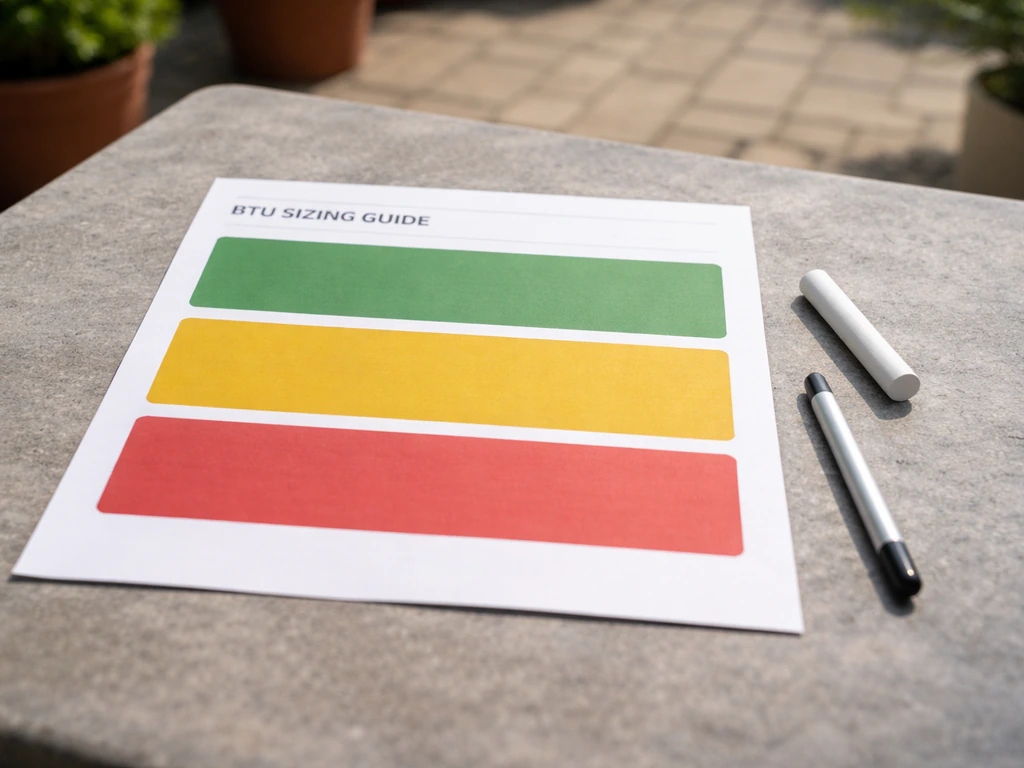
| Patio Size (sq ft) | Recommended BTU Output | Heater Count |
|---|---|---|
| Up to 150 sq ft | 20,000–30,000 BTU | 1 heater |
| 150–300 sq ft | 40,000 BTU | 1 heater |
| 300–500 sq ft | 40,000 BTU | 2 heaters |
| 500+ sq ft | 40,000 BTU each | 3+ heaters, zone by zone |
Safety, installation, and maintenance: clearances, ventilation, and common pitfalls
Propane patio heaters are outdoor appliances and should never be used indoors or in enclosed spaces, period. Even on a covered patio, keep the area ventilated. NFPA provides a dedicated “Outdoor Heaters” fact sheet with safe-use guidance for portable outdoor heaters, including propane units, and it points to NFPA 1 Subsection 69.3.13 blank" rel="noopener noreferrer">keep the area ventilated. The heater needs at least 1 foot of clearance from combustibles in every direction at minimum, and most gas heater guidelines put the safe clearance from combustible objects at 3 feet. Check your specific model's manual for exact clearances because they vary, and some overhead installations require even greater vertical clearance.
The anti-tilt switch is one of the most important safety features on a freestanding propane heater. It cuts the gas supply automatically if the heater tips over. This also means that on uneven decks or paving, a slightly rocking heater can falsely trigger the switch and kill the flame mid-use. If your heater keeps shutting off unexpectedly on a deck, check whether the surface is level before assuming the unit is faulty. Most freestanding units require a relatively flat, stable surface for this reason.
Common failure points in propane heaters follow a predictable pattern. Igniter failures (push-to-light igniters stop sparking) are the most frequent complaint, especially in units used through multiple seasons. Thermocouple issues, where the safety valve can't confirm the pilot flame and cuts off gas, are the second most common. A yellow or sooty flame, hissing sounds, or a smell of gas are immediate stop-use signals. Do not attempt to repair a gas leak yourself. Regulator problems also show up as low or inconsistent flame and are often misdiagnosed as burner issues.
- Inspect the tank connection and O-ring before every season — replace if cracked or worn
- Keep the burner head clean and free of spider webs or debris (a common cause of blockage)
- Store the unit upright with the tank valve fully closed when not in use
- Never leave a propane heater running overnight or unattended
- Use soapy water on connections to check for gas leaks — bubbles mean a problem
- Keep at least 3 feet of clearance from any combustible material, including fabric furniture cushions
- On windy nights, either use a windbreak or accept that performance will drop significantly
- Follow the manufacturer's instructions exactly when connecting and lighting the cylinder
For residential use, maintenance is straightforward: a pre-season inspection, a burner cleaning, and checking the regulator and hose for wear is enough for most people. For commercial/restaurant use where the heater runs frequently, more regular inspection is warranted, and replacing wear parts like igniters and thermocouples proactively saves headaches mid-service.
Buying checklist and next steps: what to verify before you buy
Before you commit to a specific model, run through this list. It takes five minutes and prevents the most common buyer's remorse situations with propane patio heaters.
- Measure your patio: Know the square footage and note whether it's covered, semi-covered, or fully open. This determines BTU needs and whether propane or electric is the better fit.
- Assess wind exposure: Does your patio get regular wind? If yes, budget for a windbreak or look at infrared models designed to perform better in moving air.
- Check the surface: Is your patio flat and level? Freestanding propane heaters need a stable surface for the tilt switch to work correctly.
- Calculate your actual fuel cost: Use $2.78/gallon as a baseline but check your local propane exchange or dealer price. Multiply by your expected hours per week and see if the running cost works for your budget.
- Verify BTU output and coverage: Look for a verified 40,000 BTU/hr rating for standard residential patios. Avoid models that advertise BTU input rather than output — the numbers won't match what you experience.
- Check safety features: Confirm the unit has an anti-tilt switch and a thermocouple-based auto shutoff. These are non-negotiable for safe residential use.
- Look for a variable output control: Being able to run at low or medium settings extends tank life and reduces cost significantly. Single-output heaters are less flexible.
- Read for igniter and build quality: The igniter system is the most common failure point. Look for models with documented reliability in customer reviews and easy manual-light backup options.
- Consider the tank: Most 40,000-BTU heaters use a 20-lb cylinder. Confirm that's what you're buying and that you have a source for refills or exchanges nearby.
- Compare specific models using review data: Ratings, real-world customer feedback on igniter durability, and climate-specific performance notes are the most useful data points — not just the spec sheet.
Once you've gone through this checklist, you'll know whether a propane tower heater is genuinely the right tool or whether you should be looking at electric, infrared, or natural gas instead. If propane still checks out, the next step is comparing specific models. The best propane patio heaters for most buyers cluster in the 40,000-BTU freestanding category with verified anti-tilt switches, variable heat settings, and a track record of igniter reliability across multiple seasons. If you specifically want mobility, the best propane patio heater with wheels is a good adjacent option to consider after you narrow down the BTU and coverage. Those are the specs worth filtering on, and the model reviews on this site are organized exactly that way. Many people debate the real-world pros and cons in threads like the best patio heater Reddit recommendations before choosing a type model reviews on this site.
FAQ
Are propane patio heaters worth it if I only use them a few times per month?
Usually yes, as long as you’re not paying premium exchange rates repeatedly. For occasional use, the setup effort is low and the higher heat output beats small electric units, but factor in tank refills (or exchange costs) and keep at least one spare tank if you entertain into the evening.
What’s the biggest mistake people make when buying propane patio heaters?
Sizing for BTU only and ignoring wind and seating distance. A heater rated for a 20-foot circle can still feel weak if the warm zone is beyond 10 to 12 feet or if breezes pull heat away, so plan placement, windbreaks, and quantity before upgrading BTU.
Do propane patio heaters work well on a covered patio with low ceilings?
They can be risky if you have limited overhead clearance or enclosed eaves. Even on a covered patio you need true ventilation and the model’s specified vertical clearance, otherwise performance suffers and safety requirements can’t be met. If mounting is available (natural gas or certain electric units), it’s often the safer option.
How do I know whether I should buy one larger propane heater or two smaller ones?
Choose two if you have separated seating areas or want more even comfort without running everything at maximum. Two smaller heaters let you heat only the zones people are actually using, which also reduces fuel waste compared with trying to cover an entire sprawling space with one unit.
Why does my propane heater keep shutting off after I light it?
Most often it’s either an uneven surface triggering the anti-tilt switch, or a thermocouple/safety valve issue not sensing the flame reliably. Before troubleshooting components, level the base and confirm correct placement away from obstructions that could disrupt airflow.
What refill setup is cheaper, refilling at a dealer or using an exchange program?
It depends on your local pricing and tank brand. Exchange is convenient but often costs more, and that’s why the real $ per hour can be notably higher than textbook estimates. If you’ll use the heater often, ask your local dealer for the per-gallon rate and compare it to exchange pricing over a few months.
How much fuel should I expect to use in real conditions, not calm-air math?
Expect higher consumption when you run at higher settings for comfort, in breezy weather, or when the heater is positioned farther from the main seating zone. Real-world burn rates also vary with regulator performance and how quickly the temperature drops after lights go off.
Can I use a propane patio heater near umbrellas, railings, or patio furniture fabric?
Be cautious. Even when a heater is outside clearance rules on paper, nearby fabrics can block airflow and increase heat stress on materials. Keep heaters well away from awnings, umbrella canopies, and anything that could shift, and follow the manual’s minimum clearance in every direction.
Are propane patio heaters safe to run overnight during a gathering?
They’re meant for attended outdoor use, and you should not leave them unattended for long periods. If people will be outside late, plan on shutting it down when you’re not monitoring the flame and keep combustibles away, especially when wind picks up or if the unit could be bumped.
What signs mean I should stop using the heater immediately?
A yellow or sooty flame, hissing sounds near the burner area, or any noticeable smell of gas are stop-use signals. Turn off the heater, do not attempt to locate the leak while it’s hot, and have the system inspected rather than trying DIY repairs.
Do propane patio heaters require more maintenance than electric heaters?
Yes, typically. Plan a pre-season inspection, check the hose and regulator for wear, clean burners as needed, and monitor igniter performance. If you use it frequently, replacing common wear parts like igniters proactively can prevent mid-season failures.
Is a propane heater with wheels a good idea, or is it mostly convenience?
It’s mostly about mobility, but wheeled designs can be less stable on uneven surfaces. If your deck or pavers are not perfectly level, the anti-tilt feature can shut the unit off, so wheels are best when you have consistent, stable placement options.
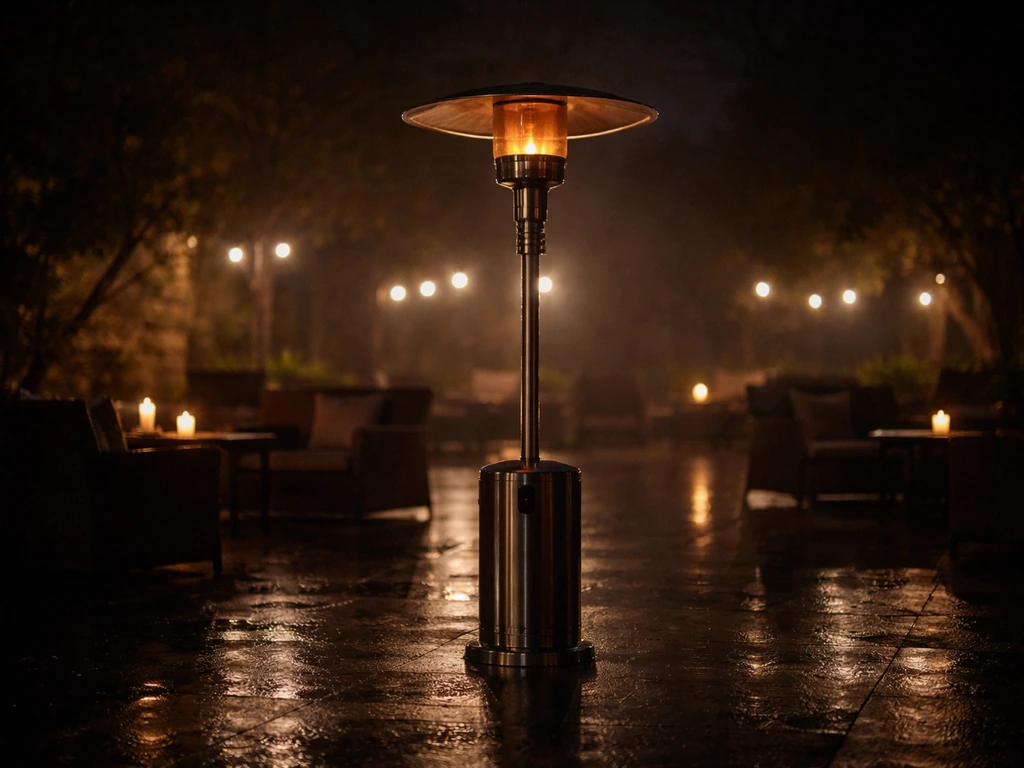
Top propane patio heater picks with review-style comparisons, BTU coverage, safety checks, and buying tips.
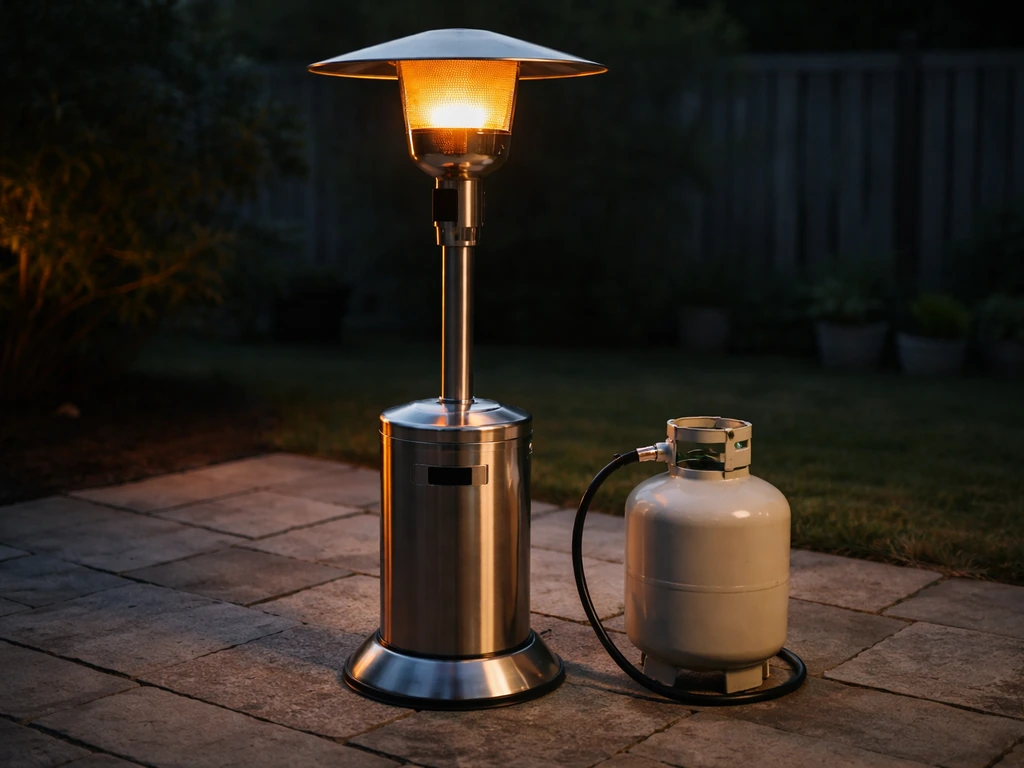
Choose the best portable propane patio heater by BTUs, coverage, wind resistance, efficiency, and safety setup for your
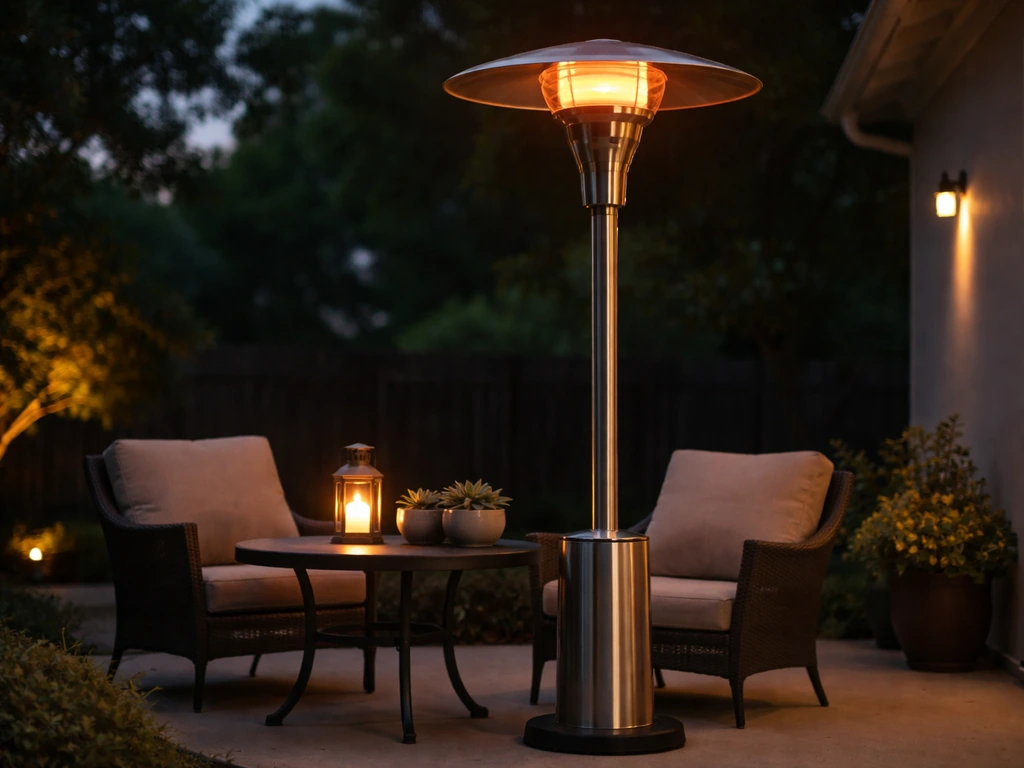
Reddit-style patio heater picks by patio size, climate, and fuel type with BTU, cost, safety, setup, and common warnings