
The best patio fireplace for most homeowners is a propane or natural gas unit in the 50,000 BTU range: it lights instantly, produces real visible flame, and puts out enough heat to keep 10 to 15 feet of open patio genuinely warm. If you have an existing gas line, go natural gas and never think about refills again. If you're renting, have a small deck, or want something portable, a propane model gives you almost the same experience with a tank swap every few sessions. Electric and pellet options have their place too, but they involve real trade-offs worth knowing before you spend the money.
Best Patio Fireplace: How to Choose by Fuel, BTUs, and Size

Caleb Vale
22 Jun 2026
What a patio fireplace actually is (and what it isn't)
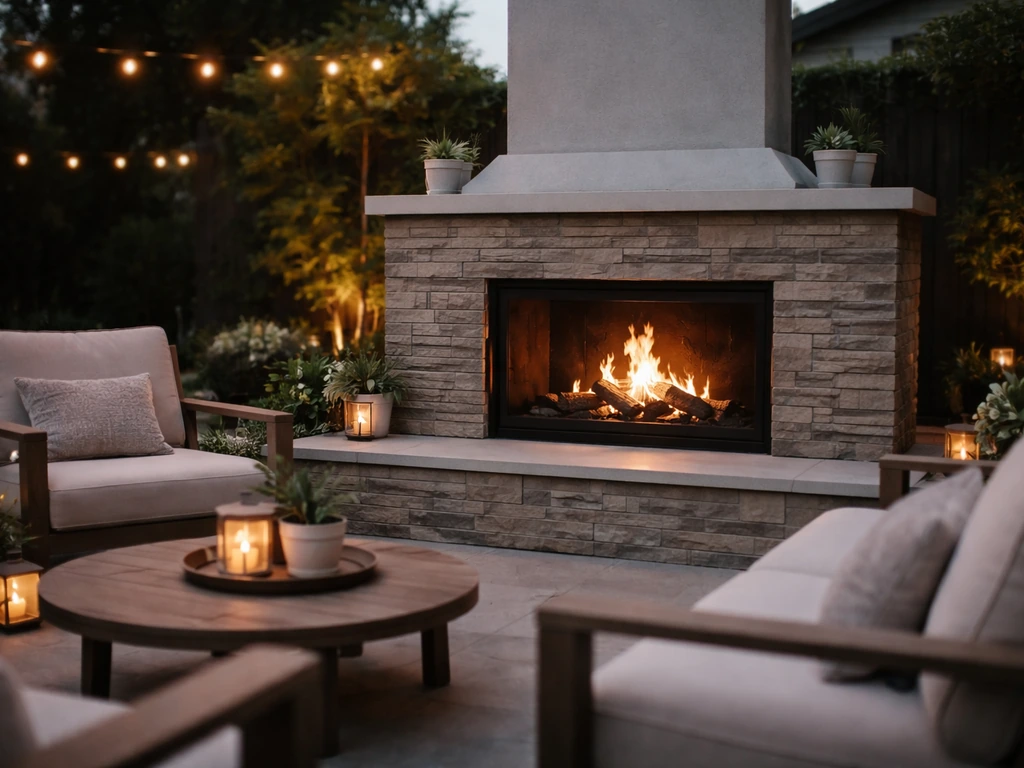
blank" rel="noopener noreferrer">Retailers and manufacturers use three overlapping terms: fire pit, outdoor fireplace, and chiminea. They're not the same thing, and mixing them up leads to buying the wrong product. A fire pit is a low, open bowl or table-top burner with flame visible from all sides. A chiminea is a front-vented clay or cast iron pot with a chimney stack. blank" rel="noopener noreferrer">An outdoor fireplace is the most substantial of the three: it has a defined firebox with a fireback, a hearth opening facing one direction, and often a mantle or surround. Think of it as a traditional indoor fireplace moved outside. Lowe's describes it well: an outdoor fireplace combines strong heat output with the tidiness and safety of a chiminea. It directs heat outward, contains the fire more securely, and reads as a focal point rather than just a heat source.
The practical difference matters for buying. A fire pit radiates heat in all directions, which is great for groups sitting in a circle, but loses a lot of heat to the open sky. An outdoor fireplace projects heat in one direction with a backwall, making it more efficient for a seating area on one side. Because this site covers outdoor patio heaters across every fuel type, "patio fireplace" also includes enclosed gas fireplace inserts, infrared electric fireplace panels, and pellet-burning hearth units marketed as outdoor fireplaces. Manufacturer Majestic, for example, labels its Courtyard series specifically as an "outdoor gas fireplace" with listed clearances and installation requirements distinct from fire pit burner kits. That distinction matters when it comes to code compliance and safety.
Which fuel type is right for your setup
This is the single biggest decision. Each fuel type has a different install complexity, operating cost, and experience. Here's the honest breakdown.
Propane (LPG)
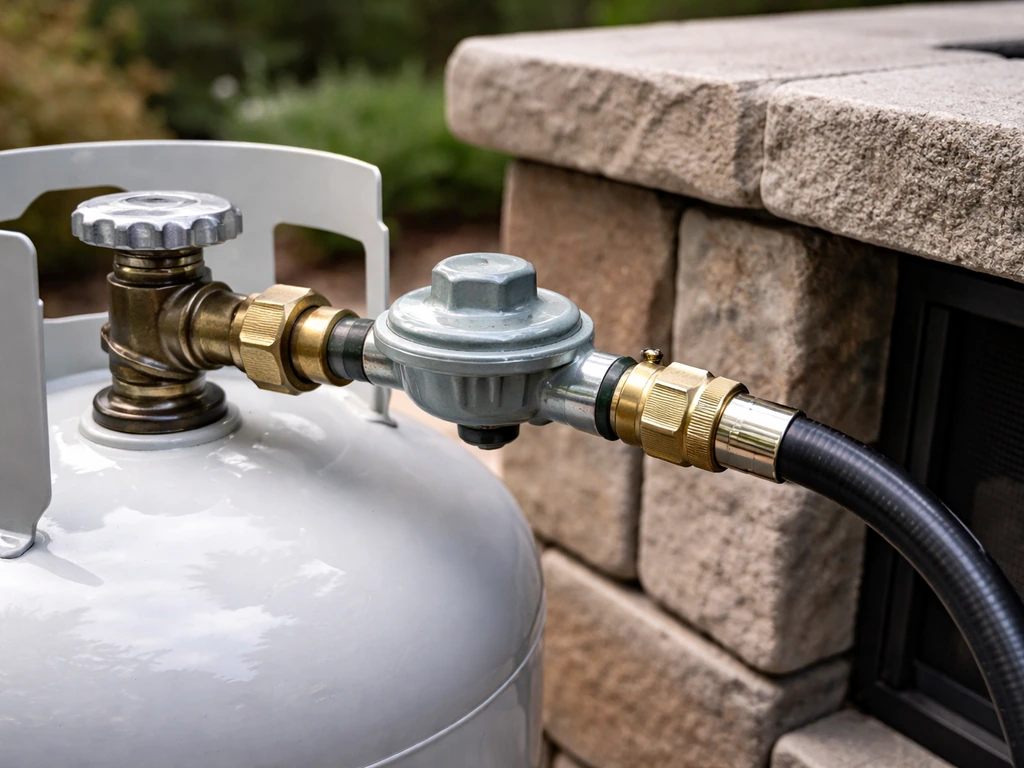
Propane is the most flexible option. You don't need a gas line, you can move the unit, and you get real open flame. A 50,000 BTU propane fireplace running flat out burns roughly 0.5 gallons of propane per hour. At current propane prices around $3.00 to $4.00 per gallon depending on your region, that's $1.50 to $2.00 per hour at full output. In practice you'll run it lower, so real-world costs are closer to $0.75 to $1.25 per hour. The Majestic Courtyard 36" is rated at 50,000 BTU/hr on LP, which is a benchmark-level spec for this category. The main annoyance is swapping tanks: a standard 20 lb tank holds about 4.7 gallons, giving you roughly 8 to 10 hours at moderate settings.
Natural gas
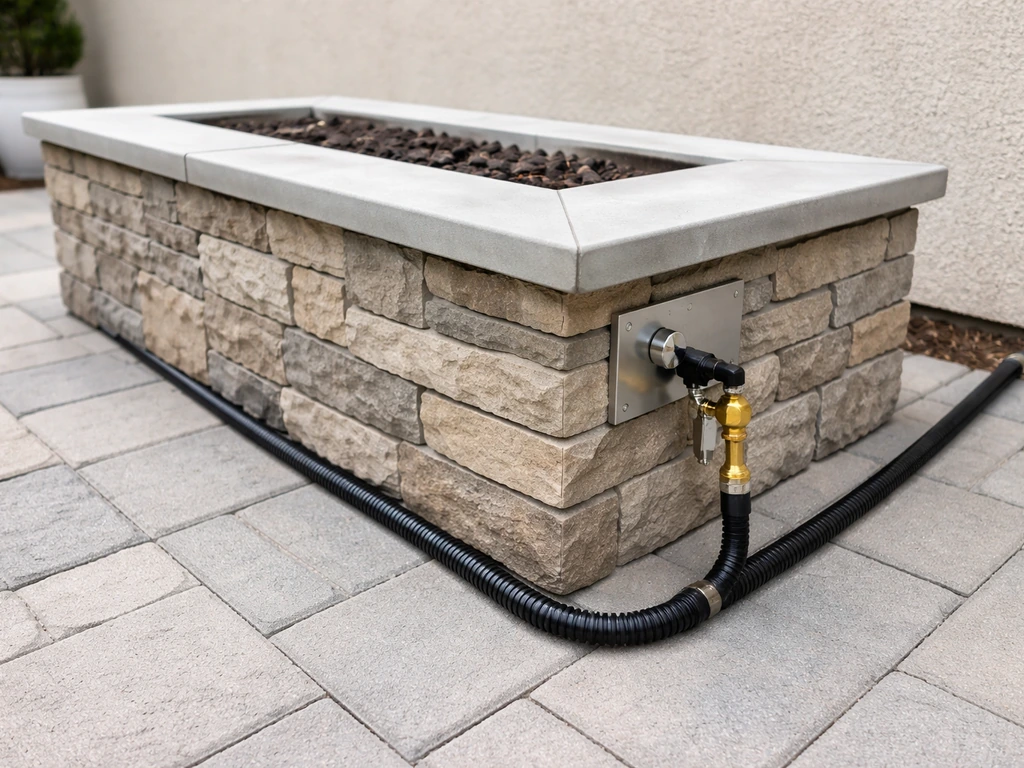
If you have a gas line at the house, natural gas is the better long-term choice. The Majestic Courtyard 36" hits 55,000 BTU/hr on natural gas versus 50,000 on LP, so output is actually slightly higher. Natural gas costs roughly $0.015 per 1,000 BTU (at around $1.50 per therm, where one therm equals 100,000 BTU per the EIA). That puts a 50,000 BTU/hr fireplace at about $0.75 per hour to run, and since you're on a utility line, you never run out mid-session. The catch: a licensed plumber or gas fitter needs to run the line and connect it, which adds $500 to $1,500 or more to install costs depending on distance from the meter and local labor rates. You also can't move the unit once it's plumbed.
Electric and infrared
Electric outdoor fireplaces split into two categories: purely decorative units (like the SimpliFire Forum Outdoor Electric Fireplace) that deliver ambiance with minimal heat, and infrared electric heaters that produce real, directed warmth. The decorative-first models are honest about this: they're marketed for their visual flame effect, not their BTU output. Infrared electric heaters, on the other hand, can deliver 1,500 to 5,000 watts (roughly 5,100 to 17,000 BTU equivalent) and heat people and surfaces directly without warming the air first, which makes them noticeably more efficient in open or breezy conditions. Operating cost is straightforward: watts divided by 1,000 multiplied by your electricity rate. A 1,500 watt unit at $0.14 per kWh costs about $0.21 per hour. A 4,000 watt infrared panel costs about $0.56 per hour. Electric units require no gas line, no ventilation clearances, and often just a standard or hardwired 240V outlet. The trade-off is that they don't produce a real flame, which matters a lot to people buying for ambiance.
Pellet and solid fuel
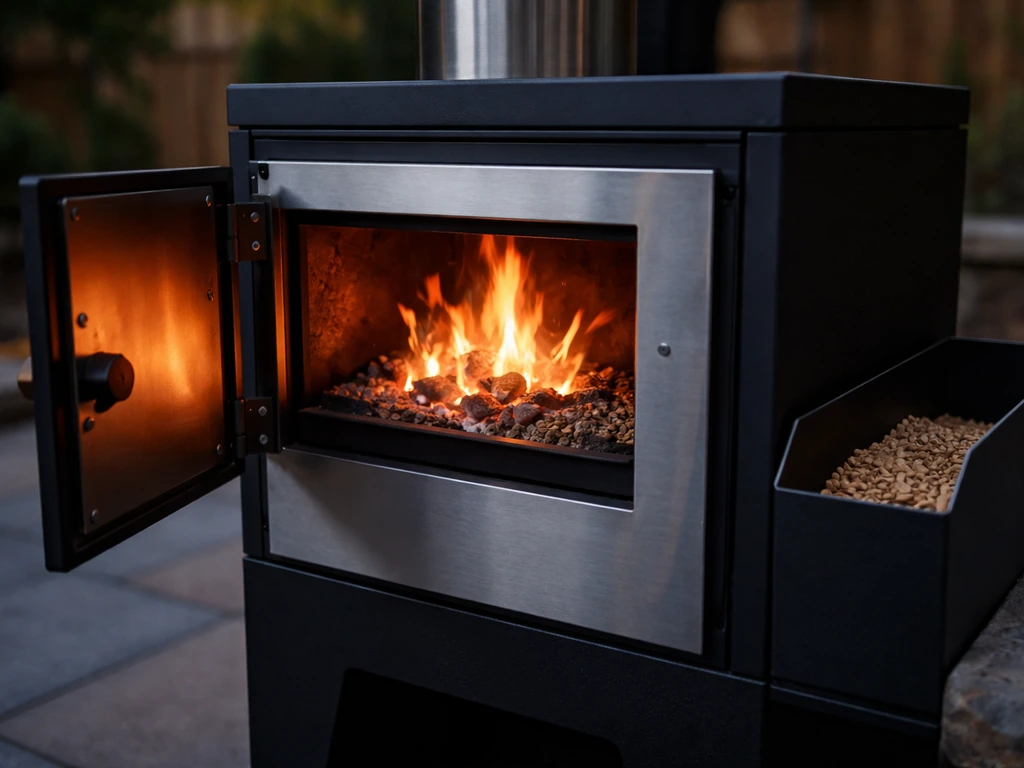
Pellet-burning outdoor fireplace units are a niche but legitimate option, especially if you want real combustion without managing a gas line. The Lopi AGP pellet insert is a good performance reference: it puts out roughly 12,000 to 42,000 BTU/hr depending on setting and can burn for up to 50 hours on a hopper fill. The Lopi Deerfield II runs from about 14,500 to 50,250 BTU/hr with up to 35 hours of burn time. These numbers are genuinely impressive for long evening sessions. The downsides: pellet units are more complex to maintain (you're cleaning out ash, managing the auger, dealing with an electrical igniter), they need a power source to run the feed mechanism, and they're harder to install in a covered patio situation because of smoke and creosote management. For open patios where you want long burn times with less intervention than wood, pellets make sense. For covered areas, they're harder to justify over gas.
| Fuel Type | Typical Output | Cost Per Hour (est.) | Install Complexity | Best For |
|---|---|---|---|---|
| Propane | 30,000 to 60,000 BTU/hr | $0.75 to $2.00 | Low (portable or quick-connect) | Flexibility, no gas line, portability |
| Natural Gas | 40,000 to 60,000 BTU/hr | $0.60 to $1.00 | High (licensed plumber required) | Permanent installs, long-term value |
| Electric/Infrared | 5,000 to 17,000 BTU equivalent | $0.20 to $0.60 | Low (outlet or hardwire) | Covered patios, apartments, ambiance-plus-warmth |
| Pellet/Solid Fuel | 12,000 to 50,000 BTU/hr | $0.40 to $1.20 | Medium (venting, power needed) | Long sessions, open patios, real combustion feel |
Sizing it right: BTUs, coverage area, and real comfort
A 50,000 BTU gas fireplace will comfortably heat a seating area of roughly 10 to 15 feet directly in front of it on a mild night (50 to 60°F ambient). On cold nights below 40°F or in wind, effective coverage shrinks. A general rule for open-flame patio fireplaces: plan on 5,000 BTU per 10 square feet of seating area for moderate climates, and bump that up by 20 to 30% for cold or exposed patios. For electric infrared, the math is different because heat is directional: a 4,000 watt panel can comfortably cover 8 to 12 feet of seating in a line. Don't size based on floor area alone as you would for an indoor HVAC system. Outdoor heat loss is massive, and you're really targeting a seating zone, not a room.
Covered patios change the calculation. Under a roof or pergola, heat retention improves meaningfully. A 40,000 BTU gas fireplace that barely warms an open 200 square foot patio can feel genuinely comfortable under a well-enclosed pergola of the same size. If you're shopping for a covered patio specifically, you may be able to step down in BTU output and save on the unit cost. If you’re shopping for the best fireplace for covered patio comfort, pay special attention to venting and the unit’s rated clearance requirements. Just make sure whatever you buy is rated for covered outdoor use: ventless gas units under enclosures can soot badly, as real users have reported in installer forums, and some electric models aren't weather-rated for semi-exposed conditions.
Safety and installation: what you actually need to know
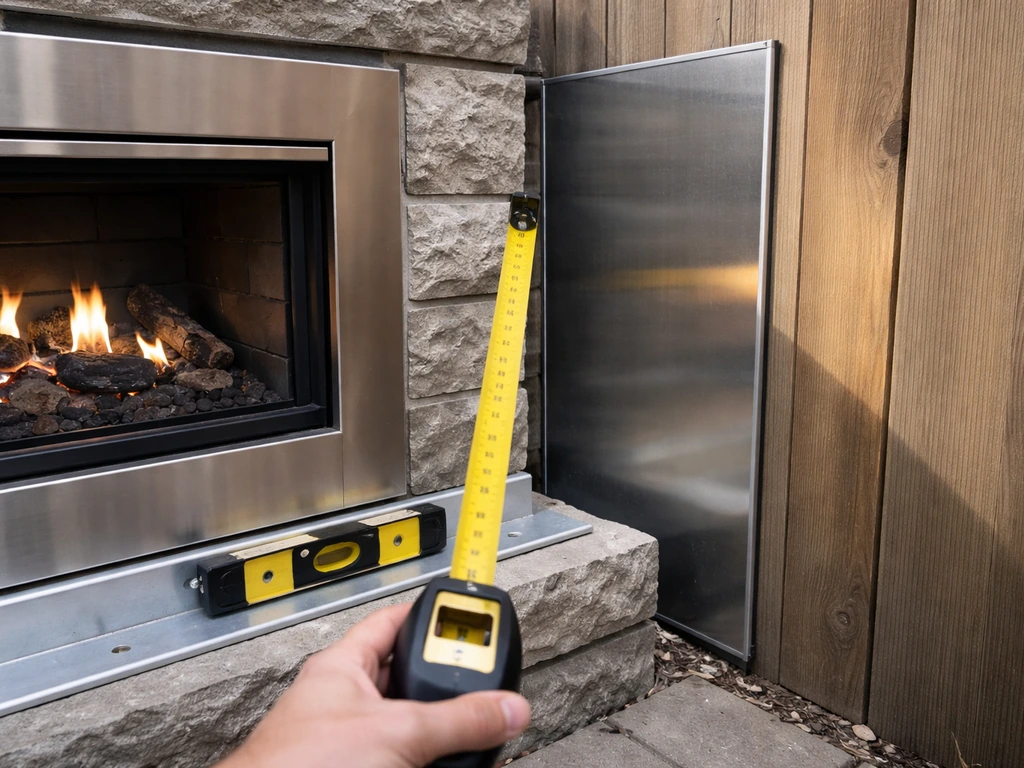
Gas outdoor fireplaces have specific clearance requirements that aren't optional. The Majestic Courtyard installation manual specifies 36 inches (914 mm) clearance below an unventilated soffit or below a ventilated soffit, and at least 3 feet (914 mm) horizontally from any gas meter or regulator assembly. These numbers come from the manufacturer's listing and aren't interchangeable with fire pit burner rules, which use a different clearance table. For fire pit burners, a common spec is 36 inches to nearby combustibles for outputs up to 200,000 BTU and 84 inches of overhead clearance. Always use the clearance table from your specific unit's installation manual, and verify with your local building inspector rather than relying on forum posts or general guidance.
For natural gas installs, the governing code framework is NFPA 54 (National Fuel Gas Code). For wood or pellet outdoor fireplaces, NFPA 211 (Chimneys, Fireplaces, Vents, and Solid-Fuel Burning Appliances) applies. You don't need to memorize these codes, but you should ask any installer how they're complying with them and your local amendments. A permitted install protects you on resale and in the event of a homeowner's insurance claim.
- Never install an indoor-rated gas fireplace outside: outdoor units are engineered for moisture, temperature swings, and combustion air in open conditions
- Maintain 3 feet clearance from your gas fireplace to any gas meter or regulator vent outlet
- Check your specific model's manual for soffit and overhead clearances before placing under any overhang
- For natural gas, use a licensed gas fitter or plumber and pull the required permit
- Electric units still need proper outdoor-rated wiring: use GFCI-protected circuits and weatherproof covers
- Keep a fire extinguisher rated for the fuel type within easy reach and test it annually
- Don't operate ventless gas units in fully enclosed spaces: carbon monoxide buildup is a real risk
What it actually costs to run and maintain
Operating costs over a season add up faster than most buyers expect. Here's realistic math: a 50,000 BTU/hr natural gas fireplace run 4 hours per evening, 3 evenings per week, for a 6-month season equals about 1,440 hours. At $0.75 per hour, that's roughly $1,080 per season. The same usage pattern on propane at $1.50 per hour comes to about $2,160. An infrared electric unit at $0.45 per hour comes in around $648 for the same schedule. These are ballpark numbers and vary with fuel prices and actual run time, but they illustrate the real long-term cost gap between fuel types.
Maintenance varies by fuel type. Gas fireplaces need annual inspection of the burner, igniter, and gas connections, plus cleaning of the glass or firebox if it's an enclosed model. Pellet units need the most attention: ash pan cleaning every 1 to 3 burns, annual flue inspection, and auger mechanism checks. Electric infrared models are the lowest maintenance of the group: wipe down the reflector and heating element, check the weatherproofing on the housing, done. Most quality outdoor gas fireplaces made from stainless steel or powder-coated aluminum will last 10 to 20 years with basic care. Cast iron models can rust in wet climates without a proper cover. Always use a weather cover when the unit isn't in use, and if you're in a freeze-thaw climate, drain any water-exposed components before winter.
Best picks by scenario
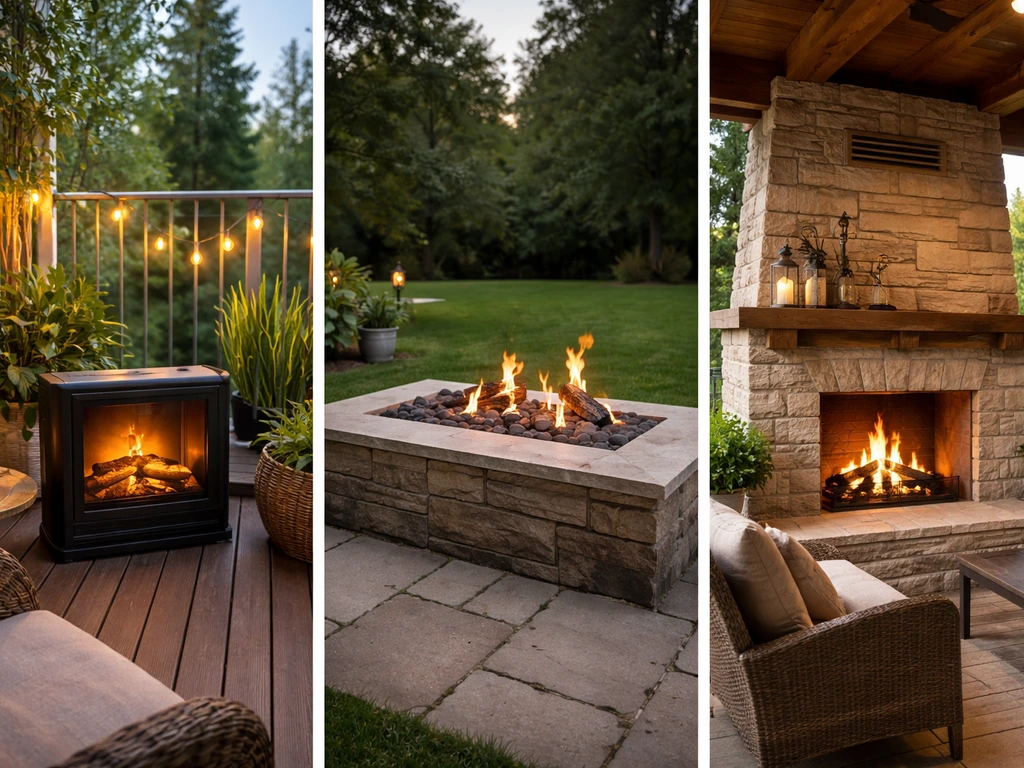
There's no single best patio fireplace for everyone. Here's how I'd steer different buyers based on their actual situation.
Small patio or apartment balcony
Go electric infrared. You don't have room to maintain safe clearances for a gas fireplace, you probably can't run a gas line, and the heat-to-footprint ratio of a wall-mounted infrared panel is unbeatable in tight spaces. Look for units in the 1,500 to 3,000 watt range with a weatherproof housing rating (IP44 or better). Skip purely decorative electric fireplaces here: if you need warmth, get a true infrared heater.
Large open patio or backyard
A 50,000 to 60,000 BTU natural gas outdoor fireplace is the clear winner for a large permanent installation. Something like the Majestic Courtyard 36" is purpose-built for this: substantial heat, real flame, and a hearth-style presence that works as a focal point. If you don't have a gas line, a comparable propane model at the same BTU range will perform similarly, you'll just manage tanks. For large commercial patio spaces, run multiple units or pair an outdoor fireplace with overhead infrared patio heaters to cover the full area.
Covered or enclosed patio
Covered patios are where you need to be most careful. Electric infrared is the safest and simplest choice: no combustion, no clearance conflicts with soffits, no CO risk. If you want a gas fireplace under a covered patio, use a vented (not ventless) model and verify clearances to the soffit against your specific installation manual. If you're specifically shopping for a fire pit instead of a fireplace, the best fire pit for covered patio needs careful clearance and ventilation checks too. Remember: 36 inches to an unventilated soffit is the Majestic Courtyard spec, and you need to confirm your unit's own requirements. Ventless gas under low overhangs can produce sooting and is a documented problem in the real world. For covered patios where real wood flame matters to you, a well-vented wood-burning or pellet fireplace with a proper chimney chase is also viable but adds build complexity.
Windy or exposed location
Wind kills open-flame efficiency fast. In consistently windy locations, an enclosed gas fireplace with a glass front (rather than an open-hearth style) retains heat much better because the wind can't reach the combustion chamber directly. Infrared electric heaters also perform well in wind because they heat objects and people radiantly rather than warming air that immediately blows away. If wind is a regular factor, avoid open fire pit-style burners and skip pellet or wood units that can flare or produce unpredictable sparks in gusty conditions.
Budget vs premium
Budget buyers in the $200 to $600 range: a propane tabletop or freestanding gas fireplace with electronic ignition and a basic stainless firebox will get the job done. If you're specifically shopping for the best patio torches, your choice of fuel, output, and wind resistance matters just as much. Expect less weather-resistant finish, manual controls, and limited warranty. Mid-range ($600 to $1,500): you get better materials (304 stainless or powder-coated aluminum), thermostat or variable flame control, and more reliable ignition systems. Premium ($1,500 and up): fully listed outdoor gas fireplaces like the Majestic Courtyard with proper installation, professional gas line connection, and durable hearth surround. These are permanent additions that add real property value and will outlast cheaper alternatives by years.
Long burn time or minimal hassle
If you want to light it once and forget about it for hours, a natural gas fireplace or a pellet unit with a large hopper is the answer. Natural gas never runs out. Pellet units like the Lopi AGP can burn up to 50 hours on a hopper fill at low settings, which is genuinely impressive for long-use scenarios. Propane is the least convenient for long sessions because of tank management, though a larger 100 lb tank setup reduces swap frequency significantly.
Your buying checklist before you order
Run through this before you pull the trigger on any unit. Missing one of these steps is how people end up returning products or calling a contractor after delivery.
- Measure your seating area and identify the intended heat zone, not the total patio square footage
- Check for overhead clearances: measure from the intended fireplace location to any soffit, overhang, pergola, or roof
- Confirm whether you have a natural gas line nearby or will use propane, and budget for connection or tank setup
- If going gas, verify local permit requirements and get quotes from at least two licensed gas fitters
- For electric: confirm outlet location, amperage, and whether you need a GFCI-protected 240V circuit
- Check the installation manual clearance table for your specific model before placing the unit near structures, fences, or gas meters
- Confirm the unit's weather rating for your climate: look for IP ratings on electric units and stainless or coated steel on gas
- If installing in a covered patio: confirm the unit is rated for that use and verify soffit clearance specs
- Budget for annual maintenance: gas inspection, pellet cleaning, or electric wipe-down and weatherseal check
- Ask the retailer about the return policy and warranty: outdoor appliances that aren't installed correctly are often warranty-voided
One thing worth noting: if you're looking at options adjacent to a patio fireplace, like an open wood-burning fire pit for a covered space or tiki torches for ambiance, those are genuinely different products with different safety considerations. A well-chosen best patio wood burning fire pit can deliver real flames and a cozy glow for backyard evenings open wood-burning fire pit. A fireplace-style unit gives you directed heat and contained combustion, which is usually the safer and more comfortable choice for a permanent patio setup. Whatever you decide, get the installation manual before you buy, not after, and confirm clearances before you commit to a location.
FAQ
Do I need a CO detector or any ventilation for a patio fireplace, especially under a covered patio?
For vented gas outdoor fireplaces, you still need to follow the unit's clearance and venting instructions, but the bigger safety issue is enclosures. If your patio is under a roof or pergola, confirm the model is rated for covered outdoor use and is not ventless. For any gas appliance, a CO alarm in the near-adjacent area is a smart safeguard, even when the product is properly installed, and it can be especially helpful if wind or neighbors’ cooking appliances alter airflow.
What’s the easiest way to tell if something is a true outdoor fireplace versus a fire pit burner disguised as one?
Check for a listed installation manual that includes clearances to combustibles, venting or flue requirements (if applicable), and an identified firebox or hearth assembly. A real outdoor fireplace will usually specify directional heat and a defined firebox structure, while many fire pit products will emphasize bowl or tabletop installation and have different clearance tables. If the seller cannot provide the specific model’s manual, treat that as a buying red flag.
Can I convert a propane outdoor fireplace to natural gas (or the other way around) myself?
Sometimes conversions are possible, but they are not universal. Many brands require specific conversion kits and a licensed gas professional to perform the swap and verify correct burner adjustment and gas pressure. Even if the unit has the same exterior body, changing fuel often changes regulator and burner calibration, so DIY conversions can create unsafe operation or poor flame quality.
How do I estimate propane tank runtime more accurately than “hours per tank”?
Runtime depends on actual BTU setting, ignition type, temperature, and wind. Use the stated consumption rate at a given BTU output (if provided) and then factor in your likely control position (for example, medium flame for ambiance). Also plan for colder weather, because the burner may run harder to maintain output, and regulator performance can change with temperature.
If wind is strong where I live, should I prioritize an enclosed model or higher BTUs?
In wind, enclosure and flame containment matter more than raw BTUs. A glass-front or otherwise enclosed gas unit blocks wind from reaching the combustion chamber, preserving heat transfer toward your seating area. Higher BTUs help, but open hearth and fire pit styles often lose efficiency because wind displaces heat and can cause flame instability.
What clearance mistakes cause the most returns or failures with patio fireplaces?
Common issues are using the wrong clearance chart (fire pit rules applied to a fireplace), placing the unit under a soffit without confirming the “below vented or unvented soffit” spec, and ignoring sideways distances from gas meters or regulators. Another frequent mistake is relying on showroom placement rather than the exact manual measurements for your specific model and mounting surface.
Are electric infrared patio fireplaces safe around rain, snow, and freeze-thaw cycles?
They can be, but only when the unit is weather-rated and installed as specified. Look for an IP rating for dust and water resistance, and verify whether the manufacturer allows outdoor exposure in your conditions. For freeze-thaw climates, avoid leaving water around seams or in drainage areas, and store or cover the unit if the manual recommends it, since repeated freeze damage is a typical failure mode.
How often should I clean a gas outdoor fireplace, and what parts matter most?
Plan on an annual inspection of burner performance and gas connections, and clean the firebox or glass surface as the manual directs. If you have soot buildup or flame characteristics change, don't just wipe surfaces, investigate airflow, burner cleanliness, and any venting components. Also keep the area around the unit clear of leaf litter and spider webs, because outdoor blockages can reduce proper combustion.
For pellet units, what causes smoke or odor issues after setup?
Smoke problems often come from poor venting, blocked combustion air paths, or incorrect pellet quality and feed behavior. Pellets that are too old, humid, or not the recommended type can burn less cleanly, increasing soot and odor. If the unit is in a covered space, follow venting and flue requirements carefully, since enclosure increases the sensitivity to draft and creosote management.
What’s the practical way to size for a patio fireplace if my “seating area” isn’t in a straight line?
Sizing based on seating zone is better than sizing by square footage. If your group wraps around the unit, a directional heater will only effectively warm the portion directly in front of it, so you may need either a repositioning of seating, a second unit, or a different product type. If you have mixed wind exposure, treat the “most exposed seats” as your design target distance.
Will a patio fireplace increase my outdoor living space value and resale value?
A properly installed, code-compliant unit generally holds up as a desirable permanent improvement, especially gas fireplaces with correct venting and clearances. However, value depends on integration, finish quality, and documentation. Keeping the installation manual, permits, and service records can help if you need to explain the work to a future buyer or insurer.
Next Articles
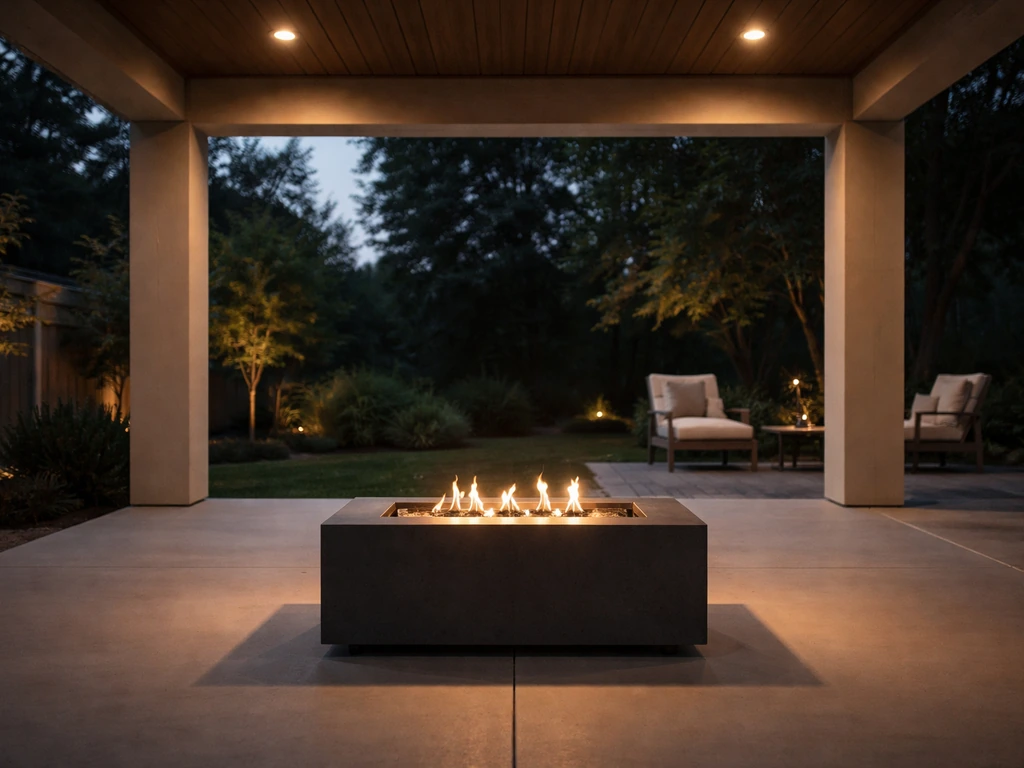
Best Fire Pit for Covered Patio: Safe, Best Picks Guide
Find the best covered-patio fire pit with safety clearances, low-smoke options, and gas or electric picks for your patio
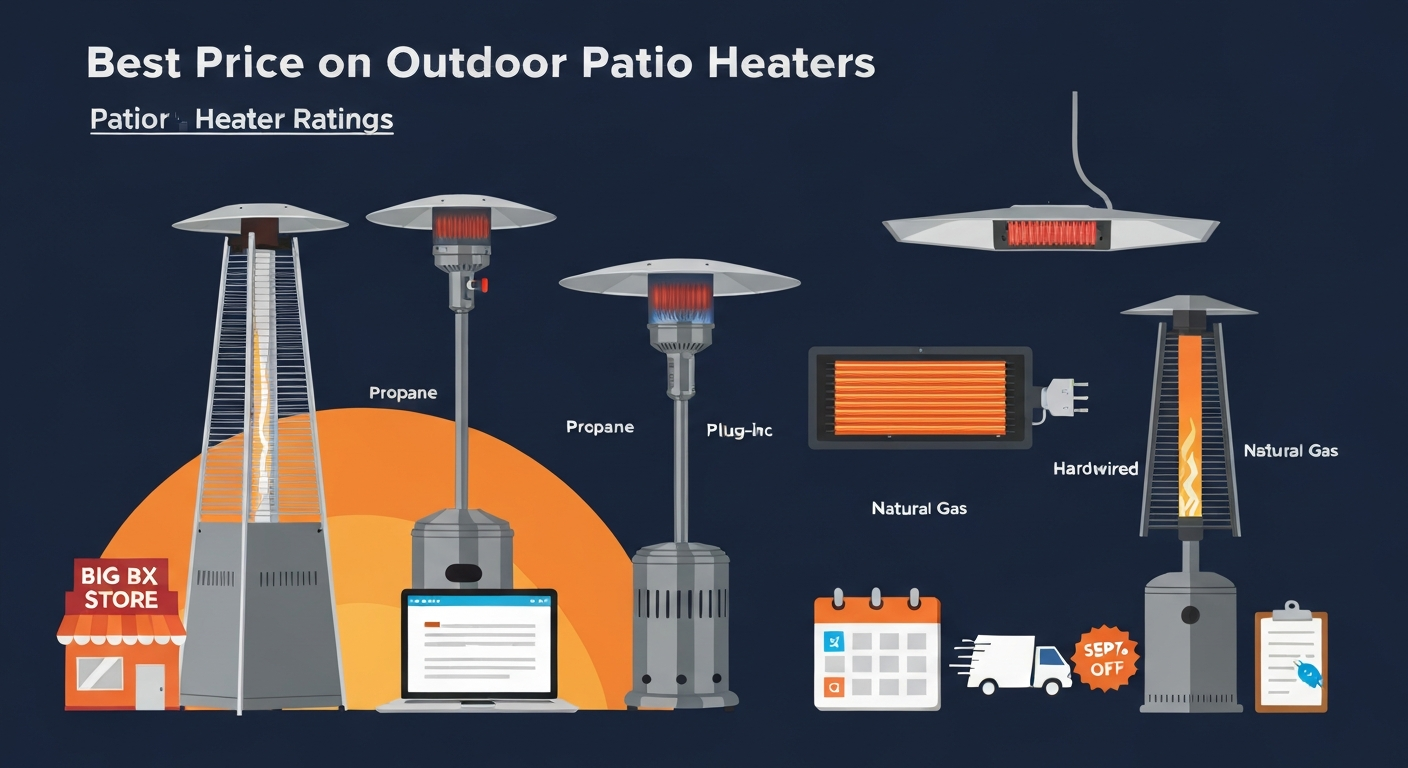
Best Price on Outdoor Patio Heaters: Compare Costs & Deals
Score the best price on outdoor patio heaters, price ranges, top picks, deal tactics, total-cost & safety checklist.
Where Can I Rent Patio Heaters Near Me Today
Find where to rent patio heaters near you today, choose the right fuel type, compare costs, and book safely.