
The Muskoka 84" pellet patio heater (model 13831) is a 75,000 BTU, 84-inch tall wood-pellet-burning outdoor heater made by GHP Group and sold primarily through Walmart. It holds 20 lbs of wood pellets, delivers up to 5 hours of burn time per fill, and covers a claimed 120 sq. ft. radius. That makes it one of the higher-output pellet patio heaters on the market. Whether it's the right buy for your patio depends on your setup, your climate, and whether you're comfortable with the ongoing fuel and maintenance requirements that come with any pellet-burning appliance.
Muskoka Pellet Patio Heater Reviews and Buying Guide

Caleb Vale
1 Jul 2026
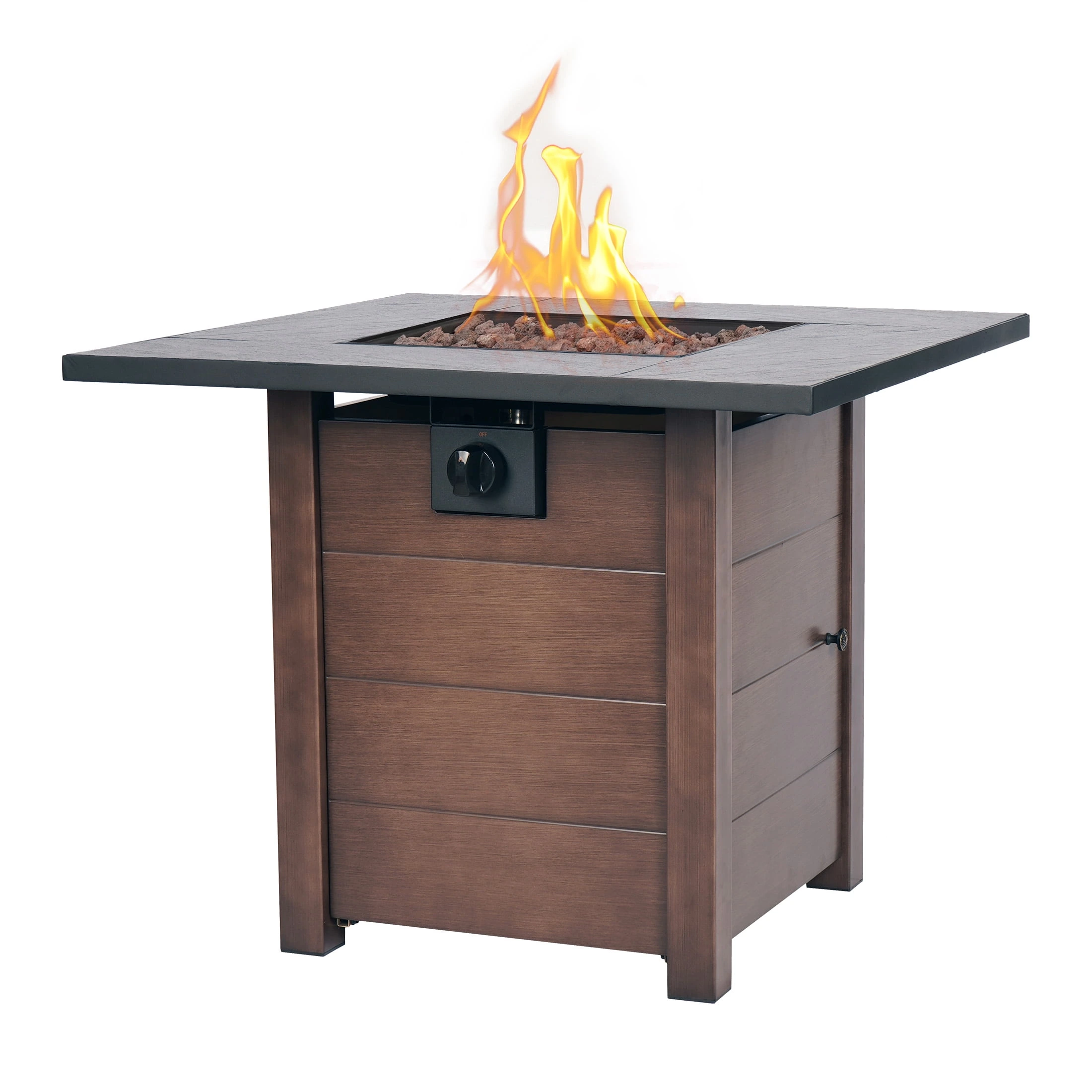
What a Muskoka pellet patio heater is (and how pellet heaters actually work)
Muskoka is a brand under GHP Group, a company that produces a range of outdoor heating products. Their pellet patio heater line sits in the category of wood-pellet-burning outdoor appliances: units that use compressed hardwood pellets as fuel instead of propane, natural gas, or electricity. The Muskoka 84" (model 13831) is the main model you'll find in retail. It's a tall, tower-style heater in black steel, standing 84 inches high with a 30" x 21" footprint.
Here's how pellet heaters work: wood pellets are fed from a gravity-fed hopper into a burn pot at the bottom of the unit. The pellets combust in the burn pot, and a fan or natural airflow draws the heat upward through the column of the heater. The combustion byproducts (smoke and ash) exit through a flue or chimney at the top. Compared to propane or infrared heaters, pellet heaters produce a visible flame and real radiant warmth, which many people find more atmospheric. The trade-off is that you need to manage fuel, ash, and airflow in a way you simply don't with a propane or electric unit.
Pellet fuel is made from compressed sawdust and wood byproducts. It's a dense, consistent fuel with a high BTU-per-pound output. Hardwood pellets typically deliver around 8,000 to 8,700 BTU per pound, which is why even a modest hopper load can produce substantial heat when burned efficiently. The Muskoka's 20 lb hopper is on the larger end for a patio-sized pellet heater, which directly supports that 5-hour burn time claim.
Real-world performance: heat output, coverage, burn time, and airflow
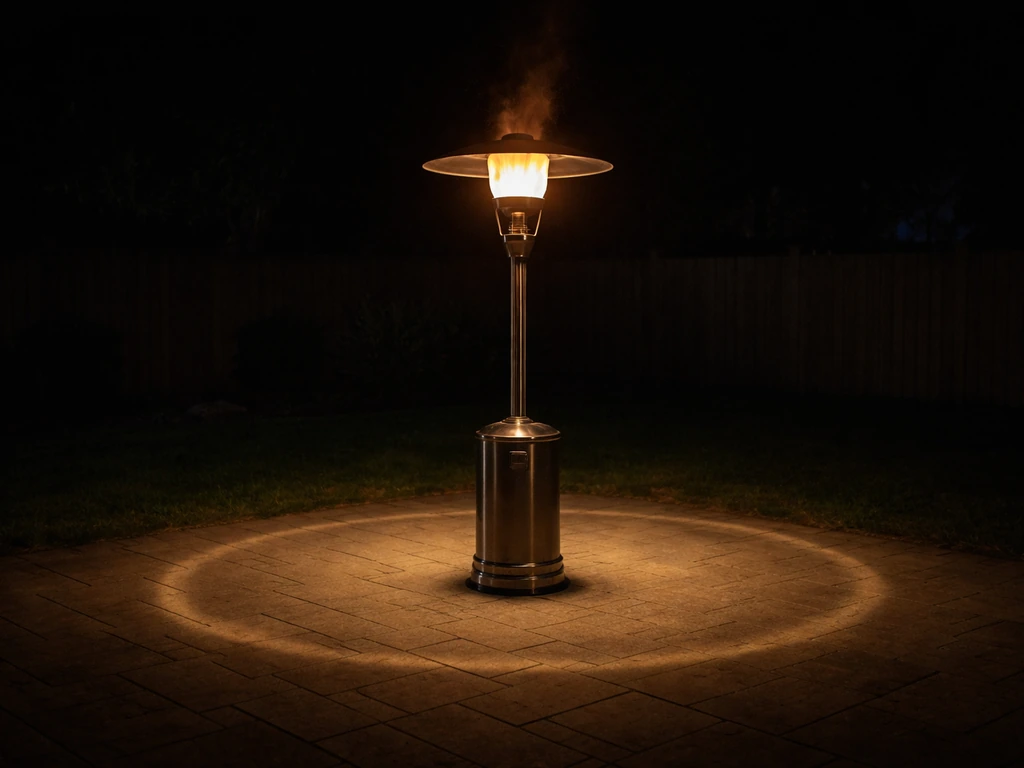
On paper, 75,000 BTU sounds impressive. For reference, most propane mushroom-style patio heaters run between 40,000 and 48,000 BTU, so the Muskoka's rated output exceeds many common propane models. In practice, though, BTU ratings on pellet patio heaters should be taken as a maximum under ideal conditions, not a constant steady-state output.
The 120 sq. ft. heat radius is the brand's stated figure, and it's realistic for a calm, partially sheltered patio at moderate temperatures. On a fully exposed deck in cold or windy conditions, that effective radius will shrink noticeably. Pellet patio heaters lose efficiency quickly in wind because airflow disrupts the burn pot combustion and carries heat away before it reaches people. If your patio is exposed, you'll feel the difference compared to a fully enclosed or pergola-covered space.
The 5-hour burn time from a 20 lb hopper is credible at low-to-medium heat settings. At maximum BTU output, expect that number to drop. For comparison, other pellet patio heaters in this class are notably less generous: a 12 lb hopper unit from another brand delivers about 1.5 hours, and the Big Timber 20 lb hopper model produces around 2.5 hours. The Muskoka's claim of 5 hours on the same 20 lb load suggests a lower average burn rate, which points to a more moderate steady-state output rather than sustained maximum BTU combustion throughout. That's not a flaw, it's just useful to understand when setting expectations.
Airflow management matters a lot with this type of heater. Gravity-fed pellet heaters rely on consistent fuel flow into the burn pot and adequate combustion air to maintain a clean, hot burn. Wind that blows into the burn pot or flue can cause smoke puffing, incomplete combustion, or even flame-outs. Positioning the unit so the flue opening faces away from the prevailing wind direction is one of the most effective things you can do to improve real-world performance.
Model review: the Muskoka 84" (model 13831) in detail
At the time of writing, model 13831 is the primary Muskoka pellet patio heater available at retail. Here's an honest breakdown of what it delivers and where it falls short.
| Spec | Muskoka 84" (Model 13831) |
|---|---|
| BTU output | 75,000 BTU (max) |
| Fuel type | Wood pellets |
| Hopper capacity | 20 lbs |
| Burn time (full hopper) | Up to 5 hours |
| Heat radius (claimed) | 120 sq. ft. |
| Height | 84 inches |
| Footprint | 30" L x 21" W |
| Weight | 74.8 lbs |
| Body material | Black steel |
| Manufacturer | GHP Group, Inc. |
What it does well
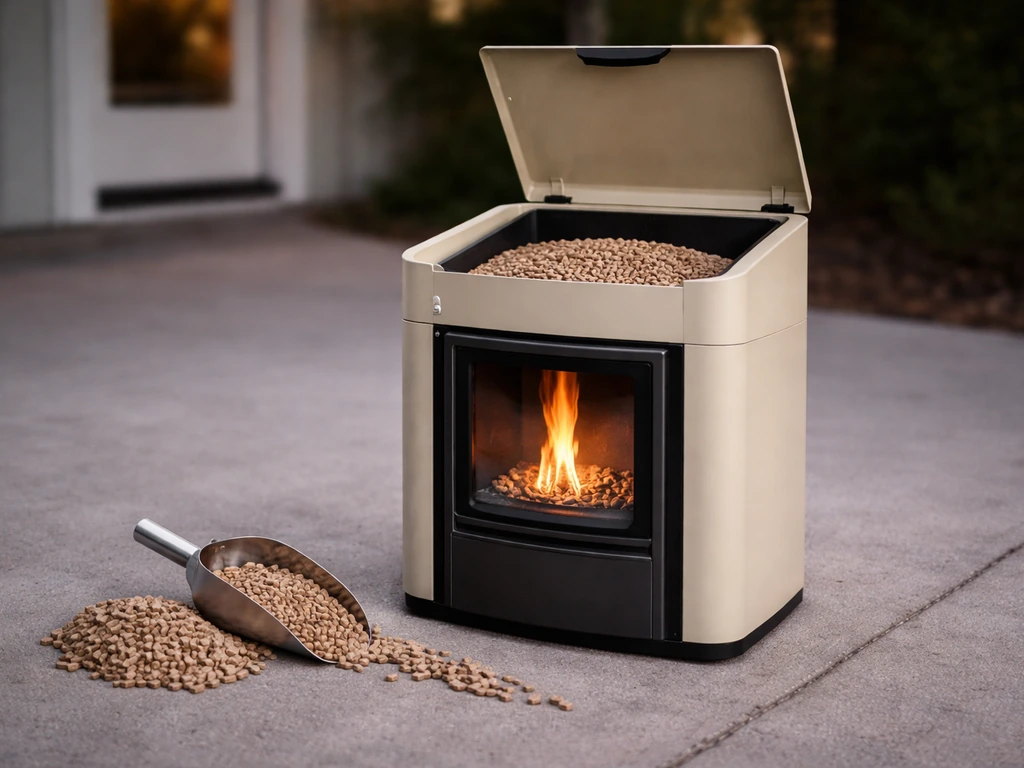
- High rated BTU output for a pellet patio heater, exceeding most standard propane mushroom heaters
- Large 20 lb hopper means fewer refills per session, with up to 5 hours per load
- Tall 84-inch profile disperses heat at standing and seated height effectively
- Wood pellet fuel is widely available and relatively inexpensive compared to propane at high usage volumes
- Real flame aesthetic that many people prefer over propane or electric heat
- Black steel construction gives it a clean, durable appearance that holds up outdoors
Where it falls short
- At 74.8 lbs it is heavy and not easy to reposition once placed
- Gravity-fed pellet systems require monitoring: you cannot simply set-and-forget the way you can with a propane or electric heater
- Wind sensitivity is a real limitation on open patios; heat output and burn quality both drop in breezy conditions
- Ash cleanup is required after every few uses, which adds maintenance time
- Ignition takes longer than flipping a propane switch; there is a startup phase before full heat output is reached
- Only one main retail model means you have limited sizing flexibility within the Muskoka brand if 75,000 BTU is more than you need or if you want a smaller unit
Who this heater fits best
The Muskoka 84" is a strong fit if you have a medium-sized covered or semi-enclosed patio (roughly 100 to 200 sq. ft.), value longer burn sessions without constant refueling, and like the look and feel of a real wood-burning flame. It's also a good pick if you already buy pellets in bulk for a smoker or other pellet appliance, since you can share your fuel supply. It's not the right choice if your patio is fully open and wind-exposed, if you want instant-on heat with zero maintenance, or if you need to move the heater around regularly.
Pellet running costs vs. propane, electric, natural gas, and infrared
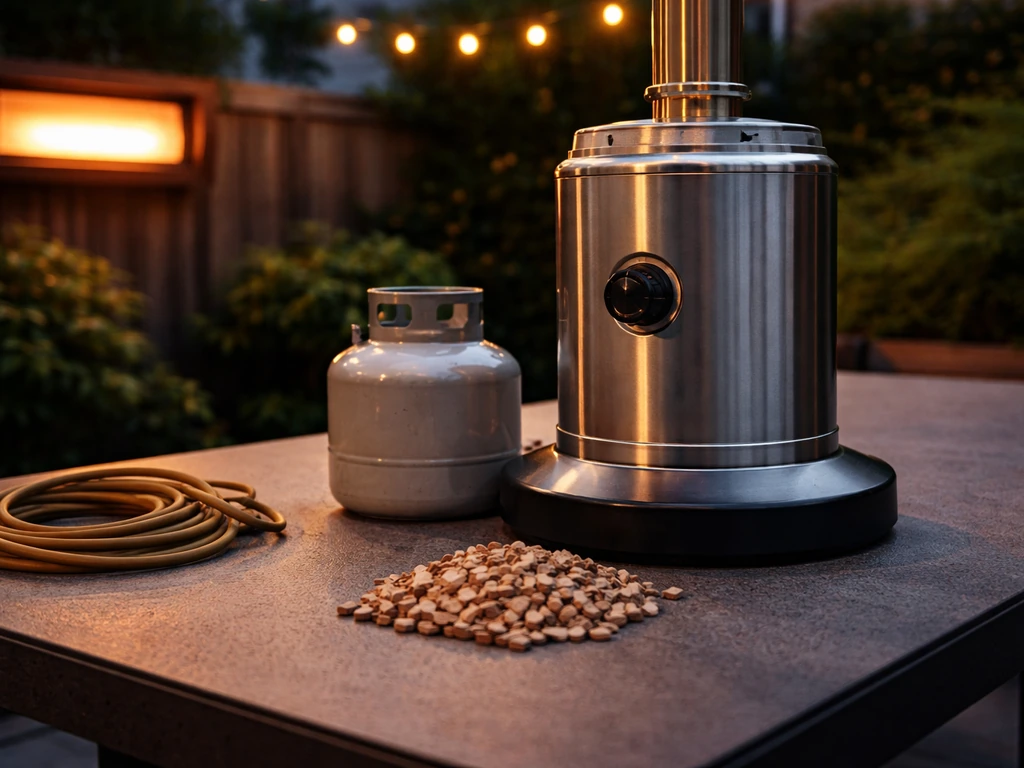
One of the strongest arguments for a pellet heater is fuel cost, especially if you buy in bulk. Hardwood wood pellets at Canadian Tire run around $8.99 for a 40 lb bag, and Costco Canada has been reported at roughly $17 for a 40 lb bag (prices as of mid-2026 and subject to regional variation). At the cheaper end, that's about $0.22 per pound. The Muskoka burns through a 20 lb hopper in roughly 5 hours at a moderate burn rate, so you're looking at about $4.50 worth of pellets per 5-hour session at the lower price point, or closer to $8.50 at Costco pricing.
| Fuel Type | Approx. cost per session (5 hrs) | Heat output range | Wind sensitivity | Maintenance level |
|---|---|---|---|---|
| Wood pellets (Muskoka) | $4.50 to $8.50 | Up to 75,000 BTU | High | High (ash, cleaning) |
| Propane (standard mushroom) | $8 to $15 | 40,000 to 48,000 BTU | Medium | Low |
| Natural gas (plumbed) | $2 to $5 | 40,000 to 60,000 BTU | Medium | Very low |
| Electric (standard) | $1.50 to $4 | 1,500 to 5,000 W | Low to medium | Very low |
| Infrared (electric or gas) | $2 to $8 | Varies widely | Low (radiant) | Low |
From a pure cost-per-session standpoint, wood pellets can be competitive with propane and come in cheaper than natural gas only if you're buying pellets at low bulk prices and using the heater at moderate settings. Natural gas (if you have a plumbed connection) is generally the cheapest option to run for extended periods. Electric heaters are low cost to run but cap out at a fraction of the BTU output of the Muskoka. Infrared patio heaters, whether electric or gas-powered, deliver heat more efficiently in windy conditions because radiant heat warms objects and people directly rather than heating the air. If your patio is genuinely wind-exposed, infrared is worth considering as an alternative.
For a more detailed comparison of wood pellet models across brands, the broader pellet patio heater reviews category covers units from multiple manufacturers side by side, which is useful context if you want to confirm the Muskoka is the right pellet choice before committing.
Setup, clearances, venting, and a practical installation checklist
Setting up a pellet patio heater properly matters more than most buyers expect. These are combustion appliances that produce real flame, smoke, and hot surfaces. Getting the placement right is both a performance issue and a safety one.
Clearances
As a general rule for outdoor pellet patio heaters in this class, maintain at least 3 feet of clearance from any combustible surface on the sides, and a minimum of 6 to 8 feet of vertical clearance above the flue or chimney exit. Keep the heater away from patio umbrellas, string lights, fabric chair covers, and low-hanging overhead structures. If your patio has a pergola or covered roof, verify that the flue exhaust has adequate clearance to the structure above and that the covering material is non-combustible or well out of the smoke path.
Surface and placement
Place the heater on a flat, level, non-combustible surface. Concrete, stone, or brick pavers are ideal. Using it on a composite or wood deck is possible but requires more caution: position it away from deck boards, use a heat-resistant mat underneath, and never leave it unattended during operation. If you are shopping for a wood deck, this kind of guidance can help you choose the best patio heater for wood decks and place it safely. If you're comparing options for a wood deck specifically, it's worth checking guidance on the best patio heater for wood decks, since surface material affects your safest placement options.
Venting and chimney
The Muskoka 84" vents directly upward through its built-in chimney column, which is part of the tower design. It does not require a separate venting installation the way an indoor pellet stove does. However, the chimney exit must remain unobstructed. Do not operate the heater under a fully enclosed canopy or in any space that restricts airflow overhead, as this creates carbon monoxide and smoke accumulation risk.
Setup checklist before first use
- Assemble the heater fully per the included manual, ensuring all chimney sections are seated and locked
- Verify the unit is on a level, stable surface with at least 3 feet of clearance from any combustible material
- Confirm overhead clearance of at least 6 to 8 feet above the chimney exit
- Load the hopper with food-grade or heating-grade hardwood pellets (do not use grill pellets with flavor additives for a patio heater)
- Check that the burn pot is clean and free of ash or debris before the first burn
- Ensure the ignition system (typically a hot rod igniter or manual lighting method) is functional before loading a full hopper
- Position the flue so it faces away from the prevailing wind direction
- Keep a non-combustible ash disposal container nearby for post-session cleanup
- Read the entire operation manual, particularly the warning sections on carbon monoxide and safe distances
Safety, maintenance, and troubleshooting common issues
Safe operation basics
Never operate a pellet patio heater indoors, inside a garage, in a screened-in porch without significant ventilation, or under any structure that limits air circulation above the unit. Pellet combustion produces carbon monoxide, and any enclosed space can reach dangerous concentration levels quickly. Keep children and pets at a safe distance from the heater body, burn pot area, and chimney column during operation, as surface temperatures are high. Never attempt to refuel the hopper while the burn pot is actively flaming at full burn. Allow the fire to reduce to low embers before adding pellets if you need to top up mid-session.
Ash handling and cleaning intervals
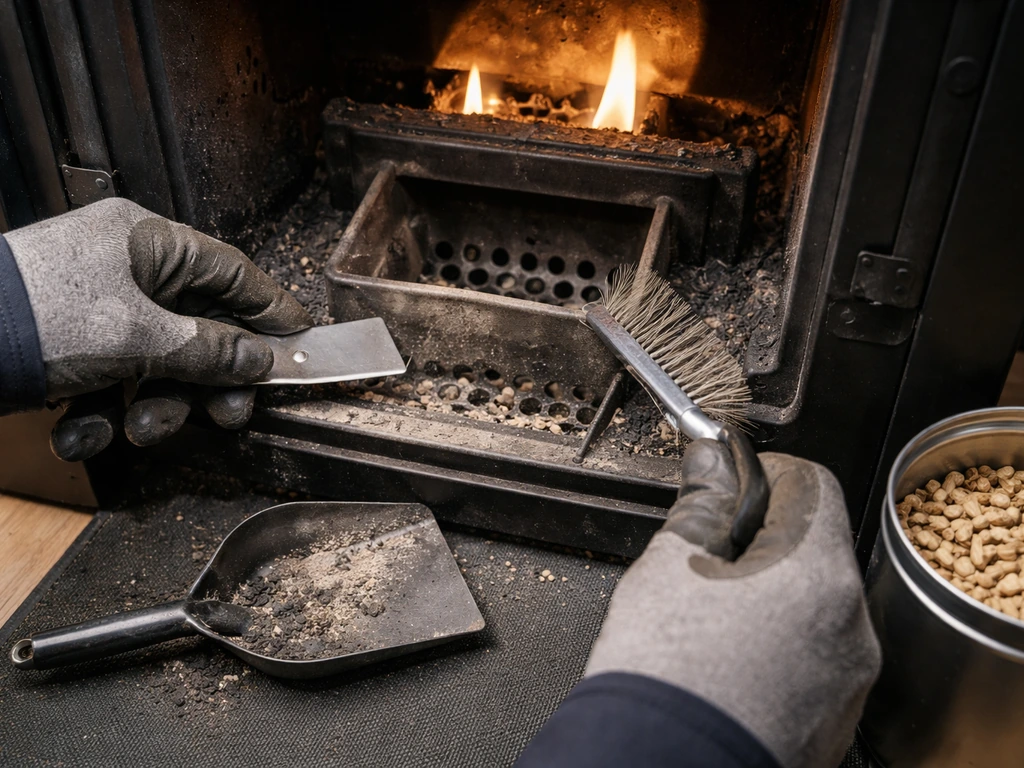
Ash buildup in the burn pot is the most common reason pellet heaters underperform or develop airflow problems. A clogged burn pot restricts air to the fire and results in reduced heat output, excess smoke, and eventually flame-out. Empty the burn pot after every 3 to 5 uses, or whenever ash depth exceeds about half an inch. Use a small metal scoop to transfer ash to a metal container, let it cool completely before disposal, and never place ash in plastic bins or near combustibles. The chimney column should be inspected and brushed out at the start and end of each heating season.
Troubleshooting: ignition failures, smoke, and pellet clogs
| Problem | Likely cause | Fix |
|---|---|---|
| Heater won't ignite | Ash-clogged burn pot, wet pellets, or failed igniter | Clean burn pot, replace pellets with dry batch, test or replace igniter |
| Excessive smoke at startup | Damp pellets or burn pot too full | Use dry, fresh pellets; reduce initial load amount |
| Smoke puffing during burn | Wind disrupting combustion airflow | Reposition heater so flue faces away from wind |
| Flame dies mid-session | Pellet jam in hopper chute or burn pot overflow | Clear the hopper chute, check pellet quality and size consistency |
| Low heat output despite full hopper | Burn pot partially clogged with ash | Empty and clean burn pot; ensure air inlets are unobstructed |
| Unusual odor during burn | Pellets with flavor additives, wet wood, or debris in burn pot | Switch to plain hardwood heating pellets and clean burn pot |
Pellet storage
Pellet quality degrades fast when exposed to moisture. Wet pellets crumble, clog the hopper chute, burn inefficiently, and produce far more smoke than dry ones. Store pellets in a sealed container or original sealed bags in a dry, sheltered location: a garage, shed, or covered storage box works well. Do not store open bags outside. If you live in a humid climate, invest in a pellet storage bucket with a tight-fitting lid. Unused pellets left in the hopper between sessions should be emptied and stored properly rather than left exposed to rain or overnight dew.
Choosing the right size for your patio: climate, layout, and wind
The Muskoka 84" is designed for a medium patio, with a claimed 120 sq. ft. heat radius. In practice, how well it heats your space depends heavily on three things: how enclosed the patio is, how cold your climate gets during the shoulder seasons you plan to use it, and how exposed the space is to wind.
Coverage estimates by patio type
| Patio setup | Effective coverage from Muskoka 84" | Notes |
|---|---|---|
| Covered/pergola patio, mild climate | Up to 120 sq. ft. (brand claim is realistic) | Best-case scenario for this heater |
| Open flat patio, calm conditions | 80 to 100 sq. ft. effective | Heat disperses upward and laterally |
| Open patio with regular wind | 50 to 70 sq. ft. effective | Wind carries heat away quickly |
| Large open patio (200+ sq. ft.) | Insufficient alone | Consider two units or a higher-BTU alternative |
| Small enclosed patio (under 60 sq. ft.) | More than adequate | May be oversized; risk of excess smoke in tight space |
If your patio sits in a climate that drops below 5°C (40°F) regularly in the evenings you want to use it, the Muskoka can handle that range when conditions are calm. Below freezing, pellet heaters become less practical: cold air increases the draft through the chimney, pellet feed can become inconsistent, and startup takes longer. In genuinely cold climates (think Canadian shoulder seasons into November), a propane or natural gas heater will be more reliable for cold-weather performance.
For patios larger than 200 sq. ft. or for layouts with multiple seating zones, a single Muskoka unit is likely to fall short. In those cases, either pair two units or look at higher-BTU propane or natural gas heaters designed for large coverage. The best wood burning patio heaters and best pellet patio heaters comparisons are useful if you want to see how other manufacturers address large-format outdoor heating. When you compare the best wood burning patio heaters, pellet models like the Muskoka should be weighed against log-burning and other fuel types.
Wind: the biggest real-world variable
Wind is the enemy of pellet patio heaters more than any other factor. At even moderate wind speeds (10 to 15 km/h), effective heat coverage can drop by 40% or more as heated air is carried away and combustion in the burn pot becomes turbulent. If your patio is regularly exposed to wind, consider adding a windbreak (a fence panel, privacy screen, or glass railing enclosure) before investing in a pellet heater. Alternatively, electric infrared heaters are significantly less wind-sensitive because radiant infrared heat warms people and surfaces directly rather than relying on warm air staying in place.
Bottom line: is the Muskoka pellet patio heater worth buying?
If you have a covered or semi-enclosed patio in the 100 to 150 sq. ft. range, want longer burn sessions without constant refueling, and enjoy the look and feel of a real wood fire, the Muskoka 84" (model 13831) is a legitimate option at its price point. The 75,000 BTU rating, 20 lb hopper, and up to 5-hour burn time are among the better specs in this product category. The running cost on cheap bulk pellets is competitive with propane for moderate use. For a broader view, see our picks for the best pellet patio heaters and how they compare on output, burn time, and real-world wind performance.
Where it doesn't make sense: open, wind-exposed patios where combustion-based heating loses most of its efficiency; large patios where a single unit won't cover the space; situations where you want instant-on heat with minimal upkeep. For those setups, a propane, natural gas, or infrared heater will outperform it in practical daily use.
Before buying, confirm your patio's approximate square footage, check how sheltered it is from wind, and decide honestly how much maintenance time you're willing to put in per session. If those boxes check out, the Muskoka is a solid, well-sized pellet heater worth putting on your shortlist. For shoppers focused on the best wood pellet patio heater options, it helps to compare coverage, burn time, and real-world wind performance across multiple models pellet heater.
FAQ
Is the 5-hour burn time on the Muskoka pellet patio heater realistic, and what settings usually make it shorter?
It is most achievable at lower-to-medium output, where the feed rate and airflow are calmer. At maximum BTU, expect faster hopper draw and more frequent ash buildup, so both burn time and usable heat duration typically drop compared to the headline number.
Do I need to worry about carbon monoxide with the Muskoka on an outdoor patio?
You still need to treat it like a combustion appliance. Do not run it under a fully enclosed canopy or anywhere the flue outlet can be blocked, and keep overhead clearances adequate so exhaust does not linger near people.
What happens if the unit faces into the wind, and how can I position it to reduce smoke puffing?
Wind pushing toward the burn pot or flue can disrupt draft, causing more smoke, incomplete combustion, or flame instability. A practical improvement is to angle the heater so the chimney opening faces away from prevailing gusts and use a windbreak if your patio is exposed.
How often should I clean the burn pot, and how do I know when it is overdue?
A common maintenance target is after every 3 to 5 uses or when ash depth reaches about half an inch. Signs it is overdue include reduced heat output, increased smoke, and difficulty keeping a steady flame.
Can I use any type of pellet, or do pellet quality differences really matter with this model?
Pellet quality matters a lot. Use dry, hardwood pellets, avoid moisture-exposed bags, and do not mix in random pellet types. Wet pellets can clog the hopper chute and increase smoke, which is one of the fastest ways to get poor performance.
Is it safe to place the Muskoka on a wood deck or a composite deck surface?
It can be possible but requires extra precautions. Use a heat-resistant mat on a level, stable base and keep it well away from deck edges and boards, but the safest setup is still concrete, stone, or brick pavers.
Can I refuel the hopper while it is actively burning?
Refilling while flames are strong is a common mistake. Let the fire reduce to low embers before adding pellets, and never attempt top-ups when the burn pot is actively flaming at full burn.
Why does the heater sometimes flame out, even with pellets in the hopper?
Flame-outs are usually caused by restricted airflow (commonly ash-clogged burn pot) or draft problems (including wind hitting the flue area). Before troubleshooting fuel, check and clean the burn pot and ensure the flue remains unobstructed.
What is a realistic heat coverage area for a 100 to 150 sq. ft. patio in cool shoulder seasons?
The stated coverage is for calm, partially sheltered conditions. In cooler evenings and with any wind, expect meaningfully less effective radius, so you may get best comfort by using it near your seating area and adding a windbreak rather than relying on full claimed coverage.
At what point should I stop considering a pellet heater and switch to propane, natural gas, or infrared?
If your patio is frequently wind-exposed, you regularly run below freezing, or you need instant-on heat with minimal maintenance, pellet performance and convenience often do not match expectations. Infrared is usually the better fit in wind because it warms objects and people directly.
How should I store pellets between sessions to prevent performance problems?
Store pellets sealed in a dry, sheltered place, keep open bags from absorbing humidity, and avoid leaving pellets in the hopper exposed to dew or rain. In humid climates, a tight-lid pellet storage bucket helps prevent swelling and clogs.
Is buying pellets in bulk actually cost-effective, and what should I watch for?
It can be, especially when you can keep pellets dry and avoid spoilage. The biggest risk is moisture damage during storage, which turns a low cost per pound into higher waste and maintenance from clogs and excessive smoke.
Next Articles
Pellet Patio Heater Reviews: Best Models, Specs, Pros/Cons
Compare top wood pellet patio heaters with specs, pros/cons, fuel costs, safety, and who each model fits best
Best Wood Pellet Patio Heater Guide: Choose, Install, Maintain
Find the best wood pellet patio heater with BTU sizing, wind and cold performance, setup steps, safety, and upkeep tips.
Best Pellet Patio Heaters: Buyer Guide, Picks by Size
Compare pellet patio heater types, key specs, top picks by patio size, plus setup, safety, maintenance and running costs