
The best Thermacell for a patio depends almost entirely on your square footage and whether you want a fuel-powered or rechargeable unit. For most standard patios up to about 225 square feet, the Thermacell Patio Shield (fuel-powered, 15x15 ft zone) is the go-to pick. If you want a larger, more consistent 20-foot zone without buying butane cartridges, the E55 rechargeable repeller is the upgrade worth spending extra on. And if you have a large outdoor space or an open backyard, stacking two units is often more effective than chasing a single "premium" model. Here's how to match the right device to your setup.
Best Thermacell for Patio: Buying Guide by Patio Size

Caleb Vale
14 Jun 2026
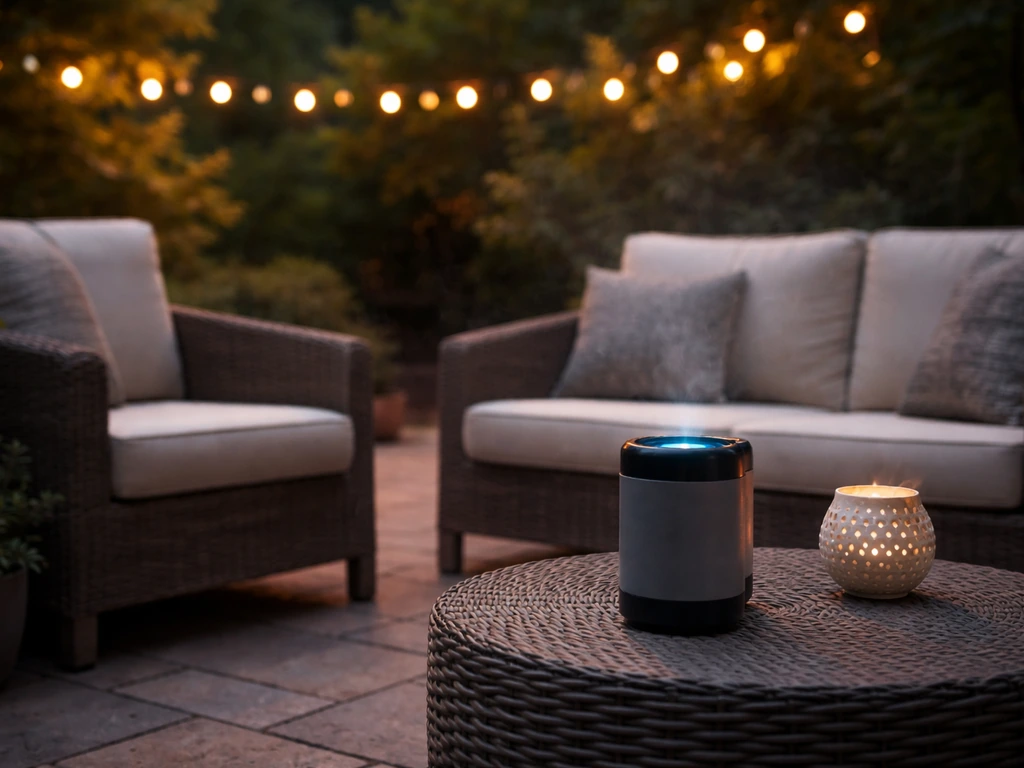
What a Thermacell actually does (and why it's not a patio heater)
This is worth getting straight before you buy: Thermacell devices are mosquito repellent systems, not patio heaters. They won't warm you on a cool evening. If you're looking for radiant or convective heat for your patio, that's a different category entirely. Thermacell solves a completely different outdoor comfort problem: biting insects. If you’re wondering does Thermacell patio shield work on gnats, the same repellent zone concept applies, but results can vary depending on air movement and gnat behavior biting insects.
The way they work is simple but clever. A heat source (either a butane-style fuel cartridge or a rechargeable battery) warms a small treated mat. That mat releases a low, continuous dose of repellent into the air, building up an invisible protection zone around the device.
Thermacell describes its zone repellent technology as a heat-activated system that disperses repellent into the air to create an invisible protection zone intended to keep mosquitoes away around patios and backyards invisible protection zone around the device. Thermacell calls this their ActiveShield zone repellent technology.
You're not spraying anything on your skin. You're essentially creating a repellent atmosphere in the air around your sitting area. It takes about 15 minutes to reach full effectiveness, so turn it on before guests arrive, not after the mosquitoes show up.
The active ingredient is metofluthrin (in the rechargeable/zone line) or allethrin (in the traditional fuel-powered line). Both are EPA-registered spatial repellents. Research on metofluthrin confirms meaningful reductions in mosquito landing rates within the protected zone under the right conditions, which brings us to the most important variable: wind. More on that shortly.
One quick note for context: if you're also thinking about whether your patio heater helps with bugs, the short answer is not really. If you are trying to solve a bug problem, a patio heater bug zapper like a Thermacell is designed to reduce insects rather than provide warmth. Patio heaters warm people and air, which is a fundamentally different mechanism from releasing a repellent compound. A Thermacell device is the right tool for insect control, and it works well alongside a patio heater rather than instead of one.
Choose by patio size: coverage, placement, and number of units
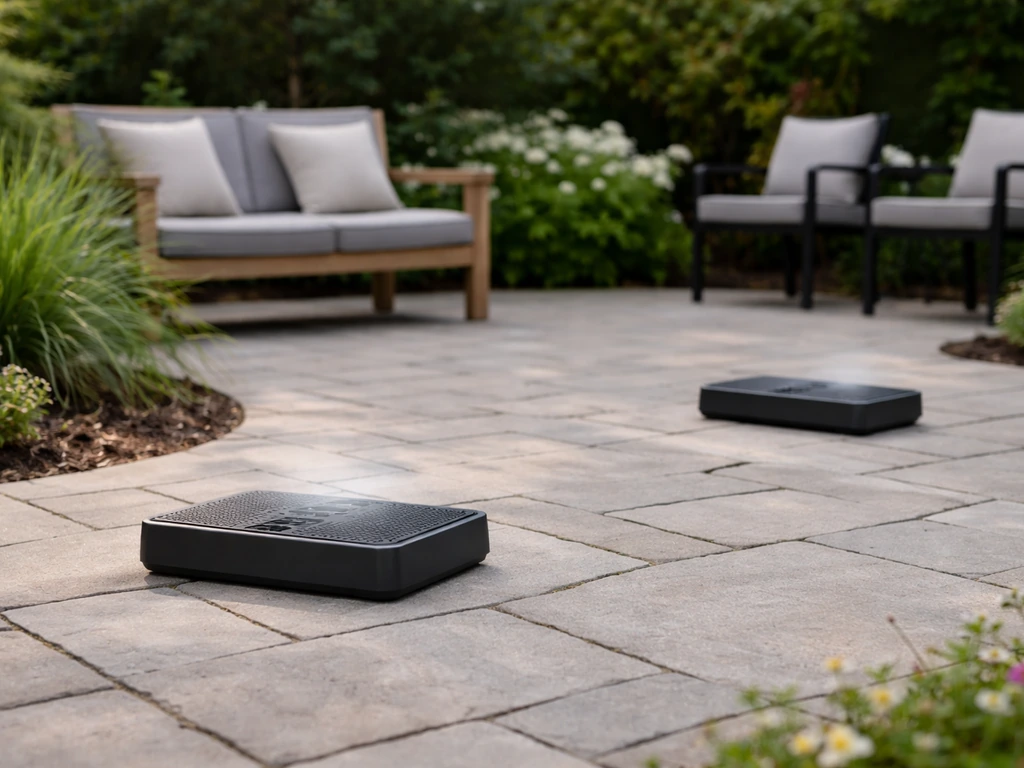
Coverage claims are the first thing most buyers look at, and they deserve some honest context. Thermacell's fuel-powered Patio Shield line (butane cartridge + mat system) is rated for a 15x15 foot mosquito protection zone, which works out to 225 square feet. Their rechargeable E-series (like the E55) and the LIV smart system are rated for a 20-foot zone, which is a 10-foot radius in any direction from the device, covering roughly 314 square feet in ideal conditions.
In practice, those are best-case numbers in calm air. On a real patio with any breeze, the effective zone shrinks. That's not a knock on Thermacell, it's just the physics of how airborne repellent dispersal works. So when planning for your space, I'd suggest treating the coverage figures as a ceiling, not a guarantee. Here's a simple framework:
| Patio Size | Recommended Setup | Expected Real-World Coverage |
|---|---|---|
| Small (under 150 sq ft) | 1x Patio Shield fuel-powered unit | Solid in calm air, good with unit centered on table |
| Medium (150–250 sq ft) | 1x E55 rechargeable or 1x Patio Shield | Reliable with strategic placement, use upwind positioning |
| Large (250–400 sq ft) | 2x Patio Shield units or 1x LIV system | Layer zones for overlap; windbreaks help significantly |
| Open backyard (400+ sq ft) | 2+ units placed strategically | Manage expectations; focus on seating zone, not full yard |
Placement matters as much as the number of units. For a single device, center it near the seating area rather than at the edge of the patio. For two units, stagger them so their zones overlap in the middle where people actually sit. Height doesn't vary much since all Patio Shield-family devices are designed to sit on a flat surface at table or ground level, but keeping them at table height rather than on the ground tends to disperse the repellent at the right elevation for seated adults.
Key specs that actually determine performance
Runtime per mat and per cartridge
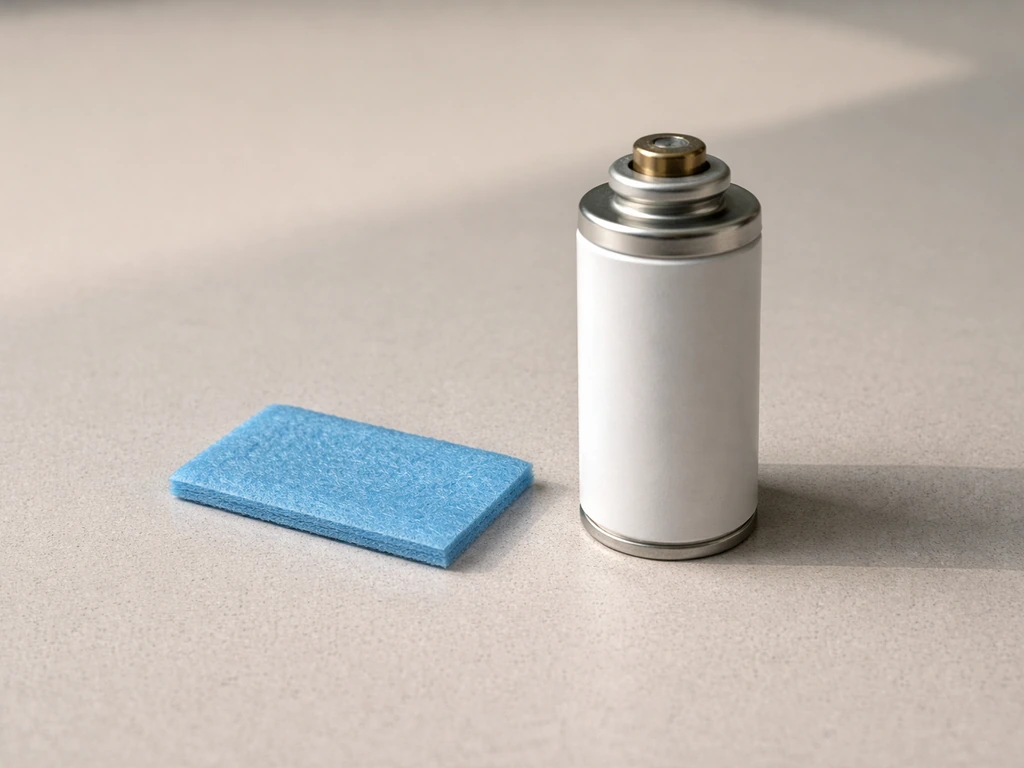
Each repellent mat lasts four hours. That's the block of time you get from one mat before it's used up. The butane cartridge that heats the mat lasts longer: up to 12 hours, so roughly three mats per cartridge. A standard Patio Shield starter kit usually ships with one cartridge and a few mats. The E55 rechargeable uses a refill cartridge (not butane) that comes in 12-hour versions. One thing to know from Thermacell's own guidance: once a mat hits its four-hour limit, it no longer provides reliable protection even if it still looks or feels like something is in it. Swap it out on schedule.
Cost per hour
Refill packs (mats plus cartridges) typically run around $8 to $15 for a value pack covering 48 hours of mat time and 4 cartridges. That works out to roughly $0.15 to $0.30 per hour of protection, which is cheap compared to most outdoor comfort products. The rechargeable E55 has a higher upfront cost (around $50 to $70 for the device) but lower ongoing costs since you're only replacing the repellent cartridge, not butane. Over a full summer, the rechargeable route can be more economical if you use it frequently.
Refill compatibility: the most overlooked spec
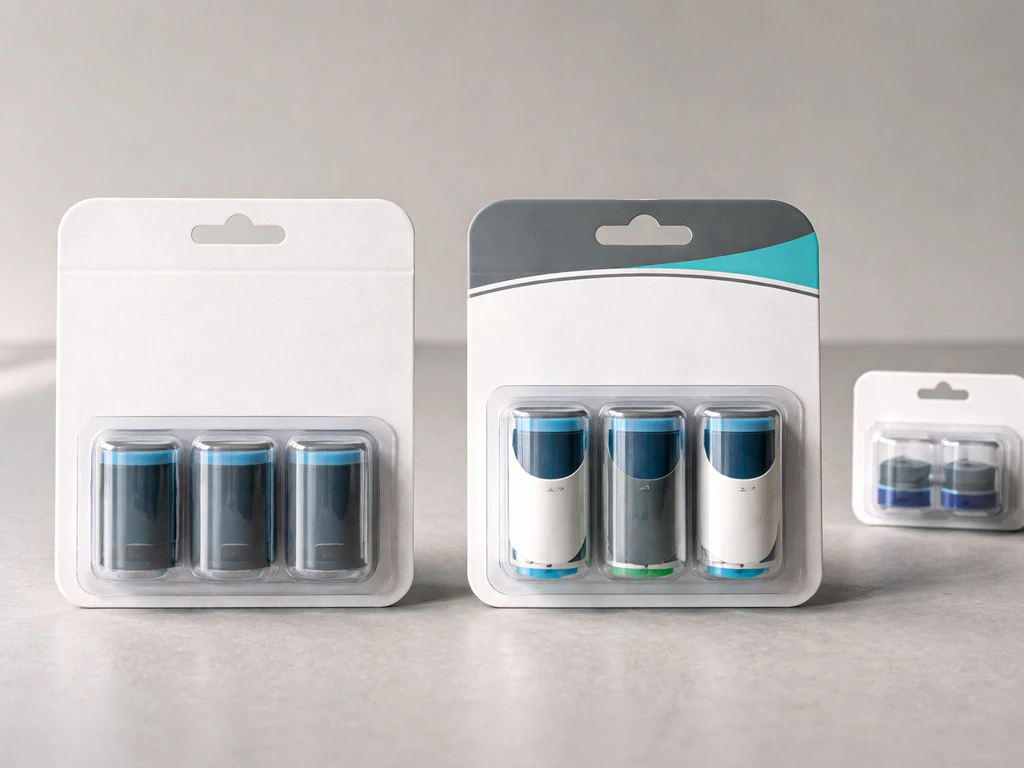
This is where buyers run into trouble. Thermacell's refill systems are not universally cross-compatible. The LIV smart system only works with LIV Smart Mosquito Repellent Refills. The Multi-Insect Repellent refills (which cover black flies and no-see-ums in addition to mosquitoes) are compatible with all fuel-powered Thermacell devices except the Backpacker model. And here's a firm warning: using off-brand or generic butane cartridges in a fuel-powered Thermacell voids the warranty, creates safety concerns, and can cause device failure. Stick to Thermacell-branded fuel. Check the compatibility list on the box or the Thermacell website before you stock up.
Best Thermacell models by use case
Small table or apartment balcony: Thermacell Patio Shield Base Repeller
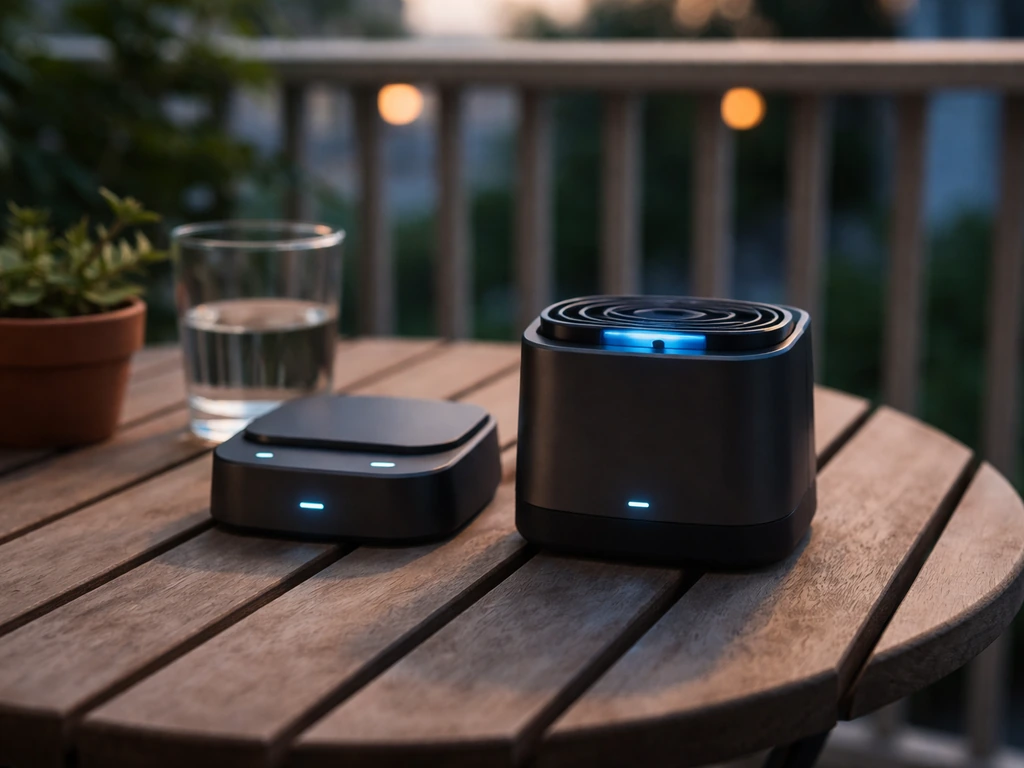
If your patio is compact (think a small bistro table, an apartment balcony, or a screened porch entrance area), the Patio Shield Base Repeller is the right tool. It's low-profile, sits flat on a table or surface, runs on a butane cartridge, and covers a 15x15 ft zone. It's quiet, produces no visible output, and has no scent. For tight spaces where you're sitting within arm's reach, this delivers everything you need for around $30 to $35. The trade-off is ongoing butane refill costs and the fact that you need to pre-plan mat replacements every four hours.
Medium patio (150–300 sq ft): Thermacell E55 Rechargeable Repeller
For a mid-size deck or patio where you entertain regularly, the E55 is the upgrade that makes the most sense. It's battery-powered (no butane cartridge), covers a 20-foot zone, and comes with a 5.5-hour runtime per charge plus a 12-hour refill cartridge in the starter pack. The push-button activation is genuinely convenient, and the larger zone gives you more flexibility with placement. Expect to pay $50 to $70 for the device. The main downside is that you need to remember to charge it, and if you forget, there's no quick butane swap to bail you out.
Larger patio or backyard seating area: Two Patio Shield units or the LIV system
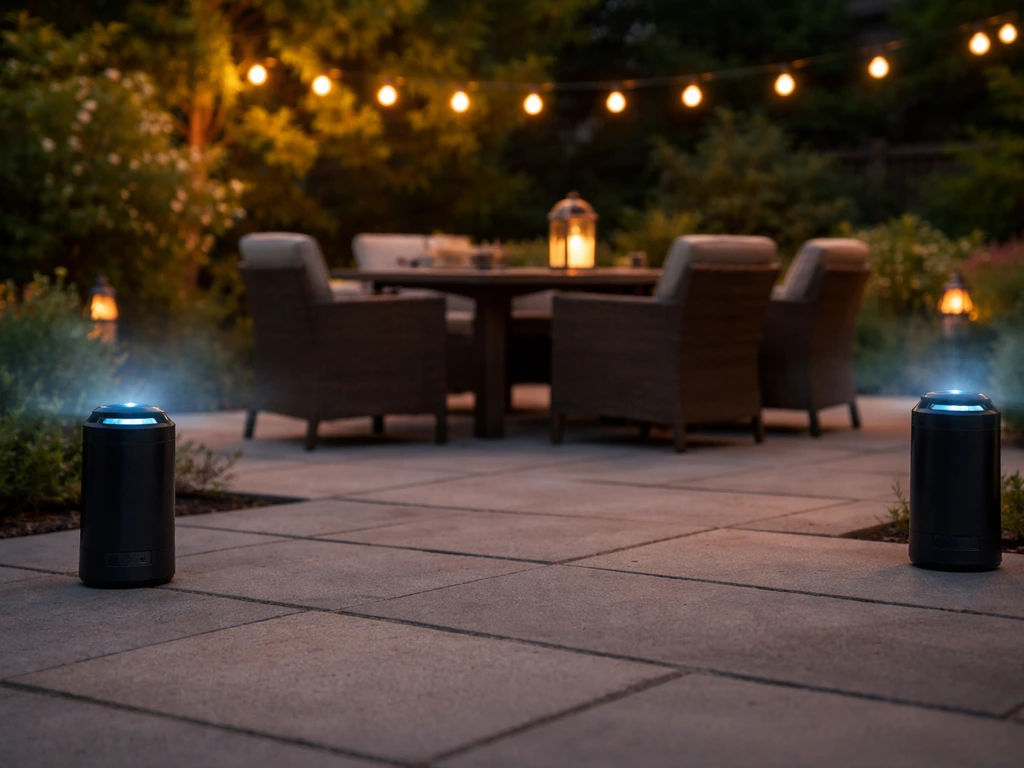
For spaces over 300 square feet or L-shaped/irregular patios where a single zone can't cover the full seating layout, two Patio Shield units placed to overlap their zones is often more cost-effective than any single high-end model. Position them so their 15-foot zones meet in the center of where people sit. The Thermacell LIV is a smart-home-integrated system that supports multiple repellers working together and is a cleaner solution if you want something more permanent and app-controlled, but it's a bigger investment. For most homeowners, two standard Patio Shield units will get the job done.
| Model | Power Source | Coverage Zone | Runtime Per Session | Best For | Approx. Price |
|---|---|---|---|---|---|
| Patio Shield Base Repeller | Butane cartridge | 15x15 ft (225 sq ft) | 4 hrs per mat / 12 hrs per cartridge | Small patios, balconies, table use | $30–$35 |
| E55 Rechargeable Repeller | Rechargeable battery | 20 ft zone (314 sq ft) | 5.5 hrs per charge | Medium decks, regular entertainers | $50–$70 |
| LIV Smart Repeller System | Electric (plug-in) | 20 ft zone per unit | Continuous when plugged in | Permanent large patio setups | $100+ |
| 2x Patio Shield Units | Butane cartridge | Overlapping 15x15 ft zones | 4 hrs per mat per unit | Large or irregular patio layouts | $60–$70 pair |
Wind, weather, and getting real results outside
Wind is the number one enemy of any spatial repellent, Thermacell included. The device creates a protection zone by building up repellent concentration in the surrounding air. Wind disperses that concentration, shrinking or destabilizing the zone. On a gusty day, your effective coverage may drop to a fraction of the rated area. This isn't a flaw unique to Thermacell. It's the underlying physics of how airborne repellent works, and peer-reviewed research on metofluthrin spatial repellents confirms that wind velocity directly affects concentration distribution in the treated air space.
Thermacell's own guidance gives you the most practical fix: place the unit upwind of your seating area. That way, the repellent plume gets carried into the zone where people are sitting rather than away from it. If wind direction shifts (as it often does), you'll want to move the unit accordingly. In persistently windy conditions, use natural or built windbreaks like a fence, hedge, pergola wall, or even a pop-up wind panel. Placing two units can also compensate by keeping repellent concentration more consistent even when one plume drifts.
Temperature also matters slightly: the device heats up faster on a warm day, and cold evenings can slow the initial build-up phase. Always give the unit at least 15 minutes before expecting full protection. Rain doesn't help either since it can dilute or disrupt the repellent zone. For best results, use Thermacell on calm, dry evenings, which conveniently is exactly when mosquitoes are most active anyway.
There's one more environmental factor worth knowing: altitude. Thermacell's fuel-powered products have a maximum altitude rating of 4,000 feet. If your patio is in the mountains, the fuel cartridge performance can degrade above that threshold. The rechargeable E55 doesn't have this limitation, which makes it the better pick for high-elevation patios.
Safety, pets, kids, and proper setup
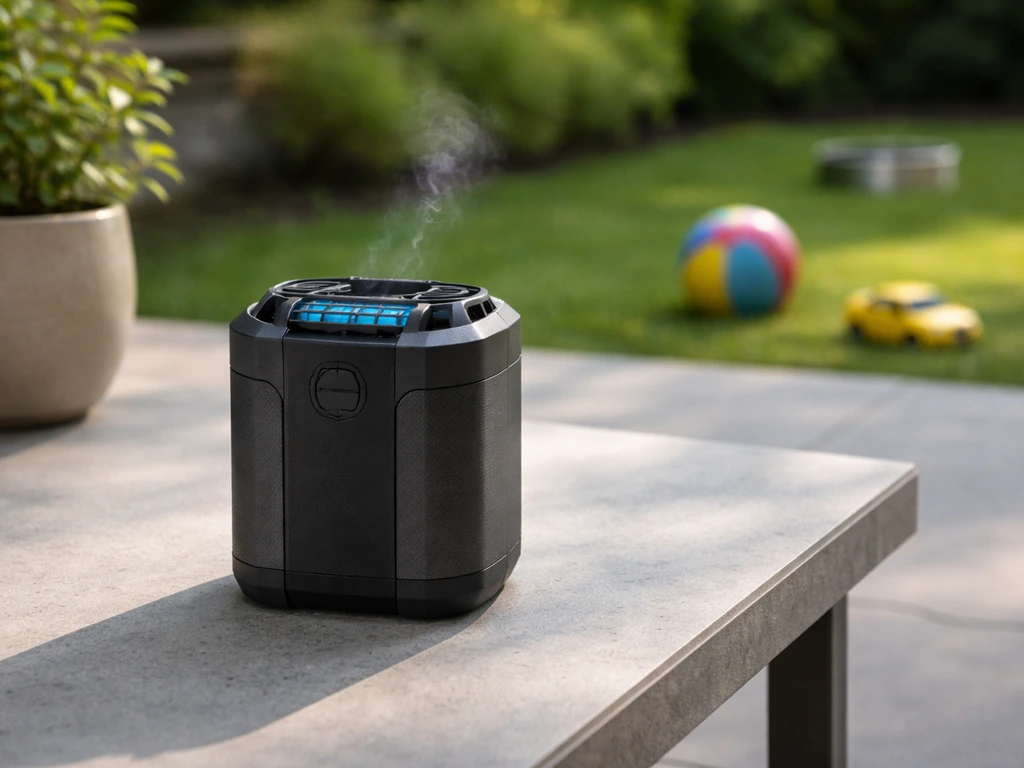
Thermacell devices are strictly for outdoor use only. This is not a suggestion: using them in enclosed or indoor spaces creates inhalation risks from the concentrated repellent. Even on a patio with a roof, you need open-air ventilation on at least two or three sides. A fully enclosed screened porch with no airflow is not the right environment. The 'outdoors only' restriction is written into the EPA label language for all Thermacell fuel-powered products, and it's there for good reason.
The fuel-powered units have a hot surface on the cartridge grill while operating. Both EPA labeling and Health Canada documentation flag this explicitly: the grill gets hot within a few minutes of activation, and touching it can cause burns. Keep the device away from the edge of tables where it can be knocked over by kids or pets, and never leave it running unattended. Place it somewhere stable and flat. The device should never be used near flammable materials.
For households with dogs or cats, the safety question comes up a lot. If you are wondering, “is Thermacell Patio Shield safe for dogs,” the answer depends mostly on keeping it outdoors with good ventilation and using proper placement. The repellent used in Thermacell mats is dispersed at low concentrations designed for an open outdoor environment. The key is that the device is outdoors with ventilation, not enclosed with your pet.
Positioning the unit on a table or elevated surface rather than on the ground reduces the chance that a curious dog sniffs directly at the active mat. If you have a pet that tends to investigate anything on a low surface, the table-mount positioning of the Patio Shield Base works better than a floor-level unit. For more detailed guidance on Thermacell and pet safety, that's worth looking into separately since it's a nuanced topic on its own.
The repellent mats also have a practical safety note: they're used up at four hours and should be disposed of after that, not left in the device. A spent mat doesn't provide protection and can cause the device to run unnecessarily.
What to check before you order
Before you click buy, run through this checklist. It will save you a frustrating trip back to the store or a delayed setup when a package arrives incomplete.
- Measure your patio seating area (length x width in feet) so you know whether one unit or two is the right call for your space.
- Decide: fuel-powered or rechargeable. Fuel-powered is cheaper upfront and never needs charging; rechargeable is more convenient long-term and has a slightly larger zone.
- Check what's included in the box. Most Patio Shield starter kits include one butane cartridge and a few mats. The E55 includes a 12-hour refill cartridge. Know what you're getting so you can order extra refills before your first session.
- Confirm refill compatibility before stocking up. Multi-Insect Refills work with all fuel-powered devices except the Backpacker. LIV refills only work with LIV units. Don't assume cross-compatibility.
- Only use Thermacell-branded butane cartridges in fuel-powered devices. Generic butane voids the warranty and creates safety risks.
- Consider whether you want standard mosquito-only mats or Multi-Insect Refills. If you have gnats, black flies, or no-see-ums in addition to mosquitoes, the Multi-Insect version covers a 10-foot zone for those insects alongside the 15-foot mosquito zone.
- If your patio is above 4,000 feet elevation, choose the E55 rechargeable instead of a fuel-powered model.
- Plan where you'll place it: a flat, stable surface, upwind of seating, away from kids and pets. If your patio is consistently windy, think about windbreak options before you set up.
- Buy at least one extra set of mats and a spare cartridge at the same time as the device. Running out during a dinner party is the most common complaint from first-time users.
One last practical note: Thermacell works best as part of a broader outdoor comfort setup. It handles the insect problem well under the right conditions. Your patio heater handles the temperature. Between the two, you cover the two biggest reasons people retreat indoors: cold and bugs. Getting both dialed in is what actually makes a patio usable for most of the evening, not just the first 20 minutes.
FAQ
How long before guests arrive should I turn on the Thermacell for it to actually work?
Give it at least 15 minutes, and if it is cooler or breezier than usual, start earlier. The protection zone builds gradually as the mat warms and the repellent disperses.
What should I do if mosquitoes are still biting even though my patio is within the rated coverage?
First check wind and placement, move the device upwind of your seating. If airflow shifts, rotate or reposition during the evening, and consider overlapping two units so people sit inside the combined treated areas.
Do I need one Thermacell per person, or is there a better spacing strategy?
You do not need one per person, you need coverage where people sit. For groups, center one unit on the seating area, for larger layouts use two units with overlapping zones, and place them so the overlap falls on where everyone congregates, not at the perimeter.
Can I use a Thermacell under a covered patio or pergola?
You can use it under a roof if there is real cross ventilation, ideally open sides on at least two or three directions. If the space is mostly enclosed, treat it as an indoor environment and avoid using it.
Will rain or damp weather make a Thermacell stop working?
Rain can reduce effectiveness by diluting or disrupting the treated air zone, and wet conditions can also affect how the device disperses. Use it on dry evenings when possible, and if it starts raining, expect reduced protection rather than guaranteed coverage.
Is it safe to run Thermacell while people are walking around near it?
Yes, as long as pets and kids cannot knock it over and you keep it stable. Fuel-powered models also have a hot cartridge grill, so keep the unit away from edges and do not handle the grill area while it is operating.
How often should I replace the repellent mat, and what if it still looks usable?
Replace the mat on a strict 4-hour schedule, even if it looks like it still contains material. After the timed limit, protection becomes unreliable and the device should not be continued for “leftover” time.
Can I swap mats between fuel-powered and rechargeable models?
No, the refill components are designed for specific systems. Fuel-powered devices use their compatible mat and butane cartridge setup, while rechargeable models use refill cartridges intended for that platform, mixing can cause poor performance or compatibility issues.
What’s the deal with black flies, no-see-ums, and “multi-insect” refills?
Multi-insect refills can broaden coverage beyond mosquitoes, but only if your device model accepts those refill types. Confirm compatibility for your exact Thermacell line before buying a multi-insect value pack.
Do I need to use Thermacell-branded butane cartridges only?
For fuel-powered units, yes. Using off-brand or generic cartridges can create safety concerns, can lead to device failure, and can void the warranty. Stick to Thermacell-labeled fuel for the cartridge system you own.
What’s the safest way to position the device for a tabletop setup?
Aim for a stable, elevated placement, keeping it away from table edges. Table height helps disperse repellent at the level where seated adults need protection, and it reduces the chance a curious pet reaches the mat directly.
Is there a reason my Thermacell seems less effective at higher elevation?
Fuel-powered models have a maximum altitude rating around 4,000 feet, above which performance can degrade. If you are at higher elevation, a rechargeable model is often the better choice because it does not carry the same altitude limitation.
Can I use Thermacell on a balcony, or is it meant only for open yards?
A balcony can work well if it is outdoors with airflow and not tightly enclosed. If the space is very small, choose a low-profile unit designed for compact zones, and be extra careful about wind direction so the treated air reaches your seating area.
What if I want to use a patio heater and Thermacell together?
Yes, they solve different problems and can be used in parallel. Just remember that the heater does not improve insect control, so keep Thermacell upwind and follow the timing, especially the 15-minute warm-up for the repellent zone.
Next Articles
Best Price on Outdoor Patio Heaters: Compare Costs & Deals
Score the best price on outdoor patio heaters, price ranges, top picks, deal tactics, total-cost & safety checklist.
Where Can I Rent Patio Heaters Near Me Today
Find where to rent patio heaters near you today, choose the right fuel type, compare costs, and book safely.
Where to Buy a Patio Heater: Best Places and Types
Where to buy a patio heater now, plus electric vs gas vs propane tips, safety checks, and size/BTU buying checklist.