
The best patio smoker for most people right now is a mid-range pellet grill like the Camp Chef Woodwind Pro 24 or Weber Searwood 600. If you're aiming for the best patio bbq grill overall, a mid-range pellet model like the ones discussed here usually hits the sweet spot for flavor and convenience pellet grill. Both give you reliable temperature control, real smoke flavor, and a patio-friendly footprint without requiring constant babysitting. If you want maximum capacity and app control, the Traeger Timberline 1300 is hard to beat. If you want the simplest possible setup with zero fuel hassle, the Masterbuilt 30-inch Digital Electric Smoker is the easiest entry point. Which one you should actually buy depends on your patio size, climate, how often you cook, and how much you want to spend on fuel each year.
Best Patio Smoker Buying Guide: How to Choose and Use One
Quick Picks: Best Patio Smoker by Use Case
| Use Case | Best Pick | Why It Wins |
|---|---|---|
| Best overall pellet smoker | Weber Searwood 600 | Ready in under 15 minutes, app control, standard 9 kg pellet bag fits the side hopper, sears up to 600°F |
| Best high-capacity | Traeger Timberline 1300 | 1,300 sq. in. total cooking space, 24 lb hopper, WiFIRE app control, handles large cooks |
| Best mid-range workhorse | Camp Chef Woodwind Pro 24 | 811 sq. in. rack area, integrated grease collection, handles grilling and cold smoking, 152 lb so it's movable |
| Best for beginners / renters | Masterbuilt 30-in. Digital Electric | 710 sq. in., digital controls to 275°F, no propane or pellets to manage, side woodchip loader keeps smoke in |
| Best compact patio setup | Camp Chef Woodwind Pro 24 | 50"W x 26"D footprint works on smaller decks, lighter than most pellet grills at this capacity level |
Choose Your Smoker Type First
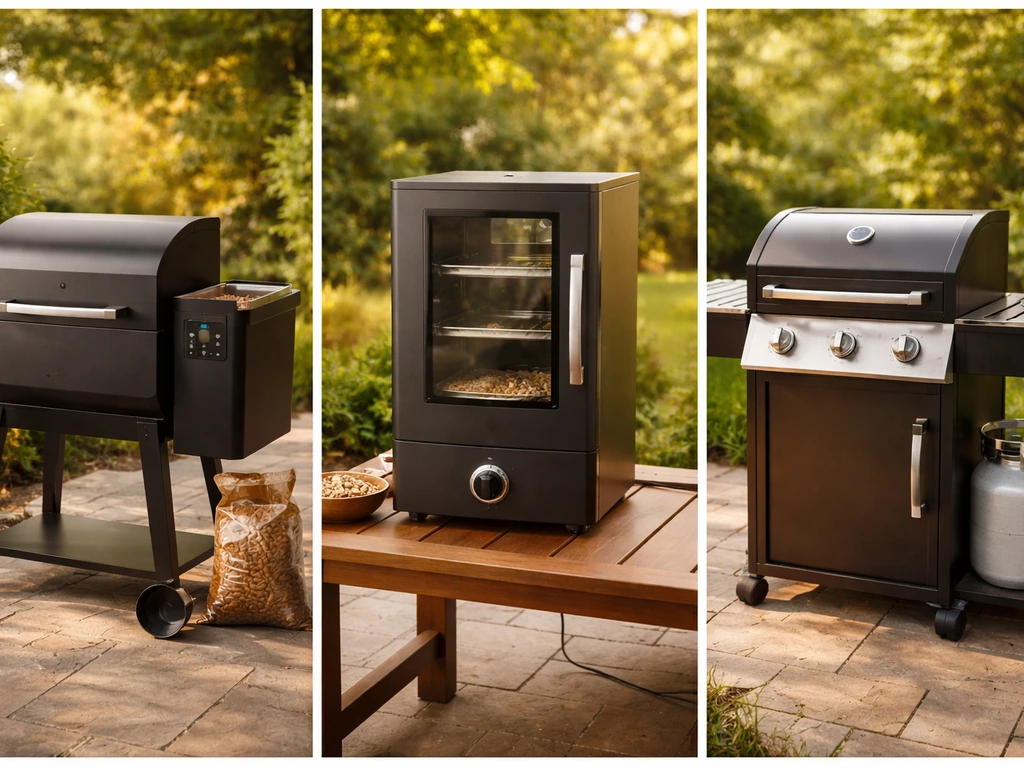
The fuel type shapes everything: startup time, smoke flavor intensity, temperature ceiling, cleanup, and what your patio actually needs to accommodate the unit safely. There are four main categories worth comparing for patio use.
Pellet Smokers
Pellet grills are the dominant choice on patios right now, and for good reason. They run on compressed wood pellets fed automatically from a hopper into a firepot, so you set a temperature and the PID controller holds it there. The Weber Searwood 600's Rapid React PID hits smoking, roasting, and searing temps in 15 minutes or less. Temperature range typically spans 180°F to 600°F, which means you can cold-smoke cheese at one end and sear a steak at the other. Smoke flavor is milder than offset or charcoal, which some people love and some find disappointing. Pellets cost roughly $1 to $2 per pound, and a full cook burns through 1 to 2 lb per hour depending on temp and weather.
Electric Smokers
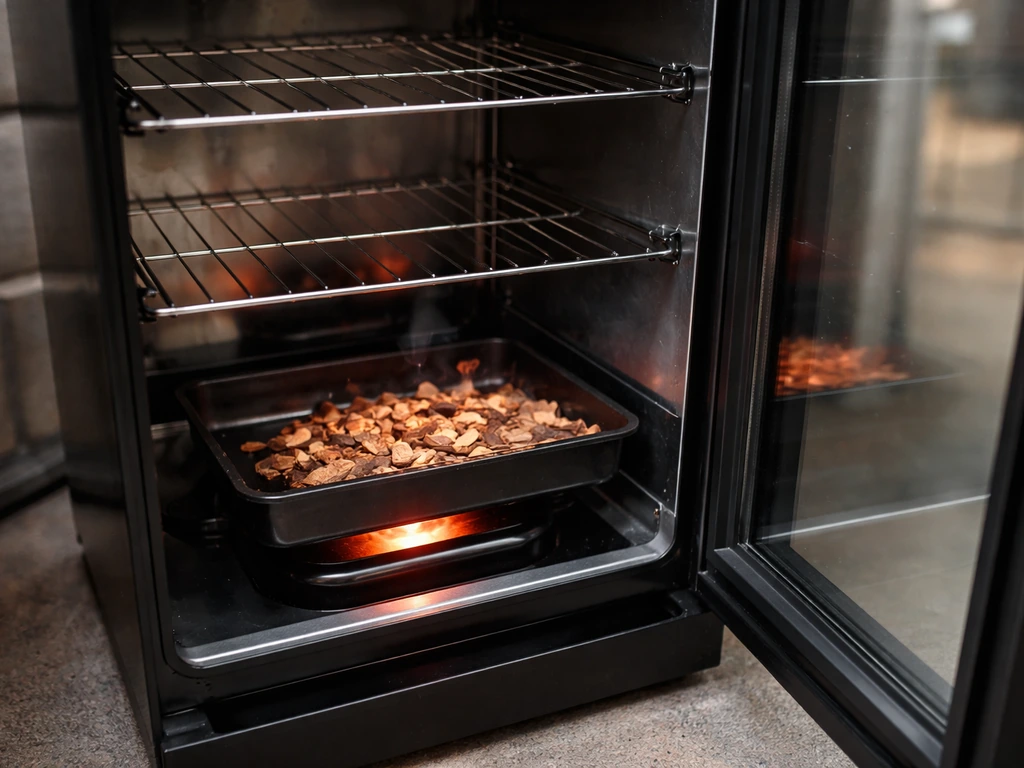
Electric smokers like the Masterbuilt 30-inch are the most beginner-friendly option on a patio. You plug them in, set the digital controller (max 275°F on the Masterbuilt), add wood chips through the side loader without opening the door, and walk away. There's no flame, no propane tank, and no pellet hopper to refill mid-cook. The trade-off is that 275°F is a hard ceiling, so you can't sear, and smoke output is lower than pellet or offset units. They also need a covered patio or some shelter because they're not rated to handle heavy rain. Running cost is low since electricity is cheap, but you do need a 120V outlet nearby.
Propane and Natural Gas Smokers
Propane smokers give you consistent, fast heat with simple controls. They're reliable in cold weather, which is a real advantage over pellet grills (more on that in the climate section below). You add wood chips or chunks to a tray or box for smoke flavor, but managing that manually takes more attention than a pellet auger system. Natural gas models require a fixed line, which makes them a permanent patio install. Propane tanks are portable but need proper outdoor storage away from the heat source. If you're comparing propane smokers to propane grills, keep in mind that smokers run at lower temps for longer periods, which means more fuel consumed per cook session.
Offset-Style and Charcoal Smokers
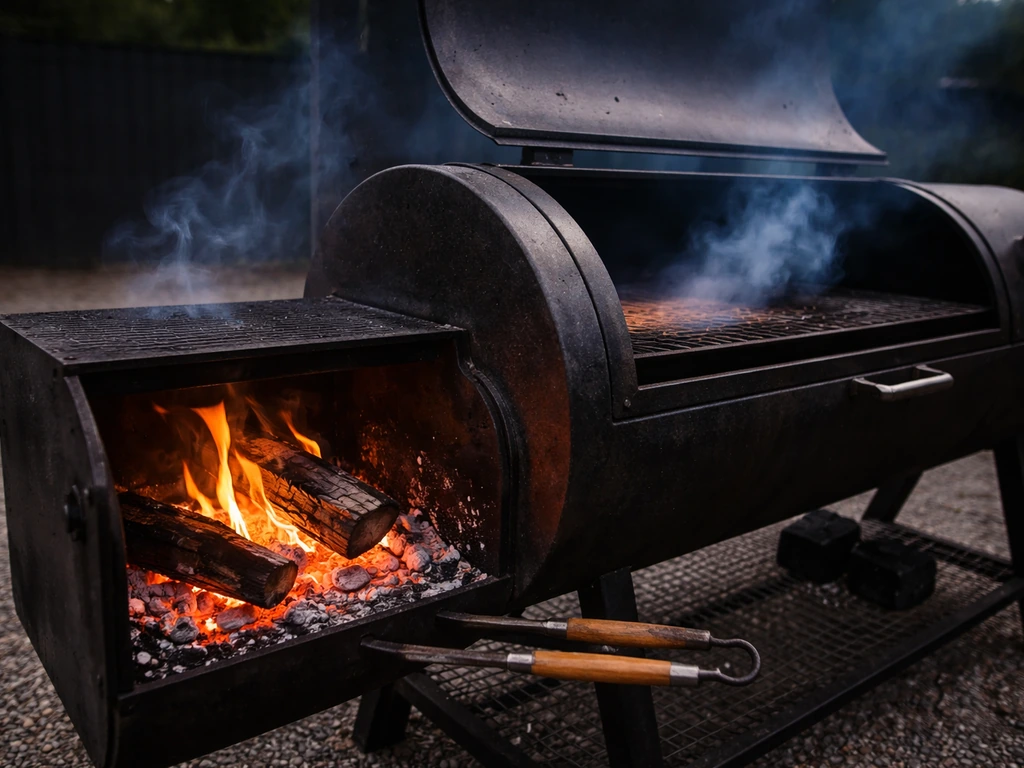
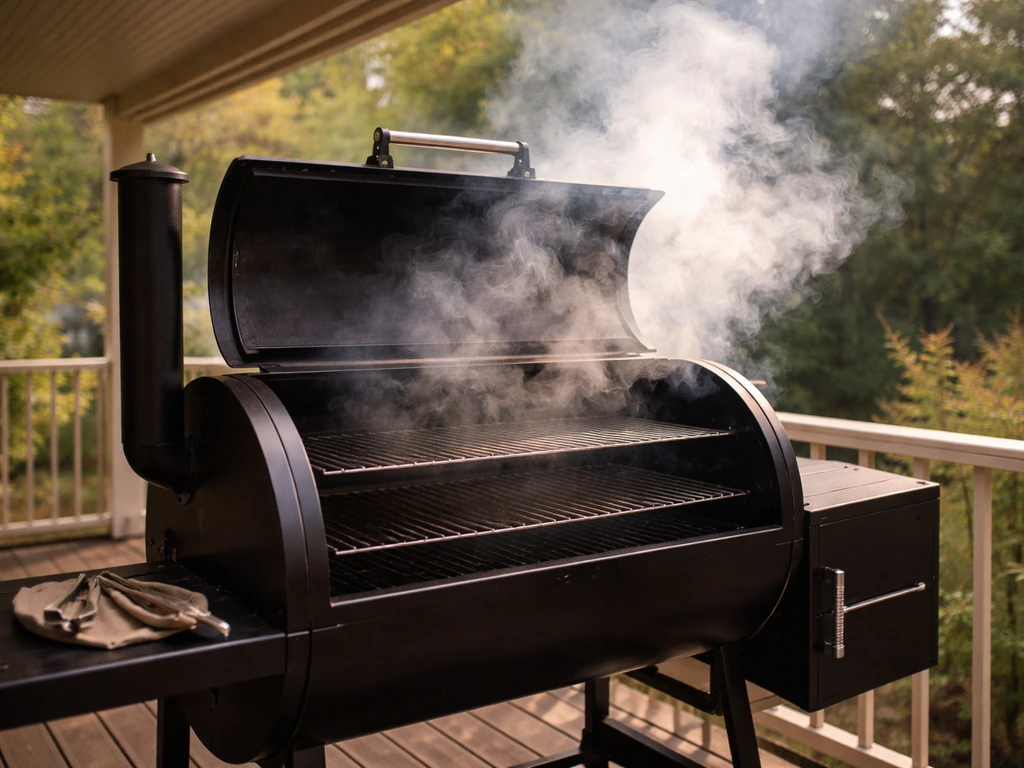
Offset smokers produce the most intense smoke flavor and are the gold standard for competition-style BBQ. But they demand more hands-on management: you're feeding wood or charcoal, monitoring two temperature zones, and adjusting airflow manually every 30 to 60 minutes. On a patio, that's manageable if you enjoy the process. The footprint is also larger. Offset-style units aren't plug-and-play, and they're not the right call if you want to throw on a brisket and watch a game. If you're drawn to that traditional approach, it's worth looking at dedicated options like the Good-One Smoker Patio Jr, which is designed specifically for compact patio use. The Outlaw Patio Smoker is another offset-adjacent option worth reading a full review on if you want that category.
| Type | Temp Range | Smoke Flavor | Startup Time | Patio Footprint | Skill Level |
|---|---|---|---|---|---|
| Pellet | 180°F – 600°F | Mild to moderate | 15 min or less | Medium | Beginner-friendly |
| Electric | Up to 275°F | Mild | 20–30 min | Small | Easiest |
| Propane/Gas | Up to 350–400°F | Moderate (with chips) | 10–15 min | Small to medium | Easy |
| Offset/Charcoal | 200°F – 350°F+ (variable) | Strong | 30–45 min | Large | Intermediate-Advanced |
What to Actually Look At When You're Shopping
Cooking Capacity
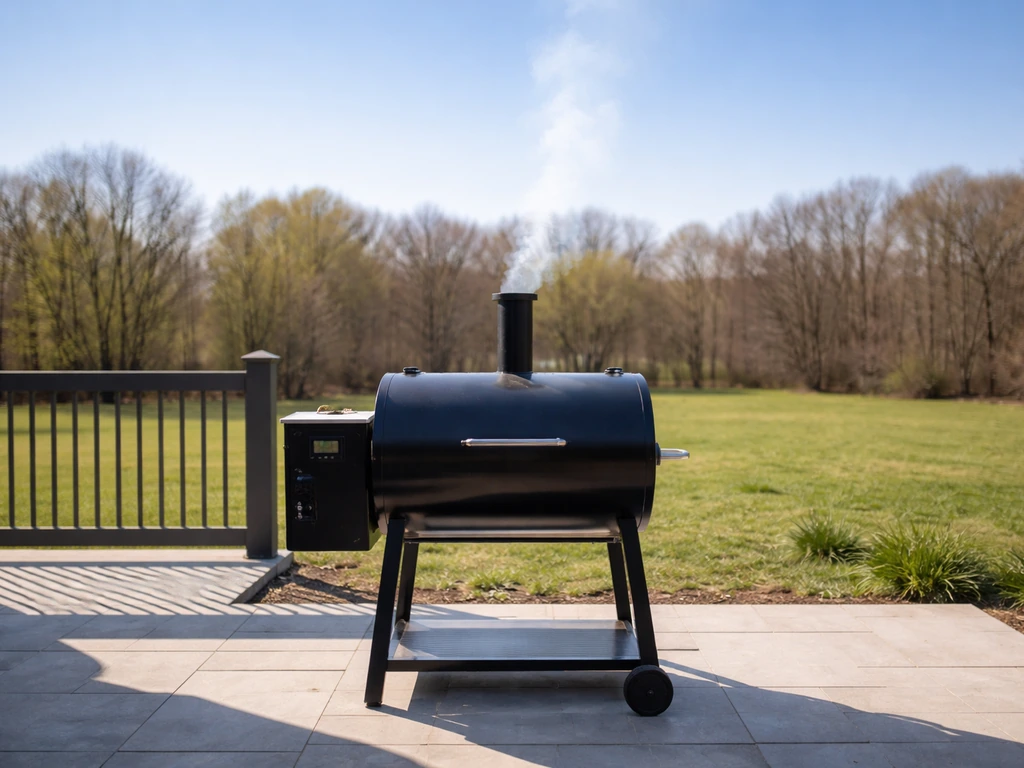
Cooking area is usually listed in square inches. For context: the Masterbuilt 30-inch gives you 710 sq. in., the Camp Chef Woodwind Pro 24 gives you 811 sq. in., and the Traeger Timberline 1300 gives you 1,300 sq. in. total across multiple racks (with 561 sq. in. on the main grate). If you're cooking for 4 to 6 people regularly, 700 to 900 sq. in. is plenty. If you're doing big family gatherings or whole packers and pork shoulders at the same time, you want 1,000 sq. in. or more. Don't chase capacity you won't use. Bigger units take longer to heat up, burn more fuel, and take up more patio space.
Temperature Control and Consistency
PID controllers (used in most modern pellet grills) hold temperature within a few degrees of your set point. The Weber Searwood 600 uses its Rapid React PID to hit target temps fast and maintain them. App-connected models like the Traeger Timberline 1300 (via the Traeger app with WiFIRE) and the Weber Searwood 600 (via Weber Connect) let you monitor and adjust from your phone without walking back outside. That's genuinely useful during a long smoke. Electric smokers with digital controls are similarly hands-off but cap out at lower temps. The less consistent the temperature control, the more you'll need to babysit the cook.
Build Quality and Weather Resistance
Patio smokers live outdoors, so build quality matters more here than in a garage setup. Look for powder-coated steel or stainless components, gasketed lids to hold smoke and heat, and sturdy casters that lock in place. The Traeger Timberline 1300 weighs 285 lb with its 34-inch barrel, which means it's not moving much once it's placed. The Camp Chef Woodwind Pro 24 comes in at 152 lb, which is manageable to reposition. Any smoker left outside should be covered when not in use. A quality grill cover is a must-buy, not an optional add-on. Pair your smoker with a high-quality best patio grill mat to protect the surface and make cleanup easier.
Grease Management and Cleanup
This is underrated when buying but very apparent after your first cook. The Camp Chef Woodwind Pro 24 uses an integrated grease collection system with a drip tray positioned under the cooking area, which is one of the cleaner designs available. The Masterbuilt electric smoker has a removable rear grease tray. Pellet grills generally produce less grease mess than charcoal, but you still need to clean the grease bucket after every few cooks to prevent fire hazards. Ash cleanup is relevant for pellet and charcoal units. Electric smokers are the easiest to clean overall.
Fuel, Running Costs, and Day-to-Day Convenience
What it costs to run a smoker adds up over a season. Here's a realistic breakdown by fuel type.
| Fuel Type | Startup Time | Cost Per Cook (approx.) | Refueling Mid-Cook | Cleanup Effort |
|---|---|---|---|---|
| Wood pellets | 15 min or less | $2–$5 (1–2 lb/hr) | Check hopper every 4–6 hrs | Ash cleanout + grease bucket |
| Electric (woodchips) | 20–30 min | $0.50–$1.50 | Side-load chips every 45–60 min | Lowest effort overall |
| Propane | 10–15 min | $3–$6 | Swap tank if it runs out | Wood chip tray cleanup |
| Charcoal/Wood (offset) | 30–45 min | $5–$15+ | Add fuel every 45–90 min | Ash removal, grate scrubbing |
Pellets are convenient and produce good results, but pellet prices have risen. Budget roughly $20 to $40 per bag for quality hardwood pellets, and a 24 lb hopper like the Traeger Timberline 1300's will last you through a full brisket cook (12 to 16 hours) without refilling. The Weber Searwood 600's side hopper fits a standard 9 kg bag, so you can pour it directly in without measuring. Electric is by far the cheapest to run per hour but limited in what it can do at high temps. Propane is convenient but tank storage on a patio has safety requirements (covered below).
Patio Setup, Placement, and Safety
A patio smoker is not the same safety situation as a patio heater, but many of the same rules apply. Get these right before your first cook. If you are shopping for a patio griddle too, focus on cooking surface size, heat recovery, and grease management so it can handle regular high-heat cooking.
Clearance and Placement
- Keep at least 3 feet of clearance on all sides from walls, fences, railings, and overhead structures. Some manufacturers specify more.
- Never operate under a low overhang, enclosed patio cover, or pergola with minimal airflow. Smoke and heat need to vent freely.
- Place on a non-combustible surface: concrete, pavers, or brick. Never directly on a wood deck without a protective mat or pad underneath.
- Keep children and pets away from the unit during and immediately after operation. The exterior of most smokers gets extremely hot.
- Position so grease drip trays or drains aren't pointing toward your home's foundation or wood framing.
Ventilation
All smokers, including electric models, must be used in open-air or well-ventilated outdoor areas only. Carbon monoxide is a real risk in any enclosed or semi-enclosed space. This means garages (even with the door open), covered screened-in porches with limited airflow, and tents are all off-limits. If your patio has a partial roof, make sure there is full open-air exposure on at least two sides with no ceiling lower than about 10 feet directly overhead.
Wind, Rain, and Weather
Wind is the enemy of temperature consistency, especially for pellet and electric smokers. If you're in a windy area, position the smoker with its exhaust stack facing away from the prevailing wind, or use a windbreak. Heavy rain can short out electric smokers and cause pellet clumping in hoppers. Most manufacturers don't recommend operating electric smokers in rain at all. Pellet grills handle light moisture better but should still be covered when not in use. Rust on grates and fireboxes starts from moisture left to sit. Invest in a fitted cover and use it every time.
Propane and Fuel Storage
If you're running a propane smoker, store tanks upright in a well-ventilated outdoor area away from direct sunlight and heat sources, never indoors or in an enclosed garage. Check hose connections for leaks before every use using soapy water. Do not store a full propane tank closer than 5 feet to the smoker itself when it's operating. Wood pellets should be stored in a sealed, waterproof container off the ground to prevent moisture absorption, which causes pellets to swell and jam augers.
Fire Risk and Grease Fires
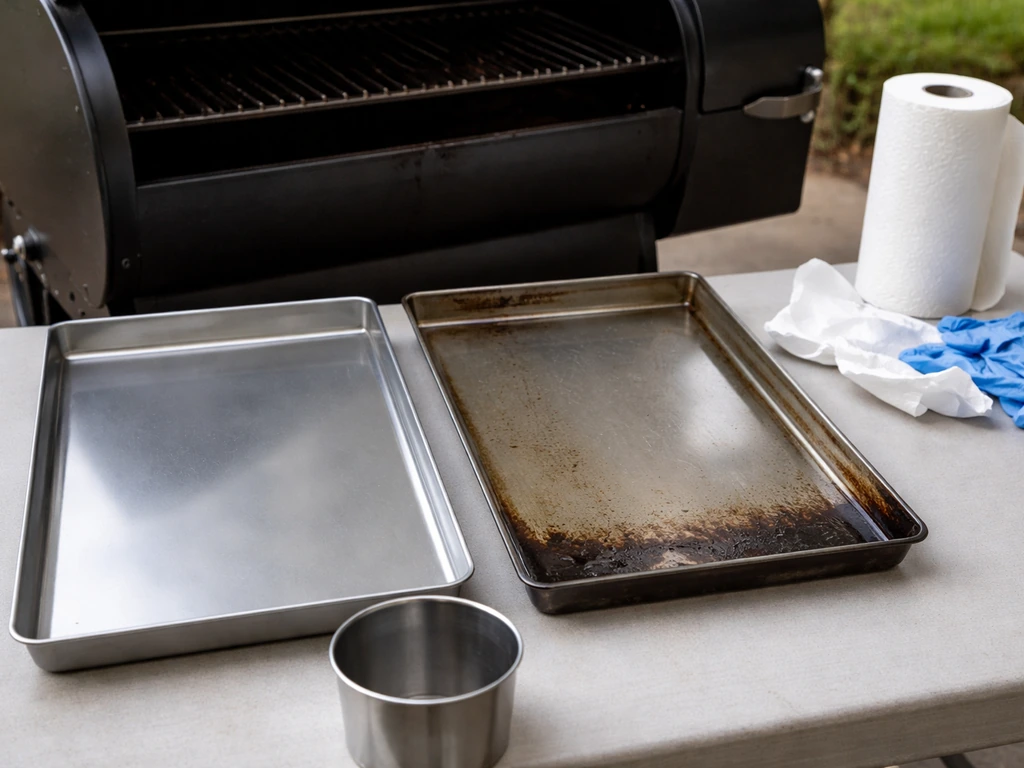
Grease fires are the most common smoker emergency on patios. They happen when grease accumulates in drip trays, grease buckets, or the bottom of the smoker body and ignites. The fix is simple: clean your grease collection system after every 3 to 4 cooks, never let it overflow, and don't line your grease bucket with foil unless you leave the drain hole open. Keep a fire extinguisher rated for grease fires (Class K or ABC) within arm's reach of your patio setup. Never use water on a grease fire.
How to Match a Smoker to Your Patio, Climate, and Budget
Use this checklist before you buy. It takes two minutes and will stop you from buying the wrong unit. If you want to buy the right patio range BBQ, it helps to know who makes reliable models in your preferred fuel type who makes patio range bbq.
- How much patio space do you have? Measure the area where the smoker will live. Leave 3 feet of clearance on all sides when you do this. The Camp Chef Woodwind Pro 24 needs a 50" x 26" footprint minimum. The Traeger Timberline 1300's 34" barrel needs more room.
- How cold does it get where you live? Pellet grills struggle in temperatures below 20°F without an insulated blanket accessory. Electric smokers lose heat efficiency in cold wind. Propane performs most reliably in cold weather.
- How often will you cook, and for how many people? Casual weekend cooks for 4 to 6 people: 700 to 900 sq. in. is enough. Frequent large cooks or batch cooking: go 1,000 sq. in. or more.
- Do you want to set it and check your phone, or do you enjoy managing the fire? Set-and-forget: pellet with app control (Weber Searwood 600, Traeger Timberline 1300). Hands-on: offset or charcoal.
- What's your budget including fuel for a full season? Electric costs the least to run. Pellets run $20 to $40 per bag. Propane and charcoal/wood costs scale with cook frequency.
- Is there a 120V outlet within reach of your intended placement? If not, electric smokers are out unless you're running an extension cord rated for outdoor use.
- Do you have a landlord or HOA? Check local rules on open-flame cooking on patios or balconies before buying a propane or charcoal unit.
Best For X: Direct Picks
- Best for hands-off weekend cooks: Weber Searwood 600. Ready in 15 minutes, app-connected, handles 180°F to 600°F, and the side hopper takes a full 9 kg bag.
- Best for large families or batch cooks: Traeger Timberline 1300. 1,300 sq. in. total capacity, 24 lb hopper, 285 lb unit that stays where you put it.
- Best all-rounder under $800: Camp Chef Woodwind Pro 24. 811 sq. in., built-in grease management, capable of cold smoking, solid build at 152 lb.
- Best for beginners or apartment patios with an outlet: Masterbuilt 30-inch Digital Electric. 710 sq. in., no flame, digital controls, side woodchip loader, easiest cleanup.
- Best for cold climates: Propane smoker (any quality brand) or a pellet grill with an insulated blanket accessory. Propane performs most reliably when temps drop.
- Best for maximum smoke flavor without going full offset: Camp Chef Woodwind Pro 24, which is explicitly designed for both grilling and cold smoking.
After You Buy: First Steps Before Your First Cook
Whatever smoker you land on, do these things before you put food on it. First, season the unit. For pellet grills and most metal smokers, run it empty at high heat (usually 350°F to 400°F) for 45 to 60 minutes to burn off any manufacturing oils, coatings, or residues. This also cures the paint on the exterior. Second, do a test fire at low temp (225°F) for 30 minutes to verify your temperature controller is accurate. Use an independent probe thermometer to check the actual grate temp against the display. Most PID-controlled pellet grills are within 5 to 15 degrees of stated temp. Third, cook something forgiving on your first real cook: chicken thighs or pork ribs are ideal because they're tolerant of temperature swings and give you a feel for how the smoker holds heat on your patio in your climate. If you want a quick way to compare options, use an outlaw patio smoker review that matches your fuel type and climate needs. Don't start with a brisket until you know your unit.
On the maintenance side, build a simple schedule: clean the grease bucket every 3 to 4 cooks, vacuum ash from the firepot every 5 to 10 cooks (pellet grills), scrub grates after every use, and do a full deep clean including the inside of the barrel and smoke stack every 20 to 25 cooks or once per season. Cover the unit every time it cools down. If you're buying a patio grill to pair alongside your smoker for direct-heat cooking, that's worth reading about separately to understand how a combined patio cooking setup works. If you want more direct-heat cooking outdoors, pairing your smoker with the best patio grill can make hosting much easier. The same goes for a patio griddle if you want a flat-top option in your outdoor kitchen layout.
FAQ
Can I use a patio smoker under a covered porch if the door is open?
Yes, but only if you can keep the cooking area truly open to fresh air. A covered patio with a partial roof can still be unsafe if the overhang blocks airflow, especially when winds shift. If you can, keep the smoker positioned so smoke vents into open space and there is a clear path for exhaust on at least two sides, no low ceiling directly overhead.
How long should I preheat a pellet or electric patio smoker before putting food on?
Most pellet and electric models benefit from a preheat before the actual cook. For pellets, start the unit, wait until it stabilizes at your set temperature, then insert the food. For electric, give it an extra 10 to 15 minutes if the thermometer tends to lag, so your first hour does not run cooler than planned.
Which patio smokers are best for cold-smoking, and how do I confirm temperature accuracy?
Cold-smoking is mostly limited by the lowest reliable temperature your unit can hold consistently, not by the feature name. Pellet grills can cold-smoke when they truly maintain around the low set points, while many electrics cap out too high for true cold-smoke. If you want cold-smoke results, confirm the actual minimum grate temperature using a separate probe, then do a short test with a tray of water and a thermometer check.
Why does my pellet smoker produce light smoke, and what should I check first?
Pellet grills do not run like charcoal, so you should avoid chasing smoke color with raw “more pellets” tweaks. Instead, focus on maintaining steady temperature and use a light amount of wood flavor in the right way (for example, pellet type or stick-on smoke tubes only if your model supports it). If smoke is too thin or intermittent, the usual fix is cleaning the firepot and checking pellet feed, not increasing heat.
Can I line the grease tray with foil to make cleanup easier?
A covered grease tray is safer than foil-lined setups, but even with the right tray, overflow is the real risk. Use drip liners only if the manufacturer instructions allow them and you can still access and drain the bottom safely. Never block any grease drain or airflow paths, and empty the system when it reaches the point where it would otherwise overflow.
Do temperature probes and WiFi apps make external thermometers unnecessary?
Not necessarily. Many pellet grills and electrics have app monitoring that reads internal or ambient temperatures, which can differ from grate temperature. For brisket and ribs, confirm with an external leave-in or clip-on probe during at least the first few cooks. PID control helps, but patio wind and meat placement can still create real variation at the cooking grate.
Is the advertised cooking area (square inches) the same as usable capacity on a patio smoker?
Yes, and it changes what “capacity” you should buy. Multiple racks and stacked layouts can help, but you still need clearance for airflow around the food, especially for thick cuts. Measure your typical meal footprint (for example, rib racks or pork shoulders) and compare it to the usable cooking space, then allow extra spacing if you often cook at longer smoking temperatures.
What are the biggest weather-related limitations for pellet, propane, and electric patio smokers?
It depends on the fuel type and your local climate. Pellet performance can drop in cold, and rain can increase hopper moisture issues or shorten the stability of the firepot. Electric units often have a strict “no rain operation” guidance. For frequent cold or wet weather, prioritize a model with reliable low-temperature behavior (for pellets) and a genuinely weather-tough cover, plus a covered but open-air setup.
What’s the correct way to set up and check a propane patio smoker each time?
For propane, check hose condition and connections for leaks using soapy water before every cook, especially after long storage. Also keep the tank upright, away from direct heat, and do not place anything that could trap gas near valves or regulators. If you notice a persistent odor, stop use immediately and ventilate the area before trouble-shooting.
What extinguisher should I keep next to a patio smoker, and what not to do during a grease fire?
Use the right extinguisher type and keep it accessible, Class K or ABC for grease fires. Do not use water, because it can spread burning grease and produce steam that worsens the situation. If a grease fire starts, shut down heat sources if you can do so quickly and safely, then use the extinguisher in short bursts aimed at the base of the flames.
How should I position the best patio smoker on my patio to avoid wind and smoke blowing indoors?
If you can, keep the smoker slightly away from walls and plants so there is room for exhaust and so heat and grease vapors do not discolor surfaces. On compact patios, the safer move is to position so the exhaust stack faces away from the most used seating area. Also consider wind direction so drift does not blow grease smell into doors or windows.
What maintenance steps prevent temperature swings and bitter smoke on patio smokers?
For pellet grills, ash and firepot buildup can throttle airflow and cause unstable temps. A simple rule is to vacuum ash every several cooks, and clean the grease bucket on a similar cadence to reduce fire risk. For grates, quick scrub after each use matters more than deep cleaning alone, because cooked-on residue can smoke bitterly next time.
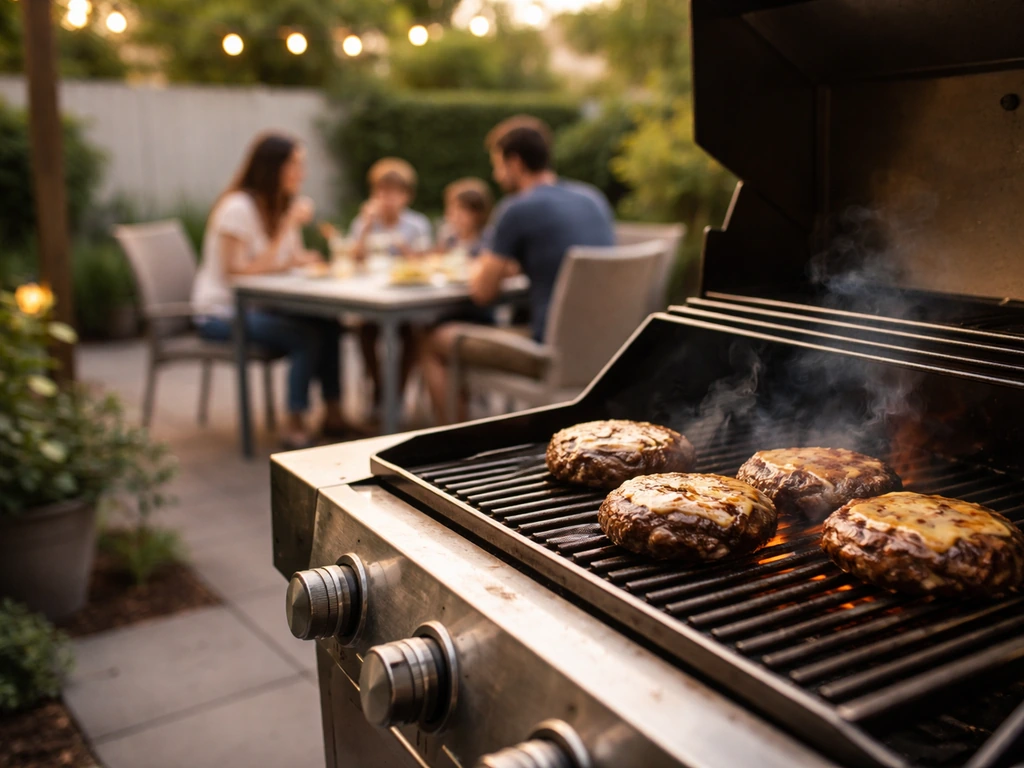
Choose the best patio BBQ grill by space, fuel, and budget with clear picks for small patios, families, and entertaining
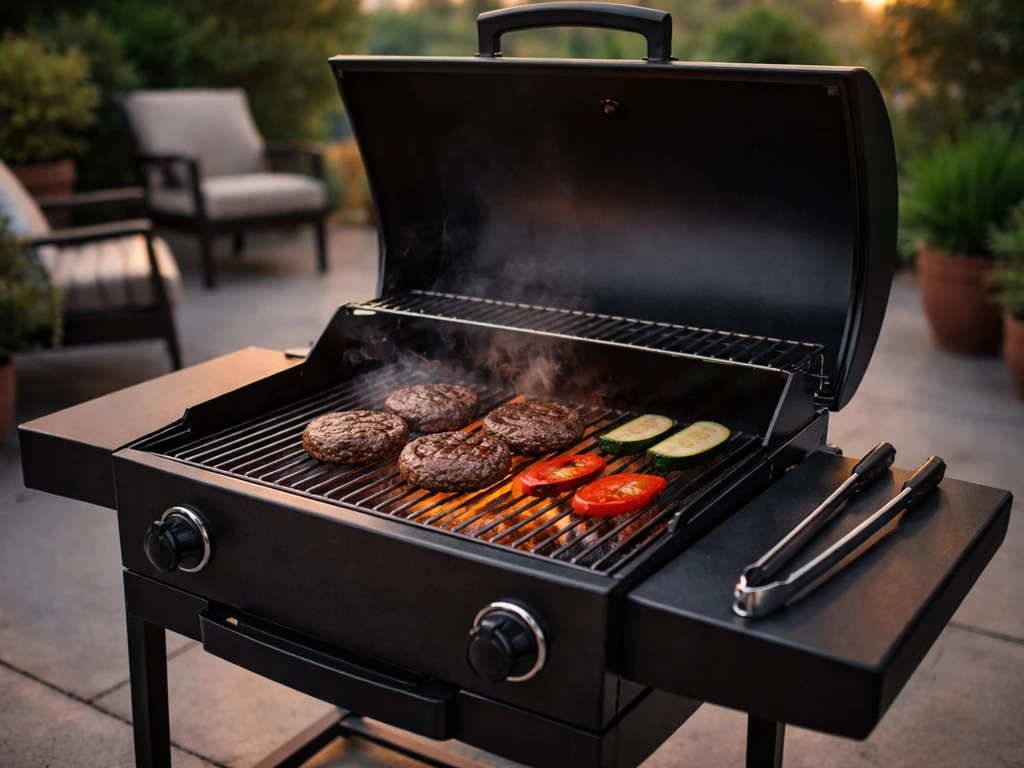
Choose the best patio grill in 2026 with specs, comparisons, safety tips, and top charcoal picks.
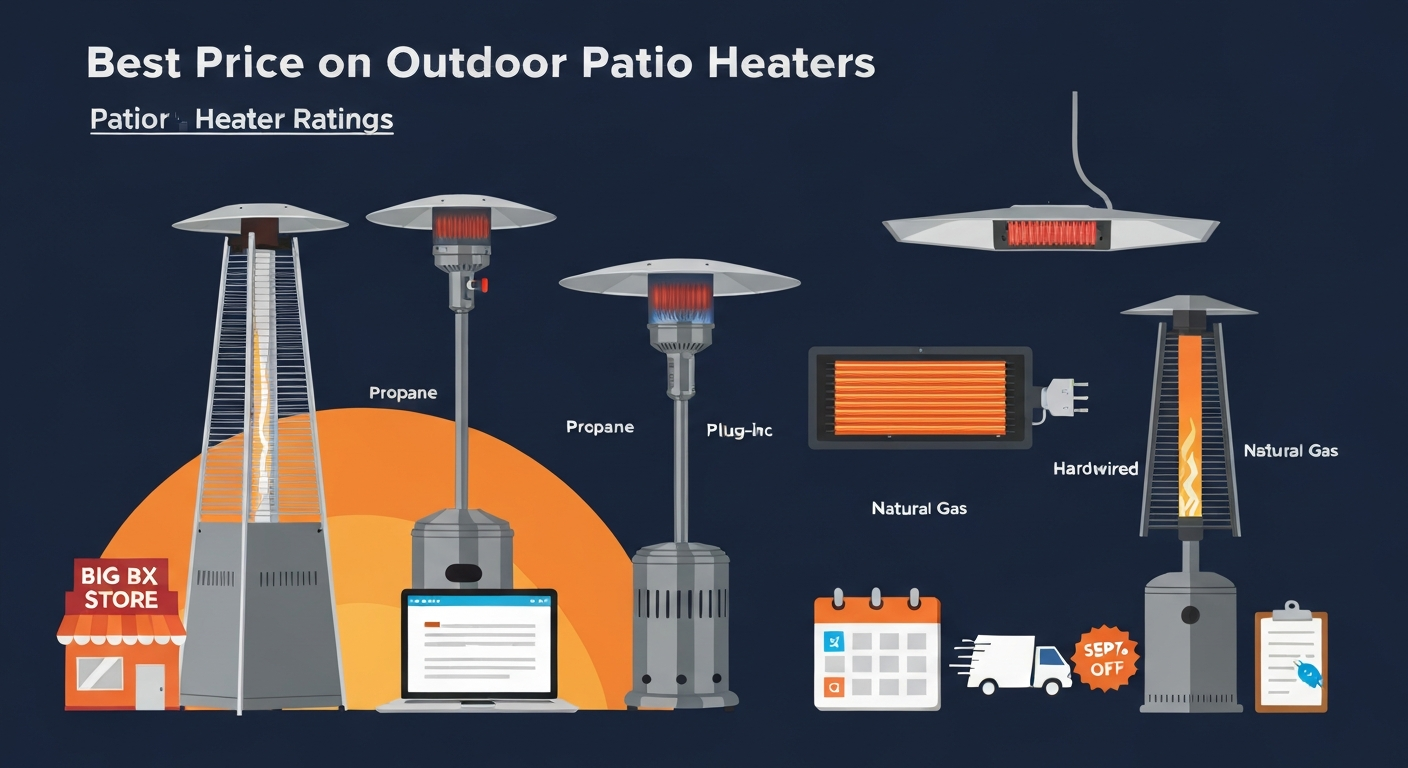
Score the best price on outdoor patio heaters, price ranges, top picks, deal tactics, total-cost & safety checklist.