
The best patio grill for most people is a mid-size propane or charcoal model with at least 450 square inches of primary cooking area, a well-fitted lid, and a footprint that leaves you a clear 10-foot buffer from any wall, overhang, or combustible structure. Which one wins for you specifically comes down to four things: how much space you actually have, how often you cook, what fuel is most convenient, and whether you want low-maintenance speed (gas/propane) or the deeper flavor and tactile satisfaction that charcoal delivers.
Best Patio Grill: Buying Guide and Top Picks for 2026

Caleb Vale
13 May 2026
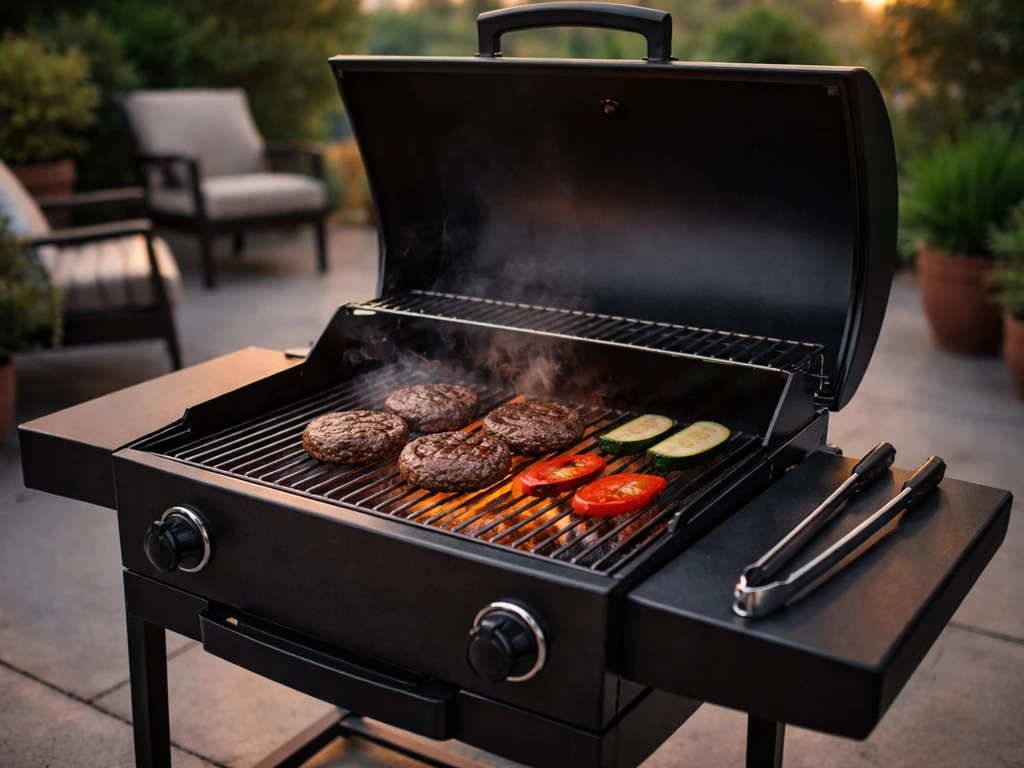
How to choose the best patio grill for your space
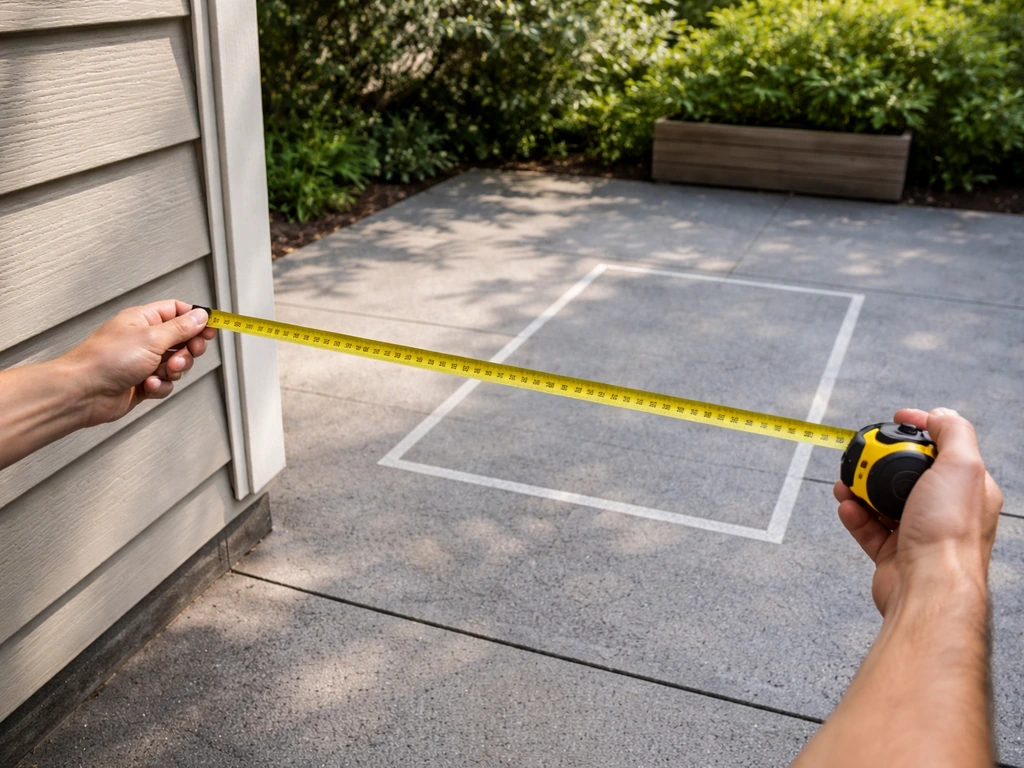
Before you look at a single model, measure your patio. That sounds obvious, but most buyer regret comes from choosing a grill that's either too large to use safely or so small it can't handle a real cook. Start with the clearance rules: the blank" rel="noopener noreferrer">CPSC recommends keeping any gas or charcoal grill at least 10 feet from your house or any building.
Weber's own guidelines specify a minimum of 2 feet from combustible materials including wood decks and porches, and the U. S. Fire Administration advises [a 3-foot clear safety zone around the entire grill perimeter. ](https://www.
usfa. fema. gov/gallery/pictographs/pictograph21. html) In practice, this means a small concrete balcony or screened-in porch often rules out charcoal and open-flame gas grills entirely, pointing you toward electric options instead.
Once you've confirmed safe clearance is achievable, think about surface type. A composite deck handles foot traffic but can warp or discolor from radiant heat. A good grill mat directly under the unit protects the surface and makes cleanup far easier. Stone, concrete, or tile patios give you the most flexibility. If you're on a wood deck, a mat is essentially mandatory alongside your clearance planning.
Next, match grill size to how you actually cook. To narrow it down, you want a griddle that can reach and hold strong heat, offers enough cooking space, and is built for outdoor weather best patio griddle. A 400-450 sq in primary cooking surface handles 4-6 burgers comfortably. If you regularly feed 8 or more, look for 550-600+ sq in.
Factor in whether you'll want side burners, a warming rack, or a firebox for smoking, because those additions change the footprint. If you are considering the good-one smoker patio jr, focus on clearance, airflow control, and heat retention so you can smoke reliably without fighting the setup. Climate matters too: in wet or coastal climates, look for stainless steel grates and a powder-coated or porcelain-enamel lid that resists rust.
In high-wind areas, a grill with a well-sealed, heavy lid matters more than one with flimsy hinges.
- Measure usable patio space and subtract the required clearance buffers before shopping
- Concrete, stone, or tile surfaces offer the most placement flexibility
- Wood or composite decks require a grill mat and extra attention to clearance from railings and overhangs
- Balconies and screened porches typically require electric grills by code and practicality
- Match primary cooking area (sq in) to your typical guest count, not your maximum
- In humid or coastal climates, prioritize stainless grates and corrosion-resistant exteriors
- High-wind patios call for a heavy, well-sealing lid for temperature consistency
Best patio grill types: charcoal, gas/propane, and electric
Each fuel type has a real place in patio cooking. The goal here is to match the grill type to your actual situation rather than sell you on any one approach.
Charcoal grills
Charcoal grills deliver the best flavor and the highest direct-heat temperatures, regularly reaching 600-700°F for a genuine sear. The trade-off is a 20-30 minute startup time, more active temperature management, and ash cleanup after every session. They're the right pick if flavor is your top priority and you have the space and patience for the process. Kettles like the Weber Original Kettle (22-inch) are the gold standard for value at around $120-150. For more cooking real estate, the Weber Master-Touch (22-inch, ~$200) adds a hinged grate and ash catcher that makes charcoal life noticeably easier. If you want to expand into smoking, barrel-style charcoal grills give you offset-heat options that a kettle can't match as cleanly.
Gas and propane grills
Propane grills win on convenience. You turn a knob, hit the igniter, and you're cooking in under 10 minutes. For weeknight meals or anyone who grills several times a week, that time savings matters. Look for at least 30,000-40,000 total BTUs across 2-3 burners for a mid-size patio grill.
The Weber Spirit II E-310 (3 burners, ~$500) and the Camp Chef Explorer are consistently top performers in this category. A dedicated propane grill setup also pairs well with patio heating systems since you're already managing a fuel source. Just follow the CPSC guidance: never store a spare propane tank under the grill or indoors, and keep that 10-foot clearance from structures.
For patio-specific propane grill deep dives, the best patio grill propane topic covers specific model comparisons in more detail. For a deeper look at specific brands and models, you can also compare who makes popular patio range BBQ grills best patio grill propane topic.
Electric grills
Electric grills are the only safe option for balconies, apartments, or any covered enclosure where open flame isn't permitted. They heat quickly, produce minimal smoke, and require almost no cleanup beyond wiping down the grates. The real limitation is flavor: without the combustion reaction from charcoal or gas, you lose some of the depth. The Weber Q2400 and George Foreman indoor/outdoor models are the most reliable in this category. If your patio situation restricts you to electric, a quality infrared electric model gets you closer to sear performance than older resistance-coil designs.
| Grill Type | Best For | Startup Time | Flavor | Maintenance | Approx Price Range |
|---|---|---|---|---|---|
| Charcoal | Flavor-first cooks, weekend grilling | 20-30 min | Excellent | Ash cleanup each use | $100-$400+ |
| Propane/Gas | Weeknight convenience, frequent use | 5-10 min | Very good | Burner cleaning, grease trap | $250-$1,000+ |
| Electric | Balconies, covered spaces, apartments | 5-8 min | Good | Wipe-down grates | $100-$400 |
Charcoal patio grills: what actually makes one great
If you're specifically hunting for the best patio charcoal grill, there are five things that separate a great model from a frustrating one: airflow control, heat retention, cooking surface quality, ash management, and build durability.
Airflow and temperature control
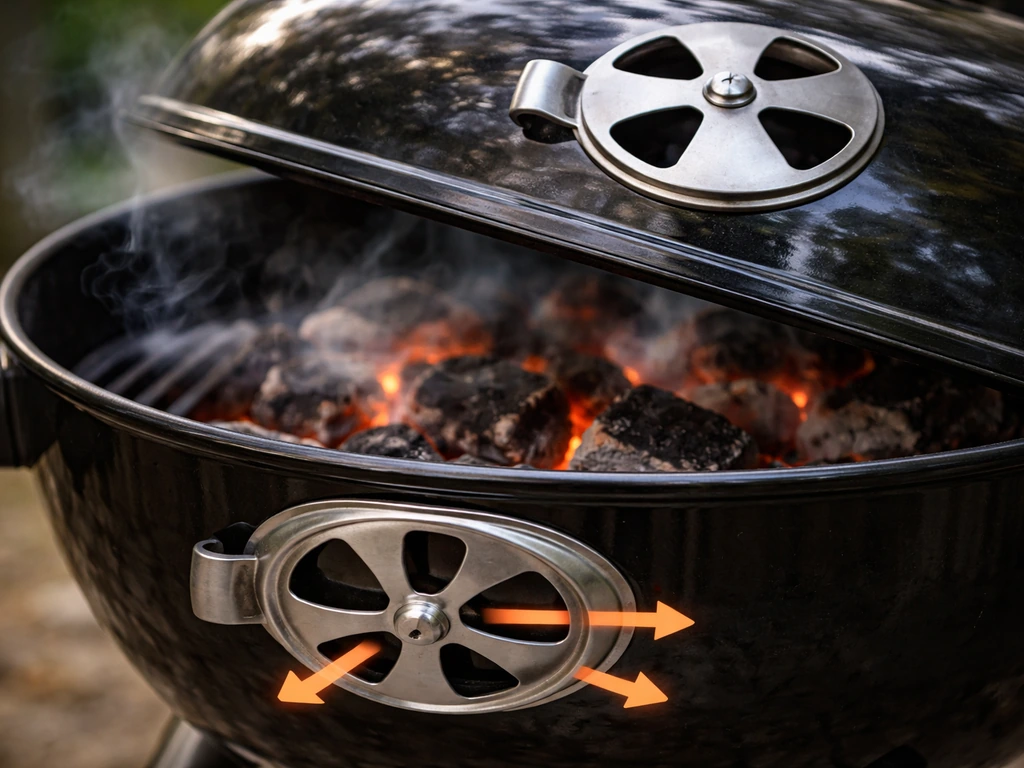
Charcoal grills live and die by their dampers. Both the bottom (intake) and top (exhaust) vents need to open fully and seal tightly. Vents that stick, warp, or have wide gaps make precise temperature control nearly impossible. On a Weber kettle, the ash catcher doubles as the bottom vent mechanism, and it works cleanly. On cheaper kettles, poorly fitted vents lead to temperature swings of 50-75°F between checks. When evaluating any charcoal grill, physically test the vent action if you can. If buying online, check reviews specifically for complaints about warping or poor vent seals after one season.
Lid quality and heat retention
A deep, well-fitted lid allows indirect cooking, smoking setups, and consistent convection heat. The Weber kettle's domed lid design is genuinely superior to flat-lid alternatives for this reason. Cast iron grills and thick-gauge steel models hold heat better than thin-wall stamped steel, which matters for long cooks like whole chickens or ribs. Lid thermometers are useful but often inaccurate on budget models; a separate grate-level probe thermometer is a better investment.
Grate material and sear quality
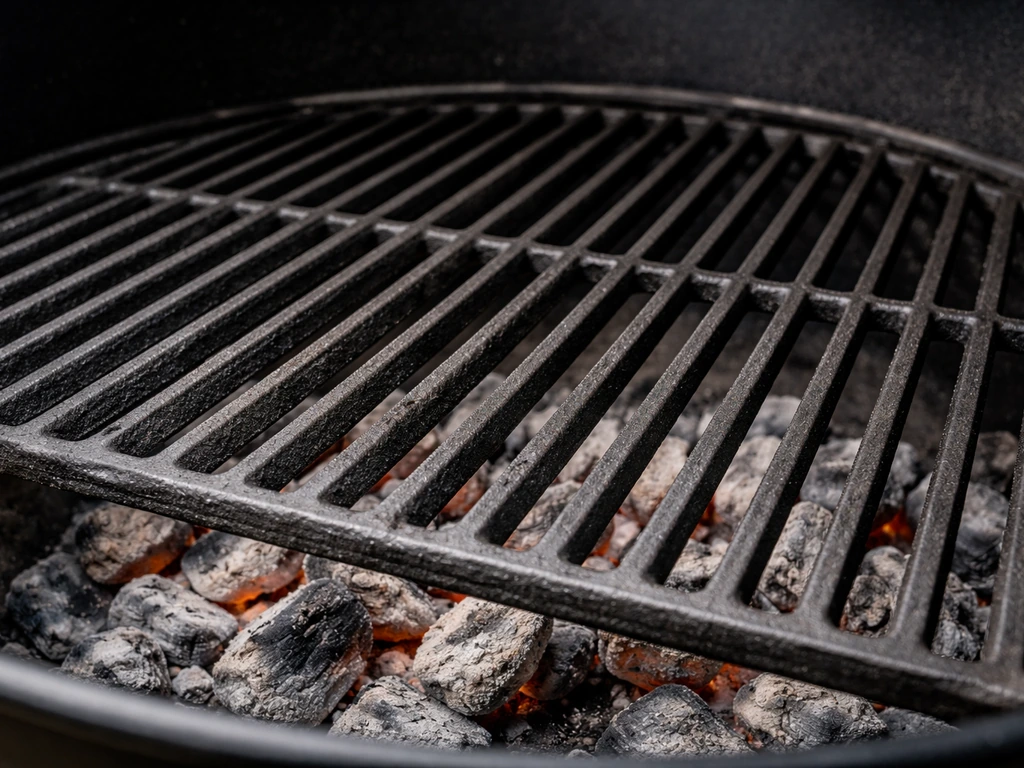
Cast iron grates sear better and retain heat longer than chrome-plated steel, but they require seasoning and dry storage to prevent rust. Porcelain-enameled cast iron is the best of both worlds: excellent sear marks, good retention, and easier maintenance. Stainless steel grates are the most corrosion-resistant for humid or coastal patios but don't hold heat quite as well as cast iron. For a patio charcoal grill you'll use year-round, porcelain-enameled cast iron is the practical pick.
Ash cleanup
This is the most underrated purchase factor for charcoal grills. A built-in ash catcher (like Weber's one-touch system) versus having to dump ash from the bottom of a bowl is a huge quality-of-life difference. Look for a removable ash catcher or a clean-out door on any charcoal grill you're considering. Grills without this feature aren't bad, but cleanup adds 10-15 minutes every session and creates more mess on the patio surface around the grill.
Flavor and real-world cook results
The charcoal flavor advantage is real but depends on the charcoal, not just the grill. Lump charcoal burns hotter, cleaner, and adds more flavor than briquettes. Briquettes burn more consistently and are easier to control for long cooks. The best charcoal patio grills accommodate both and let you bank coals to one side for two-zone cooking, which is the technique that separates good charcoal results from great ones. Two-zone setup (direct high heat on one side, indirect low heat on the other) lets you sear, then finish without burning, and it works in any kettle-style grill with at least a 22-inch diameter.
Top picks by category and budget
Here are the models that consistently perform well based on testing-style criteria: cooking area vs footprint, temperature consistency, build durability, ease of use, and real-world user feedback patterns.
Best overall charcoal patio grill
Weber Original Kettle Premium 22-inch (~$150-180): The benchmark for a reason. It has 363 sq in of primary cooking area, a reliable one-touch ash removal system, well-calibrated vents, and a hinged grate for adding charcoal mid-cook. It's been made the same way for decades because nothing cheaper does it better. If you want more room, the Weber Master-Touch 22-inch (~$200-230) adds a Gourmet BBQ System grate insert for cast iron cooking and a slightly better lid hinge. For large groups, the Weber 26-inch Kettle (~$300) bumps cooking area to 508 sq in without losing any of the core functionality.
Best budget charcoal option
The Char-Griller AKORN Kamado Kooker (~$300-350) is technically a kamado-style grill, but it delivers kamado-level heat retention and versatility at a fraction of the ceramic kamado price. It uses double-wall steel construction, reaches 700°F+ for pizza and high-heat searing, and drops to 200°F for low-and-slow smoking. For a patio that needs a charcoal grill that also handles smoking, this is the most practical value at this price point. If you want a true budget kettle under $100, the Char-Broil Classic 22-inch works but has noticeably less precise vent control than Weber.
Best propane grill for a patio
Weber Spirit II E-310 (~$500-550): Three burners, 32,000 BTU total, 424 sq in of primary cooking area, and one of the most consistent ignition systems in the category. The grease management system is genuinely easy to clean, and the side tables fold down if space is tight. For a step up in output and features, the Weber Genesis EX-325s (~$900-1,000) adds a sear station burner, better lid insulation, and connectivity features for those who want them. Budget-friendly propane: the Char-Broil Performance 300 2-Burner (~$200) works for small patios and light use but shows quality gaps in grate durability over time.
Best electric patio grill
Weber Q2400 (~$300-350): 280 sq in of cooking area, 2,400 watts, cast iron grates, and a thermometer built in. It heats to searing temps faster than most electric competition and is genuinely compact enough for a small balcony. For larger electric cooking area, the Cuisinart CEG-980T (~$150-200) is a solid step-up option with a larger footprint and simple cleanup.
| Model | Type | Cooking Area | Price Range | Best For |
|---|---|---|---|---|
| Weber Original Kettle Premium 22" | Charcoal | 363 sq in | $150-180 | Best overall charcoal, most patios |
| Weber Master-Touch 22" | Charcoal | 363 sq in | $200-230 | Charcoal with cast iron grate system |
| Char-Griller AKORN Kamado | Charcoal/Kamado | 314 sq in | $300-350 | Charcoal + smoking versatility |
| Weber Spirit II E-310 | Propane | 424 sq in | $500-550 | Best propane for regular use |
| Char-Broil Performance 300 | Propane | 300 sq in | $200 | Budget propane, small patio |
| Weber Genesis EX-325s | Propane | 513 sq in | $900-1,000 | High-performance propane, serious cooks |
| Weber Q2400 | Electric | 280 sq in | $300-350 | Balconies, no-flame required spaces |
Fuel efficiency, heat performance, and real-world cooking results
BTU ratings on gas grills are widely misunderstood. A higher BTU number doesn't automatically mean a better grill: it means more fuel consumption, which only translates to better cooking if the lid seals well and the burners distribute heat evenly. A well-designed 30,000 BTU grill outperforms a cheap 40,000 BTU model because of how efficiently it holds and circulates heat. When comparing propane grills, look at BTU-per-square-inch of cooking area (a ratio of 80-100 BTU/sq in is a useful baseline) rather than total BTU as a standalone number.
For charcoal, fuel efficiency comes down to how much charcoal you need to use per cook. A well-insulated grill (like a kamado or a Weber kettle with closed vents after cooking) lets you extinguish and reuse charcoal for the next session. Cheap thin-wall grills burn through fuel faster and don't allow clean extinguishing. Over a season, a better charcoal grill saves real money on fuel even if the upfront price is higher.
In real-world patio cooking, temperature consistency matters more than peak temperature for 90% of what people cook. Steaks and burgers need high direct heat (450-550°F at grate level). Chicken, ribs, and roasts benefit from indirect heat at 325-375°F held steadily for 45-90 minutes. A grill that can do both well, via two-zone charcoal setup or a multi-burner gas grill with one side off, is worth more than one that just hits maximum BTUs. Electric grills top out around 400-450°F on quality models, which is enough for most tasks but falls short of charcoal or gas for intense searing.
For patio cooks who want to go beyond grilling into smoking, a charcoal grill with offset cooking capability (or a dedicated patio smoker setup) unlocks a much wider range of results. If you're shopping specifically for an outdoor charcoal option, an outlaw patio smoker review can help you compare real-world smoke quality, airflow control, and ease of maintenance. The best patio smoker and best patio BBQ grill are closely related decisions if you're serious about low-and-slow cooking alongside standard grilling. If you're comparing the best patio BBQ grill options for low-and-slow cooking, the same setup choices will guide your smoker and grill purchases.
Safety, setup, and maintenance for patio grilling
Safe clearances and placement
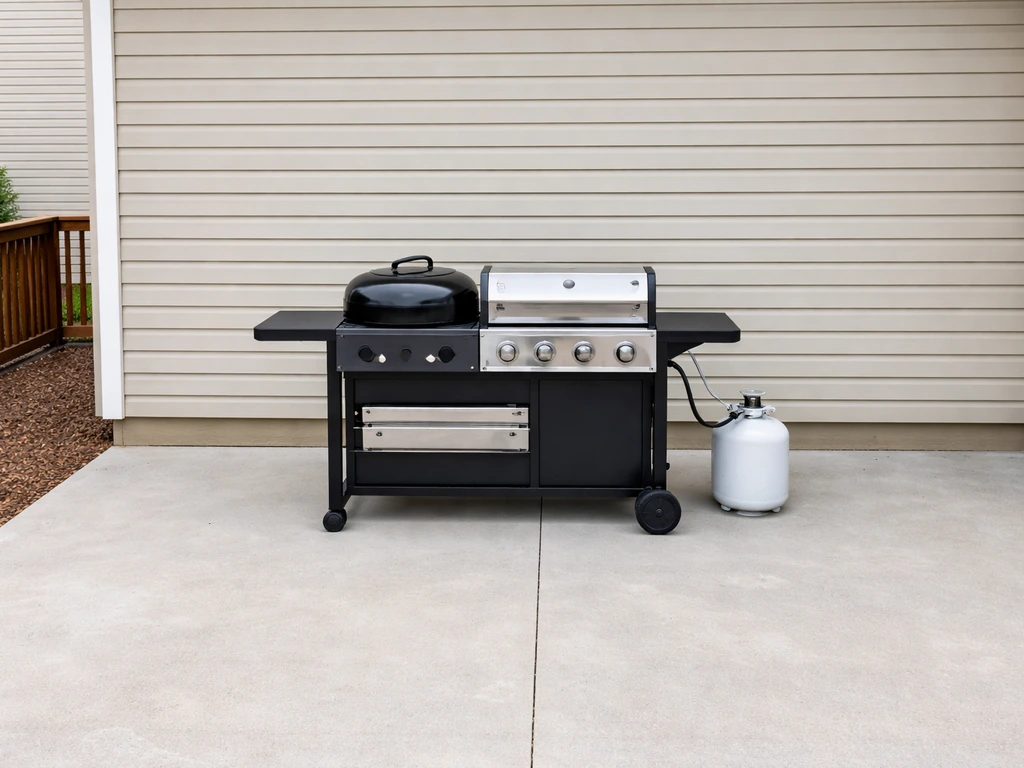
The CPSC is direct: keep gas and charcoal grills at least 10 feet from your house or any building. Weber's guidance specifies a minimum of 2 feet from combustible materials including wood decks and porches.
The U. S. Fire Administration recommends a 3-foot safety zone around the entire grill. In practice, these rules stack: you need 10 feet from the house wall, 2 feet from any combustible surface you're sitting the grill on or near, and a clear 3-foot perimeter around the entire unit.
Never use a charcoal or gas grill under a pergola, roof overhang, or any covered structure where combustion gases can accumulate. Always check your specific grill's owner's manual for model-specific clearance requirements, because they sometimes specify tighter minimums than the general guidance.
Propane storage and gas safety
Never store a spare propane tank under the grill, in a garage, or indoors. This is a CPSC safety rule that gets ignored constantly. Store spare cylinders upright in a well-ventilated outdoor location away from heat sources. Check the hose connection for cracks or brittleness before each season, and do a soap-water bubble test on fittings when you connect a new tank. If you smell gas after connecting, turn the tank off and don't use it until you've found and fixed the leak.
Setting up your grill station
A good patio grill setup is more than the grill itself. Position the grill so the wind doesn't blow directly into the cooking area (it destabilizes charcoal heat and can blow gas flames sideways). Place a grill mat under the unit regardless of surface type. Keep a fire extinguisher rated for grease and gas fires within reach, not stored inside your house. If you're on a wood deck, check underneath periodically for any discoloration from radiant heat, which signals you need either a better mat or more clearance.
Routine maintenance that actually matters
Clean grates before or after every cook: a wire brush (or a grate scraper if you've had issues with bristles) while the grill is still warm removes buildup efficiently. For gas grills, empty and clean the grease trap every 3-4 uses. Check burner ports once a season for blockages, which cause uneven heat distribution. For charcoal grills, fully empty ash after every session because damp ash accelerates corrosion on the bowl. Lightly coat cast iron grates with cooking oil after each use if you're in a humid climate. Cover the grill when not in use, but use a vented cover rather than a solid one, which can trap moisture and accelerate rust.
Winter storage and weather resilience
If you're in a climate with hard winters, the end-of-season routine matters. Clean all grates thoroughly, empty the grease system on gas grills, remove the propane tank and store it outside (not in the garage), and store the grill itself under a vented cover or inside a dry shed. Porcelain-enamel and powder-coat finishes on the bowl and lid hold up better than bare steel through freeze-thaw cycles. If you grill year-round, look for models with stainless steel construction and check that wheels or casters are rust-resistant, since a grill that's hard to move in icy conditions can be a safety issue.
For anyone building out a complete patio cooking setup alongside a heater system, a well-placed propane grill that shares the same fuel infrastructure as a propane patio heater simplifies logistics significantly. Just make sure the grill and heater placements each meet their own clearance requirements independently, since stacking heat sources too close together raises both performance and safety concerns.
FAQ
How do I choose between a 2-zone charcoal setup and a direct-only approach for the “best patio grill” for me?
If you ever want steak with a strong sear plus a slower finish, or you cook chicken and ribs, 2-zone (direct high heat on one side, indirect on the other) is usually worth it. If you mostly grill quick items (burgers, hot dogs) and never smoke, direct-only can be enough, but you still need decent airflow control (working vents that seal) to keep temperatures stable.
What’s the real difference between BTUs and cooking performance on propane grills?
BTUs are only meaningful when paired with good heat distribution and a lid that actually seals. A smaller, well-designed multi-burner grill can outperform a higher-BTU model if the burner spacing and heat circulation create even grate temperatures. A quick decision aid, look for consistent grate heat reviews (hot spots and flare-ups) more than total BTUs.
Can I use an electric grill for “best sear” results like gas or charcoal?
You can get closer with infrared electric models, because they heat the surface more intensely and faster. Still, plan for slightly shorter high-heat time and expect less smoke flavor. Also, ensure your patio outlet and extension cord are rated appropriately for outdoor use, undersized cords can cause voltage drop and uneven heating.
Are grill covers worth it, and how do I avoid rust from trapped moisture?
Use a vented cover, not a solid airtight style. Covers should be snug but not ballooning, and you want the grill dry before covering (especially after rainy use). If you live in a humid or coastal area, let the grill cool fully, wipe off moisture, then cover, solid covers can trap condensation and accelerate surface rust.
What’s the safest way to handle wind if my patio is exposed?
Avoid placing the grill so wind hits the cooking zone head-on, wind can cause charcoal temperature swings and can push gas flames sideways. If the grill sits in a corner, leave the required clearance, then use the wind direction to angle the grill so the lid vents and burner flames are shielded indirectly rather than blocked by a wall.
Is a grill mat enough protection for composite or wood decks?
A quality grill mat helps a lot, but it doesn’t replace clearance. Mats reduce radiant heat transfer to the surface, but if clearance is too tight, the underside can still overheat. For wood decks, verify the mat is heat-rated for grills and periodically inspect underneath for discoloration, if you see darkening, increase clearance or upgrade the barrier.
How often should I replace propane grill parts like hoses or regulators?
Don’t wait only for obvious leaks. Inspect the hose connection for brittleness each season, and replace if you see cracking, kinks, or persistent odor after turning off the tank. If your grill sits unused for long stretches, do a soap-water leak check when you reconnect the cylinder, regulators and valves can fail without visible warning.
What’s the best way to prevent flare-ups on a propane grill?
Start with simple habits, keep the grease tray clean and ensure burner ports are clear (blocked ports create uneven flame that can spike flare-ups). Also, trim excess fat, use indirect heat when grilling fatty cuts, and keep the lid closed to stabilize temperature. If flare-ups are frequent even with cleaning, check for a failing grease management component or misaligned burners.
Do charcoal grills really need a thermometer, and where should it be mounted?
A lid thermometer is helpful but often not perfectly accurate for grate-level cooking. For reliable results, especially when doing indirect cooks or 2-zone grilling, consider a grate-level probe thermometer. That lets you tune your vent settings based on the temperature that actually matters for food doneness.
How do I store a charcoal grill in winter if I want the “best patio grill” to last?
Clean out ash completely, then wipe the interior to reduce corrosion. For long freezes, store under a vented cover in a dry place, if you can’t store it indoors. Avoid trapping moisture under a non-vented cover, moisture plus salt air is a fast path to rust. If wheels are part of the model, check their material and bearings for rust before moving it.
What should I check before buying an expensive “best patio grill” model online?
Look for repeated mentions of vent seal quality, lid fit, and maintenance features like an ash catcher or easy grease access. Avoid relying only on cooking area specs, a “bigger” grill with poor temperature stability can be more frustrating. Also confirm the product’s clearance and footprint match your patio layout, including how far the lid and side tables swing when folded or open.
Can I grill under a pergola or any roofed area if it’s not fully enclosed?
Generally, no. Even partial overhead coverings can trap combustion gases and raise fire risk, especially for charcoal and open-flame gas. If you have any kind of roof or overhang, prioritize open-air placement that still respects clearance rules, if you must use a covered area, use only electric under the specific allowance for your local setup.
Next Articles
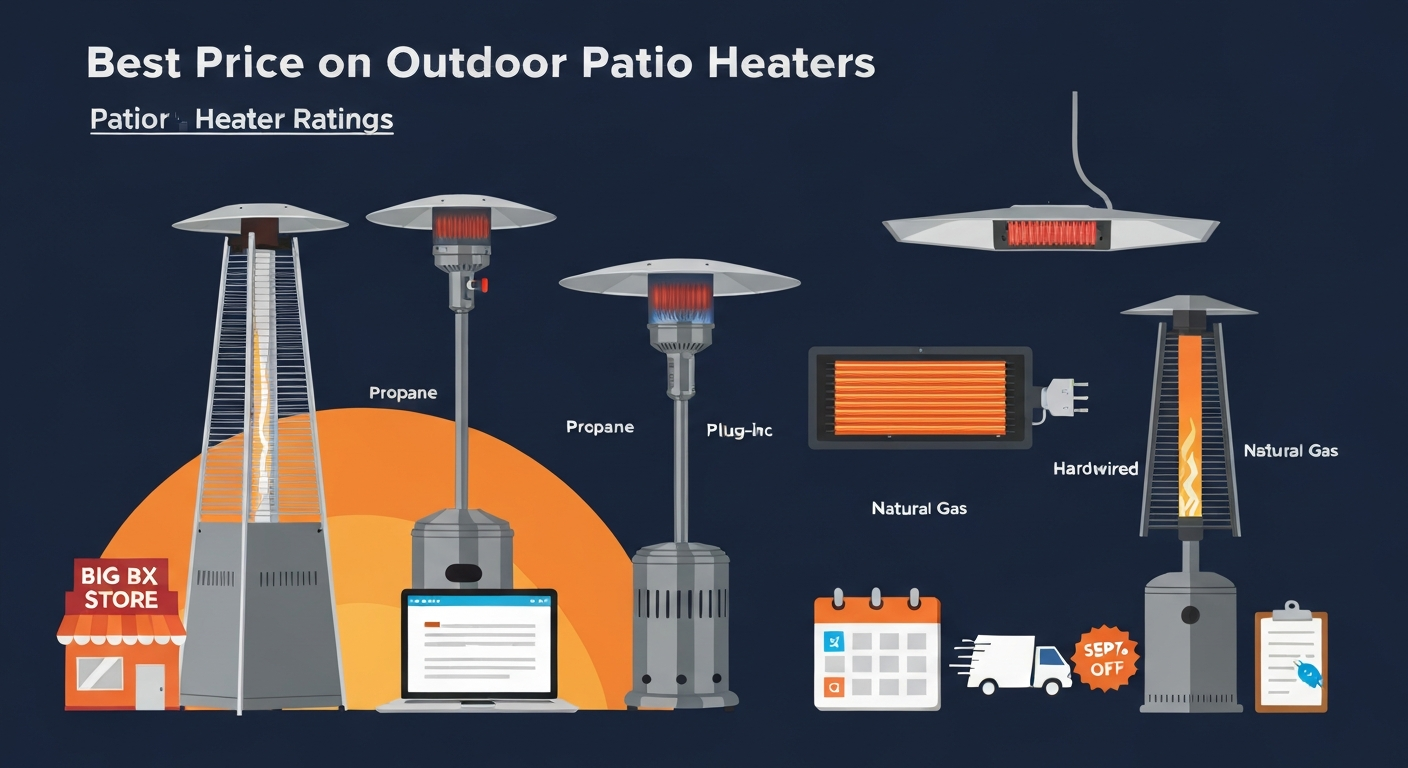
Best Price on Outdoor Patio Heaters: Compare Costs & Deals
Score the best price on outdoor patio heaters, price ranges, top picks, deal tactics, total-cost & safety checklist.
Where Can I Rent Patio Heaters Near Me Today
Find where to rent patio heaters near you today, choose the right fuel type, compare costs, and book safely.
Where to Buy a Patio Heater: Best Places and Types
Where to buy a patio heater now, plus electric vs gas vs propane tips, safety checks, and size/BTU buying checklist.