
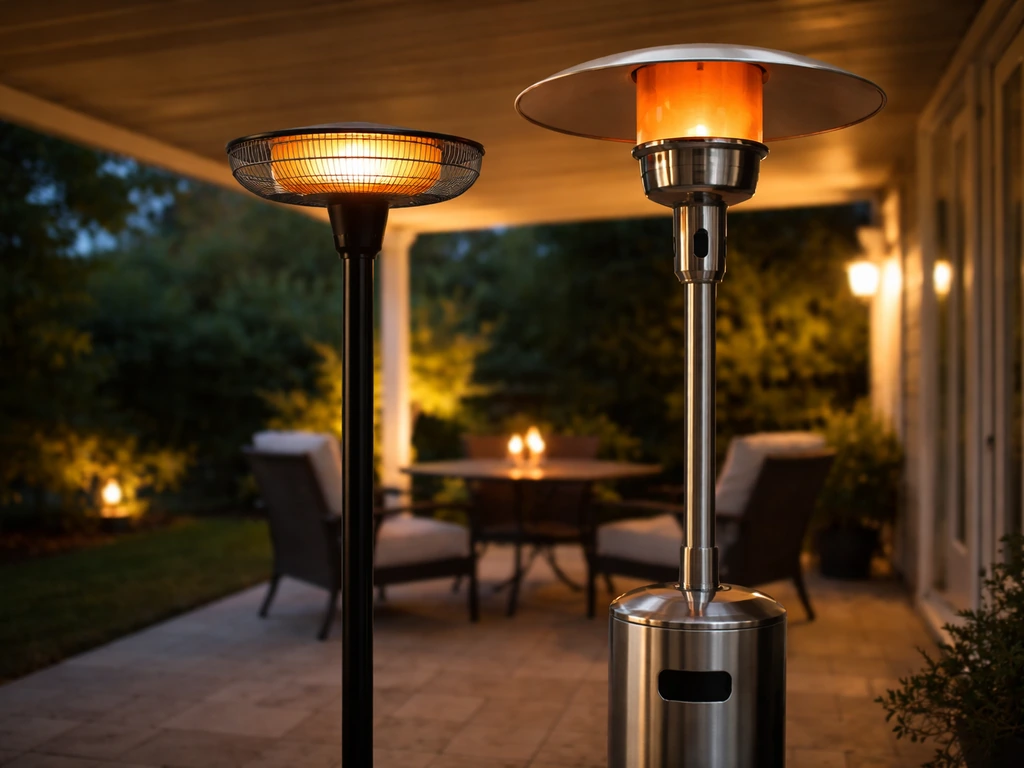
The best overall patio heater in 2017 for most homeowners is a 46,000 BTU freestanding propane tower like the AmazonBasics model: it runs off a standard 20-lb tank, lights with a piezo igniter, puts out adjustable heat, and costs well under $150. For the best patio heater 2018 updates, compare the same propane, electric, and infrared options while checking recent performance testing and safety features. But that answer only works if you have outdoor space, decent wind shelter, and no fixed gas line. If you're on a covered deck, hardwired electric or natural gas is a smarter long-term call. If you want ambiance plus heat, a pellet heater is worth a look. This guide walks through every type so you can find the right pick for your specific setup.
Best Patio Heater 2017: Buyer Guide by Type and BTU

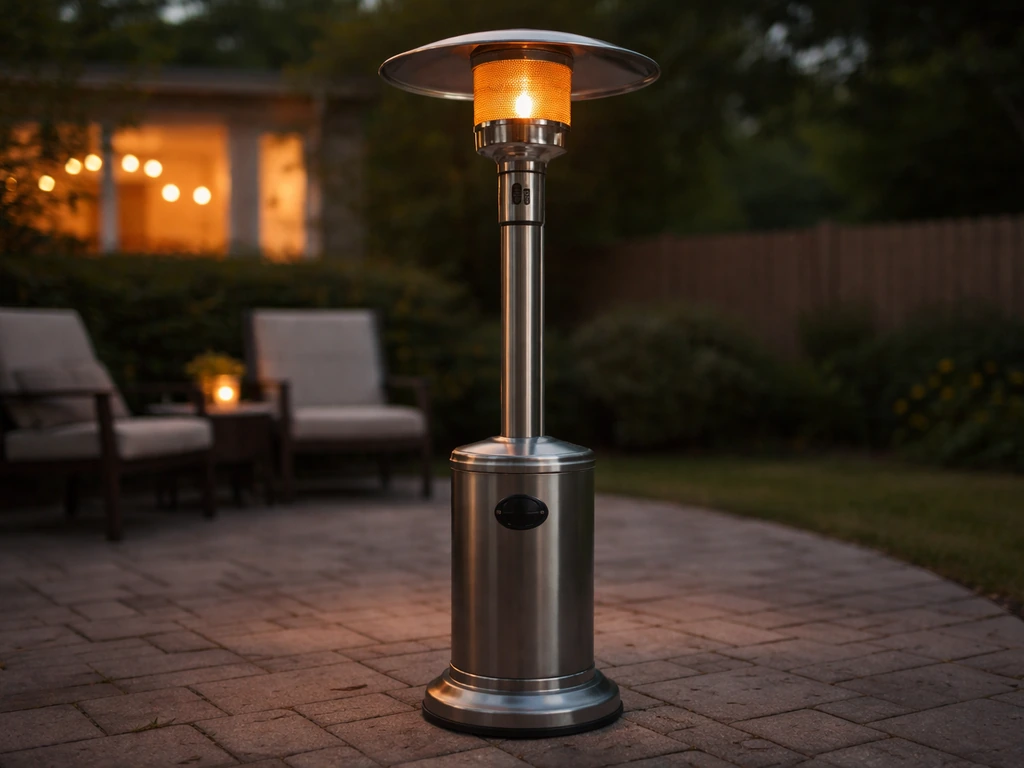
Quick picks: best patio heater 2017 by type
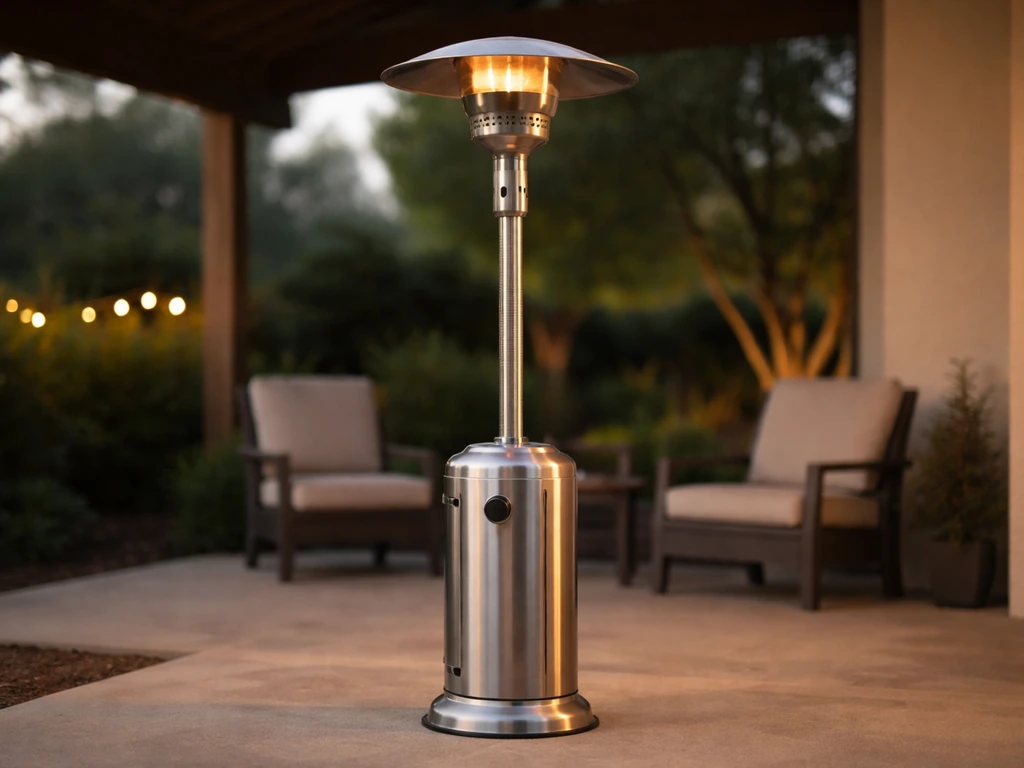
These are the categories where specific models stood out in 2017 testing and reviews. Use this as your starting shortlist, then read the relevant section below before buying.
| Category | Top Pick (2017) | Key Specs / Why It Wins |
|---|---|---|
| Best Overall | AmazonBasics 46,000 BTU Propane Tower | ~7 ft tall, piezo ignition, adjustable output, fits 20-lb tank in base, good value |
| Best Propane | AmazonBasics 46,000 BTU Propane Tower | Reliable ignition, wide heat radius, portable, CSA-certified safety features |
| Best Electric | Dr. Infrared DR-238 | Remote control, adjustable wattage, tip-over shutoff, indoor/outdoor rated |
| Best Infrared | Heliosa 66 / equivalent IPX5-rated wall mount | IPX5 rain resistance, instant heat, wall/ceiling mount for covered patios |
| Best Natural Gas | Napoleon PTH2650 (natural gas version) | Permanent install, ANSI Z223.1 compliant, no tank swaps, steady output |
| Best Pellet | Even Embers Pellet Patio Heater (~70,000 BTU) | High BTU, wood-fire ambiance, good for open patios, manual clearance guidelines |
These picks are based on a combination of performance testing methodology (warm-up time, heat radius at 3, 5, 8, 10, and 12 feet, wind resilience, ignition reliability), safety certification, and real-world customer feedback. Models with CSA-certified tip switches and auto-shutoff valves earned extra weight because those features directly reduce fire risk on a residential patio. If you're trying to narrow down the best outdoor patio heaters 2018, safety features like tip-over protection and auto-shutoff are a smart place to start extra weight because those features directly reduce fire risk on a residential patio.
How to choose the right heater for your patio size and climate
The single biggest mistake people make is buying a heater rated for more BTUs than they need, or worse, too few. A useful planning rule is around 30 BTUs per square foot of the space people actually occupy, not the total patio area. So if you're heating a 200 sq ft seating zone, you're looking at roughly 6,000 BTUs minimum in calm, mild weather. Wind and cold both strip heat faster, so bump that estimate up 20 to 30 percent if you're in a windy or cold-winter climate.
For a covered patio of around 1,500 to 2,000 sq ft, one large overhead or wall-mounted heater often covers the space adequately. Open patios in exposed locations typically need multiple units or a higher-output single heater. Here's a quick sizing framework:
| Patio Size (occupied zone) | Recommended BTU Range | Heater Type That Fits Best |
|---|---|---|
| Under 100 sq ft | 10,000–20,000 BTU | Electric infrared (wall/ceiling mount) or tabletop propane |
| 100–300 sq ft | 30,000–46,000 BTU | Freestanding propane tower or infrared floor unit |
| 300–600 sq ft | 46,000–66,000 BTU | Multiple propane towers or natural gas patio heater |
| 600+ sq ft (commercial) | 66,000+ BTU or multiple units | Natural gas overhead system or pellet heater clusters |
Climate matters just as much as square footage. In mild climates like Southern California or the Gulf Coast, a 40,000 BTU propane tower handles most fall and winter evenings easily. In the Pacific Northwest or upper Midwest where you're fighting 30 to 40 degree nights plus wind, you want either a higher-output unit or a mounted heater that directs heat downward onto people rather than radiating it into the open sky. Mounting style is another decision point: freestanding units are portable and easy to set up, while wall or ceiling mounts keep floor space clear and deliver more targeted warmth on covered patios.
Propane patio heaters: best use cases, pros/cons, safety basics
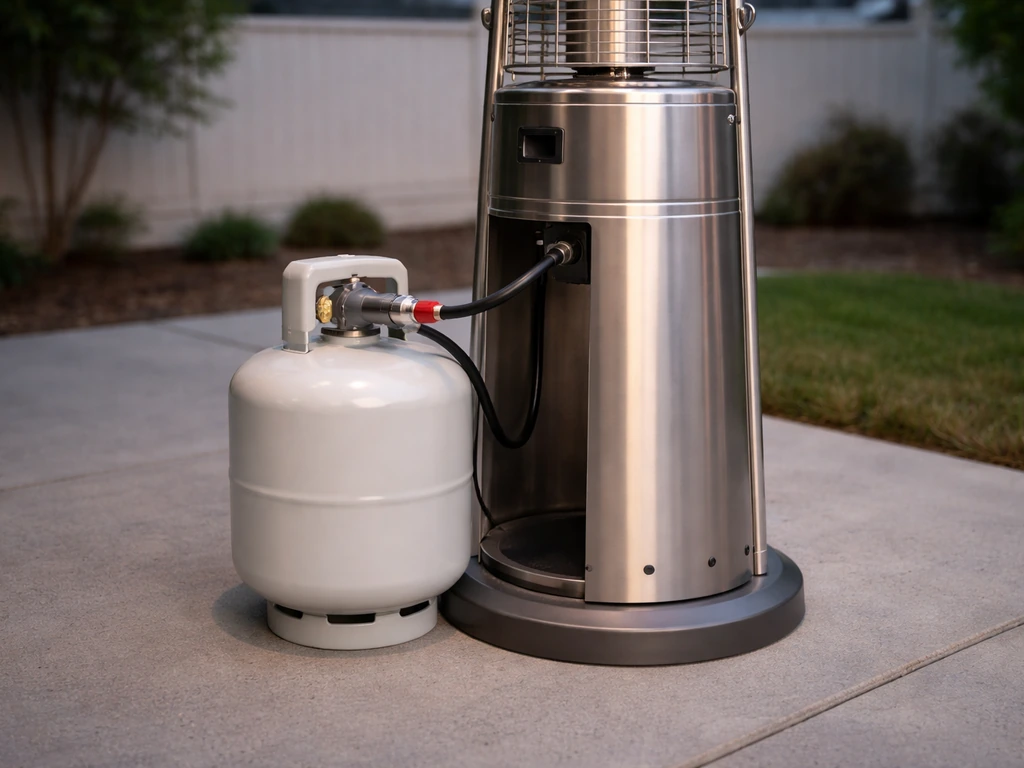
Propane towers are the default choice for a reason. They're portable, need no wiring or gas line, fire up in under a minute, and a 20-lb tank at 2017 propane prices (roughly $2.50 to $3.00 per gallon, or about 91,333 BTU per gallon) gives you a reasonable per-hour cost depending on output setting. At full 46,000 BTU output, a standard tank lasts roughly 8 to 10 hours of use, which covers a full weekend of evening gatherings.
The AmazonBasics 46,000 BTU tower is a 7-foot unit with a round base that houses the tank inside the pole assembly. Piezo ignition means no matches needed. Adjustable output lets you dial back on milder nights. These features alone make it a strong general-purpose pick. Where propane towers fall short is in wind: a strong gust can destabilize the flame or push heat sideways, which is why they work best in sheltered or semi-enclosed spaces. Consumer Reports data also confirms that larger propane models can reach up to around 66,000 BTU and heat roughly 36 sq ft at very close range for about 12 hours on a tank.
Propane pros and cons
| Pros | Cons |
|---|---|
| Fully portable, no installation | Wind can reduce efficiency significantly |
| No electrical wiring required | Tank refills add ongoing cost and logistics |
| High BTU output available (up to 66,000) | Open-flame safety concerns near combustibles |
| Works anywhere outdoors | Heavier and bulkier than electric options |
| Piezo or push-button ignition on most models | Flame can extinguish in strong wind |
Propane safety: what you actually need to know
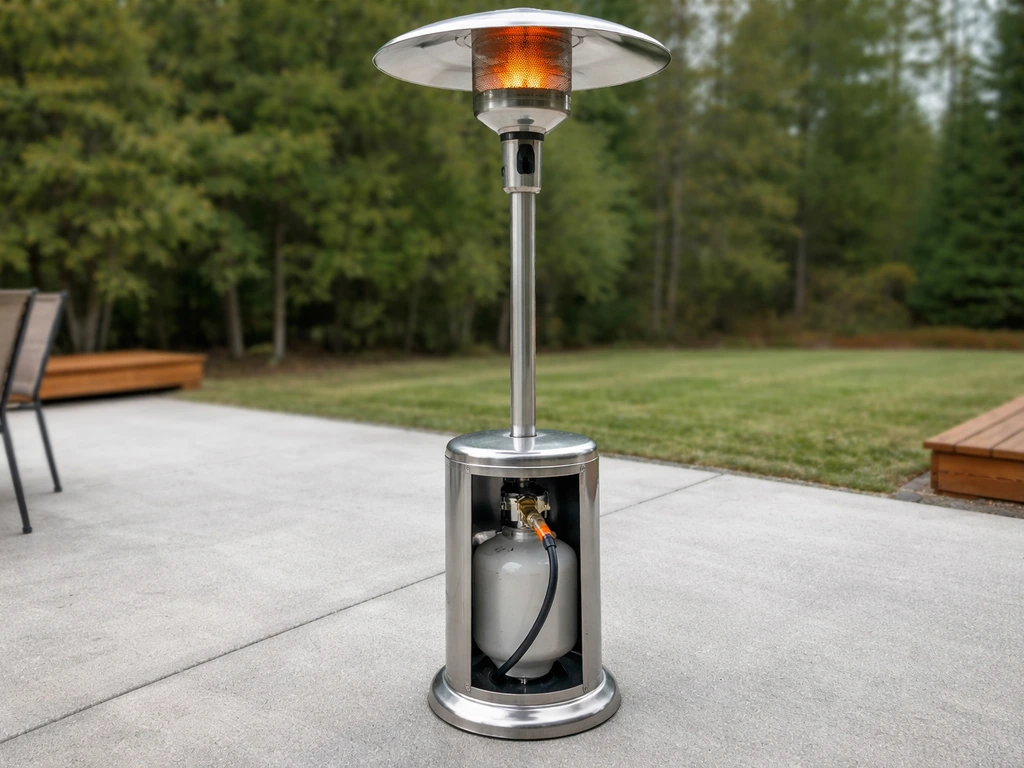
NFPA 58 (2017 edition) is the LP-gas code that governs propane patio heater use, and section 6.23.2.1 specifically addresses heaters with integral LP-gas containers. The practical takeaways for homeowners are straightforward: keep the heater at least 3 feet from combustible materials (furniture, curtains, wood structures), never use a propane tower indoors or in an enclosed space, and always check hose connections for leaks using a mild soap-and-water solution after turning on the gas supply. The IFC’s LP-gas chapter includes requirements on blank" rel="noopener noreferrer">LP-gas release control and container limitations that help frame safe outdoor propane or heater installations. If bubbles form, shut off the gas and check the fitting before lighting. NWCG guidance adds that every propane outdoor heater should have a tip-over safety switch, and the CSA-certified models on this list do. USFA/FEMA and NFPA 1 both reinforce that qualified inspection may be required for permanent LP-gas installations.
Electric, infrared, and pellet options: when each is the best fit
Electric patio heaters
Electric heaters are the cleanest, lowest-maintenance option. No fuel, no combustion, no carbon monoxide risk. They plug into a standard 120V outlet (most residential models) or a dedicated 240V circuit for higher-output units. The Dr. Infrared DR-238 stands out because it includes a remote control, adjustable wattage levels, and a tip-over shutoff, making it genuinely practical for real-life use. Hardwired electric models require professional installation per Consumer Reports, but plug-in versions are pure plug-and-play. The main limitation is that electric heaters typically top out at lower BTU equivalents compared to propane, so they're best for smaller covered spaces or supplemental heating rather than open-air patio warming on cold nights.
Infrared patio heaters
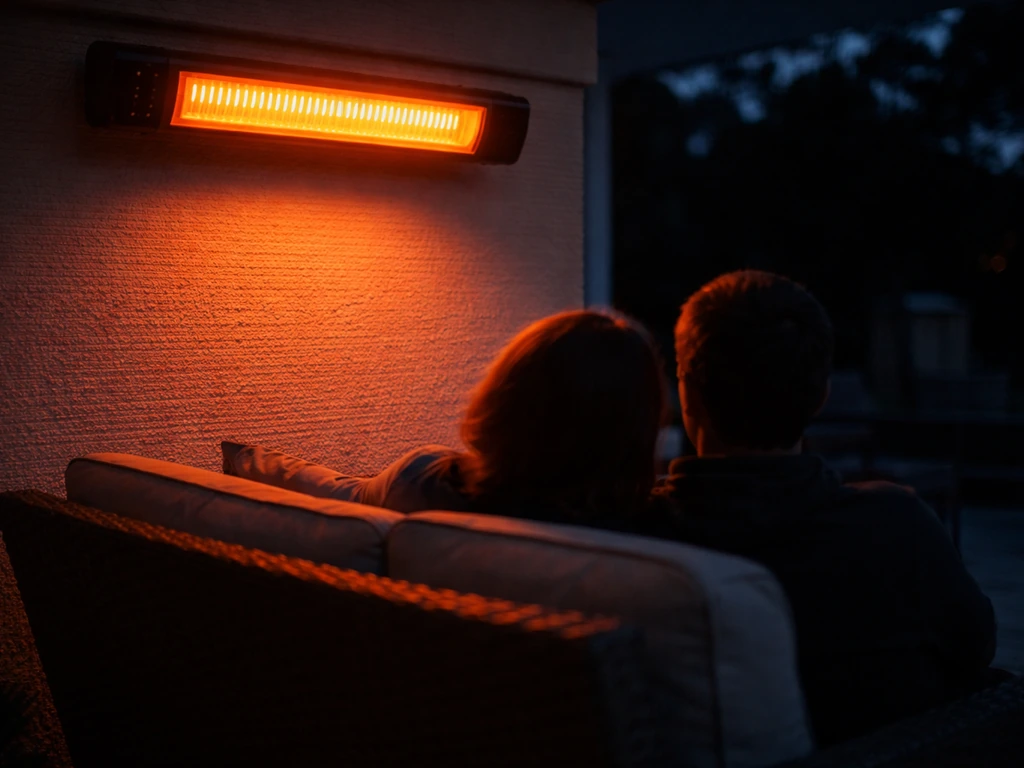
Infrared heaters work by radiating heat directly onto people and objects rather than warming the air. This makes them significantly more wind-resistant than open-flame propane units and more efficient in partially open spaces where warm air would just escape. Wall and ceiling-mounted infrared units are the best choice for covered porches, pergolas, and commercial restaurant patios. Look for an IP rating of at least IPX4 (splash resistant) for any outdoor-rated unit; the Heliosa 66 carries an IPX5 rating, meaning it handles rain and spray. Infrared heaters deliver instant warmth with no warm-up lag, which is a practical advantage when guests step outside unexpectedly.
Pellet patio heaters
Pellet heaters are a niche but genuinely compelling option if you want high output and fire ambiance without a permanent gas line. The Even Embers pellet patio heater puts out around 70,000 BTU, and similar units like the Solo Stove Tower hit roughly 72,000 BTU, outpacing most propane towers. The trade-off is fuel management: you're loading wood pellets manually, and ash cleanup is required after each use. They're also subject to the same open-flame clearance requirements as propane (minimum clearances to combustibles are called out in product manuals). Pellet heaters are best for homeowners who want a campfire feel with better heat output than a typical propane unit and are comfortable with slightly more hands-on operation.
Electric vs. infrared vs. pellet: which to choose
| Type | Best For | Biggest Limitation |
|---|---|---|
| Standard Electric | Small covered patios, screened porches, supplemental heat | Lower maximum output, depends on outlet access |
| Infrared (electric) | Covered patios, wind-exposed spaces, commercial use | Requires mounting; less portable than freestanding units |
| Pellet | Open patios, gatherings wanting fire ambiance, high-BTU need | Manual fueling, ash cleanup, not instant-on |
Natural gas patio heaters: installation requirements and ongoing costs
Natural gas patio heaters are the best long-term value for homeowners with an existing gas line who want permanent patio heating without ever buying a propane tank again. The Napoleon PTH2650 is a strong example: it complies with ANSI Z223.1 and CSA B149.1 as stated in its installation manual, delivers consistent output, and once it's installed you just turn a knob. The catch is upfront installation cost. Running a gas line, installing a shutoff valve, and connecting the heater properly must be done by a licensed plumber or gas fitter in virtually every jurisdiction. Consumer Reports confirms that natural gas models generally require professional installation.
Napoleon's own manual specifies clearance distances from combustibles and instructs owners to keep the burner tube clear of insects and debris (spider webs in the burner are a more common problem than most people expect). Annual inspection of the gas connection, hose condition, and igniter is a reasonable maintenance baseline. On the cost side, natural gas is typically cheaper per BTU than propane, so if you're heating a patio several nights a week through a long season, the math works out in favor of natural gas despite the higher install cost.
What to compare in reviews: BTU/coverage, controls, efficiency, portability
When you're reading reviews or comparing models side by side, these are the specs and test results that actually tell you something useful:
- BTU output and adjustability: A single high-BTU number is less useful than knowing whether the unit is adjustable. A heater you can dial from 20,000 to 46,000 BTU is far more practical than one stuck at full output.
- Heat radius at multiple distances: Good reviews (like Bob Vila's methodology) log heat at 3, 5, 8, 10, and 12 feet. A heater that's warm at 3 feet but dead at 8 feet won't cover a real patio seating arrangement.
- Warm-up time: How long until it feels comfortable at about 6 feet? Infrared is nearly instant; propane towers typically take 2 to 5 minutes to reach comfortable output.
- Wind resilience: Was the flame stable in a breeze? Did heat distribution degrade significantly? This is a real performance differentiator that spec sheets won't tell you.
- Controls and thermostat: Remote control (as on the Dr. Infrared DR-238) and adjustable settings are worth paying extra for. Manual dial-only controls are fine for simple use cases.
- Safety features: Look specifically for CSA-certified tip-over switches and auto-shutoff valves on propane and gas models, and tip-over plus overheat shutoff on electric units.
- Ignition reliability: Piezo igniters are convenient but can fail over time. Models with electronic ignition backed by a manual lighting option are more reliable long-term.
- Portability and weight: Does the base have wheels? How heavy is it fully loaded? These details matter when you need to move it to a garage for storage.
- Weather resistance: For electric and infrared units, check the IP rating. IPX4 is minimum for outdoor use; IPX5 handles rain.
The ASTM F2644 commercial patio heater performance test standard formalizes energy input-rate verification and temperature distribution measurement as the basis for professional comparison. While most consumer reviews don't run formal ASTM tests, the best reviewers approximate the methodology with thermometer grids, controlled distances, and multiple test runs rather than just one feel-good impression.
Safety, installation, and maintenance checklist
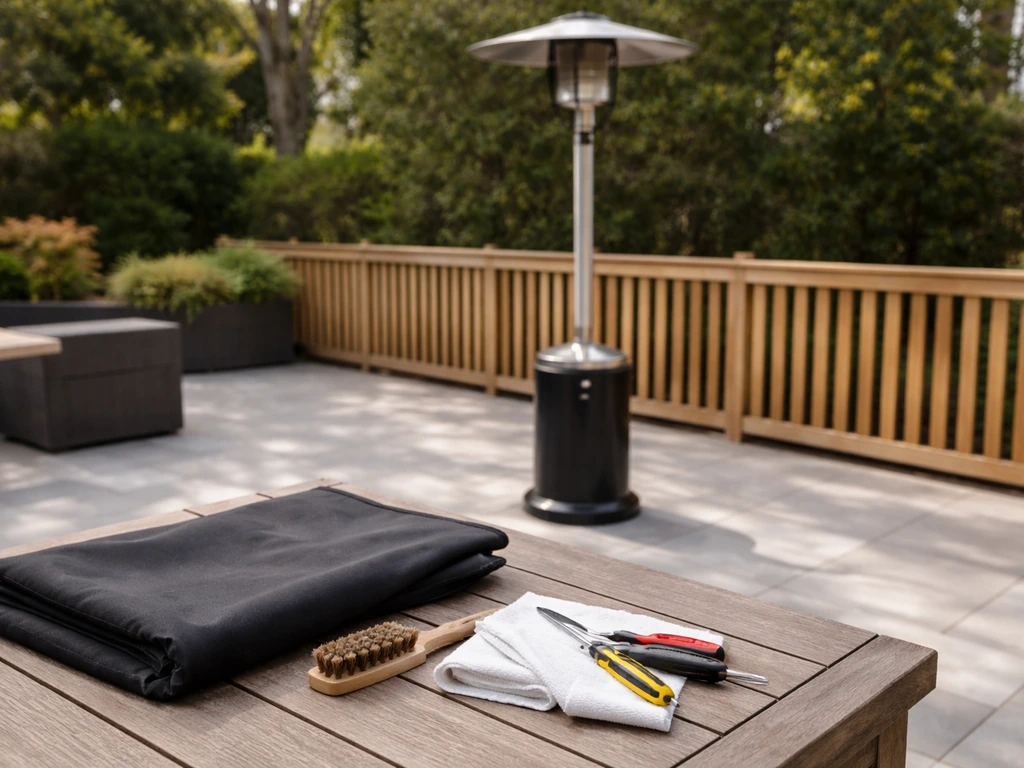
Run through this checklist before first use and at the start of each season. It applies across heater types with a few category-specific notes.
- Clearance check: Maintain at least 3 feet of clearance from all combustibles (furniture, wood railings, fabric canopies, curtains, overhanging plants) for propane and pellet heaters. Check your specific model's manual for exact clearance distances.
- Leak test for propane/gas: After connecting the tank or gas line, apply soap-and-water solution to all fittings and hoses. Turn on the gas (don't ignite). If bubbles appear, shut off immediately and re-check the connection before lighting.
- Inspect hoses and regulators: Look for cracks, kinks, or damage in hoses and regulator connections. OSHA standards specifically require that LP-gas equipment be protected from physical damage and high-temperature exposure.
- Tip-over switch test: On propane and electric models, confirm the tip-over safety switch is functional. Tilt the unit slightly and verify it shuts off as designed.
- Burner tube inspection: For gas heaters (propane and natural gas), inspect the burner tube annually for spider webs, insect nests, or debris blockage. Napoleon's manual specifically calls this out as a fire/safety risk.
- IP rating compliance: If using an electric or infrared heater outdoors, confirm the IP rating matches your exposure level. Don't use an indoor-only rated heater in a space that gets rained on.
- Electrical connections: For hardwired electric models, use a licensed electrician. For plug-in models, use a GFCI-protected outdoor outlet and avoid extension cords rated below the heater's amperage draw.
- Natural gas installation: Any gas line extension or connection must comply with ANSI Z223.1 (US) or CSA B149.1 (Canada) and be done by a licensed professional. NFPA 1 and NFPA 58 both apply to LP-gas heater placement.
- Pellet heater clearance: Follow manufacturer clearance guidelines. Pellet heaters with open flames (like the Even Embers) have the same combustible-clearance requirements as propane.
- Storage: At the end of the season, clean the heater, close the propane valve and disconnect the tank, store the unit in a dry garage or covered area. Never store a connected propane tank indoors.
Operating costs, accessories, and buying tips for 2017
Fuel cost estimates for 2017
In 2017, residential propane prices averaged roughly $2.50 to $3.00 per gallon depending on region and season (EIA propane price history). One gallon of liquid propane contains approximately 91,333 BTU (per 2017 federal energy equivalence data). At a 46,000 BTU output setting, you burn through roughly half a gallon per hour, which works out to about $1.25 to $1.50 per hour of full-output heating. At lower settings, costs drop proportionally. Natural gas runs cheaper per BTU in most US markets, making it the better long-term operational choice if you have the infrastructure. Electric costs vary by local utility rates but typically run $0.10 to $0.20 per kWh; a 1,500-watt electric heater running for an hour costs roughly $0.15 to $0.30.
| Heater Type | Approx. Fuel Cost/Hour (2017) | Notes |
|---|---|---|
| Propane (46,000 BTU full output) | $1.25–$1.50/hr | Based on ~$2.75/gal propane, ~0.5 gal/hr burn |
| Natural Gas | $0.50–$0.90/hr | Lower $/BTU than propane in most US markets |
| Electric (1,500W) | $0.15–$0.30/hr | Depends on local utility rate ($0.10–$0.20/kWh) |
| Pellet | $0.50–$1.00/hr | Wood pellet bags ~$5–$7/40 lb; burn rate varies |
Accessories worth buying
- Weatherproof cover: A fitted cover protects the finish and igniter components between uses. Most major propane towers have brand-matched covers available.
- Propane tank scale or gauge: Knowing how much fuel is left before starting a gathering eliminates the frustration of mid-party refills.
- Wheel kit or caster base: If your heater doesn't include wheels, an aftermarket dolly makes winter storage much easier.
- Extra propane regulator: A backup regulator is cheap insurance. Regulators can fail, especially after winter storage.
- GFCI outlet adapter: For any electric heater plugging into an outdoor outlet that isn't already GFCI-protected.
- Tile or paver base pad: Placing a freestanding propane heater on a non-combustible base (tile or concrete paver) rather than directly on wood decking adds a practical safety margin.
Practical buying tips before you order
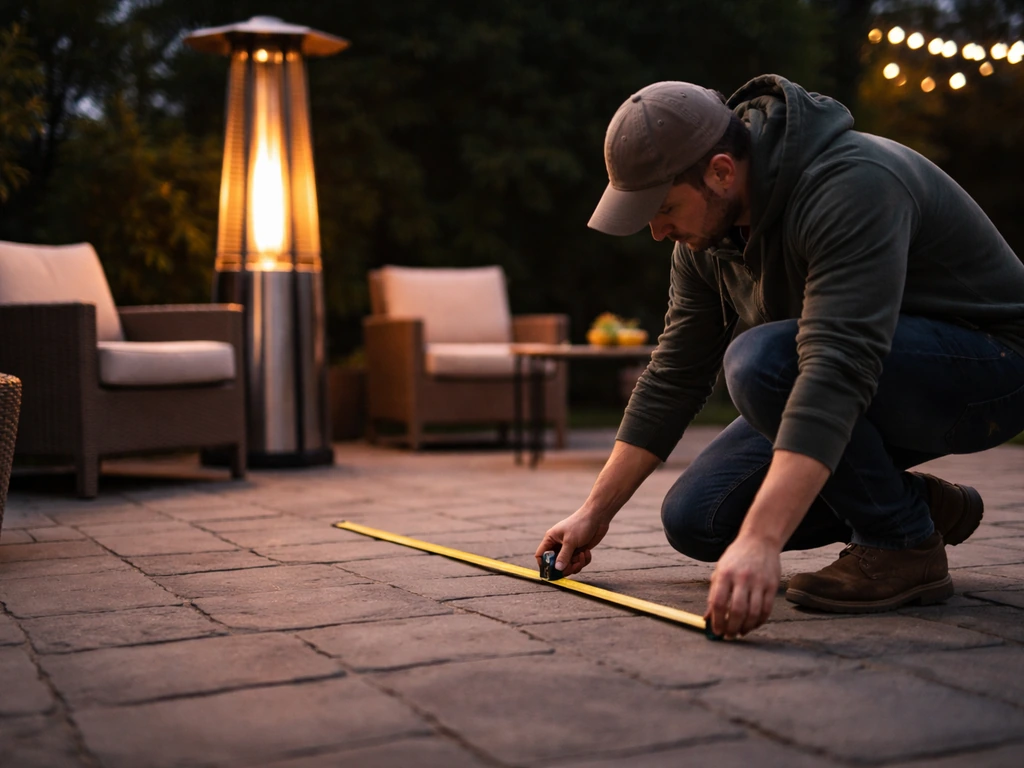
Check your patio type first: covered and enclosed spaces favor electric or natural gas; open patios favor propane towers. Measure your seating zone (not the full patio) and use the 30 BTU per sq ft baseline to size your heater. Read reviews that include actual heat-radius test data at multiple distances, not just BTU claims from the box. Models carried from the prior season (including picks covered in 2015 and 2016 buying guides) often see price drops in 2017, so checking carry-over inventory can land a quality unit for less. And if you're planning to upgrade in 2018, keep in mind that natural gas and hardwired electric units add permanent value to a property in a way that portable propane towers don't.
The bottom line: for most homeowners shopping in 2017, a 46,000 BTU propane tower handles the majority of outdoor heating needs at a low upfront cost, while infrared wall mounts are the smarter pick for covered or commercial patios. If you are still shopping for the best patio heaters 2015, focus on the same mix of output, wind protection, and safety certifications that matter in 2017 46,000 BTU propane tower. Natural gas wins on long-term operating cost if you're willing to invest in installation. Pellet heaters are a worthy choice if you want maximum BTU output and enjoy the fire experience. Match the heater type to your space, verify the safety features are CSA certified, and you'll have a setup that delivers real warmth season after season.
FAQ
Is the “best patio heater 2017” propane 46,000 BTU tower actually enough for my patio?
It depends on your occupied seating zone, not the whole patio. If you have wind exposure or cold nights, use the article’s 30 BTU per sq ft baseline and add roughly 20 to 30 percent. A quick sanity check is whether the manufacturer’s measured heat radius at several distances lines up with where people sit, since BTU numbers alone often overpromise for open-air setups.
What’s the real difference between BTU ratings and heating comfort outdoors?
BTU is fuel input, not how much warmth reaches you. Outdoors, gusts and airflow strip heat away, so comfort depends more on wind resistance and where heat is directed. Infrared models often feel warmer at the same claimed BTU because they deliver radiant energy to people and objects rather than heating air that escapes.
Can I use a propane tower patio heater in a covered patio as long as there is ventilation?
Generally no. The safest approach is to follow the “never indoors or in an enclosed space” guidance, even if there are vents. A covered area can still become an effectively enclosed environment depending on walls, overhang depth, and wind conditions. If you want a protected space setup, choose a hardwired electric or natural gas unit designed for that environment.
How do I handle the “strong wind” problem with propane towers?
Positioning matters. Use semi-enclosed placement, keep the heater away from direct crosswinds, and do not aim it where the flame can be repeatedly pushed sideways. If you can’t shelter the seating area, an infrared or mounted heater usually performs better because it is less dependent on flame stability.
How often should I check propane connections and what’s the best way to do it?
At minimum, do a leak check after connecting a new tank or whenever you move the heater, and at the start of each season. Use the mild soap-and-water method on hose connections, then shut off and re-seat or replace the fitting if bubbles appear. Also visually inspect hoses for cracks or stiffness, which can be missed if you only focus on smell.
Are tip-over shutoff and CSA certification “nice to have,” or do they matter?
They matter. Tip-over protection and automatic shutoff reduce the chance of continuing gas flow if the heater is knocked over, which is a common real-world hazard on patios. If you’re comparing models, verify the safety features are part of the certified unit, not just described in marketing text.
Should I buy based on the number of BTUs even if the heater doesn’t match my climate?
No, matching climate and airflow conditions is more important than getting the highest BTU sticker. In very windy or cold regions, higher-output propane can still lose heat sideways, so a mounted downward-directed heater or infrared option may deliver more usable warmth to people at seating distance.
How can I estimate propane operating cost for my typical usage pattern?
Use the full-output burn rate as a starting point, then adjust for your real settings. The article notes a 46,000 BTU tower can consume about half a gallon per hour at full output, so if you run it at a lower setting for shorter sessions, compute cost by time and approximate proportional fuel use. Also remember that frequent start-and-stop can impact how much time it spends near peak output.
What’s the biggest mistake to avoid when sizing an electric patio heater?
Underestimating that plug-in electric heaters have lower effective heat capacity for open patios. Electric is a strong fit for smaller covered zones or supplemental warmth, but if your area is exposed, the radiant feel and coverage radius may not match what propane provides at similar “comfort” expectations.
Do infrared heaters need warm-up time like propane or electric?
Infrared generally provides faster perceived warmth with less warm-up lag because it radiates directly to people and objects. The practical caveat is that placement and mounting height still matter, so confirm the unit’s coverage pattern matches where guests actually sit or stand.
What outdoor IP rating should I look for on an infrared patio heater?
Aim for at least IPX4 for outdoor-rated use, splash resistant, since patios can get wind-driven rain or spray. If you frequently experience heavier rain or mist, an IPX5 rating gives extra margin. Also ensure the specific model you’re buying is rated for outdoor installation, not just “weather friendly.”
Is a pellet heater a good choice for convenience, or is it more of a hobby setup?
It’s more hands-on. Pellet units require manual loading and routine ash cleanup after use, so they work best for homeowners who enjoy that process. If you want a low-touch weekend or evening gathering setup, propane or natural gas will generally be easier day to day.
What maintenance should I plan for each season with any patio heater?
Beyond general cleaning, do a pre-season safety check: inspect igniters, verify tip-over or auto-shutoff operation where applicable, check clearances to combustibles, and remove debris like insects or spider webs from burner areas. For gas models, also inspect hose or connection condition and confirm fasteners remain secure.
If I already have a gas line, when does natural gas become the better long-term value?
When the installation cost is recouped by lower operating cost over your expected usage season. A practical decision aid is to estimate monthly heater hours, compare propane versus natural gas per BTU using your local rates, and then calculate a simple payback period. If you heat many nights per week, payback is usually faster than if you only use it occasionally.
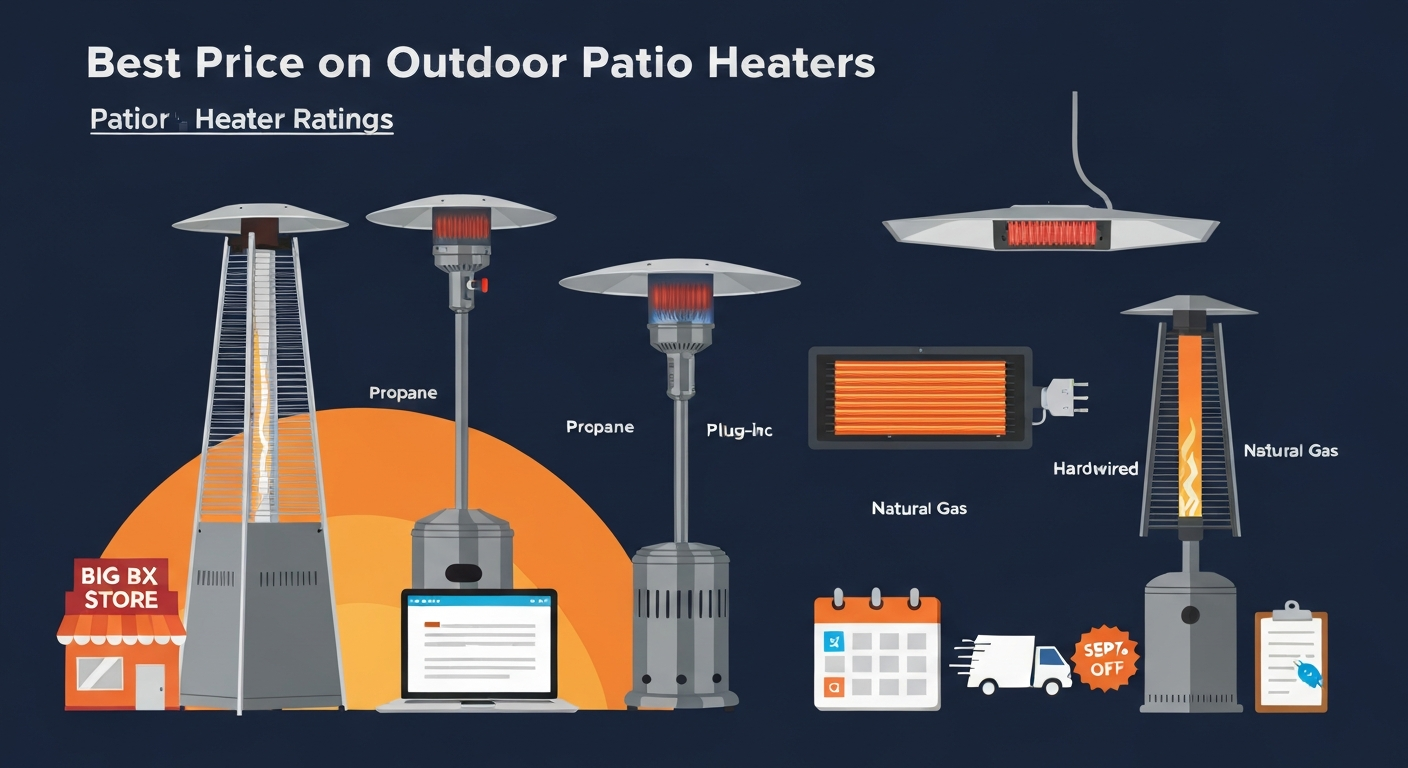
Score the best price on outdoor patio heaters, price ranges, top picks, deal tactics, total-cost & safety checklist.
Find where to rent patio heaters near you today, choose the right fuel type, compare costs, and book safely.
Where to buy a patio heater now, plus electric vs gas vs propane tips, safety checks, and size/BTU buying checklist.