
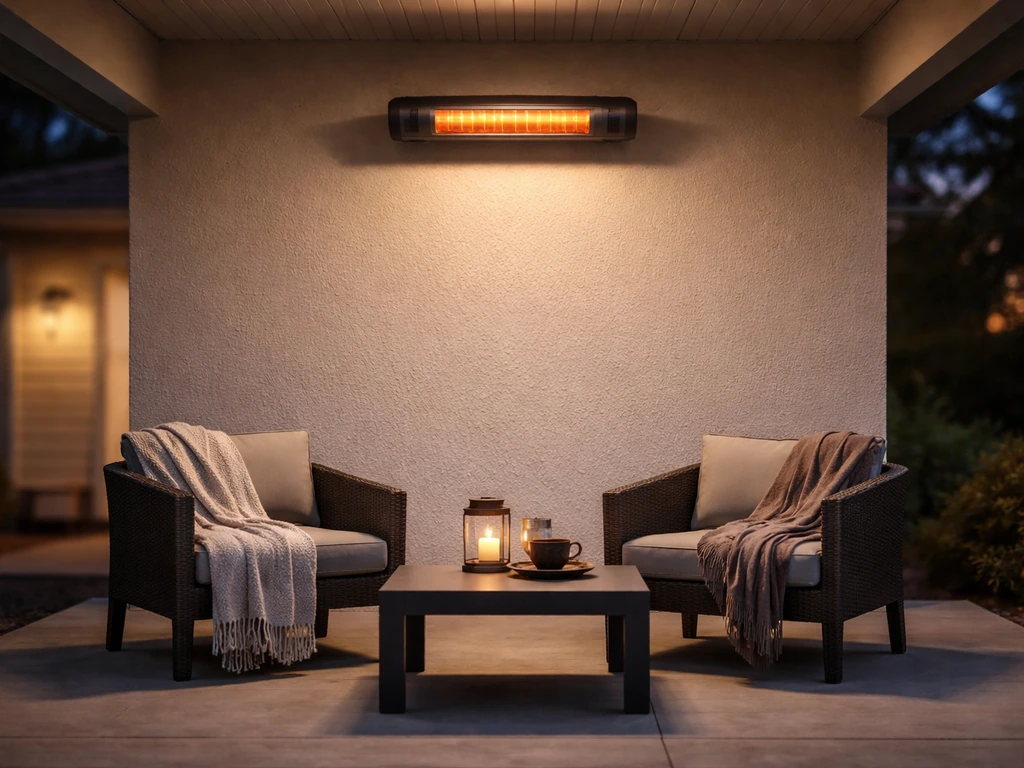
The best electric patio heater for most people in 2022 is a wall-mounted or ceiling-mounted infrared model in the 1,500-watt range. That covers roughly 150 to 200 square feet of usable seating area, runs silently, turns on instantly, and costs around $0.23 per hour to operate at 2022's average U.S. electricity rate of about 15 cents per kWh. If you have a covered patio, a reliable outdoor outlet, and moderate winters, an electric infrared heater is genuinely hard to beat. If your patio is fully exposed, very large, or you regularly deal with sub-freezing temps, read the alternatives section before you buy.
Best Electric Patio Heater 2022: Buying Guide and Top Picks

Caleb Vale
23 Jun 2026
What 'best' actually means for an electric patio heater in 2022
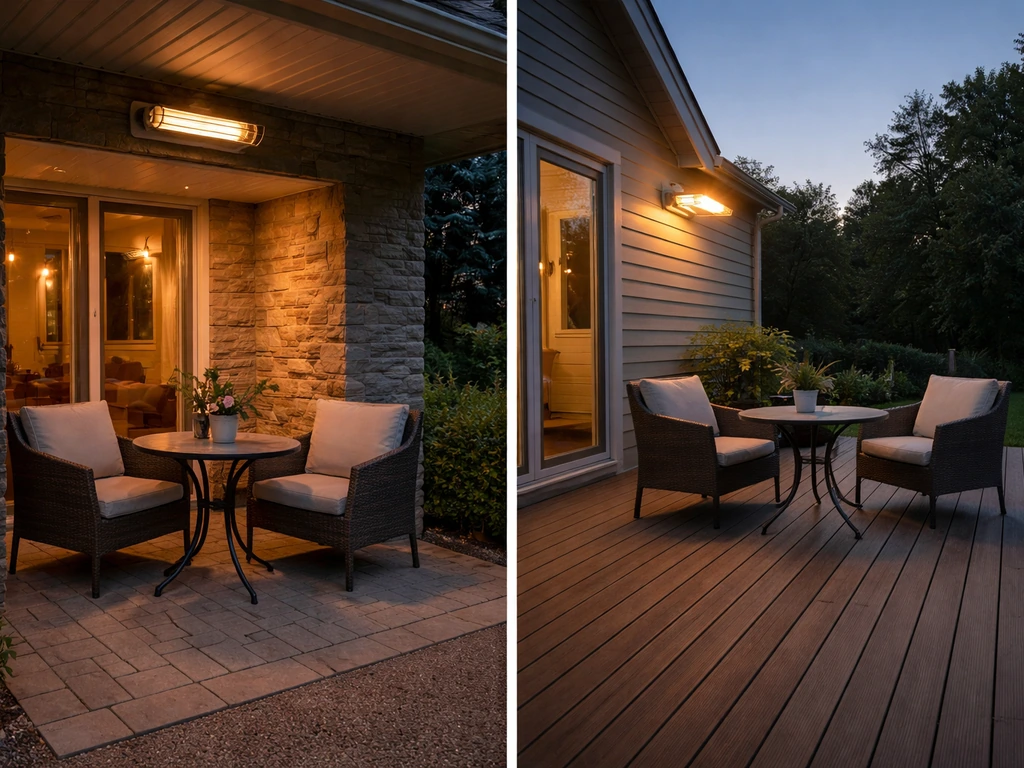
The word 'best' shifts a lot depending on your specific setup. A compact wall heater that's perfect for a screened porch would be useless on a 400-square-foot open deck in the Midwest. If you are shopping for the best electric patio heater 2021, start by matching the coverage and setup to your actual outdoor space. So before looking at specific models, it helps to define what the benchmarks actually are for 2022.
Coverage area is the first filter. Most residential electric patio heaters deliver effective warmth across 100 to 200 square feet when properly aimed. A 1,500-watt unit is the standard ceiling for a single-element heater because that's the maximum load most standard 120V, 15A outdoor circuits can handle without tripping a breaker. Larger patios need either a 240V hardwired heater or multiple units zoned across the space.
Heat delivery type matters just as much as wattage. Electric patio heaters work by emitting infrared radiation that warms people and surfaces directly, not by heating the surrounding air. That distinction is critical outdoors: if you're heating air, wind carries it away immediately. Infrared warmth stays with you. This is why electric infrared heaters feel noticeably warmer than their wattage numbers might suggest compared to a forced-air unit.
Build quality and weatherproofing define the 2022 market divide. Budget models under $100 are fine for covered patios in mild climates. Mid-range models from $150 to $350 typically add IP65 weatherproofing, commercial-grade brackets, and better element longevity. Premium units like the Bromic Platinum Smart-Heat Electric sit above $500 and are designed for semi-permanent installation with architectural aesthetics and smart controls. Understanding which tier fits your use case saves a lot of frustration.
Top picks for 2022: the short list
Rather than ranking these strictly from one to five, here's how they map to actual patio scenarios. Each model earns its spot based on a combination of heat output, build quality, usability features, and real-world performance feedback.
Best overall for covered patios: Dr. Infrared Heater DR-238
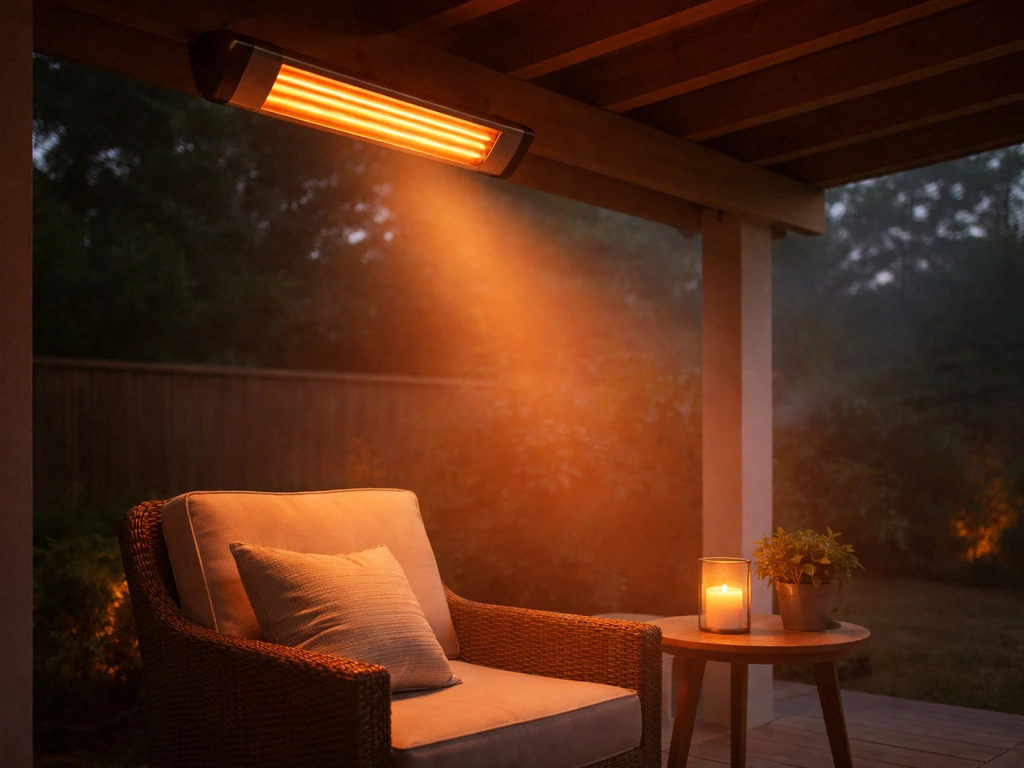
The DR-238 is one of the most practical electric patio heaters available. If you're searching for the best electric patio heater 2019, use the same criteria to compare coverage, heat type, and weatherproofing. It's a carbon infrared wall or ceiling mount unit with three heat settings: 900W (L1), 1,200W (L2), and 1,500W (L3). That flexibility is genuinely useful because you're not stuck running full power on mild nights. It includes a remote control and a timer settable from 0 to 9 hours, so you can set it and walk away. It works well in restaurants, garages, covered decks, and shaded pergolas. It's not rated for rain exposure, so keep it under cover.
Best for budget-conscious buyers: HeatStorm HS-1500-TRC
The HeatStorm HS-1500-TRC is a 1,500-watt infrared quartz heater with about 200 square feet of effective coverage. It comes with tip-over safety shutoff and a digital thermostat with remote, which you don't always get at this price tier. It's a wall-mounted outdoor unit, and while it's not built for harsh weather exposure, it handles sheltered outdoor conditions reliably. Good choice for small to medium covered patios where budget matters.
Best for larger or commercial spaces: Bromic Platinum Smart-Heat Electric
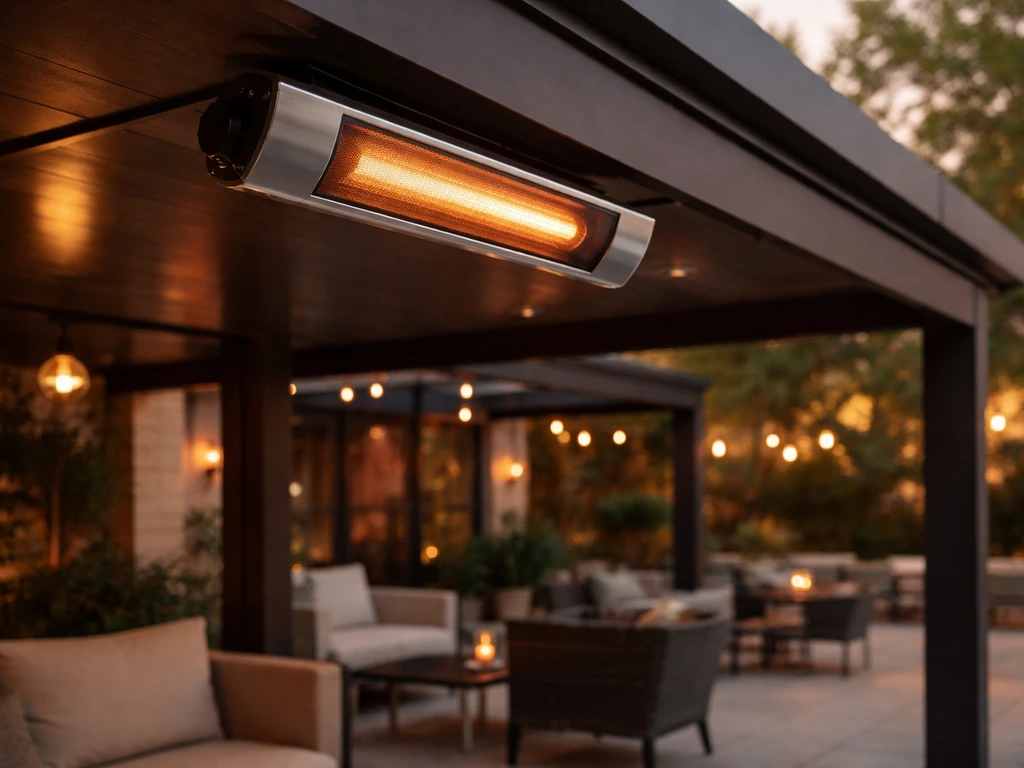
If you're outfitting a restaurant patio, a premium deck, or a space where aesthetics matter alongside performance, the Bromic Platinum Smart-Heat Electric is the standout. It mounts with adjustable brackets so you can direct heat precisely at the seating zone. It's compatible with Bromic's Affinity smart control system for set-and-forget zone management. Multiple units can be zoned and individually switched for large coverage areas. It's a hardwired installation, so you'll need an electrician, and the cost reflects that premium. But the heat delivery, build quality, and longevity justify the price for the right buyer.
Best for wind-exposed patios: Fire Sense Wall Mounted 1500W
The Fire Sense wall-mounted infrared heater claims a 9-foot blanket of heat at 1,500 watts and is marketed specifically as wind-resistant due to its radiant (non-convective) heating mechanism. Because it heats surfaces and people directly rather than the air, breezy conditions don't negate its performance the way they would with a fan-forced or convective heater. It also runs silently, which matters if your patio is a relaxation space. Weatherproof construction makes it suitable for partially exposed spots.
Best for flexible placement: HeatRay America Electric Infrared
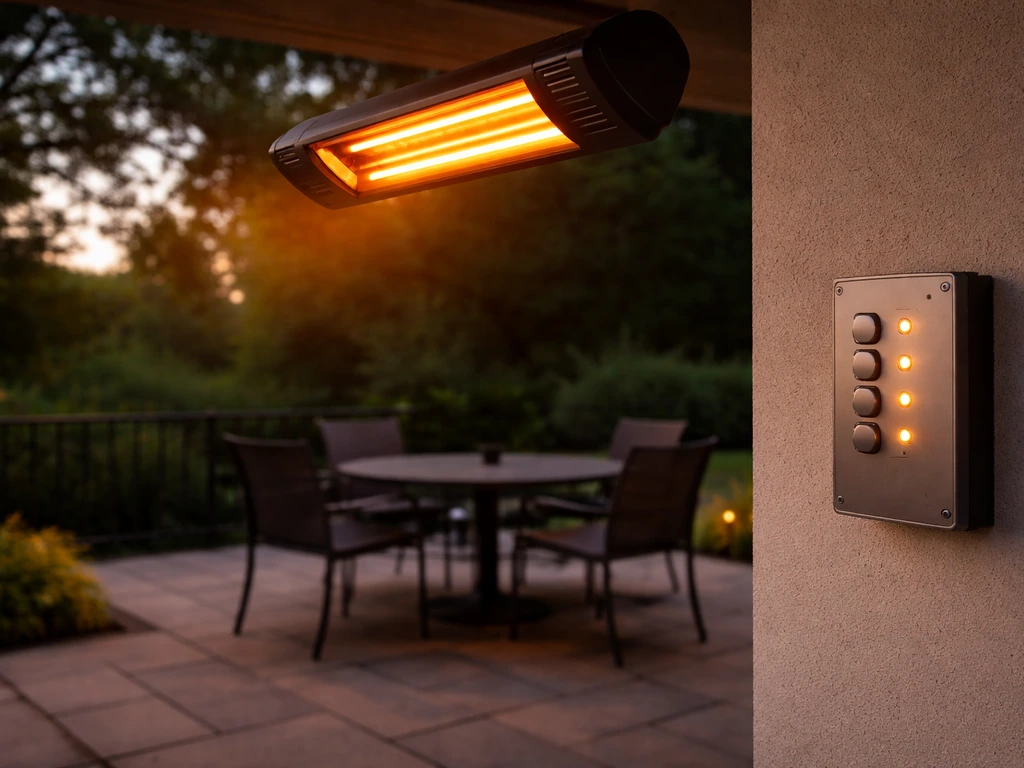
HeatRay's electric infrared line is a strong pick for patios where you want zoned coverage across multiple areas. Individual zone switching lets you heat only the sections that are in use, which keeps running costs down. It's a good fit for L-shaped patios, long narrow decks, or commercial setups where different zones are in use at different times.
How to choose: the specs that actually drive the decision
There are about six spec categories that actually matter when picking an electric patio heater. Everything else is secondary.
| Spec | What to look for | Why it matters |
|---|---|---|
| Wattage | 1,500W for standard 120V circuits; 2,000W–4,000W for 240V hardwired | Sets the ceiling on heat output and coverage area |
| Coverage area | 100–200 sq ft for 1,500W; up to 400 sq ft for 240V units | Match to your seating zone, not total patio size |
| Heat type | Carbon or quartz infrared for outdoors | Infrared warms people directly; unaffected by wind |
| IP/weatherproof rating | IP44 minimum for sheltered; IP65 for exposed locations | Determines safe rain and moisture exposure |
| Safety features | Tip-over shutoff, overheat shutoff, GFCI outlet compatibility | Required for safe outdoor use per UL and NFPA guidance |
| Controls | Remote, timer (0–9 hour), digital thermostat, multi-level heat | Adds comfort and reduces wasted energy |
On wattage: a 1,500-watt unit on a standard 15-amp, 120V outdoor outlet is the realistic maximum for most plug-in setups. If you need more output, you're looking at a 240V hardwired installation. Don't try to run a high-draw heater on an extension cord, especially outdoors.
On coverage: the honest number is smaller than what you'll see on packaging. A 1,500-watt heater rated for 'up to 200 sq ft' is delivering comfortable warmth within about 10 feet of direct line-of-sight exposure. If people are seated at the edge of that radius or facing away from the heater, they'll feel less of it. Size your heater for the actual seating zone, not the total patio footprint.
On safety certifications: look for UL listing (UL 1278 covers household electric heaters and includes provisions relevant to tip-over switch behavior). CPSC staff’s February 2023 assessment discusses how UL 1278 addresses outdoor-use expectations and includes relevant provisions for tip-over switch requirements/behavior blank" rel="noopener noreferrer">UL 1278 covers household electric heaters and includes provisions relevant to tip-over switch behavior. NFPA 1 guidance on outdoor electric patio heaters also highlights clearance from combustibles as a critical installation factor. Both point to the same practical takeaway: buy certified equipment and follow the clearance specs in the manual.
Setup and installation: placement, mounting, and weatherproofing
How you mount and position an electric patio heater makes almost as much difference as the model you choose. A good heater installed in the wrong spot will underperform a mediocre one installed correctly.
- Mount height: most wall and ceiling-mount electric heaters perform best between 7 and 10 feet above the seating area. Too low and you risk a burn hazard from contact; too high and the heat intensity at ground level drops noticeably.
- Angle toward the seating zone: heaters with adjustable mounting brackets (like the Bromic Platinum) let you direct the heat beam directly at seated occupants rather than diffusing it across empty space. Always aim at where people actually sit, not the center of the patio.
- Distance from combustibles: follow the clearance figures in the unit's instruction manual. The Bromic Platinum manual specifies minimum clearances in both millimeters and feet. As a general rule, keep at least 3 feet of clearance from any fabric, wood, or overhead structure.
- Cord and wiring management: use weatherproof conduit or cable channels to route wiring along walls or overhead structures. Never run extension cords under rugs or through windows for permanent heater setups.
- GFCI outlet: all outdoor electric heater installations should be on a GFCI-protected outdoor-rated outlet. This is code in most jurisdictions and a genuine safety requirement, not a suggestion.
- Weatherproofing the mounting hardware: use stainless steel or galvanized hardware for any brackets or screws exposed to moisture. Standard zinc-coated hardware corrodes quickly outdoors, especially in coastal or high-humidity climates.
For hardwired units like the Bromic Platinum, hire a licensed electrician to run the circuit. A 240V installation is not a DIY job for most homeowners, and doing it incorrectly creates both a fire risk and a code violation that can affect your homeowner's insurance.
Real-world performance: what it actually feels like to use one
Electric infrared heaters turn on instantly, which is one of their best practical advantages over propane mushroom-style heaters that need a minute or two to reach stable output. Sit down, click the remote, and you feel heat within seconds. That responsiveness makes timers and remotes more useful here than they'd be with slower-heating options.
The warmth you feel is spot warmth, not ambient warmth. You're being heated the same way sunlight heats you: directly. Move out of the line-of-sight beam and the effect drops off fast. This is important to manage expectations: guests seated directly under or in front of the heater will be comfortable; guests at the edge or with their backs to it will notice. For larger groups or irregular seating layouts, multiple heaters or a zoned setup (like HeatRay's zone-switching approach) is the practical answer.
Noise is essentially zero with quality infrared units. No fan, no combustion, no clicking. This is a genuine comfort advantage for patios where conversation or ambient quiet matters. The only exception is some cheaper models with cooling fans, which can be annoying at low-heat settings.
In windy conditions, electric infrared significantly outperforms propane-style heaters. Because the heat is radiant rather than convective, a gust doesn't carry it away. The Fire Sense 1,500W model is marketed explicitly on this point, but it's true of any quality infrared electric unit: wind resistance is a structural advantage of the heat-delivery method, not just a marketing claim.
Effective temperature range for electric patio heaters is roughly down to about 20 to 25°F ambient temperature for a well-positioned 1,500-watt unit. Below that, the heater is working against too large a temperature differential and you'll feel the limits. If you're regularly in sub-freezing weather, this is where a higher-wattage 240V unit or a propane heater's higher BTU output becomes relevant.
Running costs and energy efficiency
The math on electric patio heater operating costs is straightforward. Divide wattage by 1,000 to get kilowatt-hours per hour, then multiply by your local electricity rate. At the 2022 U.S. average residential rate of approximately 15 cents per kWh (the EIA reported 15.12 cents/kWh for 2022), here's what actual usage looks like:
| Wattage / Mode | kWh per hour | Cost per hour (at $0.15/kWh) | Cost for 3-hour evening |
|---|---|---|---|
| 900W (DR-238 L1) | 0.9 kWh | $0.14 | $0.41 |
| 1,200W (DR-238 L2) | 1.2 kWh | $0.18 | $0.54 |
| 1,500W (full power) | 1.5 kWh | $0.23 | $0.68 |
| 2,000W (240V unit) | 2.0 kWh | $0.30 | $0.90 |
| 4,000W (large 240V) | 4.0 kWh | $0.60 | $1.80 |
A 1,500-watt heater running three evenings a week for six months costs roughly $35 to $50 for the season at average 2022 rates. That's significantly cheaper than propane for the same usage pattern. Propane tank refills add up quickly during heavy use.
Multi-level heat settings (like the DR-238's three modes) are a genuine efficiency feature, not just a comfort one. Running at 900W on mild nights instead of 1,500W cuts hourly cost by 40%. Timers that automatically shut the heater off after 3 to 9 hours prevent the common scenario of leaving it on after everyone has gone inside, which is where most electricity waste happens.
One note on 'efficiency': electric infrared heaters convert nearly 100% of their electrical input to usable radiant heat. There's no combustion waste, no pilot light, no heat lost to venting. In pure conversion terms, electric infrared is as efficient as heating technology gets. The limitation isn't efficiency, it's output ceiling per standard circuit.
Safety and maintenance for outdoor electric heaters
Outdoor electrical equipment has specific risks that indoor use doesn't. The NFPA's outdoor heater safety guidance and CPSC warnings both flag electric patio heaters as requiring attention to placement, circuit protection, and weather exposure. Here's what actually matters in practice.
- Always use a GFCI-protected outdoor-rated outlet. Ground fault protection is the primary defense against electrocution from moisture intrusion. Most residential electrical codes require GFCI protection for all outdoor outlets.
- Check the IP rating before mounting in rain-exposed locations. IP44 means protected against water splashing from any direction. IP65 means dust-tight and protected against low-pressure water jets. If your heater will get rained on, IP44 is a minimum; IP65 is better.
- Tip-over protection: UL 1278 includes provisions for tip-over switch behavior on portable electric heaters. For freestanding units on patios, tip-over shutoff is a non-negotiable safety feature. Wall and ceiling mounts eliminate this risk entirely, which is one reason they're preferred for permanent installations.
- Overheat shutoff: any heater used in an enclosed or semi-enclosed space should have an automatic thermal shutoff. Red-hot heating elements near fabric cushions, patio umbrellas, or wood structures can ignite materials quickly if the heater malfunctions.
- Clear combustibles before use: per NFPA guidance, keep at minimum 3 feet of clearance on all sides from fabric, wood, and other combustibles. Check that overhead clearances are met, especially with pergola canopies or fabric shade sails.
- Rain and snow: even IP65-rated heaters should not be left energized during heavy rain or snow. Turn them off and, ideally, cover or store them during extended weather exposure.
- Routine maintenance: wipe the reflector and element housing clean once a month during use season. Debris buildup on the reflector reduces heat output noticeably. Inspect the power cord for cracking, fraying, or moisture damage at the start of each season.
- End-of-season storage: if you're in a climate with hard winters, dismounting and storing wall-hung units indoors extends their lifespan substantially. Moisture cycling through freeze-thaw cycles degrades housing seals and element mounts over time.
If electric isn't the right fit: comparing your alternatives
Electric infrared is the right choice for a lot of setups, but it's not right for every patio. Here's an honest comparison against the main alternatives so you can make a confident call.
| Heater Type | Best for | Limitations | Typical output |
|---|---|---|---|
| Electric infrared (1,500W plug-in) | Covered patios, windy areas, low-noise needs, small-to-medium spaces | Limited to ~200 sq ft per unit; requires outdoor outlet; lower BTUs than gas | ~5,100 BTU |
| Electric infrared (240V hardwired) | Large covered patios, commercial use, premium installs | Requires electrician; higher upfront cost | Up to ~13,600 BTU |
| Propane (portable, freestanding) | Large open patios, no power access, high-BTU needs, cold climates | Fuel cost adds up; wind reduces efficiency; tank logistics; not wind-resistant | 30,000–50,000 BTU |
| Natural gas (hardwired) | Permanent commercial or high-use residential setups | Requires gas line installation; permits; not portable | 30,000–50,000 BTU |
| Propane/gas infrared (mounted) | Covered large patios needing high output and infrared delivery | Requires gas supply; more installation complexity than electric | 15,000–35,000 BTU |
Propane wins on raw output. A standard mushroom-style propane tower puts out 40,000 BTUs compared to roughly 5,100 BTUs from a 1,500-watt electric unit. If you're trying to keep people warm on a 600-square-foot open deck on a 30°F night, propane is the realistic answer. Consumer Reports notes that patio heater options span electric, propane, and natural gas types, with each having distinct trade-offs around placement, safety, and ongoing cost.
Natural gas makes sense if you already have a gas line near your patio or you're doing a full outdoor kitchen build. The per-unit energy cost is lower than both electricity and propane at scale, and you never run out of fuel mid-evening. The barrier is installation: you need a gas line extension and typically a permit.
If you've been comparing 2022 models against earlier years, the core technology hasn't changed radically from what was available in 2020 or 2021. What's shifted is availability, pricing, and the expansion of smart-control integration (like Bromic's Affinity system). Prior years' guides cover the same fundamental specs, so a heater that rated well in 2020 or 2021 is still a valid buy today if you can find it at a good price. If you're specifically searching for the best electric patio heater 2020 choices, look for models that still rate well on coverage, weatherproofing, and infrared performance.
Your next steps: match the heater to your actual patio
Here's how to wrap this up practically. Start with your patio's coverage need and power access. If you have a standard outdoor outlet and a covered patio under 200 square feet, the DR-238 or HeatStorm HS-1500-TRC gets you there at reasonable cost. If you have a larger covered space or a commercial application, price out the Bromic Platinum with a hardwired 240V circuit. If your patio is open to the elements, wind-exposed, and larger than 300 square feet, seriously consider whether a propane unit better matches your needs before committing to electric.
On cost: budget $0.23 per hour for a 1,500-watt unit at 2022 rates. A full outdoor heating season of three evenings a week is genuinely affordable. On installation: plan for a GFCI outlet, proper clearances, and adjustable mounting if possible. On safety: buy a certified unit with overheat and tip-over protection, keep combustibles clear, and inspect the cord and housing every season. Do those things and an electric patio heater will serve you reliably for years.
FAQ
Can I use a heavy-duty extension cord or power strip with the best electric patio heater 2022?
Most plug-in models that run at 1,500 watts are meant for a dedicated outdoor GFCI outlet, not an indoor extension cord or power strip. Even if the heater “fits” on an outlet physically, extension cords outdoors add voltage drop and overheating risk, and they can void safety expectations. If you need more reach, use a properly rated outdoor-rated fixed solution or reposition the heater.
Why does a 1,500-watt electric heater feel weak even though it says it covers up to 200 sq ft?
Coverage claims are based on direct line-of-sight and people positioned within roughly the effective radius. If your seating faces away from the heater, or guests are farther back than your plan, you can feel cold even with a high watt rating. The practical fix is to center the heater over the seating zone and consider two smaller heaters (or zoned switching) for wide or irregular layouts.
Will an electric patio heater heat the entire patio the way a furnace would?
Electric infrared heaters should not be relied on as whole-air heating. They warm surfaces and people in the beam, so if you want warmth everywhere in a room-like enclosure you may need a different approach. Use infrared for “spot comfort” on outdoor seating, and expect that uncovered areas, corners, and the far edges will feel cooler.
Can I mount an electric infrared patio heater under a covered patio where it might get some rain or melting snow?
A partially enclosed patio can work, but the key difference is whether the heater is rated for rain or damp exposure, and whether it has sealed electrical components. Some budget units are not rain rated, even if they look weather resistant. Check the IP rating and the manual’s exposure instructions before mounting under a roof but in a location where water can splash.
How should I position the heater for the strongest warmth on my seating area?
For best results, aim the heater so the majority of guests are in the direct infrared line, then keep recommended clearance to combustibles. The “height and angle” matter because infrared intensity drops with distance. If your model has adjustable brackets, fine-tune the direction so the beam hits the seating area, not the empty outer edge of the deck.
What’s the best way to reduce running costs besides using a timer?
Timers help, but they do not solve placement or zoning. If you leave it running when nobody is under the beam, you still pay for electricity, even at a reduced setting. The most efficient setup is using the heater’s multiple heat levels and a timer, then turning off zones that are not being used.
How well do electric infrared patio heaters handle strong wind compared with propane?
Infrared units generally outperform propane in wind because radiant heat is not carried away the way heated air is. However, wind can still affect performance if it blocks or disperses the line-of-sight between the heater and people, especially on very tall, exposed decks. Choose wall or ceiling mounting that lowers exposure to direct gust paths and keep furniture placement within the beam.
Can I get more than 1,500 watts from a plug-in electric patio heater?
Not usually. Most 1,500-watt plug-in heaters are limited by 120V circuit capacity, so exceeding 1,500 watts typically requires a 240V hardwired unit and proper permitting. If you see “more power” advertised for a plug-in, confirm the voltage and circuit requirements before buying.
What safety checks should I do each season before using an electric patio heater?
Many quality models include overheat or tip-over protection, but outdoor use still requires seasonal inspection. Check the housing for cracks, confirm the mounting is secure, ensure the cord and connections remain undamaged, and make sure the heater’s intake area (if any) and surrounding clearances stay unobstructed. Replace parts or the unit if you notice brittleness, corrosion, or loose wiring.
At what outdoor temperature will a 1,500-watt electric heater stop being comfortable?
In real use, “effective” comfort commonly drops at very low ambient temps because the heat loss to the environment increases. If you’re consistently below the heater’s practical range (roughly the low 20s Fahrenheit for a typical 1,500-watt unit), you may feel limited warmth. Consider a higher-output 240V solution, a propane option, or add wind protection to reduce heat loss.
Is one heater enough for parties, or should I buy multiple units for a larger patio?
For groups, the most reliable approach is zoning or multiple units so guests do not have to cluster under one heater. A single heater that covers the “overall patio size” can still leave edges uncomfortably cool. If your layout is L-shaped or you host in different sections at different times, multiple smaller heaters or a zoned system often beats one centrally placed unit.
How do I maintain an electric infrared patio heater so it stays effective year after year?
To keep infrared performance consistent, clean surfaces according to the manual, avoid covering vents or grilles, and keep the heater free of debris that blocks the emission path. For quartz or similar infrared elements, do not use harsh cleaners unless the manufacturer recommends it. If the unit has smart controls, confirm the firmware/app setup is stable before the season starts to avoid last-minute pairing issues.
Next Articles
Best Electric Heater Patio: Top Picks and Buying Guide
Find the best electric patio heater: top picks by use, coverage, wind resistance, safety, and patio size matching.
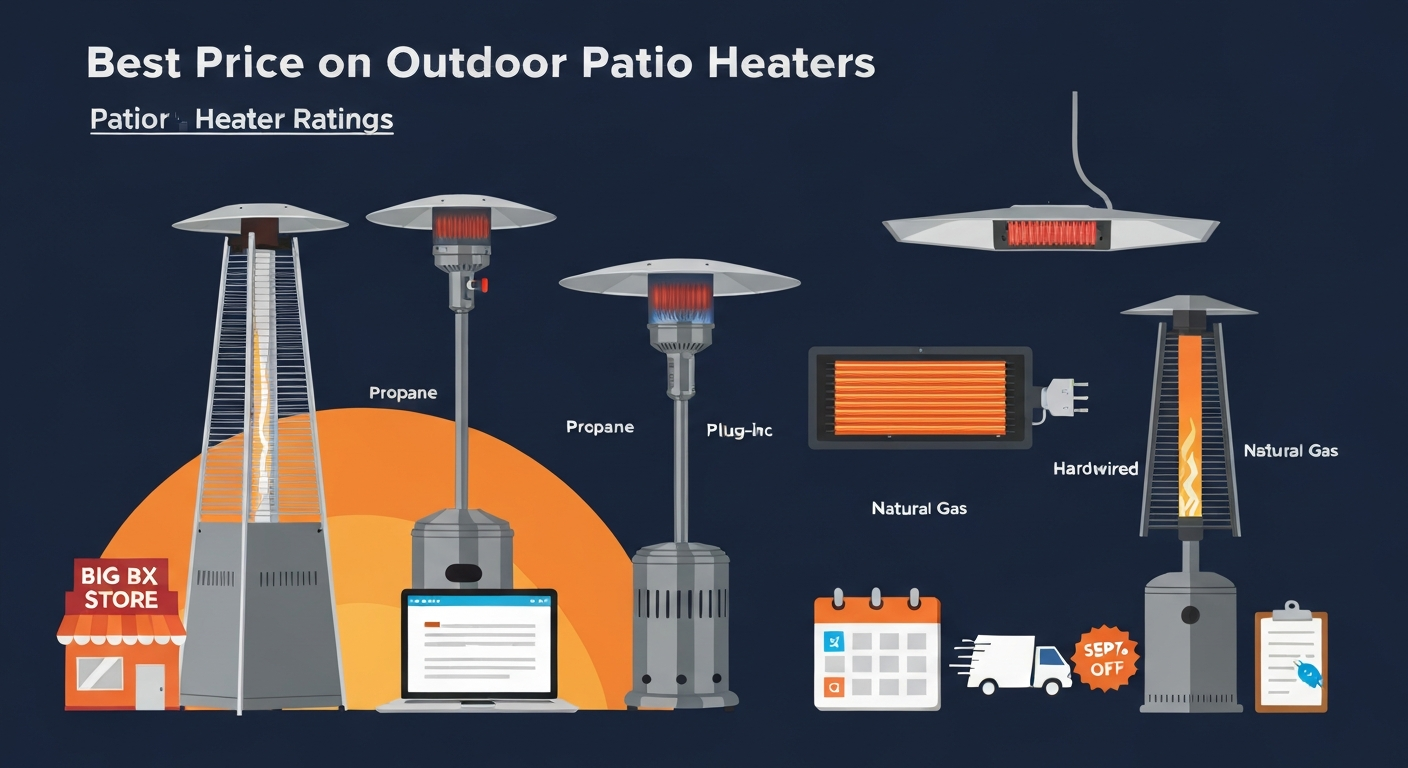
Best Price on Outdoor Patio Heaters: Compare Costs & Deals
Score the best price on outdoor patio heaters, price ranges, top picks, deal tactics, total-cost & safety checklist.
Where Can I Rent Patio Heaters Near Me Today
Find where to rent patio heaters near you today, choose the right fuel type, compare costs, and book safely.