
Yes, patio heaters are worth it for most people, but with a clear condition: you need the right type for your space and climate. A well-matched heater can extend your usable outdoor season by 2 to 4 months, keep a 10x10 ft seating area genuinely comfortable in temperatures as low as 25 to 30°F, and cost between $0.10 and $0.80 per hour to run depending on the fuel type. Get the wrong one, and you'll end up with a space heater that barely makes a dent on a cold or breezy night. This guide walks through what actually works, what it costs, and how to choose.
Are Patio Heaters Worth It? Costs, Coverage, and Best Types

Caleb Vale
30 Jun 2026
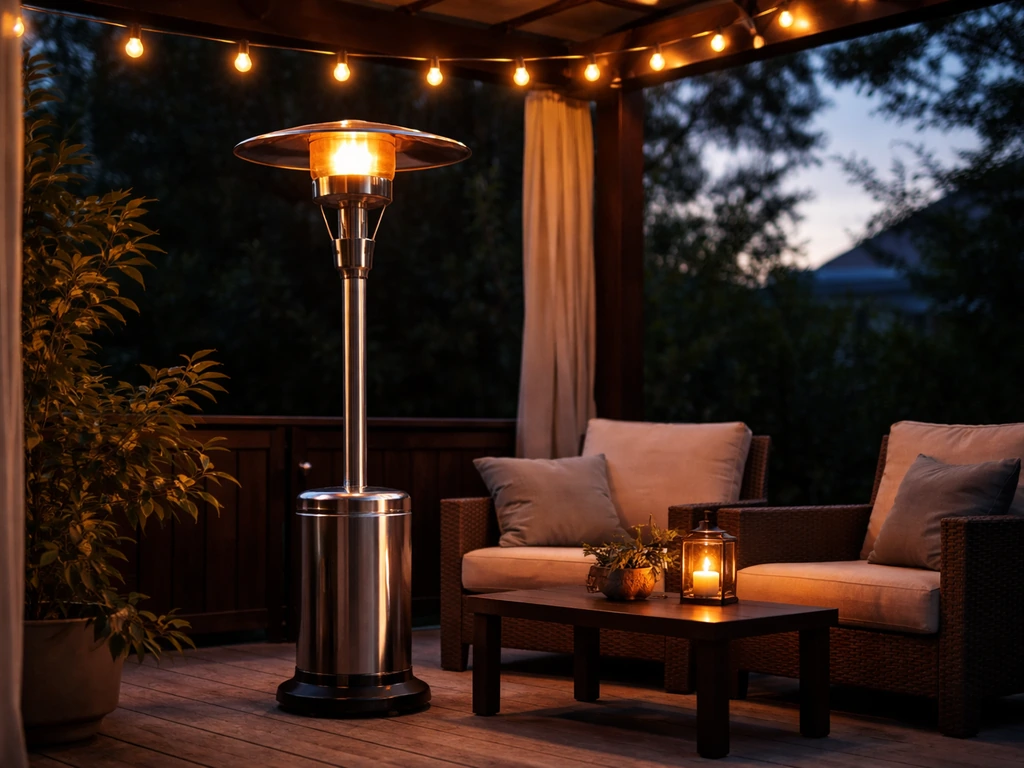
Quick verdict: when patio heaters are worth it
Patio heaters are absolutely worth it when you have a defined seating area you use regularly outside of peak summer months. If you're a homeowner running a fire table or trying to keep a restaurant patio open in October, a properly sized heater pays back quickly in comfort and extended use. They're less worth it if your patio is very large and open, you're in a consistently windy location without any overhead structure, or you only go outside on perfect weather days. The value comes from consistent use across a season, not occasional weekend fires.
- Worth it: Covered or semi-enclosed patios, 3-season climates, regular evening use, restaurant or bar patios
- Worth it: Smaller defined seating zones (10x10 ft to 14x14 ft) where a single or paired heater provides full coverage
- Worth it: Homeowners wanting to extend fall/spring use into lower 30s°F
- Less worth it: Fully exposed, windy, large patios without walls or overhead coverage
- Less worth it: Climates that drop below 10 to 15°F regularly, where even high-BTU heaters struggle
- Less worth it: Infrequent users who go outside only a handful of times per season
Do electric patio heaters work?
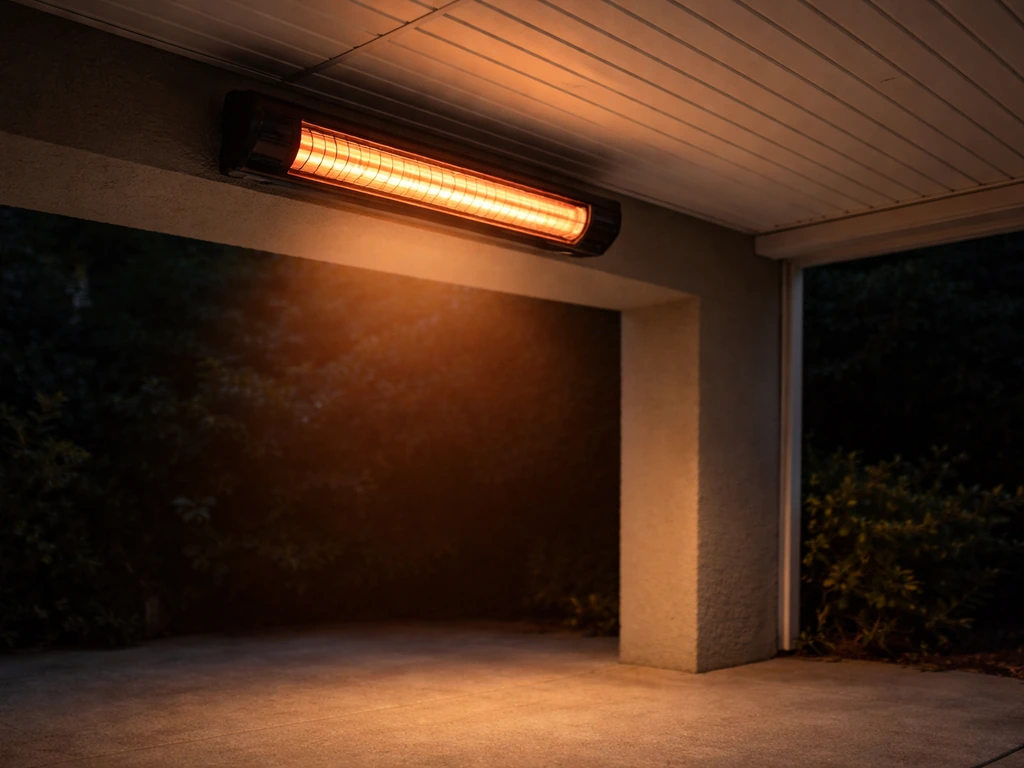
Electric patio heaters work extremely well when they're mounted correctly and matched to the right space size. The best electric models use infrared technology, meaning they heat objects and people directly rather than warming the surrounding air (which dissipates fast outdoors). That's the core reason infrared electric heaters perform better than older convection-style electric units in outdoor settings.
Coverage is the honest limiting factor. A quality electric infrared heater like the Infratech CD-60 series covers approximately 11x11 ft when mounted at 8 to 12 ft high. Sunpak uses a practical rule of thumb in their design guidance: each heater covers roughly 10x10 ft. For a 200 sq ft patio, you're looking at two heaters minimum. The Bromic Tungsten Smart-Heat Electric uses a mirror-finish anodized rear reflector specifically to direct radiant energy that would otherwise be lost back toward the target zone, which meaningfully improves efficiency compared to models without this design.
Electric infrared heaters perform best in covered or semi-enclosed spaces. A pergola, covered deck, or patio roof dramatically improves effectiveness because the infrared radiation bounces off nearby surfaces rather than dispersing into open sky. In fully open patios without overhead structure, you'll notice noticeably less warmth, especially if any wind is present. Wind doesn't damage an electric heater, but it strips body heat fast and reduces the felt temperature significantly.
Electric heaters do have real advantages beyond coverage: they heat up almost instantly (under 30 seconds for most infrared models), require zero fuel storage, have no combustion risks, and need minimal maintenance. For small to medium covered patios in mild climates, they're often the best all-around choice.
Are gas patio heaters any good?
Gas heaters, both propane and natural gas, are excellent for larger spaces and colder temperatures. They put out significantly more raw heat than most electric models, making them the go-to choice for commercial patios, open-air spaces, and anyone dealing with temperatures regularly dipping into the mid-30s°F or lower.
Propane vs natural gas: which one to pick
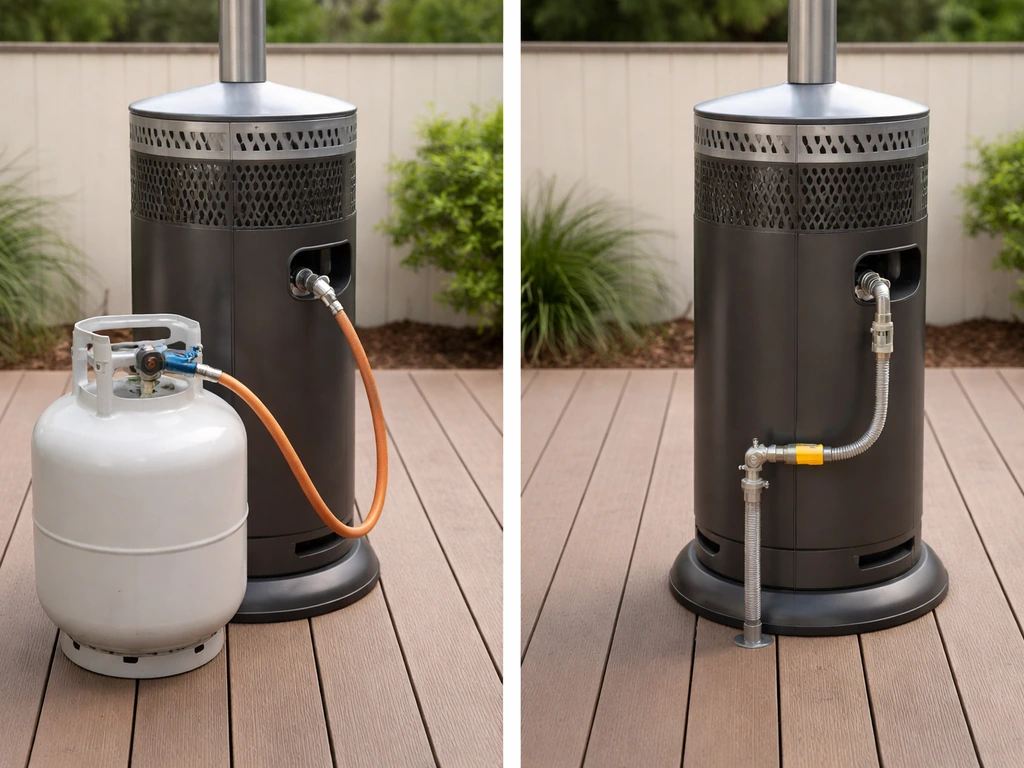
Propane heaters are portable and require no permanent gas line, which makes them the default choice for most homeowners. Standard freestanding mushroom-style propane heaters run at 40,000 to 46,000 BTU and cover a radius of roughly 10 to 20 ft depending on the model and wind conditions. The trade-off is the ongoing cost of propane tanks and the inconvenience of running out mid-evening.
Natural gas heaters connect directly to your home's gas line, eliminating both issues, but require a licensed plumber for installation and a gas stub-out on or near the patio. If you already have natural gas service and plan to leave the heater in a fixed location permanently, natural gas is almost always the better long-term choice. If you want flexibility to move the heater around or you don't want to deal with gas line installation, propane wins on convenience.
Both fuel types offer excellent heat output. Natural gas burns at a slightly lower cost per BTU than propane in most U.S. markets as of mid-2026, though regional pricing varies. Gas heaters also allow variable flame control, so you can dial down output on milder nights. Most quality units from brands like Sunpak and Bromic feature adjustable controls and can operate at partial output to reduce fuel consumption.
How patio heaters actually perform in real conditions
Specs on a box tell you BTUs or watts. What they don't tell you is how much of that energy actually reaches the people sitting on your patio. Wind, mounting height, reflector design, and heater placement all reduce the real-world warmth you feel compared to peak rated output. In short, the answer is that patio heaters can be effective, but only when you match the type, coverage, and mounting to your space and conditions real-world warmth you feel.
Wind is the biggest performance killer for any patio heater. The Synergy Patio Heater manual explicitly warns that placing heaters too far apart or using them on breezy or wind-swept patios blank" rel="noopener noreferrer">decreases effectiveness. A 3 to 5 mph breeze can reduce felt warmth by 30 to 40%, and anything above 10 mph makes most heaters feel like they're barely running at all. This is why enclosed or semi-enclosed patios make such a dramatic difference in heater performance. In practice, they do work best when the heater type, mounting height, and wind conditions match your patio setup patio heaters work.
Mounting height matters as much as wattage or BTUs. The Detroit Radiant Products IR Series manual includes manufacturer charts showing recommended mounting heights, distances, and reflector angles for both spot and area heating configurations. The general rule: lower mounting heights concentrate heat in a smaller zone (good for a dining table), while higher mounting angles spread heat over a broader area at reduced intensity. Getting this geometry right often matters more than buying a higher-wattage heater.
For practical planning, use 10x10 ft per heater as your baseline coverage unit for electric infrared and most residential gas heaters. The Sunpak design guidance specifically suggests this as a layout rule of thumb for their heaters mounted at appropriate heights and angled up to 30°. The Sunstar sizing documents back this up with their minimum area coverage per heater calculations. For a 20x15 ft covered patio, you're typically looking at two to three heaters arranged to overlap slightly in the center of the space.
Distance from the heater also significantly affects comfort. In colder weather, patio heaters can help, but their performance depends heavily on wind, coverage, and the heater type you choose patio heaters below freezing. Infrared heaters provide intense warmth close in (within 6 to 8 ft) and noticeably less warmth at 12 to 15 ft. If you're mounting a single heater and seating guests 15 ft away, you'll likely be disappointed. This is where having reviewed dozens of real-world installations makes a difference: most first-time buyers underestimate how many heaters a medium-to-large patio actually needs for consistent comfort across the whole seating area.
The real cost breakdown: is the math worth it?
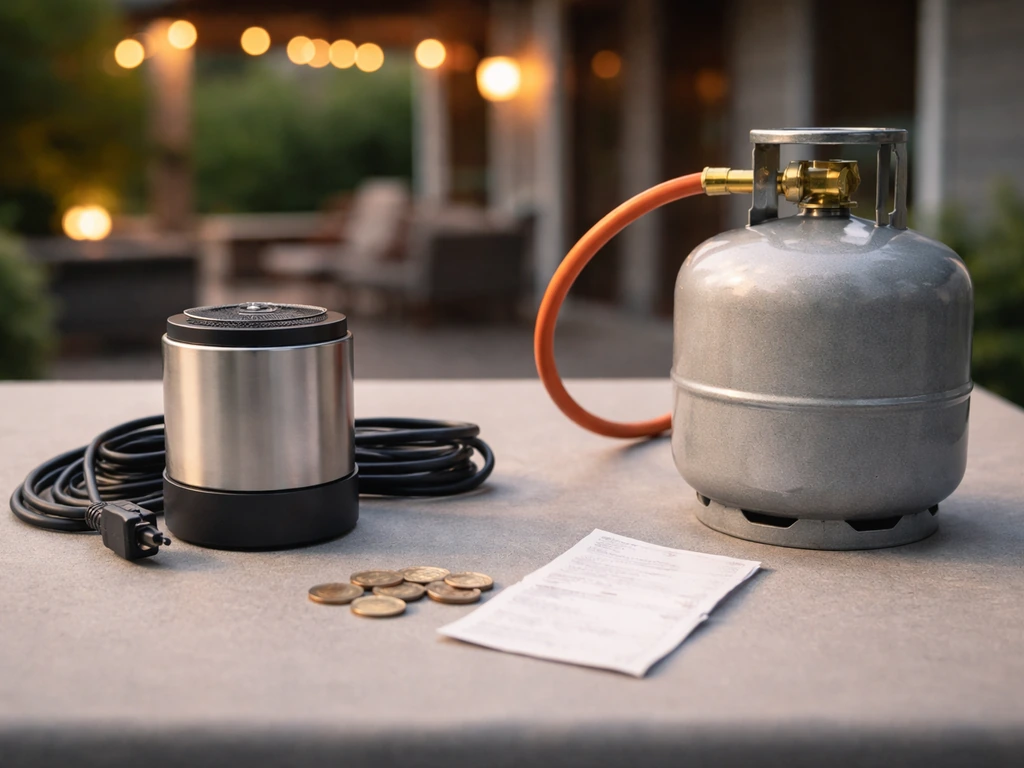
Purchase price and running costs together determine whether a patio heater is financially worth it. Here's an honest breakdown of what you'll actually spend.
| Heater Type | Typical Purchase Price | Output | Estimated Running Cost/Hour | Best For |
|---|---|---|---|---|
| Electric Infrared (wall/ceiling mount) | $200–$800 | 1,500–6,000 watts | $0.18–$0.72 (at $0.12/kWh avg) | Covered patios, small to medium spaces |
| Propane Freestanding | $100–$400 | 30,000–46,000 BTU | $0.50–$0.90 (at ~$3.50/gal) | Portable use, medium open spaces |
| Propane Mounted/Overhead | $300–$900 | 25,000–50,000 BTU | $0.45–$0.85 (at ~$3.50/gal) | Fixed covered patios, commercial use |
| Natural Gas Mounted | $400–$1,200+ | 25,000–75,000 BTU | $0.15–$0.45 (at ~$1.20/therm avg) | Permanent installs, large patios, commercial |
| Infrared Electric (high-end commercial) | $800–$2,500 | 4,000–10,000 watts | $0.48–$1.20 (at $0.12/kWh avg) | Large covered areas, restaurants |
Natural gas comes out cheapest to run per BTU in most markets, especially for heavy users. If you're running a heater 3 to 4 hours a night, 4 nights a week across a 5-month season, natural gas can save $200 to $400 per season compared to propane, even after accounting for installation costs. Electric infrared costs more per hour than natural gas but less than propane in most regions, and that gap is closing as propane prices have trended higher. For light to moderate home use, electric infrared and propane are roughly comparable in annual running costs. For commercial use or anyone using heaters 15+ hours per week, natural gas wins clearly.
Don't forget installation costs. A natural gas line extension to your patio runs $300 to $800 or more depending on distance from your meter and local labor rates. Ceiling or wall-mounted electric infrared units require a 240V dedicated circuit in most cases, adding $150 to $400 for an electrician. Freestanding propane heaters cost nothing extra to set up, which is a real advantage for the budget-conscious or renters.
Safety, setup, and maintenance by heater type
Electric infrared
Electric infrared heaters are the safest option for residential use. No open flame, no combustion gases, no carbon monoxide risk. The main safety considerations are proper mounting (follow the manufacturer's minimum clearance distances, typically 18 to 36 inches from any combustible surface), making sure the circuit is rated for the heater's load, and keeping the reflector surface clean. Dust and grime on the reflector reduce output and can cause hot spots. Wipe the element housing and reflector with a dry cloth a few times per season. Most electric infrared units require minimal maintenance beyond this.
Propane heaters
Propane heaters require more attention to safety. Always use heaters in well-ventilated outdoor areas only (never enclosed garages or indoor spaces). Check the hose and regulator for cracks or leaks before each season by applying soapy water to connections and watching for bubbles. Store propane tanks upright in a ventilated area away from direct sunlight and heat sources. Freestanding mushroom heaters should be positioned on a stable, level surface away from overhanging materials. Most propane heaters have a tip-over shutoff valve, but verify yours does before use. Annual maintenance includes cleaning the burner orifice with compressed air to prevent clogs.
Natural gas heaters
Natural gas heaters carry similar safety requirements to propane but are permanently installed. Have a licensed plumber install the gas line and connection. After installation, test for leaks using the same soapy water method. Natural gas heaters should also be installed per manufacturer clearance requirements, especially for ceiling-mounted overhead models where heat rises toward combustible patio materials. Annual maintenance includes inspecting the burner assembly, cleaning burner ports, and checking the igniter. Most quality gas heaters are built for long service life with minimal upkeep beyond annual inspection.
What to actually buy: matching heater type to your patio
The single most important decision is not which brand to buy, but which fuel type and mounting style fits your specific patio. Answer these three questions first: How big is your seating area? Is your patio covered or open? How often and how cold do you want to heat?
- Measure your primary seating zone in square feet, not your total patio. You're heating people, not pavement. Most residential setups are 80 to 200 sq ft.
- Identify if you have overhead structure (pergola, roof, awning). If yes, ceiling-mount or wall-mount electric infrared or overhead gas heaters become viable. If no overhead, freestanding propane or high-output mushroom heaters are your practical options.
- Count heater zones at 100 sq ft per heater (conservative) or 150 sq ft per heater (moderate). For a 150 sq ft covered patio, budget for 1 to 2 heaters.
- For mild climates (winters rarely below 35°F), electric infrared is often the most practical choice. For cold climates (frequent 25 to 35°F evenings), go with high-BTU gas heaters.
- If you're renting, can't do electrical or gas work, or want portability, propane freestanding is the default. If you own the home and plan to use the patio for years, invest in mounted electric or natural gas for better economics.
- Target at least 4,000 to 6,000 watts for electric infrared or 30,000 to 50,000 BTU for gas in a standard residential covered patio. Undersized heaters are the most common source of buyer disappointment.
For anyone still deciding between electric and infrared specifically, it's worth noting that modern infrared patio heaters represent the best of both worlds in many covered-patio situations: the instant-on convenience of electric with far better radiant heat delivery than older resistive coil heaters. If you want to go deeper on how infrared models specifically stack up, or whether any type of patio heater holds up below freezing, those performance questions have their own detailed breakdowns worth reading before you commit to a purchase. That leads directly into the question of whether patio heaters work in winter, especially in colder, windier conditions whether any type of patio heater holds up below freezing.
Bottom line: for a 100 to 200 sq ft covered patio used 3 to 5 nights per week from September through November (and again in spring), a patio heater will almost certainly be worth the investment. Buy enough heaters to cover your seating zone properly, match the fuel type to your setup, and mount at the right height. Do those three things and you'll wonder how you ever used your patio without one.
FAQ
If my patio is uncovered, are patio heaters still worth it in colder months?
They can be, but only if you accept reduced “felt warmth” and plan for wind. For uncovered patios, choose infrared and mount it high enough to spread heat while keeping seating close (typically within 6 to 10 ft). You will usually need more heaters than the 10x10 ft rule to avoid cold gaps, so budget for overlapping coverage.
Are patio heaters worth it if we only use them on weekends?
Usually not. The “payback” depends on consistent use across a season because fuel and electricity cost adds up. If you only use the heater for a few nights, a fire pit or a smaller spot-heater strategy (one heater focused on the dining table) often delivers better value per hour.
How do I tell whether the BTUs or watts rating is misleading?
Treat ratings as maximum output, not comfort guarantees. Real warmth depends on wind exposure, mounting height, reflector or directional design, and your distance from seating. A practical check is whether the product offers a stated coverage area with mounting instructions, if it does not, you should assume you will undershoot and buy extra units.
Can I use a single heater to warm an entire 200 sq ft patio?
Not comfortably in most cases. For typical electric infrared and residential gas layouts, coverage is closer to “area per heater” plus overlap needs, meaning a single unit commonly leaves the far edge noticeably cooler. Plan on multiple heaters spaced so their warm zones overlap in the center of the seating area.
Do patio heaters work when the temperature is below freezing?
They can, but performance is limited by wind and distance. Infrared heaters are strongest near the heater and drop off quickly, so seating at 12 to 15 ft is often disappointing. Gas models tend to feel more powerful in mid-30s and colder, but even they lose effectiveness in gusty conditions, so add coverage and consider windbreaks.
Is it better to buy one powerful heater or two smaller ones?
For most patios, two smaller units placed correctly is better than one high-output unit. Multiple heaters reduce cold spots, improve average comfort across the seating zone, and give you more control over which areas need heat. Only choose one unit when the patio is small and fully covered with seating near the heater.
What’s the biggest mistake people make when installing patio heaters?
They mount at the wrong height or place the heater too far from where people sit. A heater’s geometry (angle, spacing, and distance) determines how heat reaches bodies, not just wattage. Follow the manufacturer’s mounting chart, then confirm the target zone is within the distance where the heater feels strongest.
Do I need a dedicated electrical circuit for electric infrared patio heaters?
Often yes. Many infrared units require a 240V dedicated circuit, and running them on an undersized shared circuit can cause breaker trips or poor performance. Before buying, check your panel capacity and plan for an electrician if your setup is not already a dedicated outdoor-rated circuit.
How windy is too windy for patio heaters to be effective?
Wind is the main “comfort killer.” If you routinely see steady breezes that push away heat from the seating area, expect a large drop in felt warmth even if the heater is on high. In practice, semi-enclosed or wind-blocked patios get noticeably better results, and open patios may require more heaters and closer seating.
Are patio heaters safe to use under a pergola or near a roof?
Yes, if you respect clearance distances and account for heat reflecting back. Infrared units still require minimum clearance from combustibles, and overhead gas heaters need careful installation so heat does not rise into patio materials. If you cannot achieve safe clearance, choose a different mounting style (wall vs ceiling vs freestanding) or increase separation.
How often should I clean and maintain patio heaters?
At least a seasonal check is standard, and more frequent cleaning is helpful if your patio is dusty. For electric infrared heaters, wipe the reflector and element housing with a dry cloth a few times per season to prevent hot spots and output loss. For gas units, plan on annual inspection and cleaning of burner ports or burner components per the manual.
Do propane and natural gas heaters differ in how quickly they heat people?
Infrared electric heaters are typically fastest, propane and natural gas are also generally quick, but they are less “instant to body-level comfort” at long distances. If your priority is immediate comfort on arrival, infrared is usually more satisfying, while gas is often better when you need sustained warmth over a larger or colder area.
Next Articles
Do Patio Heaters Work? How Well They Heat Your Patio
Learn how well patio heaters heat outdoors, what affects coverage, BTUs vs watts, and how to choose safely for your pati
Review Patio Heaters: Best Types, Coverage, Costs, Safety
Review patio heaters with coverage, costs, safety, and model comparisons to pick the best propane, electric, gas, infrar
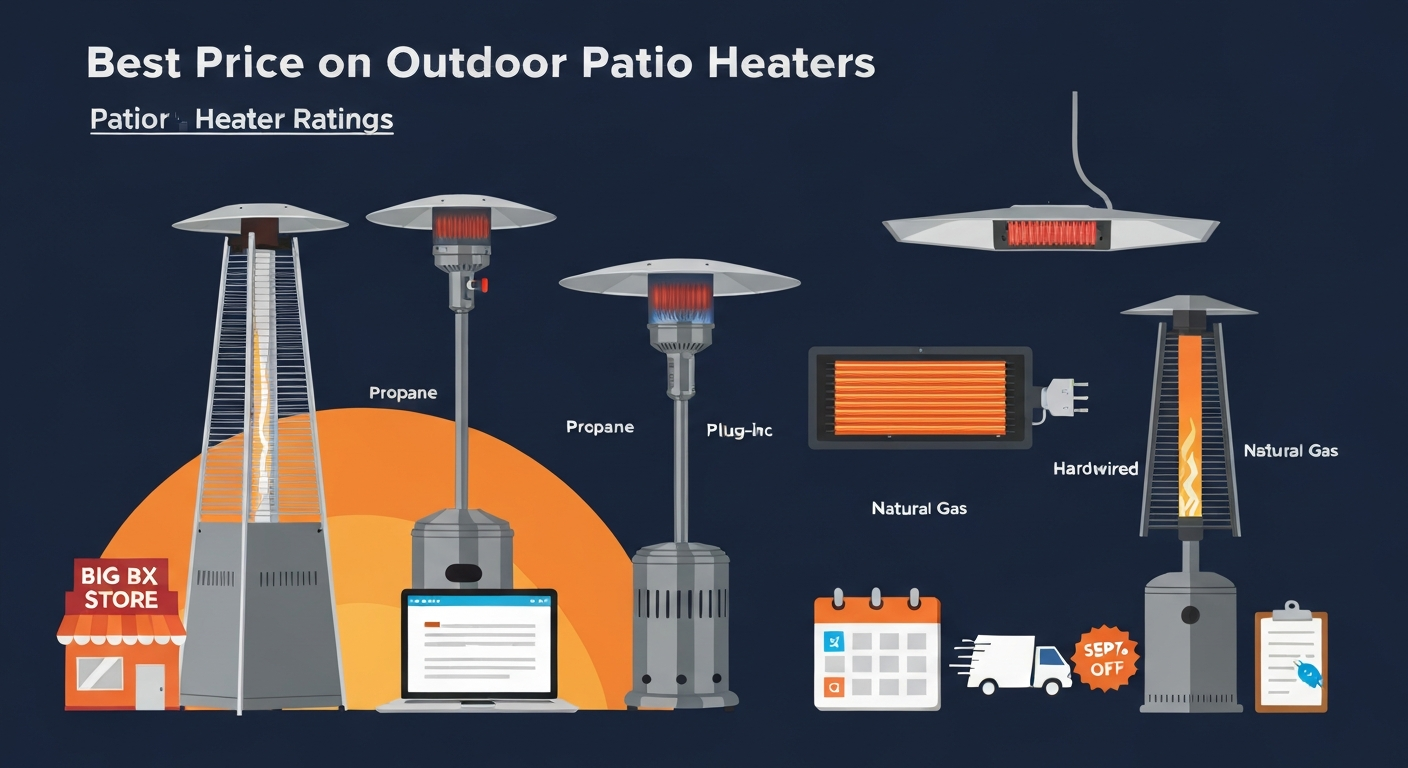
Best Price on Outdoor Patio Heaters: Compare Costs & Deals
Score the best price on outdoor patio heaters, price ranges, top picks, deal tactics, total-cost & safety checklist.