
Yes, patio heaters do have an environmental impact, but how bad depends entirely on the fuel type, how efficiently the unit converts energy to heat, and how you use it. Propane and natural gas heaters burn fossil fuels directly and emit CO₂, NOx, and carbon monoxide. Electric heaters produce zero direct emissions at the unit itself, but they're only as clean as your electricity grid. Radiant infrared heaters are more efficient at delivering usable warmth, not inherently zero-emission. And pellet or wood-style heaters produce particulate matter that can genuinely foul local air quality. The good news: a few practical changes to how you choose and run a patio heater can cut its footprint significantly without sacrificing comfort.
Are Patio Heaters Bad for the Environment? Impacts and Fixes

Caleb Vale
6 Jul 2026
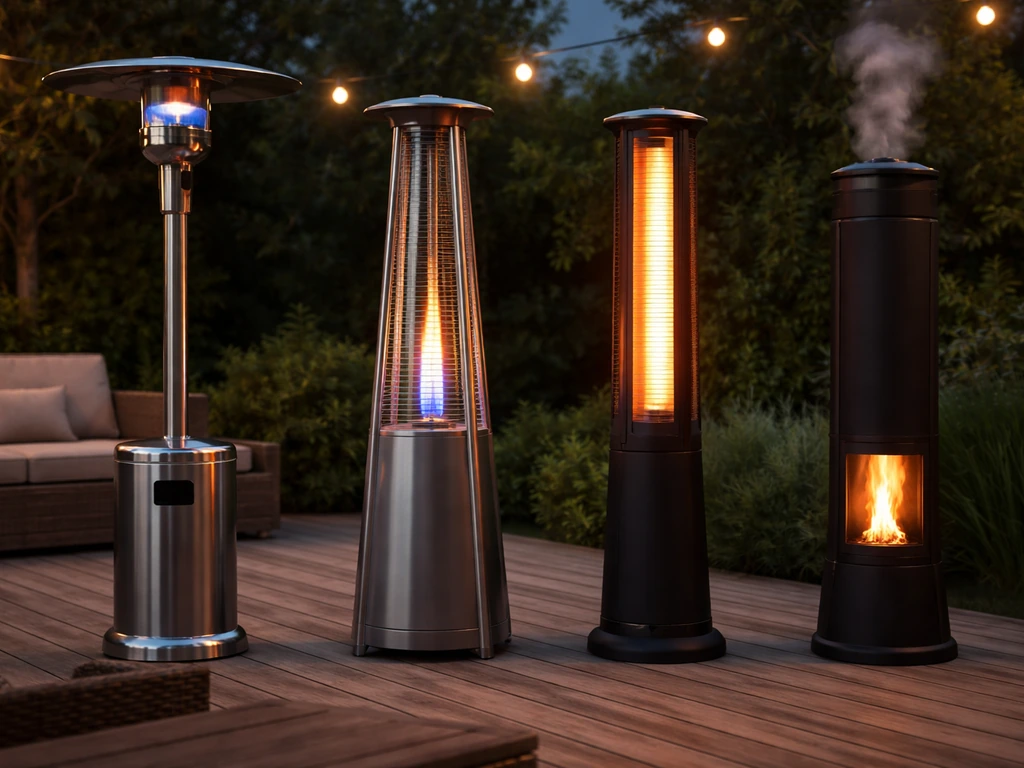
Environmental impact by heater type
Propane heaters
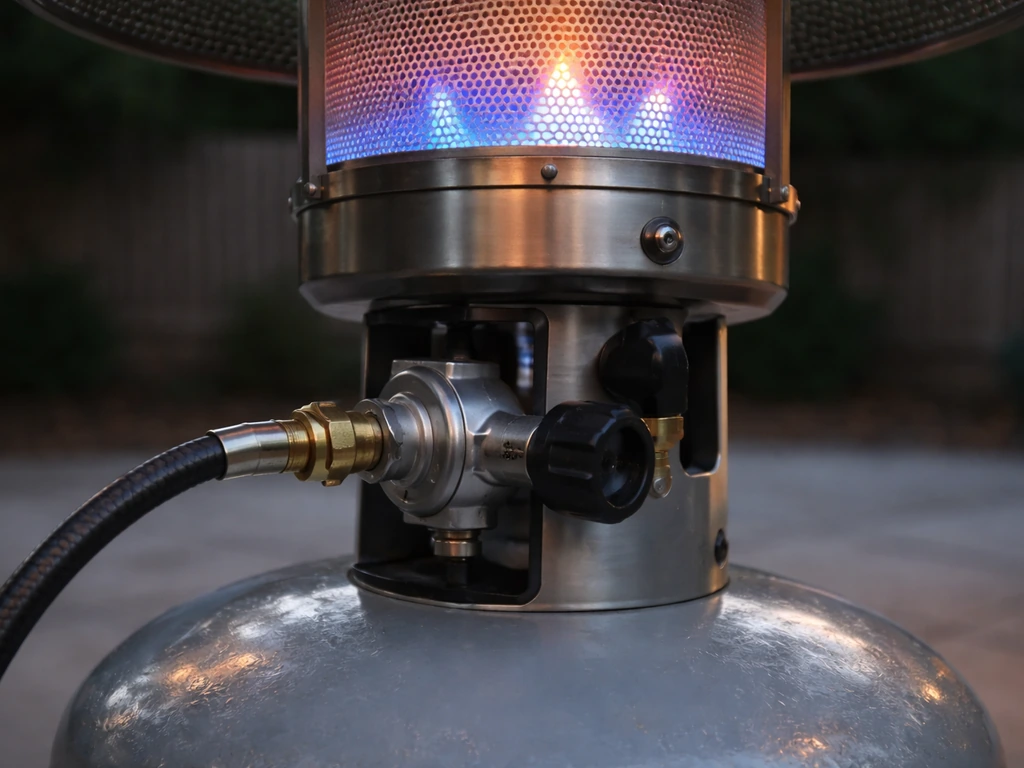
Propane is a refined petroleum product, and burning it releases CO₂ directly into your backyard. The EIA puts propane's CO₂ emissions coefficient at approximately 138.63 lb of CO₂ per million Btu of energy burned. A standard 40,000 BTU/hr patio mushroom heater running for four hours burns roughly one gallon of propane and releases around 12–13 lbs of CO₂ in a single evening session. That adds up fast if you're running it nightly from September through November. Beyond CO₂, combustion also produces NOx and trace carbon monoxide. The impacts are real, but propane heaters are highly portable and need no grid connection, which matters in some settings.
Natural gas heaters
Natural gas burns cleaner than propane in terms of CO₂ per BTU, but it's still a fossil fuel with direct combustion emissions. The bigger hidden factor with natural gas is methane leakage, which occurs during extraction and pipeline transport. Methane is a potent greenhouse gas. For a fixed, plumbed-in patio heater running on natural gas, the operational CO₂ output is lower than propane per BTU, but the lifecycle emissions picture is less flattering. Natural gas heaters are also almost always permanently mounted, which limits flexibility.
Electric heaters (including plug-in infrared)
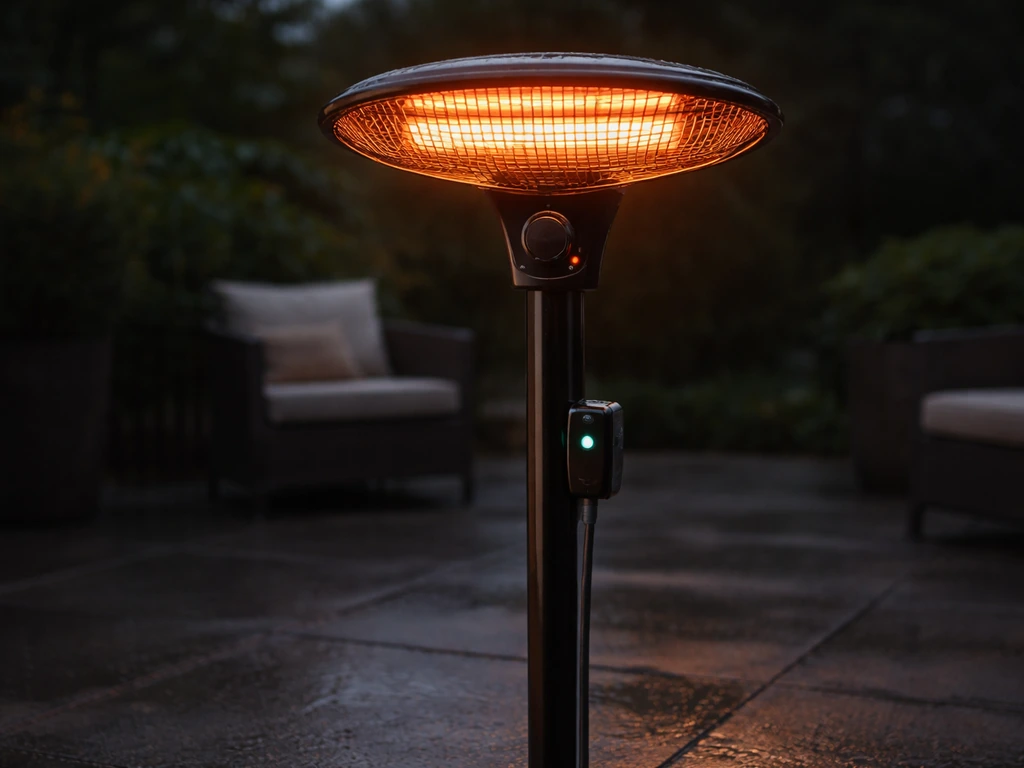
Electric patio heaters produce zero direct emissions at the unit. To make the most of an electric patio heater, also confirm it is waterproof so it can handle rain and damp conditions safely electric patio heaters waterproof. There's no flame, no combustion, no CO or NOx coming off the heater itself. But the emissions happen upstream at the power plant.
The EPA's eGRID dataset maps regional electricity emission factors across the U. EPA describes eGRID as a comprehensive dataset with emissions and generation attributes for U. S. electricity, used for greenhouse gas inventories and carbon-footprint calculations [EPA's eGRID dataset](https://www.
epa. gov/egrid). S. , and they vary a lot.
If your utility runs primarily on coal, an electric heater can actually produce more CO₂ per hour of heat output than a propane unit. If you're on a grid powered largely by renewables or natural gas, the picture improves significantly. The practical takeaway: check your utility's energy mix or look up your eGRID subregion before assuming electric means clean.
Infrared radiant heaters
Infrared heaters (whether electric or gas-fired) work by radiating heat directly to people and objects rather than warming the surrounding air. This makes them more efficient in open or breezy spaces because they don't waste energy heating air that blows away. An electric infrared heater is still subject to the same upstream emissions as any other electric heater. A gas-fired infrared heater still burns propane or natural gas. The environmental advantage of radiant technology is efficiency: you often need fewer watts or fewer BTUs to deliver the same perceived warmth, which means lower total emissions per hour of comfort.
Pellet and wood-style heaters
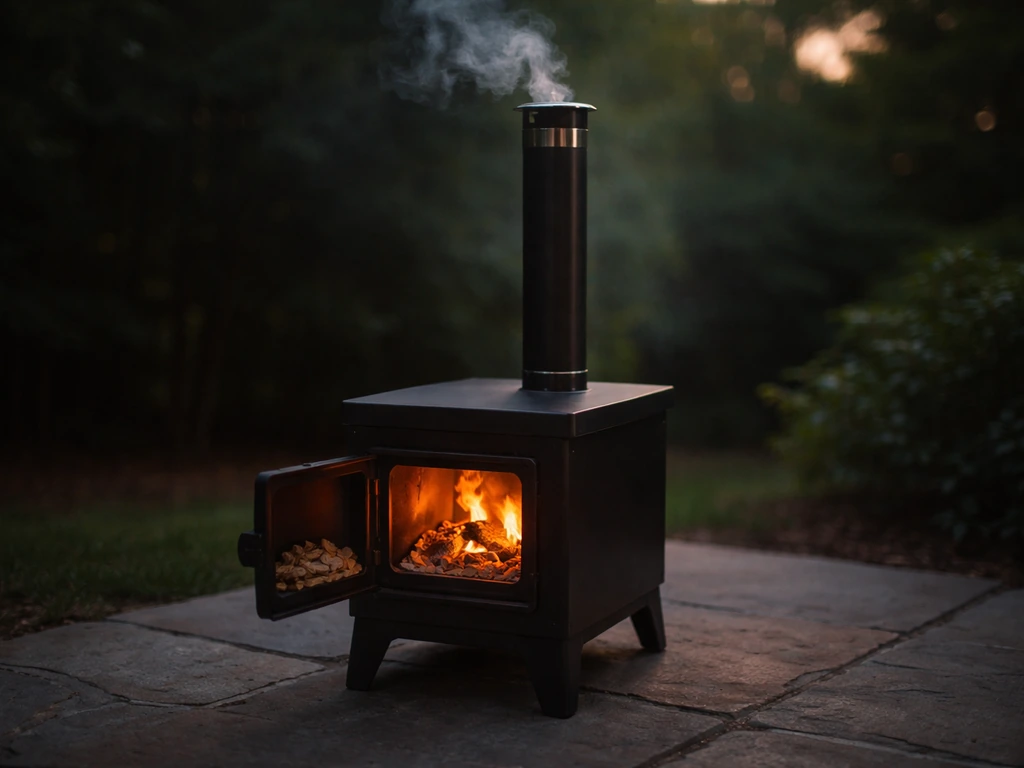
Wood-burning and pellet patio heaters have a romantic appeal but a real air quality problem. They emit particulate matter (PM2.5), carbon monoxide, and volatile organic compounds. While wood is technically carbon-neutral in a very long-cycle sense, the immediate local air quality impact of burning solid fuel on a residential patio is significant, especially in areas already prone to air quality alerts. Some municipalities restrict or ban outdoor wood burning entirely. If environmental impact matters to you, pellet and wood-style fire pits are the option to avoid.
| Heater Type | Direct Emissions | Upstream/Grid Emissions | Air Pollutants | Relative Efficiency |
|---|---|---|---|---|
| Propane | High (CO₂, NOx, CO) | Low (no grid) | Moderate (NOx, CO) | Moderate |
| Natural Gas | Moderate (CO₂, NOx) | Moderate (methane leakage) | Moderate (NOx) | Moderate–High |
| Electric (resistive) | None at unit | Depends on grid mix | None at unit | High (near 100% conversion) |
| Electric Infrared | None at unit | Depends on grid mix | None at unit | High + radiant efficiency gain |
| Pellet/Wood | High (CO₂, PM2.5, VOCs) | Low (no grid) | High (PM2.5, CO, VOCs) | Low–Moderate |
Energy use, runtime, and efficiency: what actually drives emissions
The heater type matters, but your usage habits can move the needle just as much. A 40,000 BTU propane heater running two hours uses about half the fuel of the same unit running four hours. That's obvious, but here's what people overlook: wind, poor placement, and running the heater on max when you don't need max output are the three biggest waste drivers in real-world use.
Wind is the enemy of efficiency. Convective heaters (those that warm the air) are especially vulnerable because moving air carries the warmth away before you feel it. Radiant heaters are less affected, but even radiant output can be disrupted by strong cross-winds. If your patio is exposed, a large propane mushroom heater can consume its full 40,000 BTU/hr and deliver maybe 60% of the effective warmth a properly sited radiant panel would deliver with fewer watts.
Electric heaters convert close to 100% of their electricity input into heat at the unit. A 1,500-watt electric infrared panel running for one hour consumes 1.5 kWh. At the U.S. average grid emission factor, that's roughly 0.7–1.0 lb of CO₂, depending on your region. Compare that to a 40,000 BTU propane heater, which burns through enough propane in one hour to emit roughly 3–4 lbs of CO₂. The math favors electric in most grid scenarios, especially if you pair it with a timer, thermostat, or motion sensor to avoid idle runtime.
Thermostat controls and adjustable heat settings are not just comfort features; they're emissions controls. Running a heater at 70% output instead of 100% for the same duration cuts fuel or electricity consumption proportionally. Many reviewers overlook this spec, but it's one of the highest-value things to check when comparing models.
Common myths and real tradeoffs
Myth: Electric is always the clean choice
Electric heaters have zero on-site emissions, which makes them safer indoors and better for local air quality. But the CO₂ they're responsible for depends entirely on your electricity source. In states like West Virginia or Wyoming where coal still drives a large share of electricity generation, running an electric heater for a season could have a higher carbon footprint than a well-managed propane setup. The EPA's eGRID tool lets you look up your subregion's actual emission factor. It's worth doing before you declare your electric heater eco-friendly.
Myth: Radiant heaters are zero-impact
Radiant (infrared) technology improves efficiency by heating people directly rather than the air, which is genuinely better in open spaces. But radiant just describes how heat is delivered, not what produces it. Infrared patio heaters also raise safety questions, especially around proper clearance, ventilation, and shielding from wind and direct contact. A gas-fired infrared heater still burns propane or natural gas and still emits CO₂ and NOx. An electric infrared panel is still drawing from the grid. The efficiency gain from radiant technology reduces total energy needed per session, which does reduce emissions, but it doesn't eliminate them.
Myth: A little propane doesn't matter
For one homeowner using a patio heater a few times a year, the absolute emissions number is small. But patio heater sales have grown sharply, and their use expanded dramatically since 2020 as outdoor dining became the norm for restaurants. At commercial scale, running six or eight propane mushroom heaters on a restaurant patio every night from October through April is genuinely significant. Even at the household level, the cumulative seasonal burn adds up to hundreds of pounds of CO₂ per year.
The real tradeoff: comfort vs. runtime
The biggest environmental lever most people have is simply how long they run the heater. Running a propane heater for two hours to enjoy a dinner is a reasonable tradeoff. Running it all day for occasional guests wandering outside is not. Programmable timers, motion sensors, and adjustable thermostats bridge this gap. They let you maintain comfort without leaving the heater burning into an empty patio.
How to reduce your patio heater's impact right now
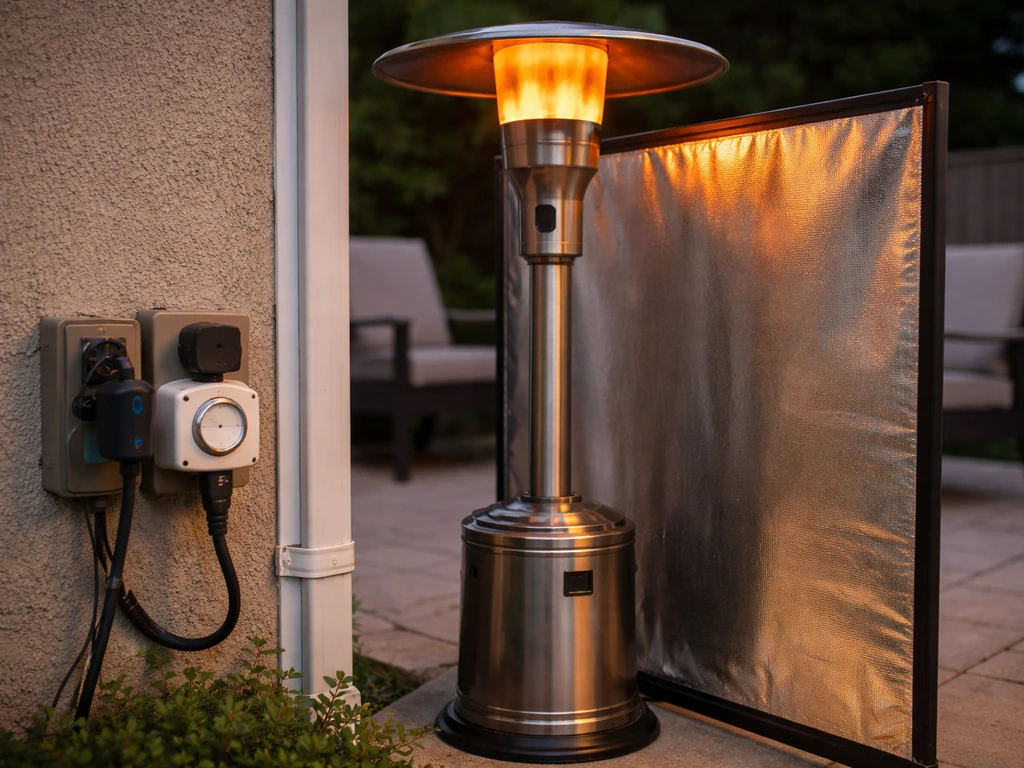
You don't need to buy a new heater to cut emissions meaningfully. Most of the impact comes from how you operate what you already have. Here's what actually moves the needle, in order of impact:
- Use a timer or smart plug: Set a hard shutoff so the heater doesn't run beyond your actual session. Even a basic mechanical outlet timer (for electric) or a smart valve timer (for gas lines) can cut seasonal emissions by 20–40% for most households.
- Match output to conditions: Drop the heater to its medium setting when it's mild. Most propane and electric heaters have 2–3 heat levels, and running at 60–70% output in a 50°F evening versus a 30°F night is a real fuel saver.
- Block wind before heating: Adding a windscreen, privacy screen, or pergola side panel to your patio dramatically improves radiant and convective heater efficiency. Less wind means fewer BTUs or watts needed to feel warm.
- Position the heater correctly: Radiant heaters need a clear line of sight to the people you're heating. Blocked or angled panels waste output. For propane mushroom heaters, center placement 4–6 feet above seating level gives the widest effective coverage per gallon of fuel.
- Switch to electric if your grid supports it: If you're in a state with significant renewable generation, switching from propane to an electric infrared wall or ceiling heater can cut your seasonal CO₂ footprint significantly. Check your utility's energy mix or your eGRID subregion before assuming one way or the other.
- Avoid wood and pellet options: If local air quality or emissions matter to you, skip solid-fuel heaters entirely. The PM2.5 and VOC output is hard to justify on a residential patio.
- Cover and store unused heaters: An uncovered propane heater left on a windy patio invites casual, inefficient use. Storing it or using a cover creates a small friction that encourages intentional use rather than idle running.
Eco-focused buying guide: what to check in specs and reviews
When you're shopping for a new heater specifically with environmental impact in mind, the product spec sheet tells you most of what you need to know. Here's exactly what to look for:
- Heat output vs. wattage or fuel consumption ratio: This is your efficiency proxy. A 1,500W electric heater delivering 5,100 BTU/hr equivalent is standard. Compare models at the same wattage and look for those rated to heat larger areas, which signals more efficient output.
- Adjustable heat settings: Single-setting heaters are less efficient because you can't dial down on mild nights. Look for at least two heat levels, preferably three, plus a thermostat or temperature-sensing control.
- Built-in timer or smart home compatibility: Any heater with a built-in timer, smart plug compatibility, or app control gets a meaningful eco bonus because it directly prevents idle runtime.
- Fuel type and combustion certifications: For gas heaters, look for CSA or UL certification which includes emissions compliance. Some models carry California Air Resources Board (CARB) compliance ratings, which is the strictest available for NOx emissions.
- Radiant vs. convective design for your space: Open or breezy patios benefit most from radiant infrared heaters. Enclosed or semi-enclosed patios can use convective models more efficiently. Matching the heat delivery method to your space reduces the output you actually need.
- IP rating for outdoor durability: A heater that fails early due to moisture damage is waste in both resource and emissions terms. Look for IPX4 or higher ratings on electric models.
- Propane vs. natural gas conversion kits: If you're buying a gas model, check whether it supports both fuel types. Flexibility lets you optimize as energy pricing and fuel availability changes.
- Customer reviews mentioning fuel consumption and runtime: These real-world data points often reveal whether the rated BTU output matches actual performance. A heater that burns through propane faster than claimed is less efficient than advertised.
Best choices by patio situation
There's no single lowest-impact heater for every situation. The right choice depends on your climate, patio layout, wind exposure, and grid access. Here's how to match heater type to your actual conditions:
| Situation | Best Heater Type | Why |
|---|---|---|
| Mild climate (45–60°F evenings), covered patio, grid access | Electric infrared wall or ceiling mount | Low grid emissions in mild climates, 100% efficient, no fuel storage needed |
| Cold climate (below 35°F), open patio, no wind cover | High-output propane infrared or natural gas radiant | Radiant cuts heat loss to wind; high BTU output needed for extreme cold |
| Windy, open deck or rooftop | Wall-mounted electric infrared panel | Direct radiant heat to people, not air; minimizes wind-loss waste |
| Commercial patio, multiple zones, plumbed gas access | Plumbed natural gas infrared heaters with thermostats | Lower per-BTU emissions vs. propane, thermostat control reduces idle burn |
| Small balcony or apartment patio, occasional use | Tabletop electric infrared heater | Low wattage (700–1,500W), no fuel storage, easy to shut off |
| Off-grid or no electrical access, portable needed | Propane radiant heater with adjustable valve | Portability required; radiant design maximizes BTUs of comfort per gallon |
| Eco-priority, renewable energy at home (solar/wind) | Any electric infrared heater | Near-zero lifecycle emissions when powered by on-site renewables |
If you're in a cold, windy climate and have no choice but to use propane, the mitigation steps above (windscreens, adjustable output, timers) matter more than which specific propane model you buy. Just as important is deck safety: keep heaters away from railings and dry wood, and use the manufacturer’s clearance guidance before operating on a deck are patio heaters safe on decks. In mild climates with clean grid access, switching to an electric infrared model is the single biggest impact reduction you can make.
Safety and efficiency tips that also help the environment
Several of the best safety practices for patio heaters directly reduce emissions because they prevent waste and inefficient combustion. If you're considering lighting instead of heating, the best battery powered patio lights are a good way to add ambience without running electrical lines. These apply across all heater types.
- Keep radiative surfaces clean and unobstructed: Dust, grease, and debris on infrared emitter panels reduce heat output, meaning the heater runs longer to deliver the same warmth. Wipe emitter surfaces down at the start of each season.
- Check gas connections and hoses annually: Propane or gas leaks waste fuel before it's ever burned, and leaked methane (from natural gas systems) has a much higher warming impact than the CO₂ produced by burning it. A small leak check at the start of the season costs nothing.
- Don't run combustion heaters in enclosed spaces: This is a safety requirement (CO risk) that also reflects poor combustion efficiency. Restricted airflow causes incomplete combustion, which produces more CO and soot per BTU of useful heat.
- Use the lowest effective heat setting: Starting on high and immediately turning down is a common waste pattern. Start at medium and adjust up only if needed.
- Inspect the ignition and burner yearly on gas models: A dirty or misfiring burner increases incomplete combustion, raising both CO output and fuel waste per hour of operation.
- Store propane tanks properly: Tanks stored in direct sun can develop pressure issues and micro-leaks at the valve. Cool, shaded storage maintains tank integrity and reduces incidental fuel loss.
- Turn the heater off when everyone goes inside: This sounds basic, but patio heaters are commonly left running after a gathering ends. A motion-sensor timer eliminates this entirely.
It's also worth noting that the safety considerations around electric heaters, such as waterproofing ratings and proper mounting, directly affect efficiency longevity. If you need to know whether can outdoor patio heaters get wet, start by checking the unit's waterproofing ratings and intended exposure level. A heater that corrodes or fails early because it wasn't rated for outdoor moisture exposure is resource waste on top of the original emissions. Choosing a properly weatherproofed unit and maintaining it extends its useful life, spreading the manufacturing impact over more years of operation.
The bottom line and your next steps
If you're trying to make the most environmentally responsible choice today, here's the short version: electric infrared heaters on a clean grid are the best option, propane radiant heaters are a reasonable middle ground if you manage runtime tightly, natural gas is lower-emission per BTU than propane but carries methane leakage risk, and wood or pellet heaters are the worst choice for local air quality. The heater type matters, but usage habits and smart controls often matter just as much.
When you're reading product specs or reviews, prioritize adjustable heat settings, built-in timers or smart control compatibility, and real-world fuel or energy consumption data from user reviews. If you're comparing gas models, look for CARB compliance or CSA certification as a signal that the unit meets stricter NOx emissions standards. And if you're on the fence between propane and electric, look up your utility's energy mix or your EPA eGRID subregion. That one step will tell you more about your actual emissions tradeoff than almost any spec sheet.
FAQ
Do patio heaters create local air pollution, not just carbon emissions?
Yes. Any heater that burns fuel has a real air quality footprint where you live, even if it feels “efficient.” For solid-fuel models, look specifically for particulate emissions controls, clean-burn certifications if available in your region, and expect restrictions during high-smog or wildfire smoke alerts.
Are infrared patio heaters truly better if they are in a windy spot?
Infrared panels can still waste energy if they are mis-aimed or blocked. Even when radiant heat is efficient, you can lose a lot of perceived warmth if the line of sight to people is interrupted (tables, umbrellas, wind shifting people out of the beam). Set the heater height and angle to the seating area, not the patio floor.
Do thermostats reduce environmental impact automatically, or can they backfire?
No, timing still matters. A heater thermostat can prevent overheating, but it can also “cycle” in short bursts if the sensor placement is poor (for example, sensing the outdoor air instead of the warmed surface). Aim the sensor (or choose models with remote sensing) so the control responds to actual comfort rather than the patio environment.
If electric heaters have no on-site emissions, when can they still be worse for the environment?
Electric is often lower carbon, but only if your power mix is relatively clean. If your utility region relies heavily on coal, running electric for long evenings can approach or exceed the emissions of a well-managed propane heater. The practical move is to check your local grid carbon intensity and compare per-hour energy use, not just the heater’s “type.”
What model features should I prioritize beyond heater type to cut emissions?
Look for the product’s rated power range (low, medium, high) and whether it can run at reduced output continuously or only cycles. If a model only has “on or off” high output, you may lose the emissions benefit of adjustable operation even if it is labeled efficient.
How can restaurants or frequent hosts reduce patio heater emissions without changing comfort?
Yes. Many people leave heaters on “just in case,” especially in commercial settings. Using a timer tied to your reservation or service window, plus a separate motion sensor for when diners step outside, usually cuts runtime more than any fuel swap once you are already using the same heater technology.
Can poor maintenance make patio heaters worse for the environment?
Propane efficiency and emissions can worsen when equipment is under-maintained. Common issues include clogged or misaligned burners, dirty reflectors, incorrect regulator pressure, and low or expired fuel quality. These can increase fuel consumption for the same warmth and can raise incomplete-combustion byproducts.
Does weatherproofing affect environmental impact, not just safety?
Sometimes. If you use an indoor-rated electric heater near a porch and it’s not properly weather-sealed, it may fail early or force you to replace it sooner, increasing total lifecycle impact. Use the outdoor rating for the exact exposure you get (rain, direct sun, and temperature swings), then keep it clean to maintain heat transfer.
Why do two heaters with the same BTU rating feel different, and does that change emissions?
Yes, and it’s one of the biggest hidden differences. A heater can have a high nominal BTU rating but deliver less usable warmth if the output is mostly heating air instead of people (or if the unit has a small effective reach). Compare “effective coverage” claims with real reviews that mention distance and wind performance.
What are the highest-impact usage changes if I already own a propane heater?
Use the smallest feasible setting, start it only shortly before guests arrive, and aim for shorter, fully-utilized burn sessions. If you need to keep everyone comfortable longer, prefer radiant or targeted placement, then rely on adjustable output rather than running maximum output for the whole time.
Next Articles
Best Price on Outdoor Patio Heaters: Compare Costs & Deals
Score the best price on outdoor patio heaters, price ranges, top picks, deal tactics, total-cost & safety checklist.
Where Can I Rent Patio Heaters Near Me Today
Find where to rent patio heaters near you today, choose the right fuel type, compare costs, and book safely.
Where to Buy a Patio Heater: Best Places and Types
Where to buy a patio heater now, plus electric vs gas vs propane tips, safety checks, and size/BTU buying checklist.