
For most patios, the Weber Spirit E-310 (propane) or Weber Genesis S-335 (natural gas) are the two grills worth comparing first. They cover the broadest range of patio sizes, budgets, and fuel setups, and they hold up in real-world use better than most competitors at their price points. But the right pick for your specific situation depends on how much space you have, whether you have a natural gas line, and what you actually cook. This guide walks through all of that so you can make a confident call today.
Best Patio Gas Grills 2026: Buyer Guide, Picks, Safety

Caleb Vale
16 May 2026
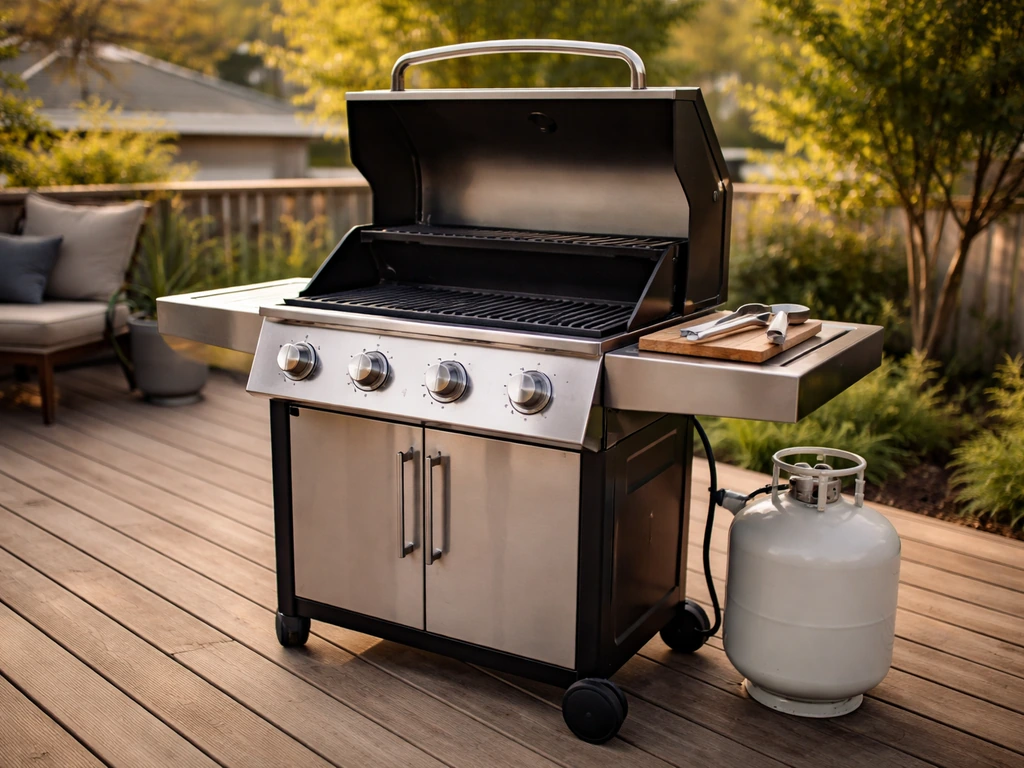
How to choose the right patio gas grill (space, fuel, and budget)
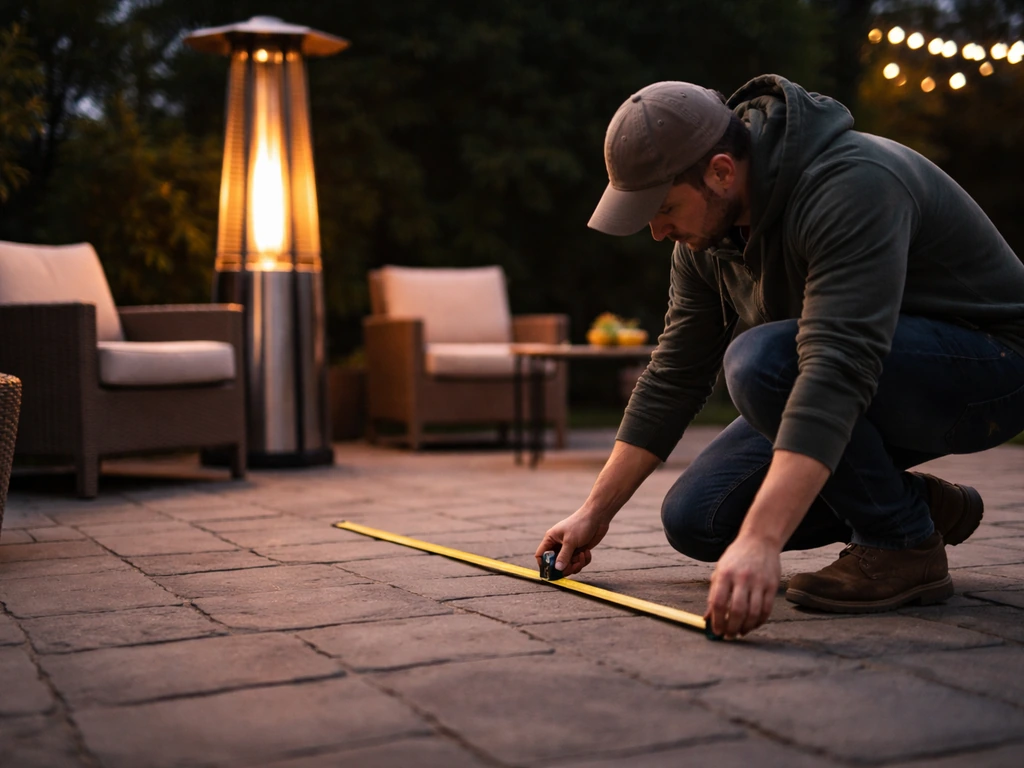
Start with your patio constraints before you look at any grill spec sheet. A grill that performs brilliantly on a spacious deck can be a hazard or a nuisance on a tight balcony. Measure your usable outdoor space and work backward from there.
Space: measure before you shop
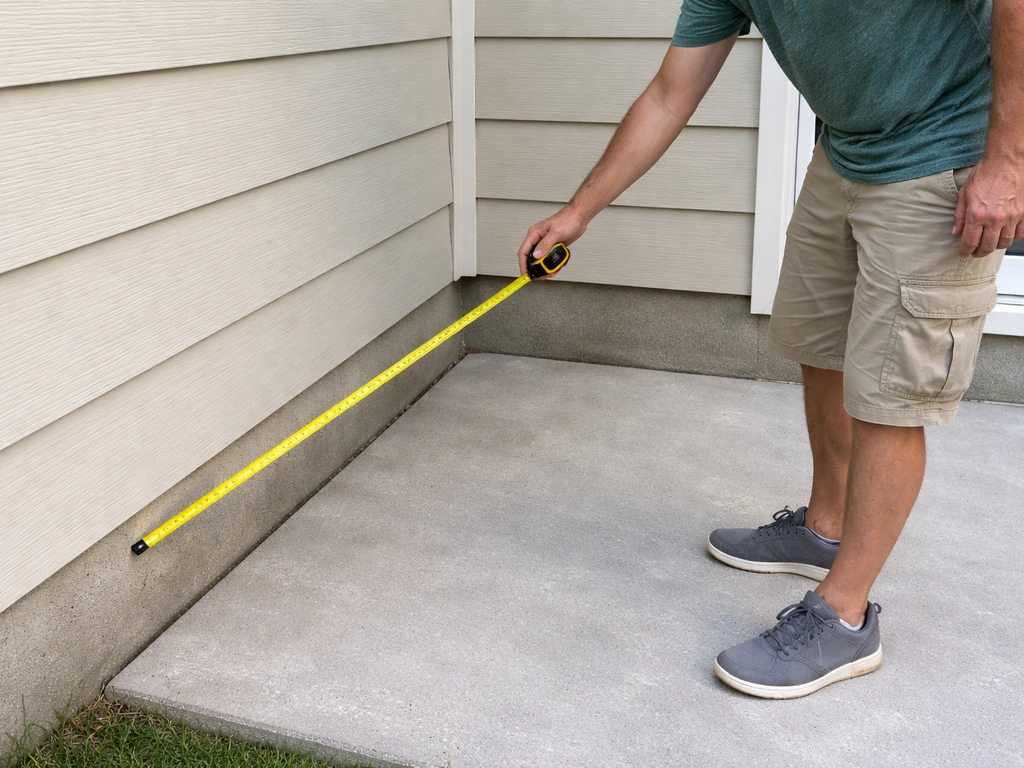
Most fire codes and manufacturer guidelines require grills to be placed at least 10 feet from any structure, and side/rear clearance to combustible surfaces is typically 21 to 24 inches minimum depending on the model. Some built-in grill specs require 24 inches from the edge of the barbecue to any combustible surface. On a small or enclosed patio, that clearance requirement alone can eliminate full-size grills. If your patio is under roughly 150 square feet or has limited open-air ventilation, look seriously at compact or tabletop options. The Char-Broil Bistro Pro is explicitly designed for small-space grilling and can work on a balcony-style setup where a cart grill simply won't fit safely.
Fuel: natural gas line or propane tank
If your home already has a natural gas line running to the patio, a natural-gas grill is the more convenient long-term choice. You never run out of fuel mid-cook, there's no tank to swap, and your ongoing cost per BTU tends to be lower than propane. If you don't have a gas line, propane is the default and still works excellently. Don't plan on buying a propane grill and converting it to natural gas later unless the manufacturer explicitly supports that conversion and sells a kit. Converting between fuels requires changing both the orifices and the regulator, since natural gas runs at roughly 7 inches water column pressure while propane runs at around 11 inches water column. It's not just a fuel swap.
Budget: what the price tiers actually get you
Under $300: You're getting a functional grill but expect thinner steel lids, basic ignition, and fewer burners. Fine for occasional cooks, but don't expect it to last more than a few seasons without maintenance. $300 to $600: This is the sweet spot for most homeowners. The Weber Spirit E-310 sits here and gives you three burners, reliable ignition, and solid build quality. $600 to $1,000: You start getting stainless construction, sear zones, side burners, and better temperature consistency. Weber Genesis territory. Over $1,000: Built-in grills, premium performance brands (Napoleon, Viking, Wolf), and commercial-grade grates. Worth it if you entertain regularly and treat the grill as a long-term patio investment.
Natural gas vs propane: which fuel is right for your patio
This is probably the single most important decision you'll make before buying, and it's one you can't easily reverse. Here's the honest comparison.
| Factor | Natural Gas | Propane |
|---|---|---|
| Setup requirement | Hard-piped gas line to patio (professional install) | 20 lb tank, no install needed |
| Fuel cost | Lower cost per BTU (utility rate) | Higher cost per BTU (tank refills) |
| Convenience | Never runs out, always connected | Tank can run dry mid-cook |
| Portability | Fixed installation only | Tank-portable, can move the grill |
| Upfront cost | Grill price + gas line install ($200–$800+) | Grill price only |
| Pressure/regulator | 7" water column, NG-specific regulator | ~11" water column, LP regulator |
| Conversion | Not practical without orifice + regulator swap | Same caveat applies |
| Fire code note | Must be hard-piped, follow Fuel Gas Code | Standard clearance rules apply |
Natural gas makes the most sense if you already have a line or you're building out a dedicated outdoor kitchen. For everyone else, propane is easier to get started with and still delivers the same cooking performance. Cooking results are functionally identical between the two fuels at the same BTU rating.
The features that actually matter when comparing gas grills
BTUs: more isn't always better
BTU ratings measure fuel consumption, not cooking performance. A well-designed 30,000 BTU grill with a tight lid and quality grates will outperform a cheap 50,000 BTU grill. For a 3-burner full-size grill, look for 30,000 to 45,000 BTU total input across the main burners. The Weber Spirit E-310 sits in that range and is a proven performer. What matters more than raw BTUs is how evenly the heat distributes and how well the grill holds temperature with the lid closed.
Cooking surface size
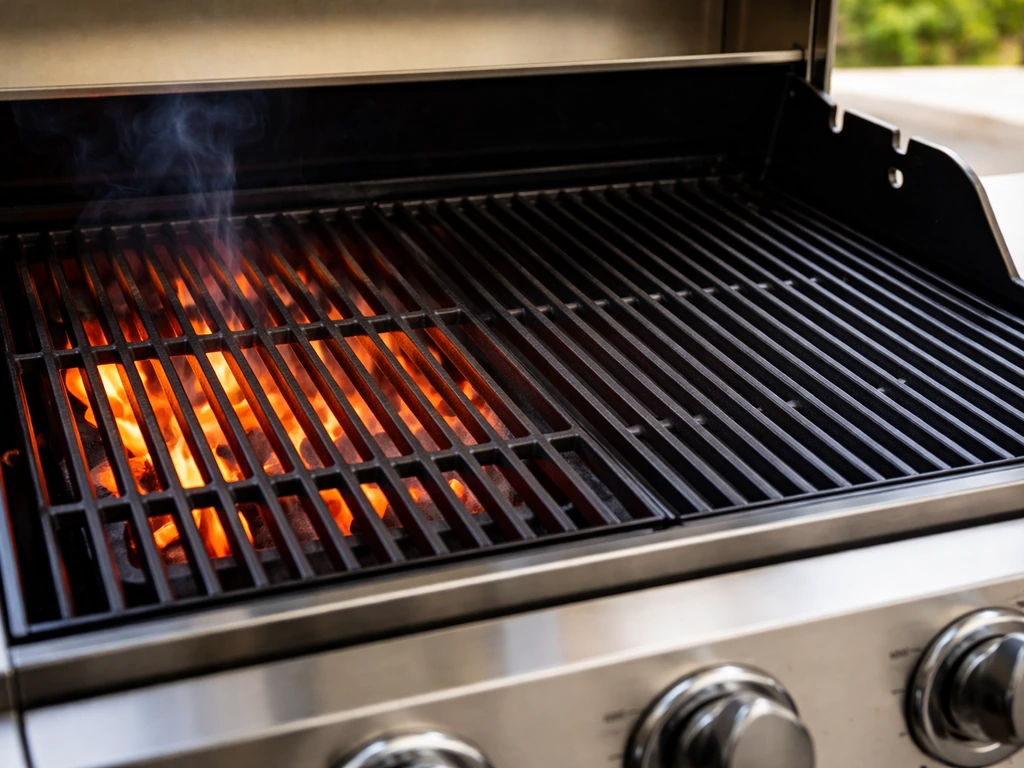
For a family of four grilling regularly, aim for at least 400 square inches of primary cooking area. The Weber Spirit E-310 delivers a solid primary cooking area in that range and is sized well for standard patios. Smaller setups, like the Cuisinart Venture CGG-750, offer 154 square inches and a 9,000 BTU burner, which is fine for 2 people but will feel cramped for a family cookout. Know your typical cook size and shop accordingly.
Burner count and heat zones
Three burners is the practical minimum for useful two-zone cooking (direct and indirect heat). This lets you sear over high heat and then move food to a cooler zone to finish cooking without burning. The Weber Genesis S-335 adds a dedicated sear zone with extra high-heat capability, which is worth paying for if you cook steak or thick cuts regularly. Two-burner grills work fine but limit your cooking flexibility.
Ignition reliability
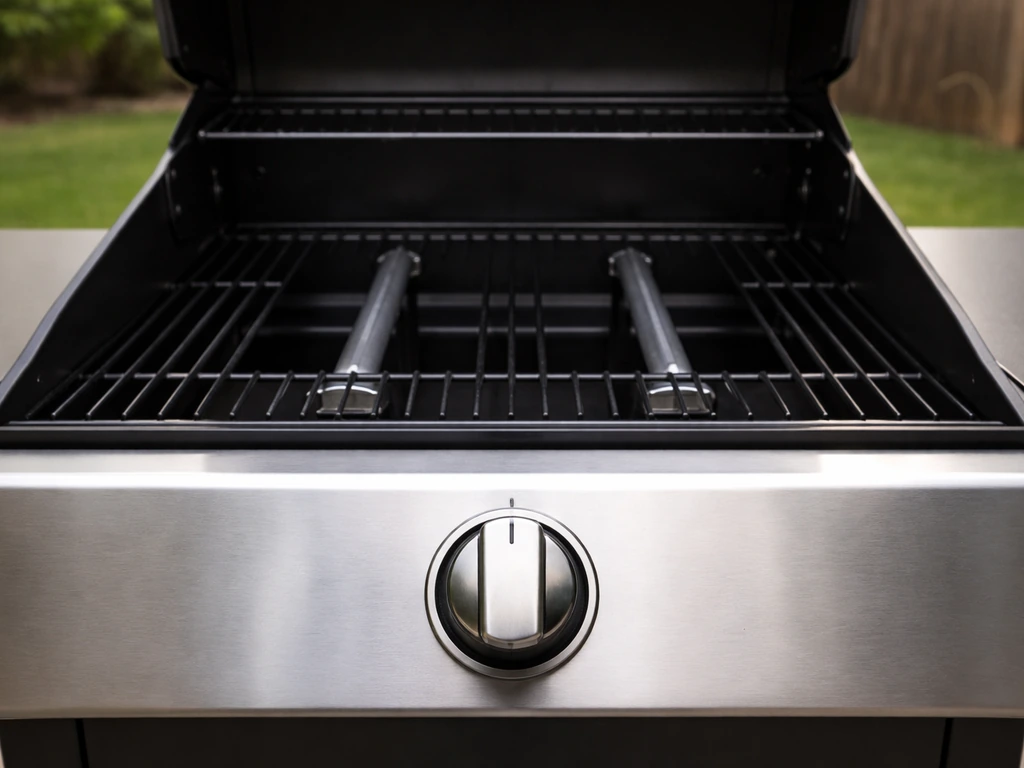
Push-button ignition with individual burner controls is the standard worth insisting on. Cheaper grills use a single igniter that requires multiple clicks in humid or cold conditions. Look for grills where each burner has its own igniter, or where the ignition system is battery-powered rather than piezo. After a season or two, piezo igniters often need replacing anyway, so make sure your grill can also be manually lit as a fallback.
Grates: cast iron vs stainless vs porcelain-coated
Cast iron retains heat the best and gives excellent sear marks but requires seasoning and will rust if left uncovered in wet climates. Stainless steel grates are lower maintenance and rust-resistant but release food more easily when clean and hot. Porcelain-coated grates are the low-maintenance middle ground but chip over time, especially with metal tools. For a patio grill used year-round in a humid environment, stainless is the most practical choice.
Side burners, side shelves, and lid quality
A side burner is genuinely useful if you cook sauces or sides outdoors regularly. If you mostly grill and bring sides inside, skip it and save the counter space. A well-sealed, heavy lid matters a lot for roasting and smoking at controlled temperatures. Thin lids warp over time and let heat escape unevenly. Fold-down side shelves are worth having on small patios where you need prep space but don't want permanent table bulk.
Best patio gas grill picks by category
These picks are based on consistent real-world performance, build quality, and how well they fit typical patio use cases. Prices fluctuate, so verify current pricing before buying.
Best overall: Weber Spirit E-310 (Propane)
The Weber Spirit E-310 (model 1500788) is the recommendation that holds up across the most patio types and budgets. It's a 3-burner propane grill with a reliable ignition system, a well-sealed porcelain-enameled lid, and a cooking area that comfortably handles family-sized meals. The specs are transparent (Weber publishes BTU input and exact primary cooking area on their product page), and the grill has a documented track record of multi-season durability. Forbes Vetted names the Weber Spirit II E-310 LP as its Best Gas Grill Overall pick, which lines up with consistent user feedback. For most patio setups, this is the default right answer.
Best for small patios: Char-Broil Bistro Pro (Propane, tabletop)
The Char-Broil Bistro Pro (model 25302162) is purpose-built for small-space patio and balcony grilling. It's a tabletop propane unit, which means it fits on a patio table or small stand and sidesteps the clearance constraints that make full-size cart grills impractical in tight spaces. It's worth noting that blank" rel="noopener noreferrer">Char-Broil has published recall FAQs for a gas patio bistro model, so verify your specific model and serial number against current recall status before purchase. If you're shopping specifically for a small or apartment patio setup, there's a broader look at this category worth exploring separately. If you want the best gas grill for an apartment patio, start by prioritizing compact dimensions and safe placement clearances.
Best for natural gas: Weber Genesis S-335 (Natural Gas)
If you have a natural gas line on your patio, the Weber Genesis S-335 NG is the standout pick. It's a 3-burner Genesis-tier grill with a dedicated sear zone that gives you the intense direct heat needed for steakhouse-style results. The spec sheet references the sear zone design explicitly, and Weber's own Genesis manuals document the 7-inch water column natural gas pressure requirement and NG-specific regulator setup. This is a premium grill, but for anyone with a gas line who cooks seriously, it's the right tool. Napoleon also makes strong natural-gas patio grills worth comparing at a similar price point.
Best value: Weber Spirit E-310 (again) or comparable 3-burner propane
At the value end, the Spirit E-310 remains hard to beat because it doesn't sacrifice build quality to hit its price. If your budget is firmly under $400, look for a 3-burner propane grill from Weber or Char-Broil with a stainless or porcelain-enameled lid, individual burner controls, and a documented warranty. Avoid grills with single-igniter systems and flimsy grate materials at this price point. They'll frustrate you by season two.
Best performance: Weber Genesis S-335 or Napoleon Prestige series
For pure cooking performance on a patio where budget is secondary, the Weber Genesis S-335 and Napoleon Prestige grills are consistently at the top of independent roundups including Tom's Guide's 2025 picks. Both offer even heat distribution, sear-zone capability, and stainless construction that holds up well outdoors. The Genesis SE EPX/SPX-335 variant goes even further with blank" rel="noopener noreferrer">integrated sear burner elements for extremely high direct heat. At this tier, the difference between them comes down to personal preference on controls, lid feel, and whether you want Weber's ecosystem of accessories.
Best for portability or camping-adjacent patios: Cuisinart Venture CGG-750
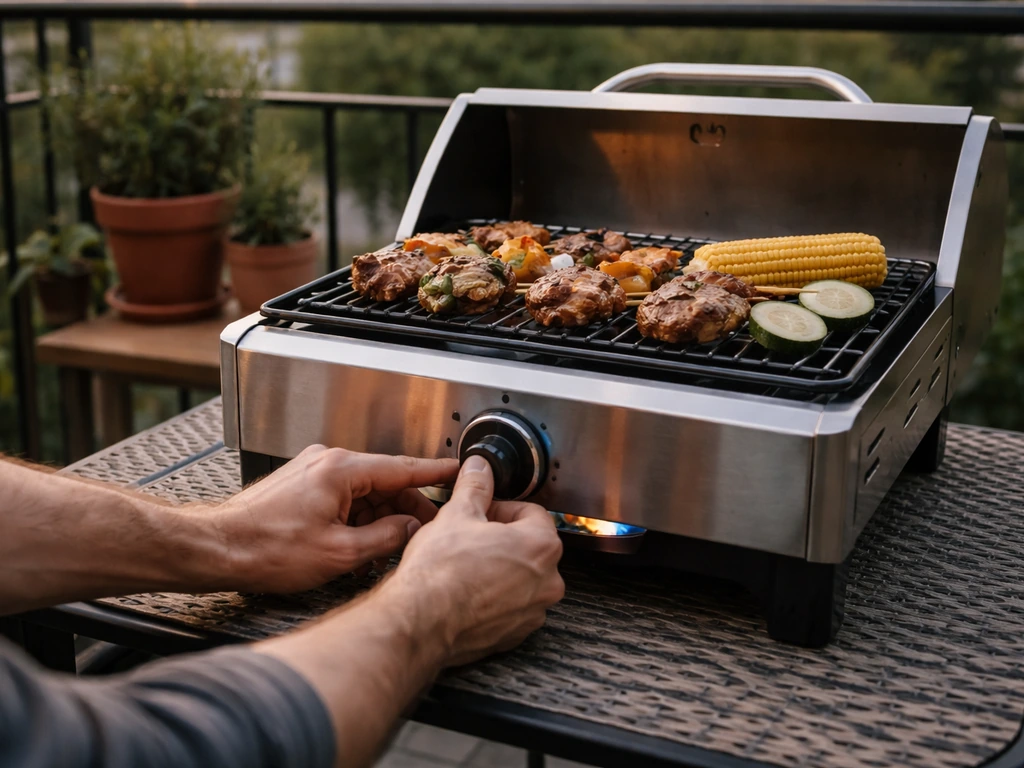
The Cuisinart Venture CGG-750 has 154 square inches of cooking space and a 9,000 BTU stainless steel burner. It's genuinely portable and works well on a small patio table, at a campsite, or anywhere you need a compact propane grill. It's not the tool for large family cookouts, but for 1 to 2 people it's capable and easy to store.
Safety, placement, and setup essentials for patio grilling
This is the section most people skim and shouldn't. Gas grill incidents are almost entirely preventable and almost always trace back to skipped steps at setup or a placement decision made for convenience rather than safety.
Clearance requirements
Always check your specific grill's manual for clearance-to-combustibles specs, but the common benchmarks are: at least 10 feet from any structure (house, fence, overhead pergola), and 21 to 24 inches of clearance from side and rear combustible surfaces. Some built-in grill specs put that number at 24 inches from the edge of the grill to any combustible. GE's outdoor grill installation documentation specifies at least 4 inches of clearance to non-combustible surfaces at minimum. If your patio has a low overhead cover or is enclosed on multiple sides, verify you're meeting both lateral and overhead clearance requirements. Note that natural gas grills must be hard-piped per the Fuel Gas Code, not connected with a flexible hose extended to reach a distant line.
Enclosed patios and ventilation
If you're grilling under a covered structure or in a semi-enclosed patio area, ventilation matters. Installation guides for enclosed setups typically require two vents: one positioned high and one positioned low to allow proper air circulation and prevent gas accumulation. Natural gas and propane have different ventilation logic since propane is heavier than air and sinks, while natural gas is lighter and rises. On a fully enclosed patio, get professional guidance before installing a natural gas grill.
How to do a gas leak test
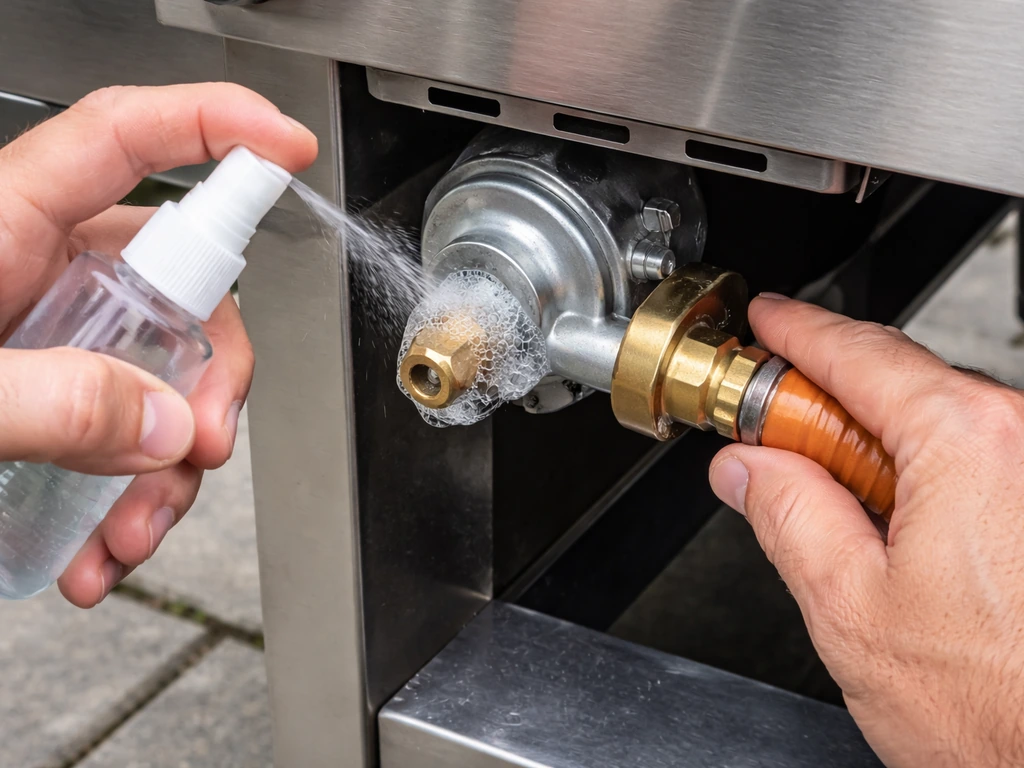
Every time you connect a new propane tank or reconnect a natural gas hose, do a leak test. Both Weber and Broil King recommend the same process: mix soapy water, apply it to all connection points (regulator fitting, hose connections, valve stems), then slowly open the gas supply valve. Watch for bubbles. If you see any, close the gas supply immediately, tighten the connection, and retest before lighting. If bubbles persist after tightening, stop using the grill and have the connection inspected. This takes two minutes and is non-negotiable.
Regulator and hose basics
Propane and natural gas require different regulators. Propane operates at roughly 11 inches water column pressure; natural gas operates at about 7 inches water column. Weber's Genesis manuals explicitly document the 7-inch water column NG requirement and specify NG-compatible hose and regulator use. Never mix components between fuel types, and never attempt a fuel conversion without manufacturer-approved orifice and regulator replacement kits. The Dyna-Glo conversion guide is clear on this: it's an orifice and regulator swap, not just a fuel change.
Ongoing safe operating habits
- Always open the grill lid before igniting to prevent gas buildup inside the firebox
- Turn gas off at the tank or line valve when the grill is not in use, not just at the burner controls
- Inspect hoses visually before each season for cracks, kinks, or rodent damage
- Keep a fire extinguisher rated for grease fires accessible on the patio
- Never store propane tanks indoors or in an attached garage
- Check your model's recall status, especially for older Char-Broil bistro-style units, using the CPSC recall database
Quick buying checklist and how to decide today
Use this workflow to narrow your choice in under 10 minutes.
- Measure your patio: note available floor space and confirm you can maintain 10-foot clearance from structures and 21–24 inches from combustibles. If not, go tabletop or compact.
- Confirm your fuel situation: natural gas line on the patio? Go NG-specific (Weber Genesis S-335 or equivalent). No gas line? Propane is your fuel.
- Set your budget: under $400 targets the Spirit E-310 range; $600–$1,000 opens the Genesis S-335 tier; over $1,000 moves into premium/built-in territory.
- Decide on burner count: 3 burners minimum for two-zone cooking. 2-burner grills are acceptable for small patios and light use only.
- Check cooking surface size against your typical cook: under 400 sq in for 1–2 people, 400–500 sq in for families of 4.
- Verify the model's ignition type: battery-powered or individual burner igniters are more reliable long-term than single piezo igniters.
- Confirm grate material matches your climate and maintenance tolerance: stainless for wet climates and low maintenance, cast iron for maximum sear if you'll season and cover regularly.
- Do a recall check: enter your model number and serial at the CPSC recall database before finalizing any purchase.
- Plan your leak test: have dish soap and a container ready before your first cook, and commit to running the test every time you reconnect fuel.
Decision shortcut by patio type
| Patio Type | Recommended Pick | Why |
|---|---|---|
| Standard backyard patio, propane | Weber Spirit E-310 | Best all-around value, proven durability, reliable ignition |
| Large deck, natural gas line | Weber Genesis S-335 NG | Sear zone, 3-burner control, permanent connection convenience |
| Small patio or balcony | Char-Broil Bistro Pro or Cuisinart Venture CGG-750 | Tabletop format meets clearance constraints, small cooking area fits 1–2 people |
| Performance-focused, larger budget | Weber Genesis S-335 or Napoleon Prestige | Sear capability, even heat, stainless build, multi-season durability |
| Apartment patio, occasional use | Cuisinart Venture CGG-750 | 154 sq in, 9,000 BTU, portable and easy to store between uses |
Weather protection and maintenance
A quality grill cover is not optional if you leave your grill outdoors year-round. UV exposure, rain, and winter freeze-thaw cycles degrade grates, burner tubes, and ignition components faster than cooking use does. At the start of each season, remove the grates and flavorizer bars, brush out debris from the burner tubes, and inspect for rust or blockages. Blocked burner ports cause uneven heat and are a common reason a grill that worked fine last fall performs poorly in spring. Cast iron grates need re-seasoning after winter storage. For electric grill alternatives on enclosed patios where gas clearances are harder to meet, that's a separate decision path worth considering. For the compact, small-space options that also tend to be easier to place safely, see the best gas grills for small patios roundup for more picks. If you need an even smaller, lower-clearance option, the best small electric grill for patio setups can be a practical alternative to gas. If you want to skip fuel-based clearance issues, the best electric grills for patio can be a simpler way to cook with less setup electric grill alternatives.
FAQ
Do the clearance rules (10 feet, 21 to 24 inches) apply the same way to balcony and built-in installs?
Measure the distance from the actual grill body, not the lid edge, and include any gas line, regulator box, or attached side shelves. Also check overhead clearance if you have a pergola, low awning, or cabinet tops, because many models require additional space above the hood for safe heat buildup and proper flame stability.
How can I tell if a “natural gas” or “propane” grill is truly compatible with my patio fuel setup?
A common mistake is buying a natural-gas grill that still ships with propane regulator parts, or vice versa. Confirm the exact fuel designation on the label (NG or LP) and verify your package includes the correct regulator and hose for your setup, then follow that manual’s required connection type.
If BTU ratings do not guarantee better results, what should I compare instead for even heat?
Look for total input across all main burners, but also compare the number of ports per burner and whether the grill uses a consistent burner tube layout. Two grills can share similar BTU numbers while heating differently, because burner design and grate spacing drive how evenly heat reaches the cooking surface.
Can I convert a propane best patio gas grill to natural gas later if I change my mind?
Yes, in many cases if the grill is specifically designed for conversion. However, do not assume any popular grill model can convert, and never use third-party or mixed parts. Use only the manufacturer’s approved conversion kit, since orifices and regulator parts must match the grill’s burner engineering.
What is the best strategy for choosing a grill on a very small patio where clearance is tight?
If your patio is under roughly 150 square feet, tabletop grills often win because they let you meet clearance requirements without forcing the grill into awkward corners. For small spaces, also plan where the tank or hose will sit so it cannot rest against walls, furniture, or traffic areas.
How should I store propane tanks or manage natural gas hoses on a patio?
For propane, always store tanks upright and protected from direct weather when possible, and never store them inside enclosed spaces like garages. For natural gas, confirm the shutoff valve location is accessible, then keep the hose or rigid line protected from hot surfaces and physical knocks.
What ignition problems are most common on budget gas grills, and how can I prevent them?
Watch out for single-igniter designs that rely on multiple clicks, and for piezo systems that get unreliable after a couple seasons in wet or freezing climates. A practical workaround is keeping the manual lighting procedure in mind (and knowing where the match or lighter must be used) before you need it.
Which grate material is actually easiest to maintain for year-round use in humid climates?
If you grill near a wet or coastal environment, stainless grates tend to be more forgiving, but you still need to keep burner tubes clear and dry. If you choose cast iron, plan on more maintenance, including re-seasoning and protecting from rain exposure with a breathable cover.
Does having a “two-zone” setup matter if the grill has inconsistent temperature with the lid closed?
Direct and indirect cooking is only effective if the grill can hold a stable temperature with the lid closed. If you notice large temperature swings, consider a wider burner layout, a better-fitting lid, and more uniform heat distribution before assuming you need a higher BTU number.
When is a side burner worth paying for, and when should I skip it?
You typically need a side burner for outdoor cooking that includes frequent sauces, frying, or boiling, but it is not essential for standard grilling. If your prep space is limited, fold-down shelves can help, just make sure the burner controls and knobs are reachable without leaning over the grill area.
What maintenance checks most often fix uneven heating in the spring after a long off-season?
After a season, look for spider webs or insect nests in burner tubes, verify burner ports are not blocked, and confirm the igniter area is clean and dry. Even small blockages can cause uneven flames, which then makes searing inconsistent and can create odd flare patterns.
How do I estimate cooking capacity for a family cookout beyond just looking at the grill size label?
The easiest way is to compare primary cooking area (in square inches) and then sanity-check it against your typical food spacing. If you regularly cook for four, you generally want enough space to avoid overcrowding, because crowded grates steam food and reduce searing performance.
Next Articles
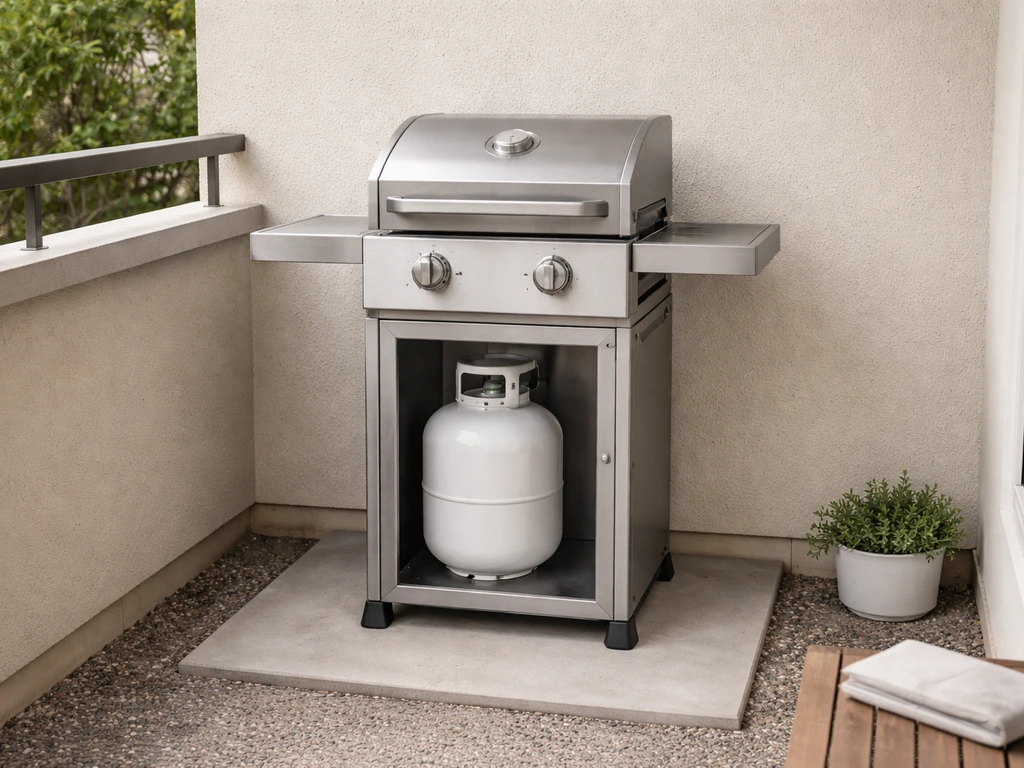
Best Gas Grills for Small Patios: Top Picks and Buying Guide
Practical guide to the best gas grills for small patios, with compact picks and fit, safety, and fuel comparisons.
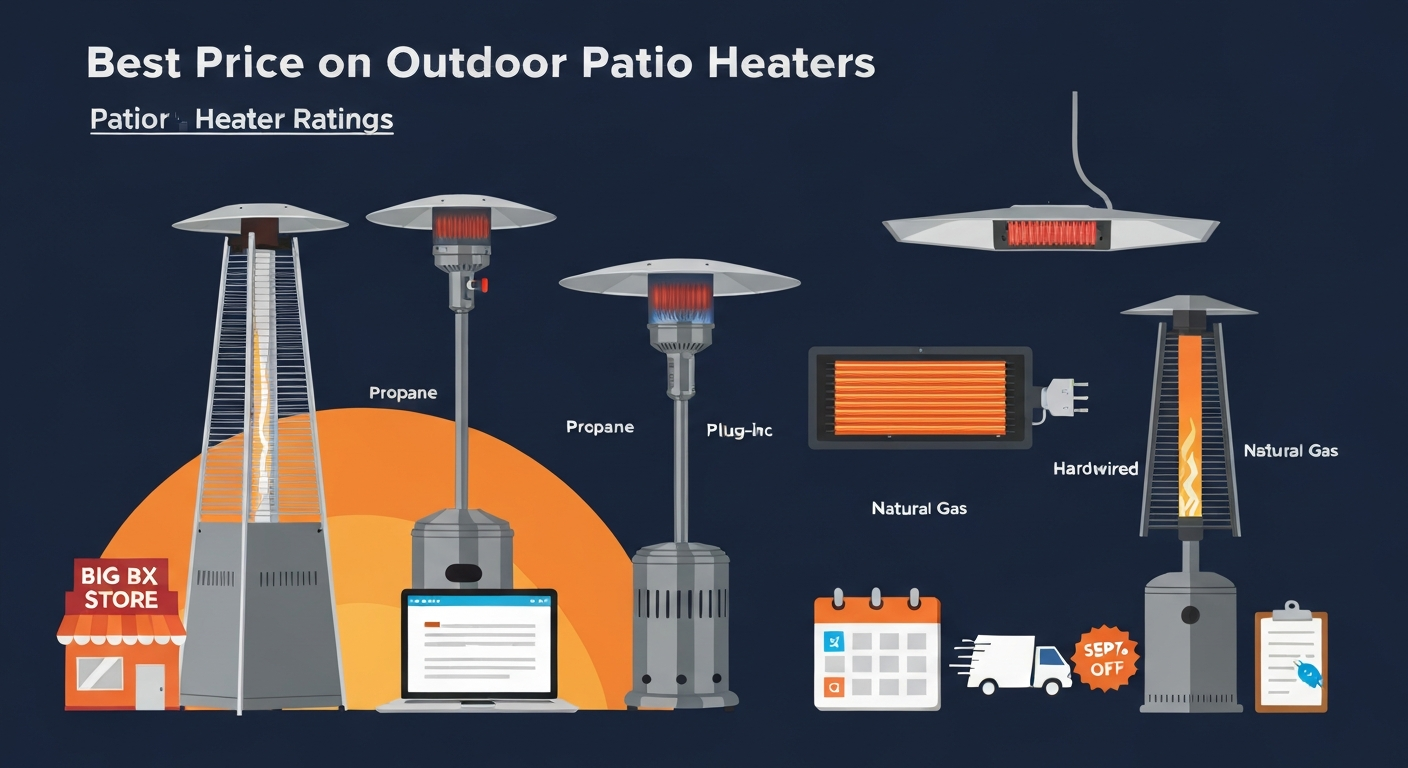
Best Price on Outdoor Patio Heaters: Compare Costs & Deals
Score the best price on outdoor patio heaters, price ranges, top picks, deal tactics, total-cost & safety checklist.
Where Can I Rent Patio Heaters Near Me Today
Find where to rent patio heaters near you today, choose the right fuel type, compare costs, and book safely.