
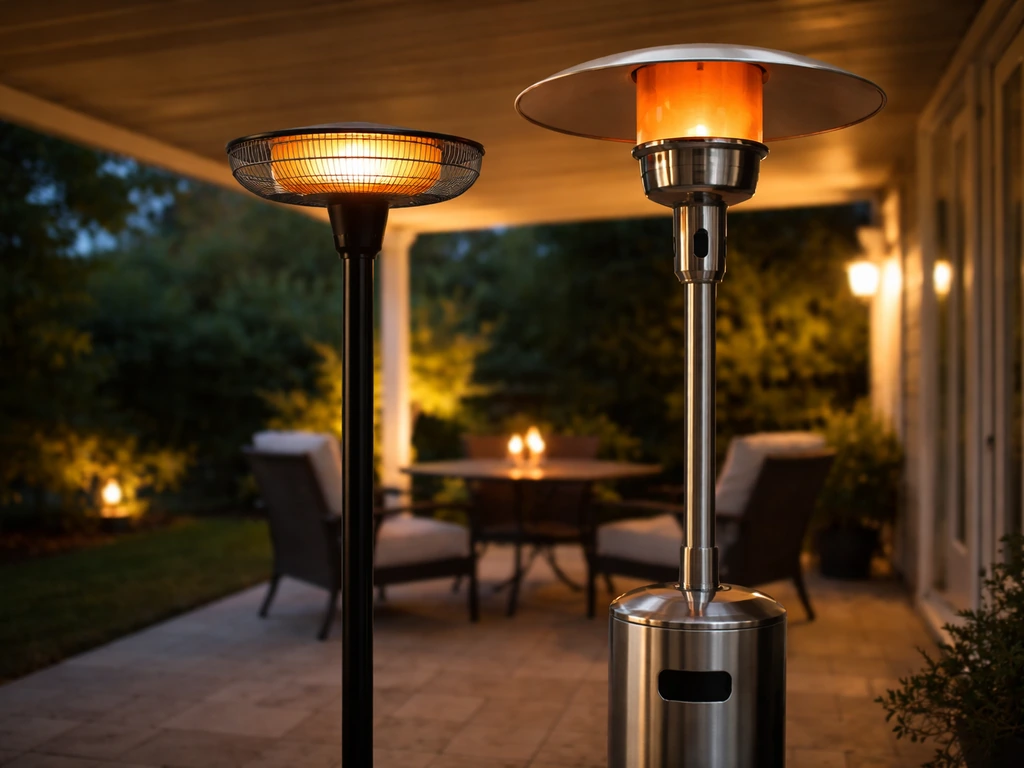
The best natural gas patio heater for most homeowners is a freestanding 40,000–46,000 BTU mushroom-style unit with a built-in ODS pilot, push-button piezo or electronic ignition, and a CSA/ANSI-certified stainless steel burner head. That covers patios up to roughly 200 square feet in calm conditions and gives you the most reliable, low-maintenance heat without the hassle of swapping propane tanks. If you already have a natural gas line running to your outdoor space (or you're willing to have one added), this type of heater is almost always the better long-term investment over propane or electric for regular, heavy patio use. If you are shopping for the best natural gas patio heaters in Canada, prioritize units with ODS pilots, CSA/ANSI certification, and coverage that matches your patio size and wind exposure natural gas option.
Best Natural Gas Patio Heater: Quick Buying Guide

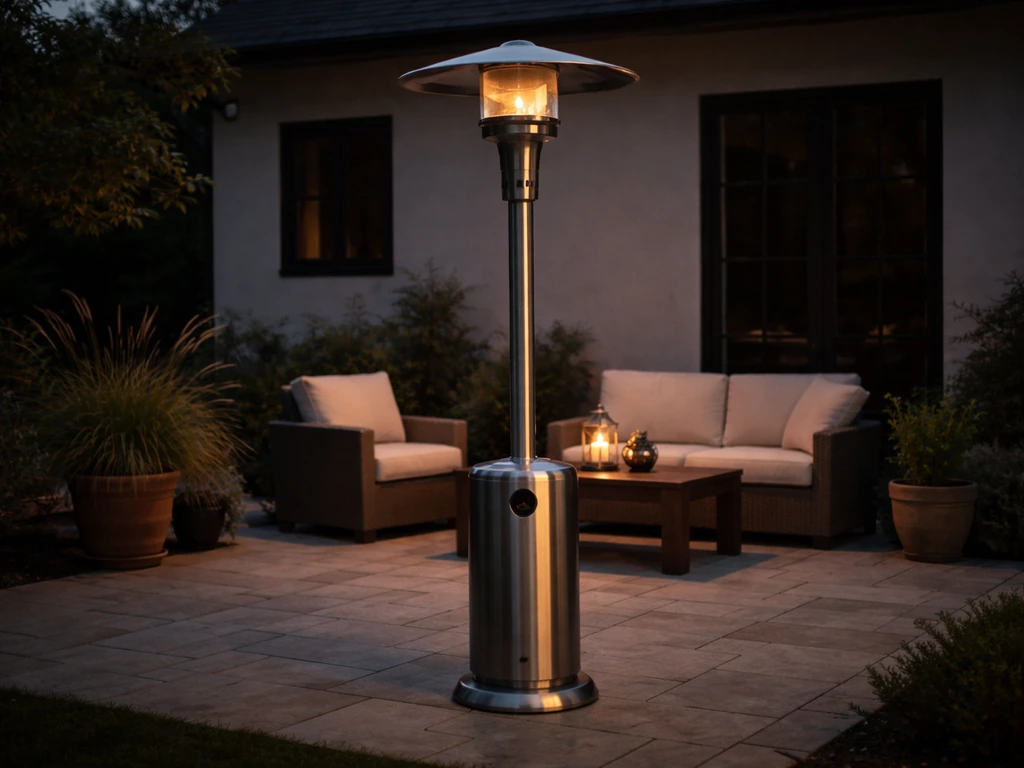
Why choose natural gas (and when it's not the right call)
Natural gas patio heaters make the most sense when you heat your patio frequently, meaning at least a few nights a week through a long shoulder season or winter. The fuel is cheaper per BTU than propane in most U.S. regions, there are no tanks to fill or run out of mid-dinner party, and a permanently plumbed unit just works every time you turn it on. For restaurants, bars, and homeowners with serious outdoor living spaces, that convenience alone justifies the setup cost.
That said, natural gas is the wrong choice in a few clear scenarios. If you don't have an existing gas line within reasonable distance of your patio, the cost of trenching and plumbing a new line can run $500 to $2,000 or more depending on distance and local labor rates. If you rent, move frequently, or want to use a heater in different locations, natural gas is too fixed. And if your patio use is occasional, a propane unit or a quality electric infrared heater will cost you less to own overall. If you are considering propane instead, look for the best propane patio heaters 2020 based on BTUs, ignition type, and safety shutoffs propane unit. Natural gas also isn't as widely available in rural areas. If any of those situations apply to you, it's worth reading up on propane and electric alternatives before committing.
Sizing and coverage: BTUs, patio size, and wind exposure
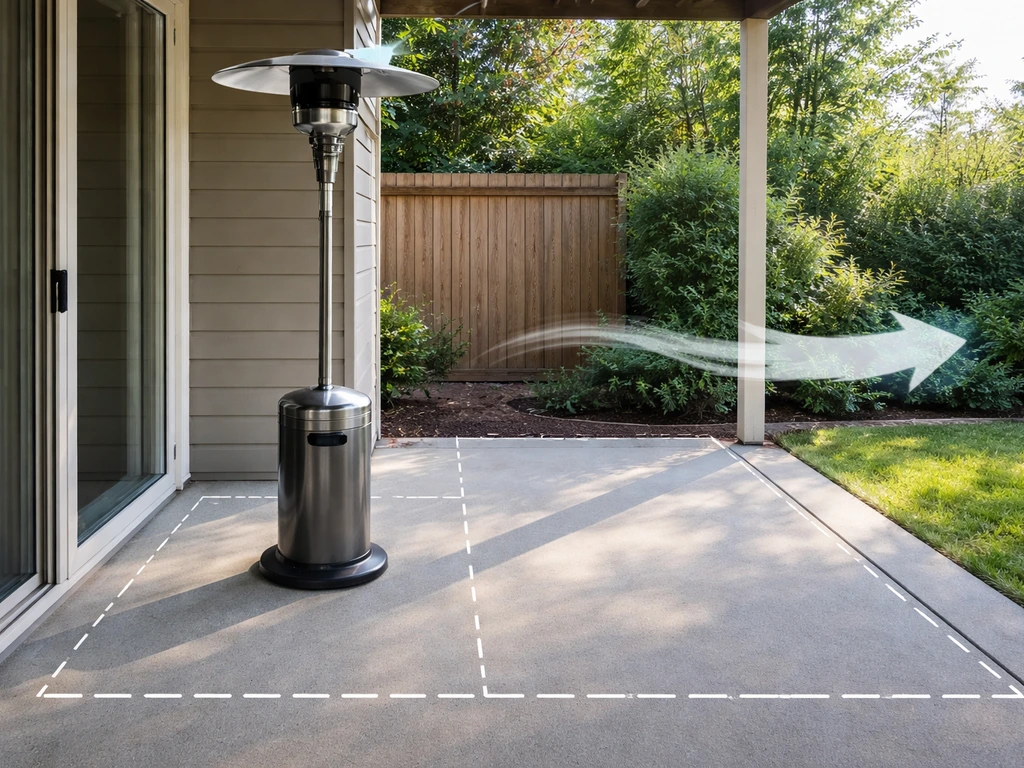
BTU output is the single most important spec to get right. Here's how I think about it practically: for a sheltered patio up to 150 square feet, a 30,000–35,000 BTU heater is plenty. For 150 to 200 square feet, go with 40,000–46,000 BTU. Anything over 200 square feet, or a fully open exposed patio, really needs multiple heaters or an overhead/ceiling-mounted unit rather than trying to push one freestanding heater past its limits.
Wind exposure matters enormously and is the variable most buyers underestimate. A freestanding mushroom heater in a sheltered courtyard will heat 15 to 20 feet of radius comfortably. The same heater on a breezy rooftop deck might heat half that area. If your patio is exposed on two or more sides, plan to either enclose it with windbreak panels or move up a BTU class from what the square footage alone suggests. Overhead infrared units mounted to a wall or pergola beam actually hold up much better in wind because the radiant heat goes straight down to seated guests instead of being swept sideways.
Altitude is another factor to account for. High-altitude installations require derating: the HeatStar HSRP37GL, for example, lists altitude-adjusted BTU/hr values in its manual, and its rated 37,000 BTU/hr drops noticeably above 2,000 feet. Most manufacturers include a gas pressure table and altitude derate instructions in their manuals, so always check the specs for your elevation before buying.
| Patio Size | Shelter Level | Recommended BTU Range | Best Heater Type |
|---|---|---|---|
| Up to 100 sq ft | Enclosed / sheltered | 25,000–30,000 BTU | Freestanding or wall-mount infrared |
| 100–150 sq ft | Semi-sheltered | 30,000–35,000 BTU | Freestanding mushroom or tabletop |
| 150–200 sq ft | Semi-sheltered | 40,000–46,000 BTU | Freestanding mushroom |
| 150–200 sq ft | Open / exposed | 40,000–46,000 BTU (+ windbreak) | Overhead infrared or dual units |
| 200+ sq ft | Any | Multiple units or 50,000+ BTU overhead | Commercial overhead or zoned setup |
Top features that actually matter
Ignition and controls
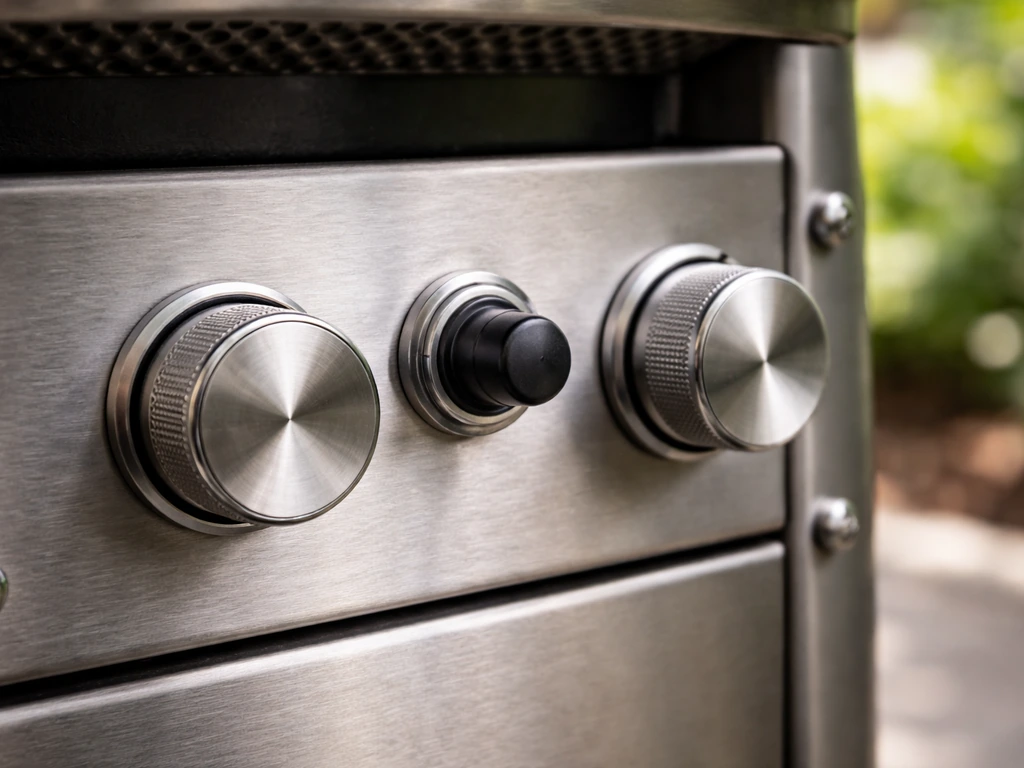
Push-button electronic ignition is the standard you want. Piezo igniters are fine and reliable in dry climates, but in humid or coastal environments they can corrode and fail within a season or two. Battery-powered electronic ignition is more consistent. Two-stage or variable output controls are a genuine upgrade worth paying for. The SunStar SGL35-N7, for example, runs at either 24,000 BTU (low) or 35,000 BTU (high) via a simple 3-position switch, which is a practical way to extend run time and fine-tune comfort without the complexity of a full modulating system.
Safety features
Two safety features are non-negotiable on any natural gas patio heater: an Oxygen Depletion Sensor (ODS) pilot and a tip-over auto-shutoff. The ODS cuts the gas if oxygen levels drop, which matters most in partially enclosed spaces. Tip-over shutoff is self-explanatory but critical on freestanding units around kids or in wind. Look for certification to CSA/ANSI Z83.26 (the specific standard for gas-fired outdoor infrared patio heaters): AZ Patio Heaters, for instance, explicitly certifies its NG-GT-BRZ model to ANSI Z83.26/CSA 2.37, and that certification means the unit has been independently tested for burner stability, materials, and safety shutoffs.
Materials and build quality
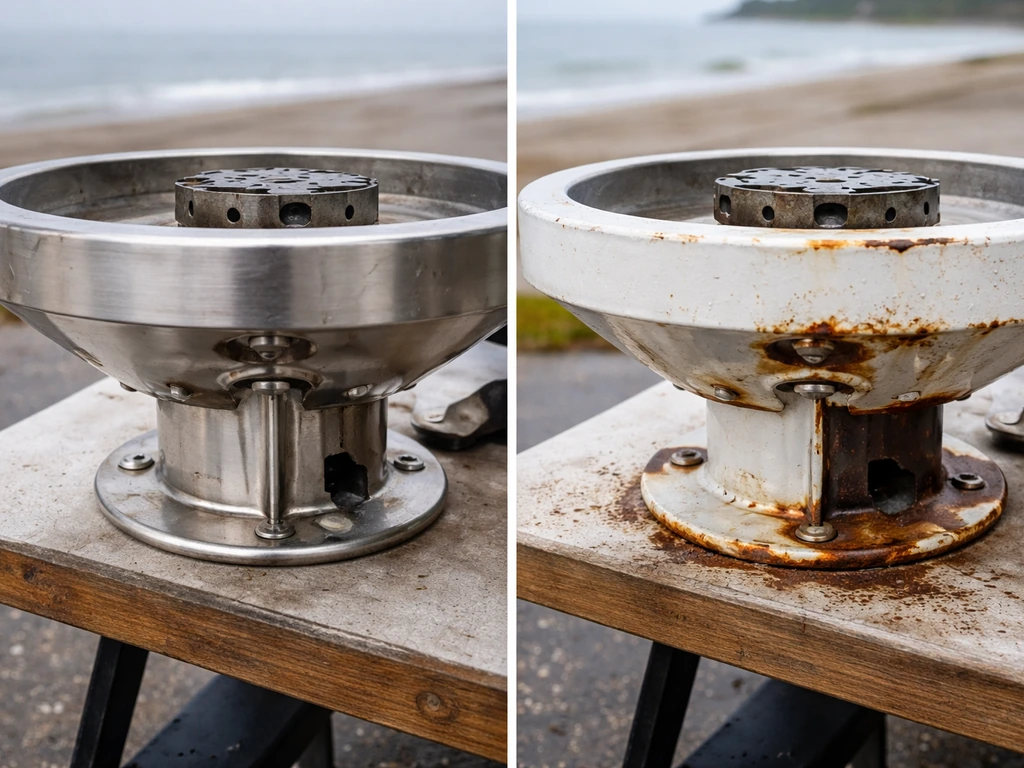
For the burner head and reflector, stainless steel is worth the price premium over painted steel, especially in coastal or humid climates. Bronze and hammered finishes on the pole and base look great but don't affect performance. The emitter screen or burner screen on an infrared model should be stainless or ceramic: carbon steel screens rust and clog within a couple of seasons. For overhead or wall-mount units used in commercial settings, look for powder-coated aluminum housings, which resist corrosion and are lighter to install.
Best natural gas patio heater picks by patio setup
I've broken these down by use case rather than just listing models in a row, because the right heater really does depend on your specific setup. These are the types and models I'd point someone to today based on real performance data, build quality, and customer feedback patterns.
Best for a standard home patio (150–200 sq ft, semi-sheltered)
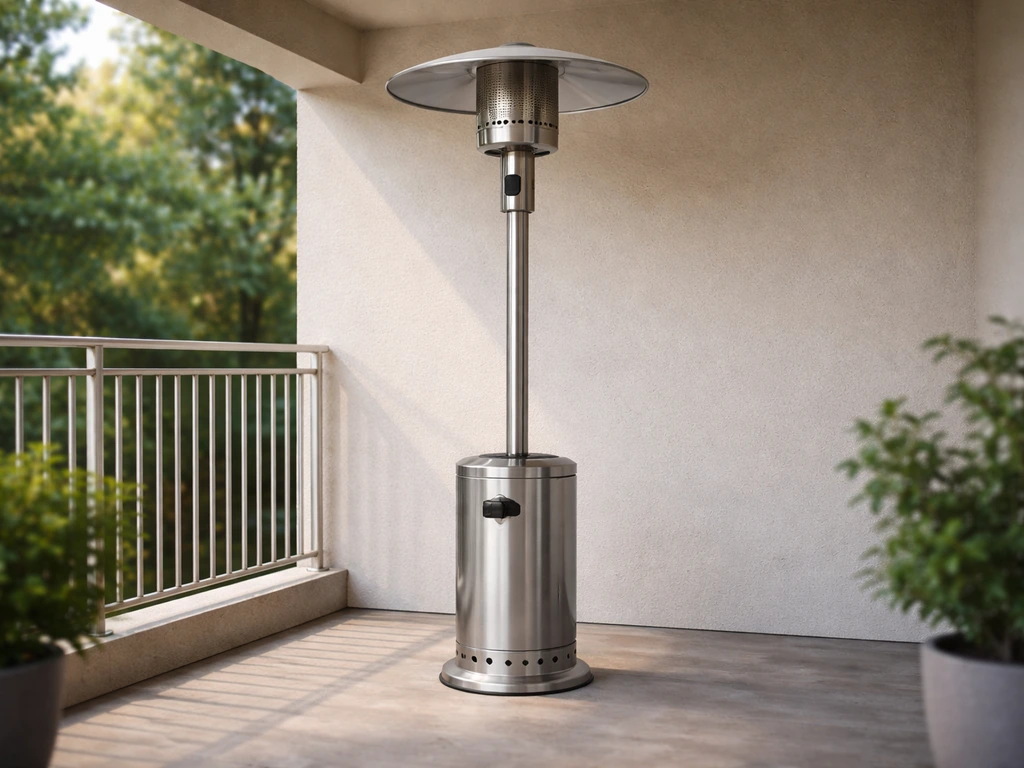
A blank" rel="noopener noreferrer">46,000 BTU freestanding mushroom-style heater with stainless steel burner, electronic ignition, and CSA certification is the go-to here. If you’re looking for the best gas patio heaters 2020, this is the style and BTU range that tends to perform best for a standard 150 to 200 square foot patio 46,000 BTU freestanding mushroom-style heater. AZ Patio Heaters' natural gas freestanding models (including the NG-GT-BRZ) hit this sweet spot: they're CSA/ANSI Z83.26 certified, widely available, and priced in the $150 to $250 range, which makes them one of the most cost-effective options for homeowners. Best for: homeowners with a standard backyard patio, covered deck, or pergola who want a reliable, set-it-and-forget-it unit.
Best for variable output and efficiency (medium patio, 100–175 sq ft)
The SunStar SGL35-N7 is the pick if you want two-stage control. At 24,000 BTU on low and 35,000 BTU on high, it's genuinely versatile: you can run low for mild evenings and crank it up when temperatures drop. It requires a minimum 6.0" W.C. supply pressure, so confirm your gas line pressure before ordering. Best for: homeowners or small restaurant patios that want precise comfort control and are comfortable with a slightly more involved installation.
Best for larger or exposed patios (200+ sq ft, or windy locations)
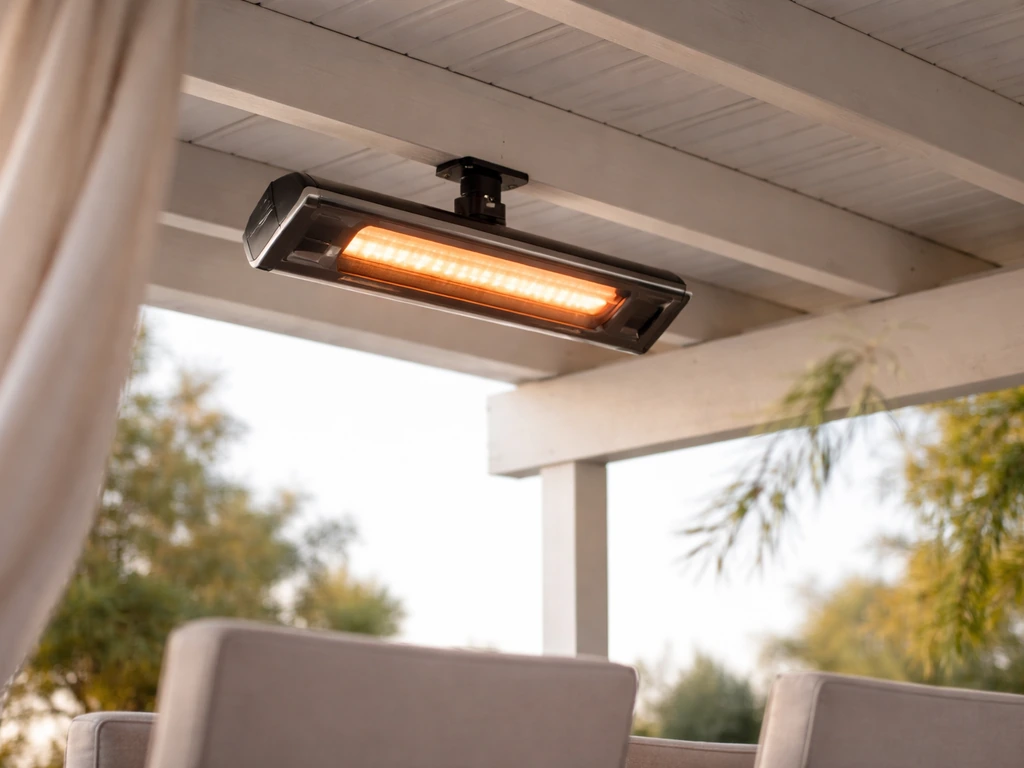
The HeatStar HSRP37GL (37,000 BTU) is a solid overhead-style infrared unit for covered patios and pergolas. Because it mounts overhead and directs heat downward, it's far more wind-resistant than any freestanding heater and works well where a pole-mounted unit would be impractical or unsafe. It's also a smarter choice for high-altitude installs: the manual includes altitude-specific BTU and manifold pressure tables so you can confirm actual output at your elevation. Best for: covered patios, outdoor dining areas, pergolas, or any space where wind makes freestanding heaters ineffective.
Best for small spaces and budget buyers
For patios under 100 square feet or for someone who wants a natural gas option without spending over $200, a 30,000 BTU freestanding unit with basic ODS and tip-over protection does the job. Just don't expect it to heat a large open space: be realistic about coverage and supplement with outdoor furniture placement to keep seating close to the heat column.
Installation and hookup essentials
Natural gas patio heaters connect to a dedicated outdoor gas line, not a hose from your indoor supply. In most jurisdictions, any new gas line installation must be done by a licensed plumber or gas fitter and inspected before use. That's not optional, it's a code requirement. Plan for a shutoff valve at the connection point and a flexible stainless-steel connector (typically 1/2" diameter for residential units) between the fixed line and the heater.
Supply pressure is the spec most buyers overlook. Most residential freestanding natural gas heaters require 6.0" W.C. (water column) minimum at the appliance connection, which is standard for residential natural gas service. If you're tapping off a long run of small-diameter pipe, pressure drop can be an issue, so have your plumber verify pressure at the connection point before you finalize placement. The SunStar SGL35-N7 manual, for example, includes an explicit gas pressure table for exactly this reason.
Clearances matter both for safety and for optimal heating performance. Most freestanding mushroom heaters require a minimum 24 to 36 inches of clearance to any combustible surface on the sides and at least 36 to 48 inches of overhead clearance. Overhead infrared units have their own clearance specs, typically 24 to 36 inches below the unit to the nearest combustible surface and mounting height recommendations of 8 to 10 feet for best coverage. Always check the specific manual for your model, and confirm compliance with ANSI Z83.26/CSA 2.37 standards, which are the governing standards for outdoor gas infrared heaters.
- Hire a licensed plumber or gas fitter for any new outdoor gas line work
- Install a dedicated shutoff valve at the connection point outdoors
- Verify supply pressure at the connection point (minimum 6.0" W.C. for most residential units)
- Use a listed flexible stainless-steel connector rated for outdoor use
- Confirm clearances to combustibles per the specific heater manual before final placement
- Check for local permit requirements before starting any gas line work
- After installation, leak-test all connections with a gas-rated leak detection solution
Operating costs and how natural gas compares to propane and electric
Natural gas is almost always cheaper per BTU than propane. A rough real-world comparison: running a 40,000 BTU natural gas heater for one hour costs approximately $0.40 to $0.60 at average U.S. residential gas rates (around $1.00–$1.50 per therm). The same output from a propane unit typically costs $0.90 to $1.20 per hour depending on local propane prices. Over a full season of regular use (say, 150 hours), that's a potential savings of $75 to $120 in fuel alone, which matters if you heat your patio often.
Electric infrared heaters have the lowest operating cost per hour for small, targeted spaces and zero installation cost if you have an outdoor outlet, but they struggle to heat open or large areas the way a gas unit can. For a patio larger than 100 square feet or in climates that drop below 45°F regularly, gas wins on pure heating capacity. The tradeoff is the upfront installation cost of the gas line, which tips the math back toward propane or electric if you only heat occasionally.
| Fuel Type | Approx. Cost per Hour (40,000 BTU) | Installation Cost | Portability | Best For |
|---|---|---|---|---|
| Natural gas | $0.40–$0.60 | $500–$2,000 (gas line) | Fixed | Frequent use, large patios |
| Propane | $0.90–$1.20 | Minimal (hose/regulator) | Portable | Occasional use, renters, flexibility |
| Electric infrared | $0.50–$0.80 | Low (outdoor outlet) | Semi-portable | Small spaces, low-wind, mild climates |
One thing worth noting: if you're comparing against older propane models reviewed a few years back, the gap has narrowed somewhat as propane prices have fluctuated. The fundamental efficiency and convenience advantage of natural gas for fixed installations still holds, but run the numbers for your own usage patterns and local fuel prices before assuming one is clearly cheaper.
Your buying checklist and next steps
Before you order anything, spend 10 minutes confirming these things. They'll save you a headache or a return shipment.
- Measure your patio: length x width in square feet, then note whether it's enclosed, semi-sheltered, or open on multiple sides
- Check wind exposure: if you're on a rooftop, hillside, or open yard, size up at least one BTU class or plan on an overhead mount
- Confirm you have (or can run) a natural gas line to the patio location, and get a rough quote from a licensed plumber before committing
- Verify your gas supply pressure at the connection point is at least 6.0" W.C.
- Check your elevation: if you're above 2,000 feet, look up the altitude-derated BTU output for your specific model
- Measure overhead clearance and confirm clearance-to-combustibles compliance with your chosen model's manual
- Confirm the heater is CSA/ANSI Z83.26 certified (not just 'CE' or 'ETL listed')
- Decide on freestanding vs. overhead: freestanding works well in calm, sheltered spaces; overhead infrared is better in wind and for permanent commercial or pergola installs
- Check local permit requirements for new gas appliances and outdoor gas lines
- Compare your estimated seasonal hours of use against fuel cost calculators to confirm natural gas is worth the line installation over propane
Once you've answered those questions, the choice narrows fast. For most homeowners with a 150 to 200 square foot covered or semi-sheltered patio and an existing gas line, a 40,000–46,000 BTU freestanding unit from a CSA-certified brand like AZ Patio Heaters is the straightforward call at an accessible price. If you are comparing the best patio heaters in Canada, focus on BTU output, wind exposure, and whether your setup can support natural gas. If you want a starting point, check the best natural gas patio heaters 2020 for options that match your patio size and wind exposure. If you need variable output or have a larger covered dining setup, step up to the SunStar SGL35-N7 or a wall-mount infrared model like the HeatStar HSRP37GL. And if you're still weighing whether natural gas is even the right fuel type for your situation, comparing it head-to-head against propane options at similar BTU ratings is worth doing before you finalize your decision.
FAQ
Can I connect a best natural gas patio heater to my existing grill line or indoor shutoff?
Yes, but you need to check the heater’s required gas control type and connection method. Most natural gas patio heaters are designed for a hard plumbed outdoor line with a specific appliance regulator and thread size. If you plan to connect through a flex line or DIY adapter, confirm it matches your model’s inlet size (often 1/2 inch) and that a plumber/gas fitter approves the regulator and pressure setup for outdoor use.
Is it safe to run a gas line outdoors from an indoor supply to power a patio heater?
Not usually. Natural gas patio heaters are intended for a dedicated outdoor gas line and outdoor-rated components. Using indoor gas piping or routing through a window or unfinished wall typically fails code requirements and can create an unsafe venting and leakage path. Have a licensed installer run a proper outdoor branch, add an accessible shutoff valve, and keep all joints in appropriate outdoor-rated locations.
What should I check for corrosion resistance if my patio is coastal?
Yes, and you should do it before purchase if you are in humid, coastal, or salty-air locations. Look for stainless steel burner parts (burner head and emitter/burner screen) and corrosion-resistant finishes on the reflector. Also confirm the unit’s clearance and shielding are adequate, because wind-driven spray and salt mist can clog carbon steel screens faster than the typical “a couple of seasons” cited for non-stainless screens.
Will piezo ignition still be reliable in rainy or humid climates?
If the heater uses a piezo igniter, it can still work well, but electronics tend to handle damp conditions more reliably. For best results in coastal humidity, consider battery-powered electronic ignition rather than piezo. Also keep the ignition area clean and dry, since clogged burner heads can prevent reliable lighting even on heaters with good ignition.
How do I confirm my gas pressure will be correct at the patio heater location?
Use the heater’s manual for minimum and maximum output and gas pressure requirements, and verify your line can deliver at the appliance after pressure drop. If the heater specifies a minimum water column pressure (for example, 6.0 in. W.C.), and your supply is marginal, it can cause poor flame quality and frequent cycling. The safest move is to have your plumber measure pressure at the heater connection point.
My patio is windy, how should that change what BTU heater I buy?
Use real wind exposure, not just patio size. If your heater is on an open deck or exposed on multiple sides, plan for either windbreaks or a higher BTU class, or switch to an overhead infrared model that radiates downward without being swept sideways. A good rule of thumb is to treat fully open, multi-sided patios as less effective than sheltered courtyards for freestanding mushroom units.
What’s the best way to set up seating so the heat feels strong, not just the BTU number?
Most natural gas heaters do not “feel” proportional to BTU in windy spaces, but you can still estimate coverage by seating layout. Place the heater so guests sit within the effective radius, then fine-tune by moving the seating closer rather than assuming the heater will cover the whole square footage. If you are averaging comfort complaints from multiple guests, that usually means distance or wind, not insufficient BTU rating.
Are two-stage or variable-output controls worth it for a natural gas patio heater?
Two-stage or low-high controls are the simplest way to extend run time and reduce overheating. Look for a 3-position switch (off-low-high) or clearly labeled low output BTU so you can run longer during mild evenings. If you only have an on-off single output model, expect more frequent on/off cycling and greater temperature swings for guests.
Can I mount an infrared natural gas heater on a pergola beam or wall?
Typically yes, but you should plan for compliant clearances and mounting safety. Freestanding models need side and overhead clearance to combustibles, and overhead units need correct mounting height and support strength. Since requirements vary by model, verify that your exact roof structure or pergola beam can handle the load and that the installation matches the heater’s clearance and mounting instructions.
How much space do I need around the heater for safety and performance?
In general, do not place it where combustion air is restricted or where the burner can get blocked by stored items, overhanging plants, or patio umbrellas. Keep the heater aimed so the radiant path reaches seating, and avoid locations where exhaust products or heat could accumulate under eaves. The manual’s clearance specs are the deciding factor, not general clearance estimates.
Do patio umbrellas or windbreak panels affect coverage enough to matter?
A common issue is misunderstanding “outdoor” clearance. Patio umbrellas, windbreak panels, and pergola slats can reduce heating while also changing how the heater’s radiant heat reaches guests. If you frequently run umbrella covers, confirm the heater’s clearance to combustibles and how the radiant output direction affects the effective warm zone.
How often should I inspect or clean a natural gas patio heater, and what problems should I watch for?
If you installed it, you still need to treat it like a gas appliance: periodic inspection is important. Check for proper flame shape, ensure the burner area stays free of debris, and test that shutoff features (ODS pilot behavior and tip-over sensor) respond normally. If you notice delayed ignition, unusual flame, soot, or gas odor, stop using it and have a qualified technician inspect it.
Is it better to run the heater occasionally, or should I plan on frequent use?
You should be able to run it in short sessions, but the “right” approach is to use it according to output control and wind conditions. Low output is best for mild evenings, high output for short colder bursts. On-demand use also helps reduce wear and keeps the burner cleaner, while still giving you comfort without running at full output all night.
What certifications or safety features should I treat as mandatory for the best natural gas patio heater?
Yes, the heater should be certified for outdoor infrared gas heaters to a specific standard (commonly ANSI Z83.26/CSA 2.37) and also include safety shutoffs like an ODS pilot and tip-over protection. Certification affects burner stability and gas shutoff testing, so it is not just a marketing label. If certification is unclear or missing, it is a strong reason to choose a different model.
If natural gas is more expensive to install than propane, how do I decide which one is cheaper long term?
You can, but gas availability and local code rules matter. In some areas, replacing propane with natural gas is not practical without running a new line, and the work cost can erase fuel savings. Before committing, get a quote for trenching and the gas line distance from the meter, then compare projected annual fuel savings to the installation cost.
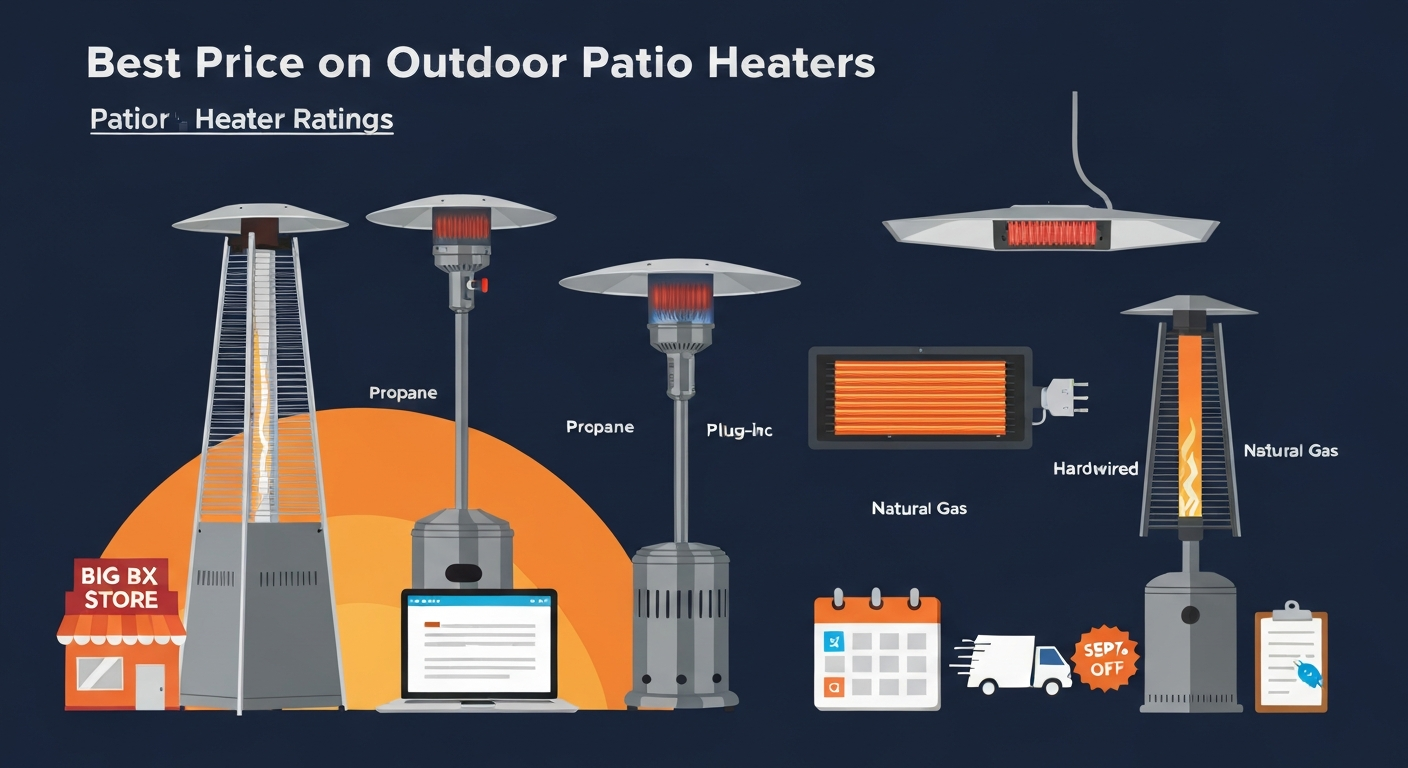
Score the best price on outdoor patio heaters, price ranges, top picks, deal tactics, total-cost & safety checklist.
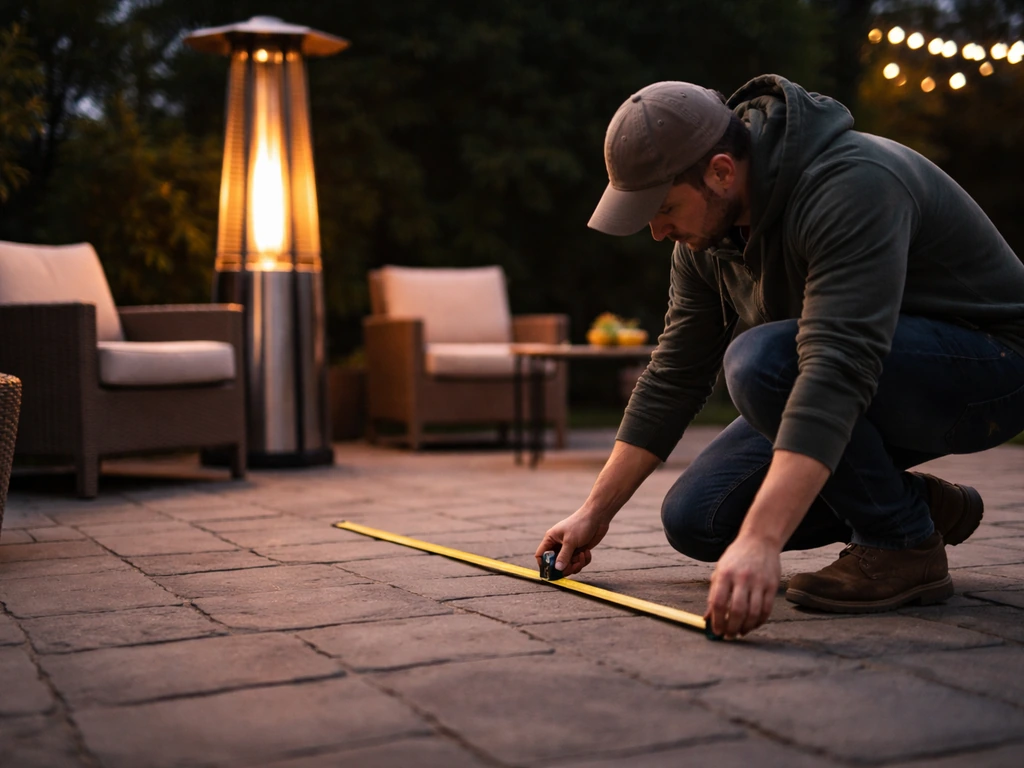
Find where to rent patio heaters near you today, choose the right fuel type, compare costs, and book safely.
Where to buy a patio heater now, plus electric vs gas vs propane tips, safety checks, and size/BTU buying checklist.